Mercedes-Benz M 111 E 22 (111.960) 2.2 150 HP – Experiences, problems, fuel consumption and buying used
Key points (TL;DR)
- Exceptional mechanical robustness: This naturally aspirated petrol engine can cover hundreds of thousands of kilometers without major mechanical wear, thanks to a durable block and a double timing chain.
- Main weakness – Eco wiring loom: The factory biodegradable engine wiring cracks over time, causing short circuits and failure of ignition coils or the ECU.
- Chain-driven timing: There is no classic major service with a timing belt; the chain is long-lasting, but the tensioners require occasional inspection.
- Very LPG-friendly: The injection system works excellently with sequential LPG, which is a lifesaver for your wallet due to higher city fuel consumption.
- Not worth remapping: As a classic naturally aspirated engine, ECU tuning does not bring a noticeable power increase.
- No modern wallet-killers: The absence of a DPF filter, AdBlue system and sensitive turbochargers makes maintenance extremely cheap compared to modern vehicles.
Contents
- Introduction and engine history
- Technical specifications
- Reliability and maintenance
- Specific parts and costs
- Fuel consumption and performance
- Additional options and modifications
- Gearbox and drivetrain
- Buying used and conclusion
Introduction and engine history
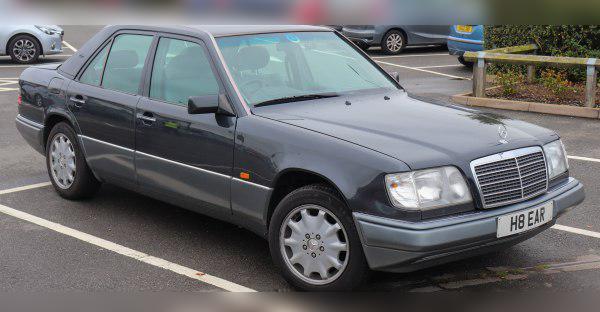
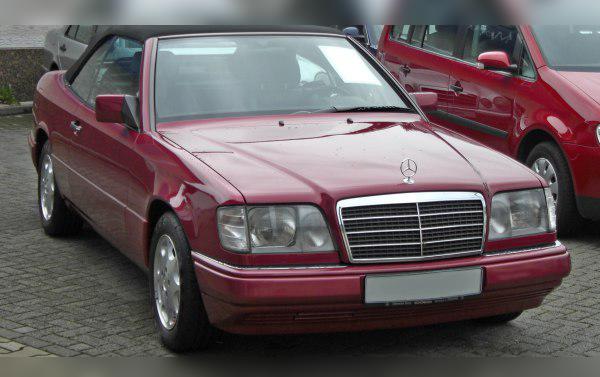
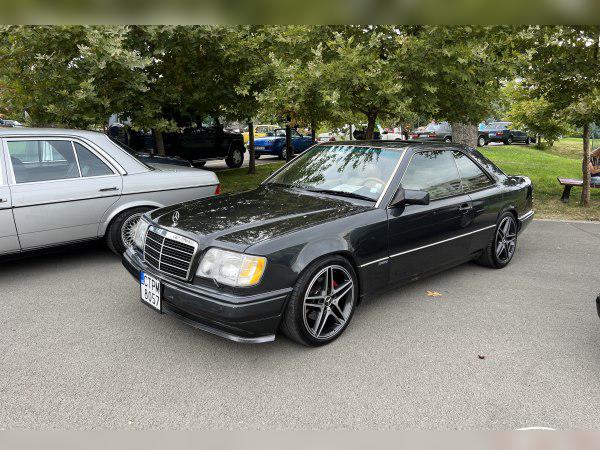
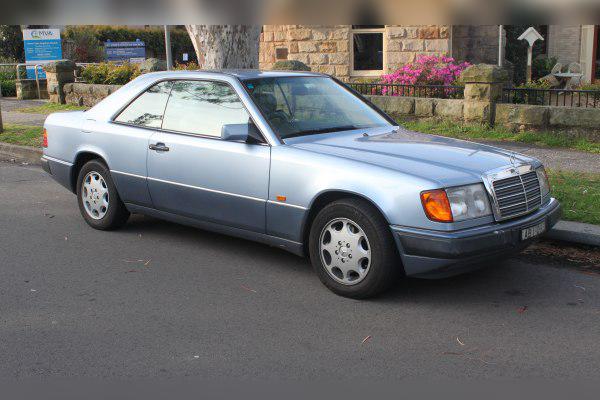
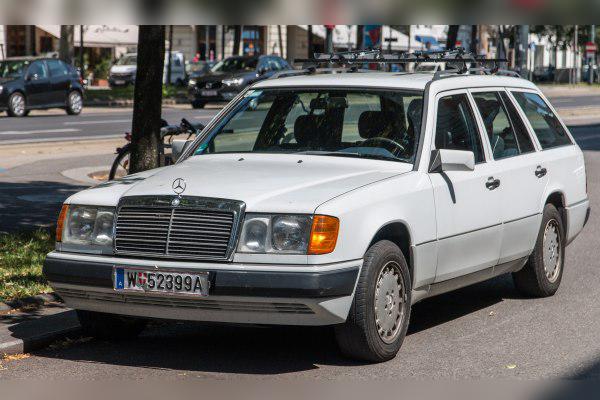
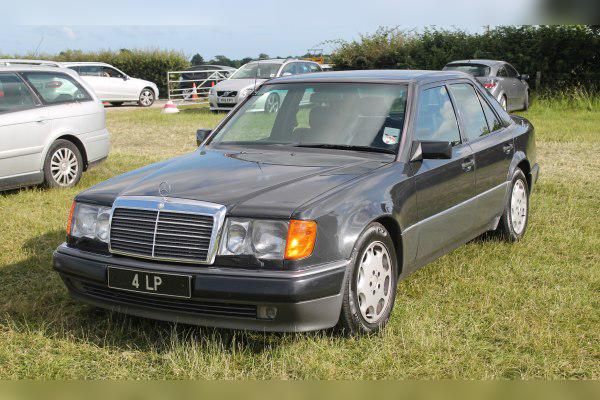
The M 111 E 22 engine (factory code 111.960) is a four-cylinder petrol unit that replaced the legendary but by then outdated M102 in the early nineties. With a displacement of 2.2 liters, 16 valves, dual overhead camshafts (DOHC) and electronic fuel injection, this engine represented a significant technological leap for Mercedes-Benz. It was installed mainly in the famous W124 E-Class (sedan, T-model estate, coupé and cabriolet), bringing more refined operation, better performance and cleaner exhaust emissions. Today it enjoys cult status as a very reliable old-school engine.
Technical specifications
| Parameter | Value |
|---|---|
| Displacement | 2199 cc |
| Power | 110 kW (150 HP) at 5500 rpm |
| Torque | 210 Nm at 4000 rpm |
| Engine code | M 111 E 22 / 111.960 |
| Injection type | Bosch HFM (Multipoint electronic) |
| Aspiration | Naturally aspirated |
| Fuel type | Petrol |
Reliability and maintenance
Does this engine have a timing belt or a chain?
The camshafts are driven by a double timing chain (duplex chain), a recognizable hallmark of Mercedes engineering from that era. The chain is extremely robust and rarely breaks. A rattling sound at cold start usually points to a tired hydraulic chain tensioner or worn guides, rather than a stretched chain itself.
What are the most common failures on this engine?
Mechanically, the engine is almost indestructible, but the peripherals suffer from age. The single biggest issue is the engine wiring loom. In the early nineties, Mercedes used biodegradable wire insulation. Due to engine heat, the insulation crumbles and falls off, leaving bare wires. When the wires touch, a short circuit occurs that can fry the ignition coils or the ECU. Refurbishing this wiring loom is mandatory on almost every example. There are also frequent oil leaks at the valve cover gasket and at the front crankshaft seal (often referred to colloquially as the engine “U-profile”). In addition, the air mass meter (MAF sensor) often fails, which manifests as unstable idle and loss of power.
At what mileage is the major service done?
There is no classic major service involving replacement of a belt and tensioners. Regular minor servicing is all that is needed in normal use. However, at around 250,000 to 300,000 km it is recommended to visually inspect the chain and guides and to replace the chain tensioner as a preventive measure. The water pump is driven by the auxiliary multi-rib belt (the so‑called serpentine or PK belt) and is replaced only when it starts leaking or develops play in the bearing.
How many liters of oil does this engine take and which grade is recommended?
The sump capacity is about 5.5 liters of oil (including the filter). Due to the engine’s design, a semi-synthetic oil of grade 10W-40 is recommended, although in colder climates 5W-40 full synthetic has proven to work very well, provided the engine does not burn oil and the seals are in good condition.
Does it consume oil between services?
It depends on the engine’s condition. These engines are allowed to consume about 0.5 to 1 liter of oil per 10,000 km, which is considered normal due to evaporation and the older design. If consumption is significantly higher (over 2 liters between services), the problem is usually hardened valve stem seals, and less often stuck oil control rings. Bluish smoke when suddenly applying throttle while going downhill is a sure sign of bad valve stem seals.
At what mileage should the spark plugs be replaced?
As a classic petrol engine, it requires spark plug replacement every 30,000 to 40,000 km if standard copper plugs are used (as originally recommended by the factory). If the engine is running on LPG, the replacement interval should be halved, or higher-quality iridium plugs should be used to protect the sensitive ignition coils.
Specific parts and costs
Does the engine have a dual-mass flywheel?
Engines of this displacement (2.2 liters) in the W124 chassis, paired with a manual gearbox, do have a dual-mass flywheel. Its role is to absorb engine vibrations for greater driving comfort. Replacing the clutch kit together with the dual-mass flywheel is expensive (price depends on the market), so many owners opt to fit a solid flywheel from older models, although this reduces comfort and causes vibrations when setting off.
What kind of injection system and injectors does it have?
It uses the Bosch HFM (Hot-Film Engine Management) multipoint injection system. The petrol injectors are mechanically extremely durable and almost never need replacement. Sometimes, especially if the car is rarely driven on petrol (because of LPG), the injectors can become clogged. Cleaning them in an ultrasonic bath is usually inexpensive (price depends on the market) and permanently solves the problem.
DPF, EGR, AdBlue and turbocharger?
Excellent news for your wallet: this engine has none of these! There is no turbocharger (it is naturally aspirated), no sensitive DPF filter because it is a petrol engine, no AdBlue system, and the simple EGR system (if present at all, depending on the emission standard for a given market) rarely causes the kind of problems we see on modern diesels. This makes it extremely cheap to maintain.
Fuel consumption and performance
What is the real fuel consumption in city driving?
Due to the heavy body (around 1400–1500 kg) and nineties technology, fuel consumption in stop‑and‑go city traffic is around 11 to 13 liters per 100 km. If the car is equipped with the old automatic gearbox, winter consumption can climb to 14 liters. This is the main reason why many owners choose to install LPG.
Is the engine “lazy”?
With its 150 HP and 210 Nm, the 220 E / E 220 is definitely not lazy. At the time, this was one of the most optimal choices for the W124, offering noticeably better acceleration than the then-available naturally aspirated diesels, with no struggle on hills or when overtaking. The car pulls evenly, but due to the linear power delivery typical of naturally aspirated engines, it lacks that “kick in the back” feeling that modern turbo engines provide.
Behavior on the motorway
This model was made for open roads. The engine is very smooth and well insulated. At a speed of 130 km/h in 5th gear with the manual gearbox, the tachometer shows around 3400 to 3600 rpm (depending on the differential ratio). The engine is not strained, sound insulation is at a high level, and motorway fuel consumption drops to a respectable 7.5 to 8.5 liters.
Additional options and modifications
LPG installation
This engine is an absolutely perfect candidate for a sequential LPG system. The plastic and aluminum intake components tolerate LPG very well, and the valves do not require additional lubrication. Due to higher city fuel consumption, the investment in an LPG system pays off relatively quickly, without any loss of reliability, provided the installation is done by a competent specialist.
Chip tuning (Stage 1)
In short: it’s not worth it. As a naturally aspirated engine, the M 111 gains only about 5 to 8 HP from a remap, which the driver will not really feel in practice. The only potential benefit of software optimization (remap) on these engines is a slightly better throttle response, but in terms of cost versus gain, Stage 1 tuning on this engine is essentially a waste of money.
Gearbox and drivetrain
Types of gearboxes and common failures
The 111.960 was paired with 5-speed manual gearboxes and the legendary 4-speed automatics (722.4).
- Manual gearbox: Mechanically extremely reliable, but over time play develops in the gear selector. The small rubber bushings on the linkage wear out, so the shift feel becomes vague, and engaging first gear and reverse can become unpleasant and stiff in cold weather. Eliminating this play is not expensive (price depends on the market).
- Automatic gearbox: The old 4-speed hydraulic automatic shifts extremely smoothly when in good condition. Symptoms of failure are strong “thumps” when changing gears or “slipping” (when the engine revs rise but the car does not accelerate proportionally). This happens due to worn Teflon seals, clutch packs inside the gearbox, or a faulty vacuum modulator.
Gearbox maintenance
Regardless of the common claim that gearbox oil is “lifetime fill”, real-world experience says otherwise. For the manual gearbox, it is recommended to change the oil (even though it only takes about 1.5 l) every 60,000 to 80,000 km, which makes shifting much easier in winter.
For the automatic gearbox, regular servicing (changing the ATF and the filter in the gearbox pan, as well as draining the oil from the torque converter) is MANDATORY at a maximum of 60,000 km. If this is respected, the automatic will outlast the bodywork.
Buying used and conclusion
What to check before buying?
When looking at a W124/C124 with the 2.2 engine, focus on the following:
- Engine wiring loom: Look at the wires under the plastic covers around the engine. If you see cracks in the insulation or bare copper, you will soon have to refurbish the entire loom, which is not cheap.
- Chain rattle: Ask the seller to keep the car completely cold before you arrive. At the first start, listen carefully to the front of the engine. Metallic knocking that lasts a few seconds indicates a bad chain tensioner.
- Idle quality: The engine should idle smoothly, like a clock. If it shakes or the idle speed fluctuates up and down, suspect a dirty throttle body, unmetered air (vacuum leaks around the intake) or a worn-out MAF sensor.
- Bodywork (suspension mounts): Although not part of the engine, the W124 suffers badly from rust on the sills, floor and rear subframe mounting points. A perfect engine is worthless if the body shell is rotten.
Who is this engine for?
The Mercedes M 111 E 22 with 150 HP is, in many people’s opinion, the best petrol engine for the W124, offering an excellent balance of power and fuel consumption, far better than the smaller 2.0, and much cheaper to maintain than the big six‑cylinders (M104). It is intended for enthusiasts who value true mechanical reliability, people who want modern‑ish performance in a classic car with low running costs – provided they accept the higher fuel consumption (or switch to LPG) and sort out the “childhood disease” of the biodegradable wiring loom.