Mercedes-Benz 2.8 V6 M112 (112.921): Experiences, problems, fuel consumption and used-car buying tips
Key points (TL;DR)
- Extremely durable and long-lasting naturally aspirated V6 engine with an aluminum block.
- Uses a timing chain that rarely causes problems.
- Known for oil leaks at the valve cover gaskets and the oil filter housing.
- Features a "Twin Spark" system (two spark plugs per cylinder, 12 in total), which slightly increases maintenance costs.
- Perfect candidate for LPG (autogas) conversion thanks to its classic MPI injection system.
- Most commonly paired with the indestructible 5G-Tronic (722.6) automatic transmission.
- Fuel consumption in the city is high, but on the open road it turns into a quiet and comfortable cruiser.
Contents
- Introduction
- Technical specifications
- Reliability and maintenance
- Specific parts (costs)
- Fuel consumption and performance
- Additional options and modifications
- Transmission and drivetrain
- Buying used and conclusion
Introduction
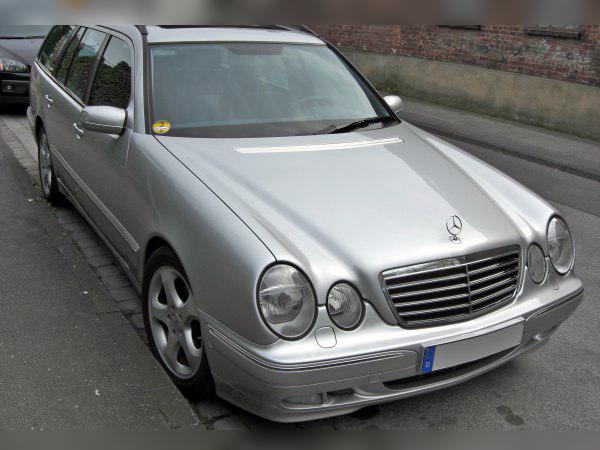
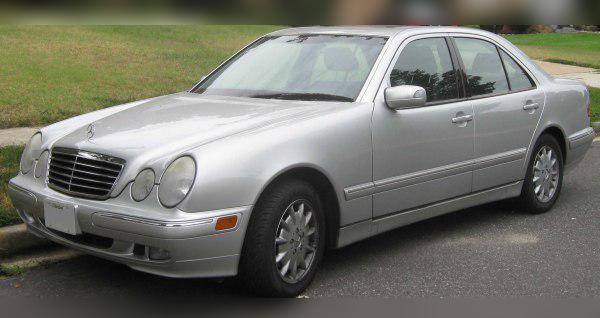
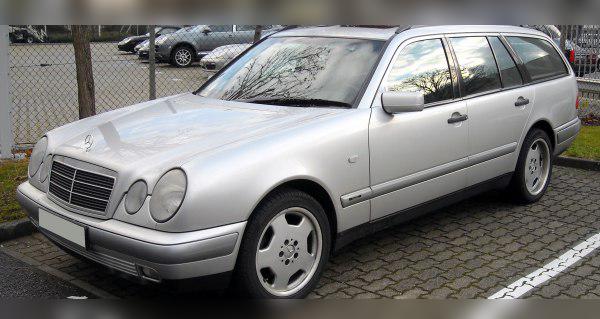
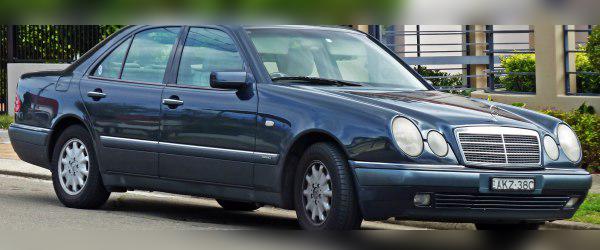
The M 112 E 28 engine (with the specific code 112.921) represents a historic turning point for Mercedes-Benz, as it is part of their first generation of V6 engines that replaced the famous inline-sixes (M104). This engine became most renowned in the E-Class W210 (sedan) and S210 (estate), popularly called the "Okanja", especially in the facelift versions after 1999. Its aluminum block with silicon-lined cylinders (Silitec) brought significant weight savings and better weight distribution, making the cars it powered noticeably more agile and pleasant to drive.
Technical specifications
| Engine displacement | 2799 cc |
| Power | 150 kW (204 hp) |
| Torque | 270 Nm |
| Engine code | M 112 E 28 / 112.921 |
| Injection type | MPI (Multi-Point Injection) |
| Induction | Naturally aspirated |
| Fuel type | Petrol |
Reliability and maintenance
One of the first questions every mechanic hears is about the timing system. The M112 engine uses a double-row timing chain to drive the camshafts. This is old-school Mercedes engineering, so the chain very rarely snaps or jumps a tooth. Because of that, the classic "major service" (replacement of the entire timing set) is not done at a strictly prescribed mileage, but only when the chain starts to make noise (usually well over 300,000 km). Regular maintenance comes down to replacing the serpentine belt, idler pulleys and water pumps.
The lubrication system is massive – this engine takes as much as 8 liters of oil. A 5W-40 or 5W-30 grade that meets MB 229.3 or 229.5 specification is recommended. Due to its design (V layout, 3 valves per cylinder), the engine is known to start "sweating" oil over time. The most common culprits are the valve cover gaskets and the seals on the oil filter housing. As for oil consumption between services, the manufacturer tolerates up to 0.8 liters per 1000 km, but in practice a healthy engine will use about 1 to 1.5 liters per 10,000 km. If it consumes significantly more, the problem usually lies in hardened valve stem seals or a clogged crankcase ventilation system (the breather hoses get blocked, so pressure forces oil out).
When it comes to petrol-specific requirements, the ignition system is worth mentioning. The M112 uses "Twin Spark" technology, which means it has two spark plugs per cylinder (12 spark plugs in total). The recommended replacement interval is every 90,000 km or 5 years. Although this increases the cost of a minor service, it ensures more optimal combustion and smooth engine operation.
Most common M112 engine failures
Aside from the already mentioned oil leaks, the engine suffers from a few typical "weak spots" that are easy to fix but can leave you stranded if ignored:
- Crankshaft Position Sensor: One of the best-known failures. Symptom: the car stalls once it reaches operating temperature of around 90 °C and will not start again until the engine has completely cooled down. The repair is not expensive (depends on the market).
- Mass Air Flow sensor (MAF): It fails over time, resulting in loss of power, rough idle and increased fuel consumption. It must be replaced only with an original or OEM Bosch part.
- Crankshaft pulley (harmonic balancer): Due to deterioration of the rubber damper inside the pulley (damping ring), it can start to wobble and damage the serpentine belt.
Specific parts (costs)
The fuel injection system is classic indirect injection (MPI - Multi Point Injection). The injectors are very robust, rarely fail and are not overly sensitive to poorer fuel quality. If a problem does occur (e.g. engine hesitation), they can be cleaned easily and cheaply in an ultrasonic bath.
Since this is a naturally aspirated engine, you do not have to worry about expensive failures related to turbochargers, intercoolers or boost pressure – because there aren’t any. For the same reason (and because it’s a petrol engine), it does not have a DPF filter or an AdBlue system, which regularly cause headaches for modern diesel owners.
An EGR valve is present, but unlike on diesels, it rarely clogs with soot on petrol engines. The vacuum hoses that control the EGR can cause more trouble, as they become brittle and crack over time, allowing unmetered air to enter the intake system.
Fuel consumption and performance
The unit with 150 kW (204 hp) and 270 Nm provides more than enough power, even for the heavy E-Class body (which weighs over 1.6 tons, and even more for 4MATIC estates). The engine is definitely not sluggish. Torque is available across a wide rev range (from 3000 to 5000 rpm), ensuring smooth and confident overtaking.
However, the price you pay for this kind of design is at the fuel pump. Real-world consumption in heavy city traffic is between 13 and 16 l/100 km, especially in versions with an automatic gearbox and all-wheel drive. In winter this figure can be even higher.
This engine shows its true character on the motorway. At 130 km/h in fifth gear (with the automatic transmission), it "cruises" at around 2800–3000 rpm. The cabin is extremely quiet, there are almost no vibrations, and fuel consumption drops to a very acceptable 8.5 to 9.5 l/100 km.
Additional options and modifications
For drivers who are worried about city fuel consumption, the good news is that the M112 engine is perfect for LPG (autogas) conversion. Thanks to the classic MPI injection system, the LPG kit is easy to calibrate, and the engine does not suffer from valve seat recession like some more modern direct-injection units. A quality sequential LPG system pays for itself very quickly.
When it comes to increasing power, the situation is different. Remapping (Stage 1 software tune) of a naturally aspirated engine is generally not worth it. The gain is at best between 10 and 15 hp, which in practice is barely noticeable in a car of this weight. It is wiser to invest that money in thoroughly refreshing the suspension and servicing the transmission.
Transmission and drivetrain
The E280 V6 was available with both manual and automatic transmissions, with automatics being by far the dominant choice, while 4MATIC versions came exclusively with an automatic.
Manual versions have a dual-mass flywheel. If the car has high mileage, replacing the clutch kit and dual-mass flywheel is a very expensive job (depends on the market). The most common issues with manual gearboxes are poor gear engagement due to worn linkage, while the gearbox internals themselves are durable.
What these models are most famous for is the 5G-Tronic automatic gearbox (code 722.6). This is one of the most reliable transmissions in the world. It does not have a dual-mass flywheel, but a classic torque converter. The most common failures on this gearbox are:
- ATF oil leak at the connector: The seal on the electronic plug hardens over time. The repair is routine and not expensive (depends on the market). If ignored, the oil can wick its way to the transmission control module and cause serious damage.
- Conductor plate: Located above the transmission pan. When its speed sensors fail, the gearbox goes into limp mode (stuck in second gear). Fortunately, the plate can be replaced separately and the price is not astronomical (depends on the market).
Although Mercedes once claimed that the oil in this gearbox is "lifetime fill" (sealed for life), real-world experience has shown that for longevity it is necessary to change the ATF oil and filter every 60,000 km.
Buying used and conclusion
When buying an E-Class with the M112 engine, the last thing you should worry about is "wear" of the core engine components (block, pistons, crankshaft). What you must thoroughly check are the ancillary systems:
- Cold start: Listen to the engine at first start-up. Any rattling that lasts longer than a second or two may indicate a stretched chain or a weak chain tensioner.
- Visual inspection: Remove the plastic engine cover. Look carefully for traces of oil leaking down the engine block (from the valve covers to the exhaust manifolds, which can cause a burning smell in the cabin).
- Hot start: The test drive should last until the engine reaches operating temperature. Then switch the car off and try to start it again – if it cranks for a long time, the crankshaft sensor is due for replacement.
- Diagnostics: Check the live data for the MAF and lambda sensors, as these components directly affect the air-fuel mixture and fuel consumption.
Conclusion: The 2.8 V6 (M112 E28) engine is an old-school Mercedes gem. It is intended for drivers who value smooth engine operation, comfort on long journeys and top-notch reliability, and who are not bothered by higher fuel consumption in city driving (or are willing to install LPG). Maintenance is not the cheapest in its class due to the large fluid capacities and 12 spark plugs, but the absence of expensive turbos and injectors makes it a predictable and, in the long run, cost-effective used-car choice.