Mercedes M 112.912 (C 240 / CLK 240) 2.6 V6: Experiences, problems, fuel consumption and buying used
Most important in short (TL;DR):
- Extremely durable naturally aspirated V6 petrol engine that uses a very reliable timing chain instead of a belt.
- The "240" badge is misleading – the actual engine displacement is 2.6 litres (2597 cc).
- City fuel consumption is high and easily exceeds 13 l/100 km.
- The specific three-valve-per-cylinder design requires two spark plugs per cylinder (12 in total), which makes regular maintenance more expensive.
- Prone to oil leaks at the valve covers and oil cooler.
- An absolutely perfect candidate for LPG (autogas) conversion thanks to its simple port fuel injection.
- The 5G-Tronic automatic gearbox is virtually indestructible, provided the oil is changed every 60,000 km.
Contents:
- Introduction and basic information
- Technical specifications
- Reliability and maintenance
- Specific parts (costs)
- Fuel consumption and performance
- Additional options and modifications
- Gearbox: Manual vs automatic
- Buying used and conclusion
Introduction and basic information
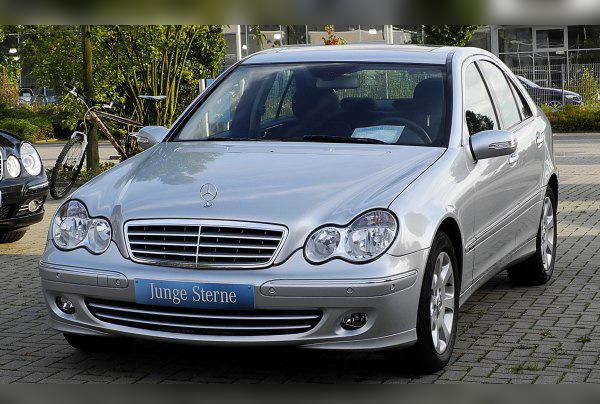
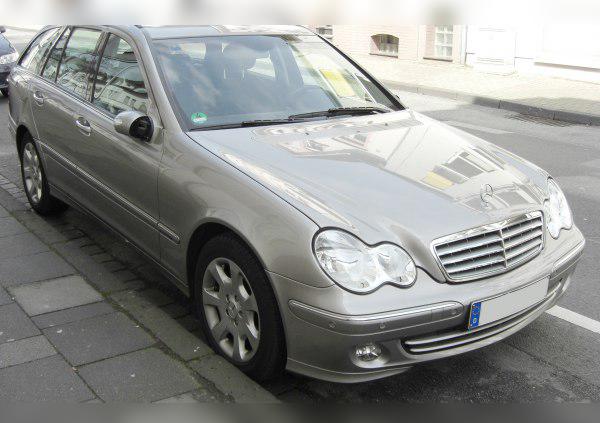
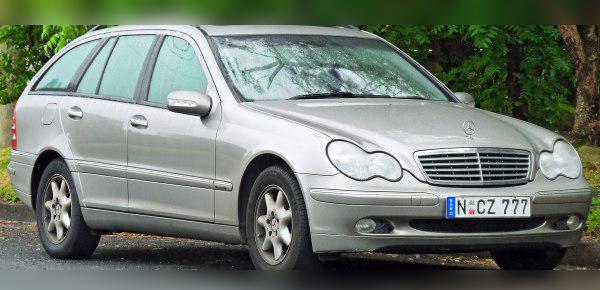
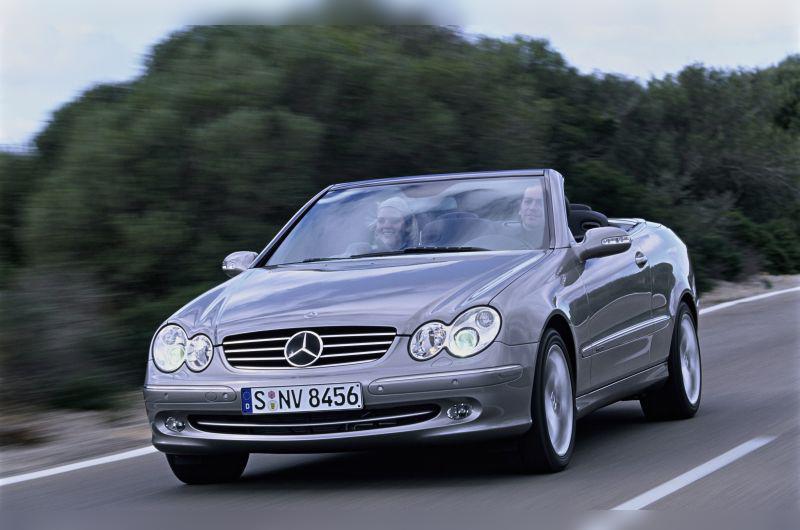
The Mercedes engine M 112.912 is one of the best-known and most durable V6 units from the late nineties and early 2000s. Although the cars it was fitted to (such as the C-Class W203/S203 and CLK C209/A209) carry the 240 badge, under the bonnet there is actually a 2.6‑litre engine with 170 horsepower (125 kW). It was conceived more as an entry ticket into the world of six‑cylinder refinement than as a racing machine. This engine is important because it proves that mechanical simplicity combined with robust construction can deliver hundreds of thousands of kilometres without major failures, which makes it highly desirable on today’s used‑car market.
Technical specifications
| Parameter | Value |
|---|---|
| Engine code | M 112.912 (M 112 E 26) |
| Displacement | 2597 cc (2.6 L) |
| Power | 125 kW (170 hp) |
| Torque | 240 Nm |
| Injection type | Port fuel injection (MPI) |
| Aspiration | Naturally aspirated engine |
Reliability and maintenance
In terms of mechanics, the M112 belongs to the old school of German engineering. This engine has no timing belt; instead it uses a massive double timing chain. A traditional “major service” in the usual sense is not performed. The chain is designed to last as long as the engine itself and rarely needs to be replaced before 300,000 to even 400,000 kilometres. If the chain is due for replacement, the first symptom will be a metallic “rattle” on cold start that disappears after a few seconds, once oil pressure tightens the tensioner.
As for regular maintenance, the ignition system is usually the biggest surprise for new owners. Due to the three‑valve head design (two intake, one exhaust), Mercedes fitted two spark plugs per cylinder for better combustion. This means the V6 has a total of 12 spark plugs. They must be replaced every 60,000 to 90,000 km, depending on plug type (platinum/iridium). This job falls into the “moderately expensive” category (depending on the market).
The sump of this V6 takes a serious 8 litres of oil (recommended grades 5W‑40 or 5W‑30 with MB 229.3 / 229.5 specification). Oil consumption is common on M112 engines. Usage of 1 to 1.5 litres per 10,000 km is considered completely normal and is a consequence of the engine’s design.
The most common faults on this unit are usually not catastrophic:
- Oil leaks: Valve cover gaskets harden over time. Oil then drips directly onto the hot exhaust manifolds, which the driver notices as a burning smell in the cabin through the ventilation. Also, the seals on the oil cooler (above the oil filter) often start to leak.
- Crankshaft Position Sensor (CPS): This is probably the best‑known weakness. When the sensor starts to fail, the car may suddenly stall when hot, or refuse to start until the engine cools down. Replacement is not expensive.
- Crankshaft pulley (harmonic balancer): The rubber that damps vibrations in the main pulley eventually disintegrates. If you notice that the pulley “wobbles” or vibrates at idle, it must be replaced urgently to avoid damaging the timing cover.
- Mass air flow sensor (MAF): Symptoms include rough idle, loss of power and increased fuel consumption.
Specific parts (costs)
The fuel system is a classic port injection (MPI / EFI) on the intake manifold. The injectors are extremely robust, not particularly sensitive to lower‑quality fuel and rarely cause problems; even when they do get dirty, ultrasonic cleaning usually solves the issue.
What makes this engine cheap to own in the long run is the absence of troublesome modern components. The engine has no turbocharger, no intercooler, no DPF filter and no complex AdBlue system. It does have an EGR valve, but it is vacuum‑operated, does not clog as quickly as on diesels, and if it does start causing issues (jerking at low revs), it is easy to clean and not a major expense.
Fuel consumption and performance
If you are looking for an economical car, this engine is not for you. Real‑world consumption in stop‑and‑go city driving is between 13 and 15 litres per 100 km. On country roads and motorways the situation is much better, with consumption dropping to around 8.5 to 10 l/100 km.
Is the engine “lazy”? Being naturally aspirated, its 240 Nm of torque is only fully available at higher revs (above 3000 rpm). Considering that the bodies it is installed in (C‑Class and CLK) are fairly heavy, the driving impression at low revs is indeed somewhat sluggish, especially in combination with the automatic gearbox. However, once it spins past 3500 rpm, it shows surprising agility and delivers a beautiful V6 sound. On the motorway at a cruising speed of 130 km/h (around 2800–3000 rpm depending on the gearbox), the engine is in its natural zone: silent, incredibly smooth and ideal for long journeys.
Additional options and modifications
LPG conversion: This is probably one of the best engines for conversion to liquefied petroleum gas. Since it has classic port injection and not overly complex electronics, a sequential LPG system works perfectly. Installing LPG will halve the high running costs in city driving. Due to the V6 configuration (two banks, more injectors), the installation itself is more expensive initially, but it pays off very quickly.
As for remapping (Stage 1), on the M112 it is basically a waste of money. As this is a naturally aspirated, non‑turbo engine, software optimisation can yield at most 10 to 15 horsepower, which you will not really notice in everyday driving.
Gearbox: Manual vs automatic
This engine was paired with a 6‑speed manual and a 5‑speed automatic gearbox (the famous 5G‑Tronic with code 722.6).
If you opt for the manual, it is important to know that this setup uses a dual‑mass flywheel. As petrol engines generate fewer vibrations than diesels, this flywheel lasts a very long time, but when it does need replacing, the clutch kit and dual‑mass flywheel represent a cost that falls into the very expensive category (depending on the market). The manual gearboxes themselves are mechanically precise, although many drivers feel that the shift throws are too long by modern standards.
However, around 80% of these engines on the market are paired with the 5G‑Tronic automatic, which suits it perfectly. The gearbox is practically indestructible if maintained properly. The biggest misconception is that its oil never needs to be changed. Gearbox servicing with oil and filter replacement is mandatory every 60,000 km. The most common issues on the 5G‑Tronic include:
- Conductor plate failure: The speed sensors on the valve body fail, and the gearbox suddenly “shudders” and gets stuck in second gear (limp mode). Fortunately, replacing the conductor plate is not excessively expensive.
- Oil leak at the connector plug: The plastic pilot connector through which the wiring passes can start leaking transmission fluid. The oil can then travel through the loom all the way to the gearbox control unit. This is prevented by replacing the connector, which costs only a few euros, at every minor gearbox service.
Buying used and conclusion
When you go to buy a used car with the M112 2.6 V6 engine, the rules are clear. Always insist on starting the car completely cold. Listen carefully for any chain “rattle” during the first 2–3 seconds of running. Then open the bonnet and visually inspect the engine – if it is covered in oil, you can expect to replace the valve cover gaskets and the breather hoses, which become brittle like glass. Always ask for a test drive until the car is fully warmed up so you can check whether the gearbox jerks when shifting from first to second, and whether the crankshaft sensor will stall the engine at operating temperature.
Conclusion: The Mercedes C 240 or CLK 240 is aimed at drivers who value top‑class comfort, a beautiful engine sound and maximum mechanical reliability, and who are not bothered by higher fuel consumption. It is not intended for street racers, because it was never designed for that role. With a properly and professionally installed LPG system, this car becomes an extremely reliable and economical “cruiser” that will serve you well for many years.