Mercedes-Benz M 157.981 (5.5 V8 BiTurbo 557 HP) – Experiences, problems, fuel consumption and used car buying guide
Key points (TL;DR)
- Beast on the road: The engine offers brutal performance (557 HP and 720 Nm) and a fantastic sound, carrying the weight of the CLS and E-Class with incredible ease.
- Timing chain and cam phasers: The biggest weakness of this engine is timing chain stretch and wear of the camshaft phase variators (phasers). The repair is very expensive (depends on the market).
- Camshaft sensors: A known issue is oil leaking through the camshaft sensors directly into the engine wiring harness, which can destroy the ECU.
- Transmission maintenance: The AMG SPEEDSHIFT MCT requires regular oil changes every 50,000 km to avoid jerking and clutch pack wear inside the wet clutch.
- Fuel consumption: Expect around 18–20 l/100 km in the city, while on the highway it can drop to 11–13 l/100 km.
- Tuning (Stage 1): Fantastic potential for remapping; with software alone it can easily be raised to over 650 HP.
- LPG: Due to direct injection and the BiTurbo system, LPG installation is extremely uneconomical and not recommended.
Contents
- Introduction
- Technical specifications
- Reliability and maintenance
- Specific parts and costs
- Fuel consumption and performance
- Additional options and modifications
- Transmission and drivetrain
- Buying used and conclusion
Introduction
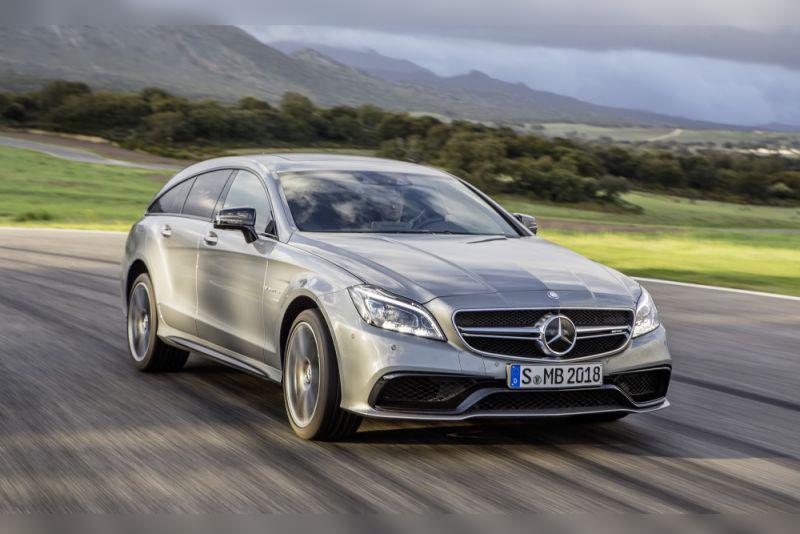
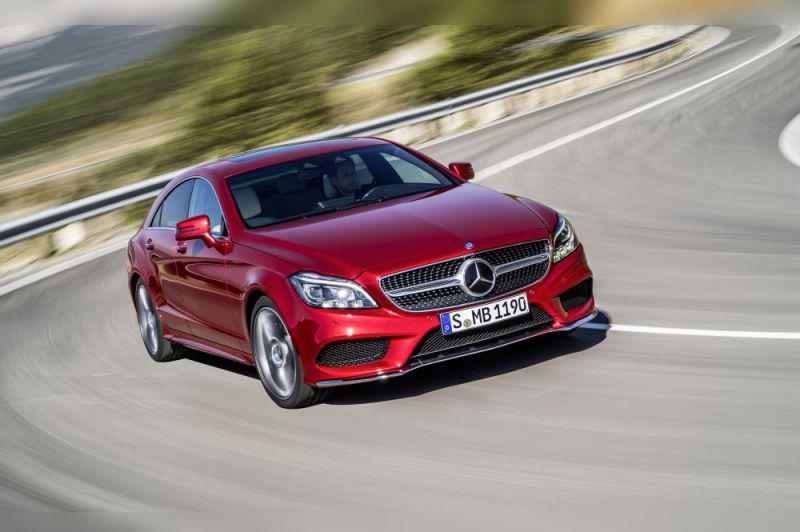
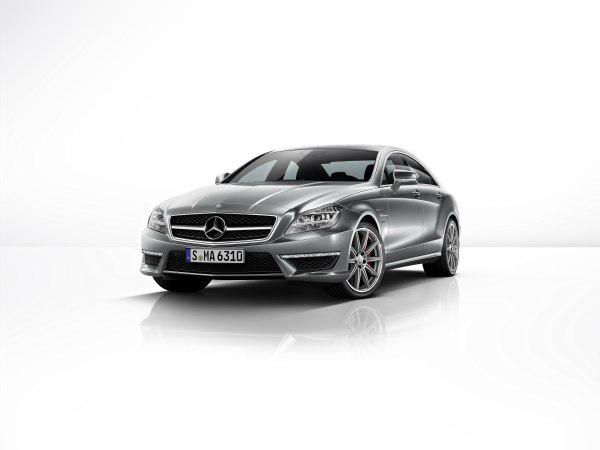
The engine designated as M 157.981 is AMG’s legendary 5.5‑liter V8 BiTurbo gem that succeeded the naturally aspirated 6.2 V8 (M156). It was mainly installed in the facelift versions of the E‑Class (W212/S212) and CLS (C218/X218) from 2013 to 2018. The “63 AMG” badge on the trunk in this generation actually hides a 5.5‑liter engine, but with two turbochargers that deliver a massive 720 Nm of torque. This engine marks AMG’s transition into the turbo era, combining monstrous power with somewhat more acceptable fuel consumption when cruising compared to its predecessor. However, owning such an engineering masterpiece requires deep pockets and strict discipline when it comes to maintenance.
Technical specifications
| Engine code | M 157.981 |
| Displacement | 5461 cc (5.5 L) |
| Power | 410 kW (557 HP) |
| Torque | 720 Nm |
| Injection type | Direct injection (CGI - Piezo) |
| Charging system | BiTurbo with intercooler |
| Fuel type | Petrol (minimum 98 RON) |
Reliability and maintenance
Timing belt or chain?
This engine uses a timing chain to drive the camshafts. Unfortunately, the chain and related components (tensioners, guides and camshaft phase variators – so‑called phasers) are also the Achilles’ heel of this engine. Over time the chain stretches and the mechanism inside the phasers wears out.
Most common failures
Besides the timing system mentioned above, one of the most critical failures is oil leakage at the camshaft magnets (sensors). Pressurized oil passes through the connectors and by capillary action travels through the engine wiring all the way to the ECU. Symptoms include diagnostic trouble codes and rough running, and if the oil reaches the ECU, the cost is enormous. The recommendation is to install modified (protective) leads (“pigtails”). In addition, there are issues with water pumps and the high‑pressure fuel pump.
Major service and oil changes
On M157 engines, a classic “major service” is not done at a fixed mileage, but chain and phaser replacement awaits you somewhere between 100,000 and 150,000 km. A rattling noise from the chain on cold start (lasting 2–3 seconds) is a clear sign that it’s time for intervention. This is very expensive (depends on the market). As for oil, the engine takes a massive 8.5 liters of oil. The recommended viscosity is 5W‑40 or 0W‑40 with MB 229.5 specification. The change interval should never exceed 10,000 km or one year.
Oil consumption
Yes, this V8 BiTurbo consumes oil between services, and that is structurally completely normal. An amount of around 1 liter per 3,000 to 5,000 km is considered the upper limit of normal under more dynamic driving. If the engine consumes 1 liter per 1,000 km, that is a warning sign (possible turbocharger issues or cylinder wall damage – Alusil coating).
Spark plugs and coils
Since this is a high‑performance petrol engine with direct injection, spark plugs must be replaced every 60,000 km or every 4 years. If this is neglected, the engine will start to hesitate under full throttle, and a faulty spark plug can easily damage the ignition coil and even lead to more serious damage inside the cylinder.
Specific parts and costs
Fuel injection system
The engine uses advanced direct injection via piezo injectors, supplied by a high‑pressure fuel pump (HPFP). The injectors are long‑lasting but very sensitive to poor‑quality fuel. A bad injector can “dribble” (fail to close completely), wash the oil off the cylinder walls and eventually cause the engine to seize. Overhauling piezo injectors is problematic, so they are usually replaced with new ones, which is extremely expensive (depends on the market).
Turbochargers
The engine has two turbochargers (BiTurbo). Their service life is excellent if you change the oil regularly and avoid switching the engine off immediately after hard driving (it needs a couple of minutes idling to cool the turbos). At mileages over 150,000 km, you may get play in the wastegate flaps (“wastegate rattle”) and slight oil seepage at the seals.
DPF, EGR and AdBlue
Since this is a petrol engine, it HAS NO DPF filter, NO EGR valve in the diesel sense and NO AdBlue system. Emissions are controlled by catalytic converters and a secondary air system. Catalytic converters can wear out (or burn out) due to aggressive “pop and bang” software.
Fuel consumption and performance
Real‑world fuel consumption
In city driving in stop‑and‑go conditions, expect consumption between 18 and 22 l/100 km. If you try to exploit the full 557 HP potential at every traffic light, that figure will go well above 25 liters.
Performance and driving characteristics
Is the engine lazy for such a heavy body (around 2 tons)? Absolutely not. With a massive 720 Nm of torque available from very low revs (from 1750 rpm), the car accelerates violently in every gear. On the motorway, at 130 km/h, the engine cruises at a very relaxed ~1,900–2,000 rpm (in 7th gear). Fuel consumption on the open road at these speeds is quite reasonable for a V8, at between 11 and 13 l/100 km.
Additional options and modifications
LPG installation
Is the M157 suitable for LPG? Plain and simple: NO. This is a high‑pressure direct‑injection engine with two turbochargers. Installing LPG on such a unit is a technological nightmare, degrades performance, is extremely expensive and completely defeats the purpose of an AMG vehicle. If you are thinking about LPG, this is not the car for you.
Remapping (Tuning Stage 1)
This engine is every tuner’s dream. With just a remap of the ECU software (Stage 1), power can very safely (provided the engine is in top condition) be raised from the stock 557 HP to 650 to 680 HP, while torque goes beyond 850 Nm. The stock components and transmission (with appropriate transmission software adaptation) can withstand this load without major issues.
Transmission and drivetrain
Transmission type and clutch
With this engine there is no manual gearbox. It is paired exclusively with the AMG SPEEDSHIFT MCT (Multi‑Clutch Technology) 7‑speed transmission. Although it behaves like an automatic, this gearbox does not have a traditional torque converter, but uses a so‑called wet multi‑plate clutch (start‑up clutch) for take‑off. Thanks to this, there is no conventional dual‑mass flywheel as in a manual, but the wet clutch system is exposed to heavy wear during aggressive launches (Race Start). Replacing this clutch is very expensive (depends on the market).
Transmission maintenance and failures
Oil and filter in the MCT gearbox MUST be changed every 50,000 km. If maintenance is neglected, the first symptoms are harsh engagement into first gear, shuddering when coming to a stop and jerking between first and second gear. Sometimes these jerking symptoms can be resolved by re‑adapting the transmission software at a specialist with the proper diagnostics, but if the clutch packs are worn, the gearbox has to be disassembled.
Buying used and conclusion
What exactly to check before buying?
When inspecting an E63 or CLS63 AMG with this engine, the rules are strict:
- Cold start: Ask the seller not to start the car before you arrive. Open the hood, stand next to the engine and have someone crank it. If you hear a metallic rattle (like a metal chain hitting plastic) lasting a few seconds, the car needs a complete timing system replacement (chain and phasers).
- Connector inspection: Unplug the connectors from the camshaft magnet sensors at the front of the engine. If there is oil inside them, be aware that the wiring harness is already compromised.
- Dedicated diagnostics (XENTRY/STAR): Check the fuel rail pressure (HPFP), injector corrections and misfires on the cylinders. Misfires can indicate a compression issue.
- Suspension and brakes: 4MATIC models are heavy. Check the wear on the huge brake discs, whose replacement is very expensive (depends on the market).
Conclusion
The M 157.981 (5.5 V8 BiTurbo) engine is one of the most fascinating and capable engines in its class. It offers its owners supercar performance wrapped in a luxury sedan or estate body. However, this is an engine for enthusiasts who understand (and can afford) top‑tier, regular maintenance. Buying a neglected example “on the edge of your budget” is a guaranteed path to financial ruin, as repairs cost as much as a small used car. If you find a car with a proper service history where the chains and sensors have already been taken care of, you will get a machine that puts a smile on your face every time you press the accelerator pedal.