Mercedes-AMG M 177.980 (4.0 V8 BiTurbo 510 hp) – Experiences, problems, fuel consumption and buying used
Key points (TL;DR):
- Devastating V8: One of the best modern V8 engines. With 510 hp and 700 Nm, performance is brutal, and the sound (especially before 2018) is phenomenal.
- "Hot V" turbochargers: Two turbos are placed inside the engine’s "V". Excellent throttle response, but it generates extreme heat that over time affects rubber and plastic hoses.
- Very expensive maintenance: Forget about saving money. Tires, brakes (especially ceramics) and regular servicing are very expensive (Depends on market).
- MCT gearbox: No classic torque converter, but a wet start-up clutch instead. It requires regular oil changes (every 50,000 km) to avoid jerking.
- No LPG: Installing LPG is technical and logical suicide for this engine.
- OPF filters: Facelift models (2018+) have gasoline particulate filters that slightly mute the sound compared to earlier versions.
Contents
- Introduction: What is M 177.980?
- Technical specifications
- Reliability and maintenance
- Specific parts and costs
- Fuel consumption and performance
- Additional options and modifications
- Gearbox (SPEEDSHIFT MCT)
- Buying used and conclusion
Introduction: What is M 177.980?
When Mercedes-AMG decided to retire the legendary naturally aspirated 6.2-liter V8, many were skeptical. However, the 4.0-liter BiTurbo V8 with the code designation M 177 quickly silenced the critics. The specific version M 177.980 denotes the "S" variants of the models, which deliver a round 375 kW (510 hp) and a massive 700 Nm of torque.
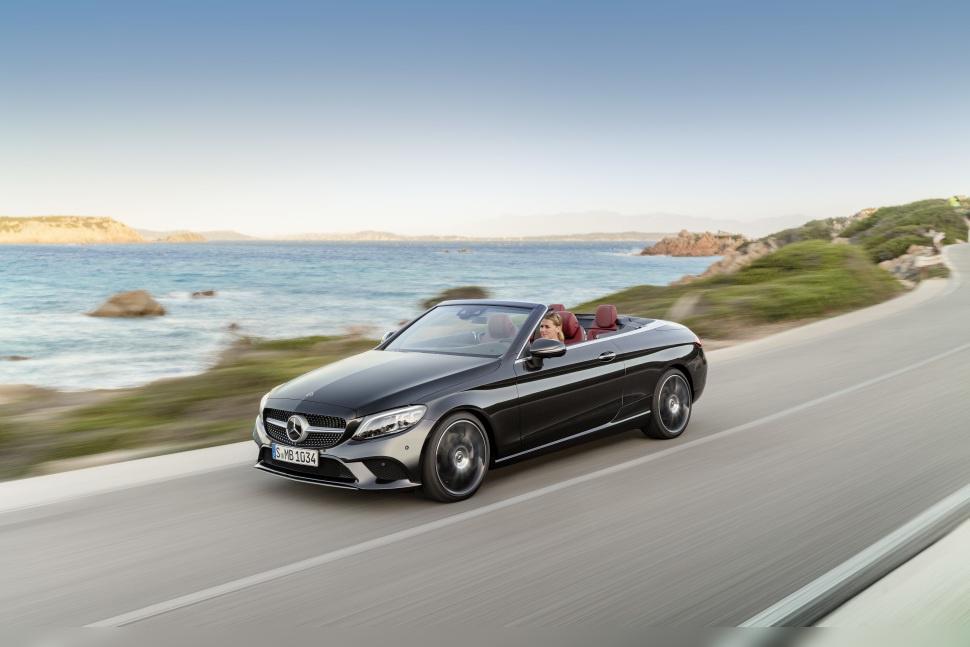
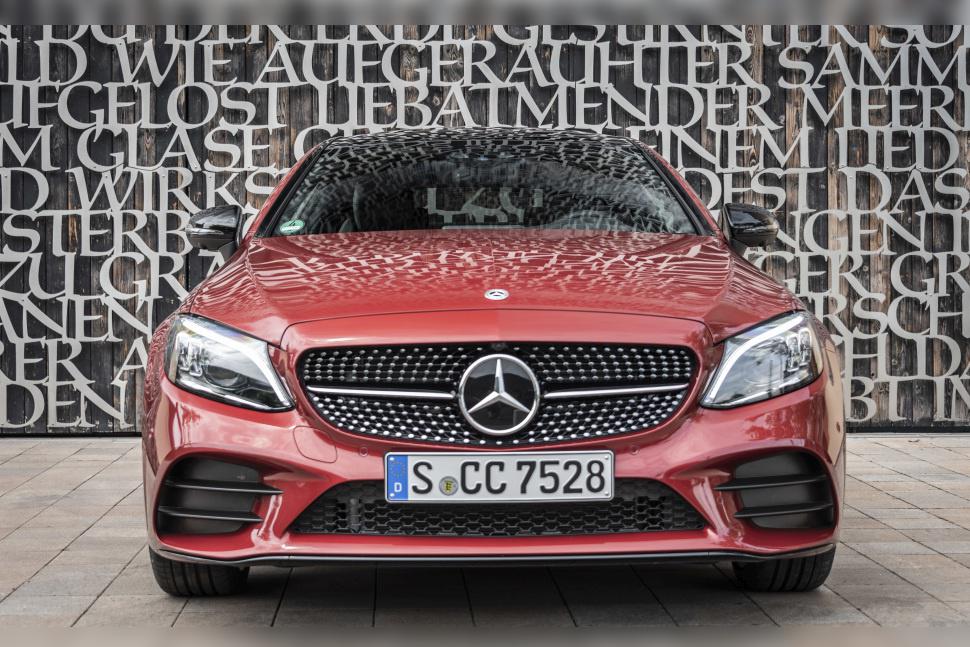
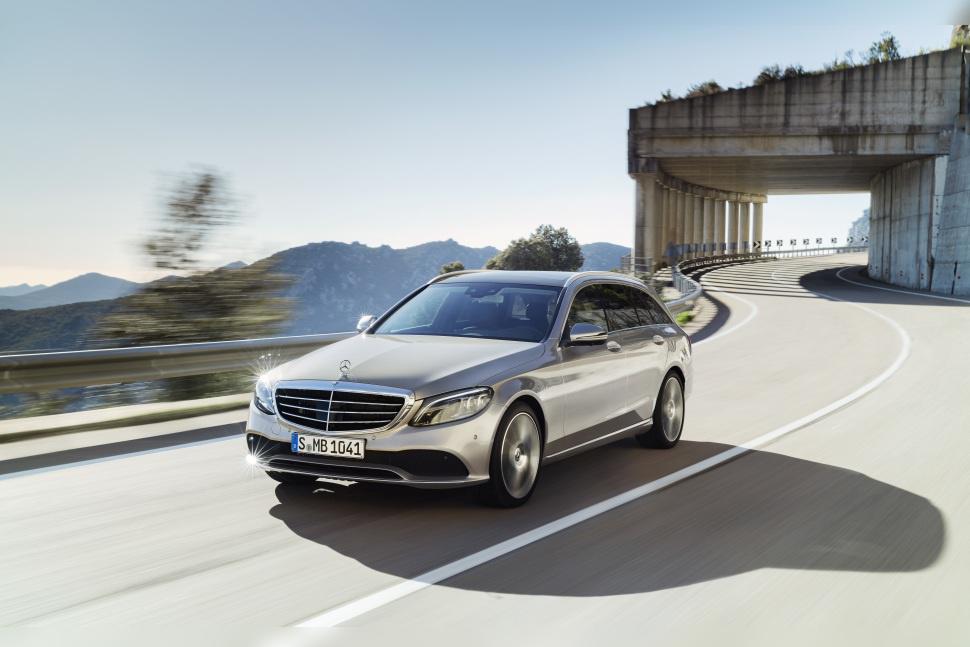
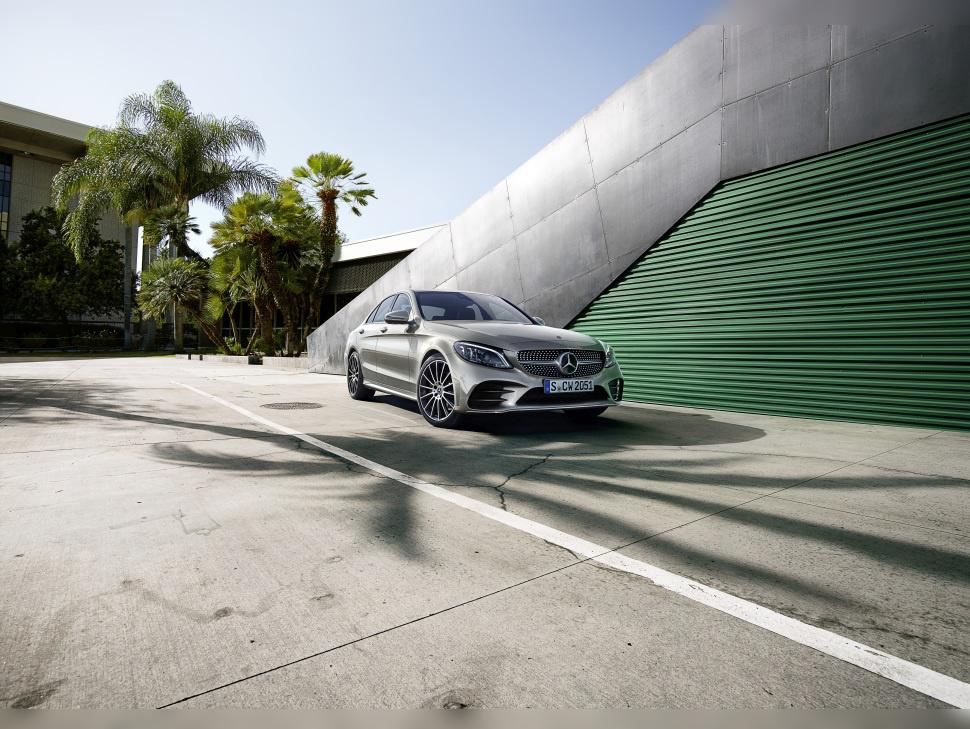
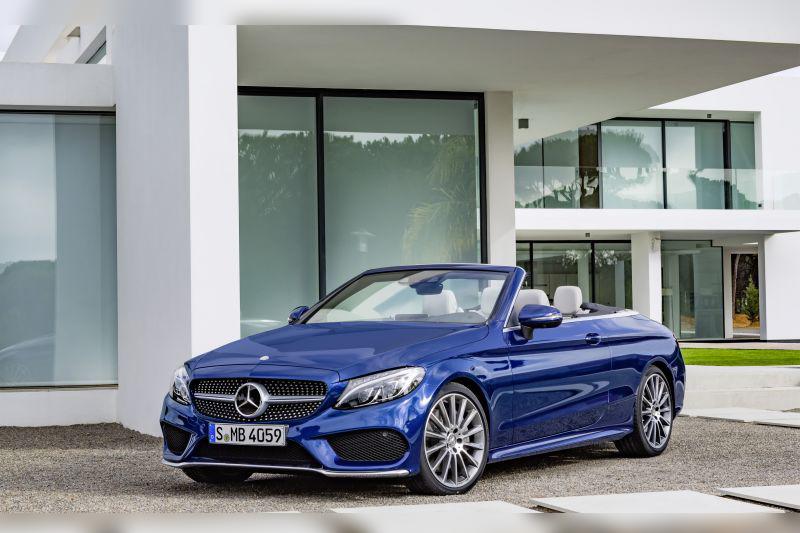
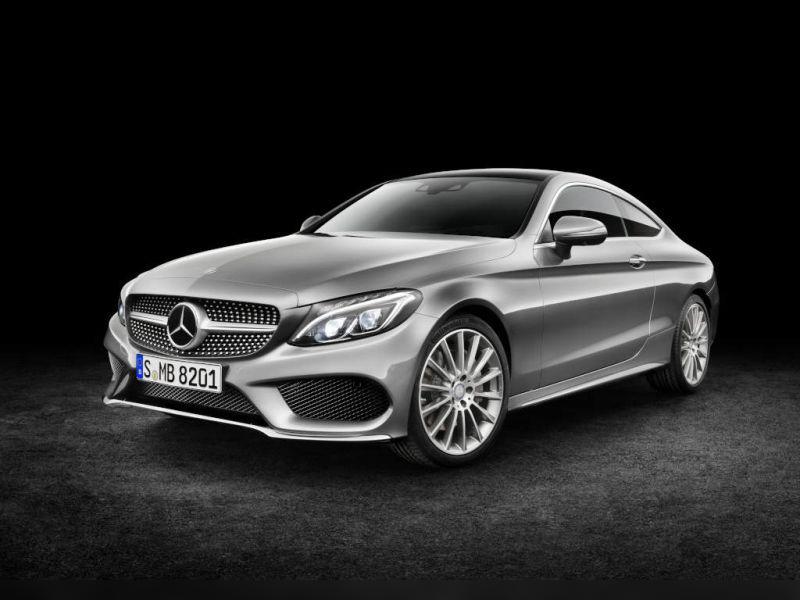
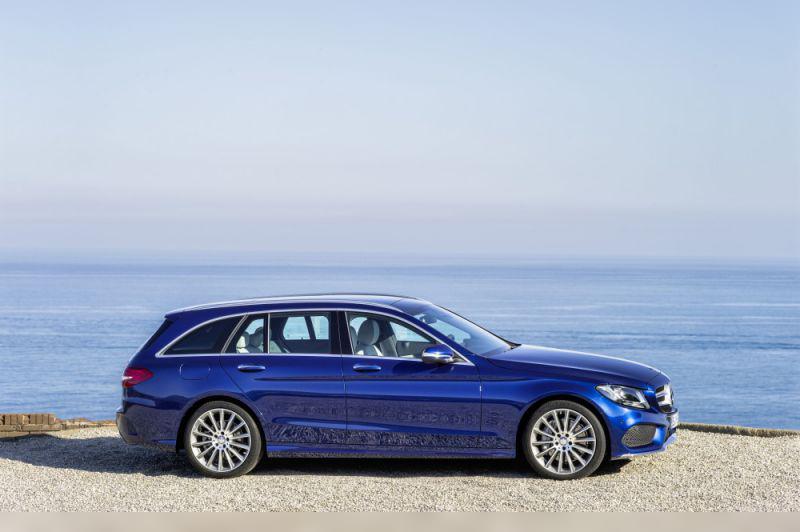
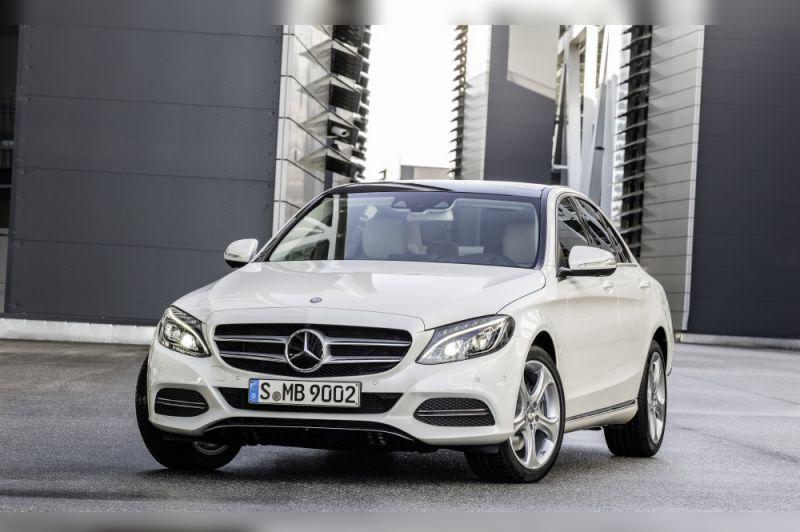
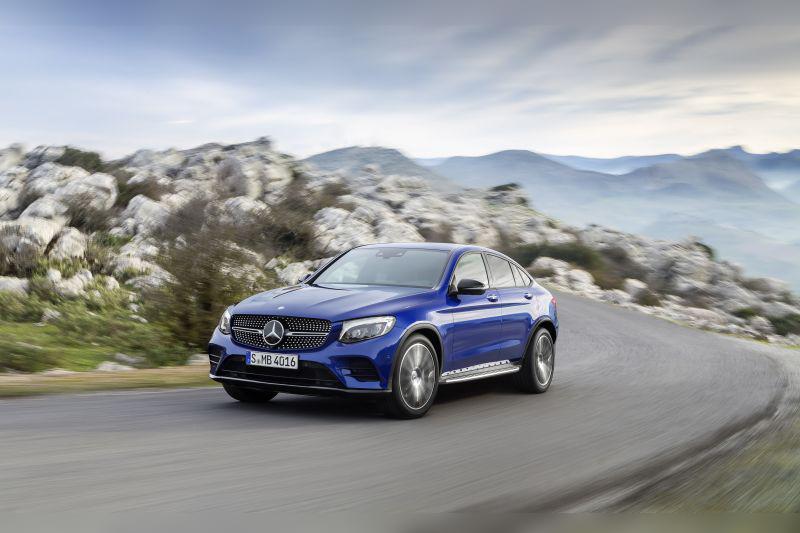
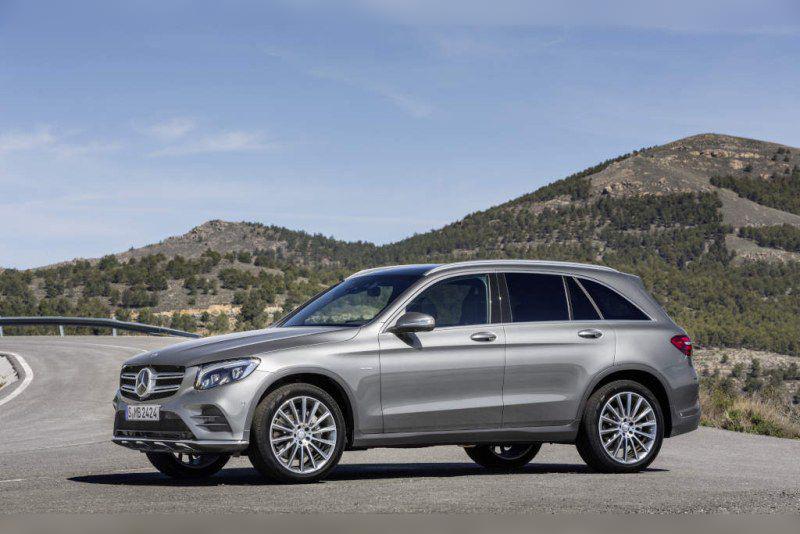
This powerplant was installed in top models from Affalterbach, including the C-Class (W205 sedan, S205 wagon, C205 coupe and A205 cabriolet) and GLC models (X253 SUV and C253 Coupe). It can be rear-wheel drive only (on the C-Class) or advanced 4MATIC+ (on the GLC). The engine is a true piece of engineering art, designed for the track but civilized for everyday use – although that "civility" comes with a high maintenance price.
Technical specifications
| Parameter | Data |
|---|---|
| Displacement | 3982 cc (4.0L) |
| Power | 375 kW (510 hp) |
| Torque | 700 Nm |
| Engine codes | M 177.980 |
| Injection type | Direct injection (Piezo injectors) |
| Turbo/Naturally aspirated | BiTurbo (Hot V configuration) with intercooler |
Reliability and maintenance
Chain, not belt
Like every thoroughbred AMG engine, the M 177 uses a timing chain instead of a timing belt. The timing system is extremely robust and does not fail easily. However, the engineers placed the chain at the rear of the engine (towards the gearbox). If chain stretch or guide damage ever occurs, the repair requires engine removal, which is very expensive (Depends on market). That’s why regular oil changes are imperative.
Oil and service intervals
This V8 takes an impressive 9 liters of oil. The recommended grade is usually 0W-40 or 5W-40 that strictly meets Mercedes specifications (MB 229.5 or newer). Although the factory may state longer intervals, any experienced mechanic will tell you that on an engine like this the oil should be changed every 7,500 to 10,000 km at most. High temperatures "burn off" the oil’s properties very quickly.
As for oil consumption between services, AMG engines of this type normally burn a certain amount, especially with spirited driving. Consumption of 0.3 to 0.8 liters per 1000 km can be considered acceptable by factory standards, but in normal use it should be significantly less. If it consumes more than a liter, the likely culprits are piston rings, the PCV valve or turbocharger seals.
Spark plugs and the "Major service"
The classic "major service" (timing belt and water pump replacement) does not exist here, but a major cost is the replacement of spark plugs and coils. Due to the enormous pressures and temperatures in the combustion chambers, spark plugs must be replaced every 30,000 to a maximum of 50,000 km. If the engine starts to "hesitate" under full throttle, the coils are usually the first to blame.
Most common failures
This engine is generally one of the more reliable in its class, but it has weak points:
- Ignition coils: They fail quickly due to the enormous heat. Symptom: Misfire under hard acceleration and a Check Engine light.
- PCV valve (crankcase ventilation/oil separator): It often fails, which leads to increased pressure in the crankcase. Consequence: Severe oil leak at the rear main seal.
- Exhaust flap actuators: Due to soot and temperature, the motors that open and close the exhaust flaps often seize, causing an unpleasant metallic rattling noise.
Specific parts and costs
"Hot V" turbochargers and their health
The engine has two turbochargers located inside the V of the cylinders. Advantage? Turbo lag is practically non-existent, the engine responds insanely fast. Disadvantage? Heat. In that part of the engine, temperatures reach extreme levels. The life span of the turbos is solid (they often go over 150,000 km without issues), but the surrounding plastic, vacuum hoses and wiring gradually become brittle and crack. Rebuilding or replacing the turbos is expensive (Depends on market).
Fuel injection system and emissions
The direct injection system uses advanced Piezo injectors. They are not chronically problematic, but they require only top-quality high-octane fuel (minimum 98, ideally 100 octane).
Since this is a gasoline engine, it does not have a DPF filter, nor does it use AdBlue. The EGR function is handled internally via variable valve timing. However, it is important to note a key difference: Models produced from 2018 onwards (facelift) are equipped with OPF (Otto Particulate Filter / GPF) filters. These filters reduce particulate emissions but significantly "muffle" that famous AMG sound, which is why older models often hold a stronger price on the used market.
Fuel consumption and performance
Real-world fuel consumption
Let’s be honest: buyers of this car rarely look at the trip computer to save fuel. In pure city driving, real-world consumption ranges from 18 to 22 l/100 km. If you have a heavy right foot, the figure easily exceeds 25 liters. On the highway things are more civilized.
Driving experience: "Laziness" and highway
The question of whether this engine is "lazy" for the body it’s installed in is almost comical. Whether it’s in the C-Class (around 1.7 tons) or the heavier GLC (over 2 tons), the 510 hp and 700 Nm available from just 1,750 rpm make it a catapult. Throttle response is instant and brutal.
Out on the highway, this is a top-class GT cruiser. Thanks to the 9-speed gearbox (on newer models), at 130 km/h the engine "sleeps" at a comfortable 1,800–1,900 rpm. At that point it’s quieter and fuel consumption drops to a tolerable 10–12 l/100 km.
Additional options and modifications
LPG installation
No. Under no circumstances. Installing LPG on an AMG M 177 engine with direct Piezo injection is a guaranteed way to destroy the engine. Besides the technical impracticality and the extreme operating temperatures that LPG further increases, it completely kills the whole point of owning an AMG.
Chiptuning (remapping)
This is where the M 177 absolutely dominates. The factory has heavily detuned it, so the power reserves are huge. A simple Stage 1 remap (only ECU software changes, no mechanical modifications) safely raises power to over 600 hp and 800–850 Nm of torque. The engine block ("closed-deck" design) and forged crankshaft handle this without any stress, provided that a quality TCU (gearbox software) remap is also done so that the clutch can cope with the extra load.
Gearbox: SPEEDSHIFT MCT (Problems and maintenance)
What kind of gearbox is it?
This model does not come with a manual gearbox. It is paired exclusively with the AMG SPEEDSHIFT MCT (Multi-Clutch Technology) gearbox. Before the facelift (up to 2018) a 7-speed version was used, while facelift models received a more modern 9-speed MCT.
"Dual-mass flywheel" and clutch kit?
The MCT gearbox does not have a classic torque converter nor a standard dual-mass flywheel with a dry clutch like a manual. Instead, it uses a special wet start-up clutch immersed in oil. This allows for faster gearshifts and launch control performance, but the cost of replacing this clutch pack if it burns out due to aggressive driving is very high (Depends on market) and is measured in thousands of euros.
Servicing and failures
The most important maintenance item: The gearbox oil must be changed at a maximum of every 50,000 km. No exceptions.
As for failures, the gearbox mechanics are robust, but owners often complain about a harsh shift (jerk) from second to first gear when coming to a stop, especially on 7-speed gearboxes. This is most often resolved by software calibration (adaptation) at an authorized service center. If the jerking and slipping remain, it’s a sign that the start-up clutch plates are worn.
Buying used and conclusion
What to check before buying?
Buying a C63 S or GLC 63 S without a top-notch mechanic and diagnostics is Russian roulette. Be sure to pay attention to the following:
- Cold start: The engine should fire up aggressively but smoothly. If you hear metallic scraping for a second or two from the rear of the engine, the chain and tensioners are due for replacement.
- Oil traces under the engine: Check the joint between engine and gearbox. If it’s oily, the rear main seal has failed (the gearbox has to come off, labor is very expensive).
- Condition of the radiators: Behind the front bumper are massive radiators. Leaves, small stones and debris often accumulate there, which leads to poorer cooling of the intercooler and engine.
- Blue or white smoke from the exhaust: Any smoke after revving and letting off the throttle indicates dead turbos or worn piston rings.
- Gearbox in city driving: At low "stop-and-go" speeds, the gearbox must downshift smoothly. It must not slam into your kidneys when stopping at traffic lights.
Final verdict: Who is it for?
The M 177.980 engine is a masterpiece of modern engineering which, in the C63 S package, offers supercar performance in the body of an everyday car. It is intended for enthusiast drivers who understand that tires last 10,000 km, that registration and insurance cost a small fortune, and that service intervals must not be exceeded even by a day. If you’re looking for economy or "fill it up and forget it" reliability, this is absolutely not the engine for you. But if you’re after a grin from ear to ear every time you press the throttle and hear the thunder from the exhaust – there is nothing quite like it on the market.