Engine M 177.980 (612 hp): Experiences, problems, fuel consumption and used car buying tips
- Extreme performance: 612 hp and 900 Nm make it one of the most powerful production V8 engines.
- Hot-V technology: Two turbochargers are placed inside the V-block, which guarantees response without turbo lag, but generates enormous heat.
- Maintenance is very expensive (Depends on the market). It requires top-quality oil and shortened change intervals.
- Timing chain drive: There is no classic major service with a timing belt, but replacing the timing system at high mileage requires removing the engine.
- No LPG installation: Direct injection and high operating temperatures absolutely rule out the option of LPG conversion.
- Transmissions: Only nine-speed AMG automatics are used (MCT with wet clutch or TCT with torque converter), depending on the model.
Contents
- Introduction: The beast from Affalterbach
- Technical specifications
- Reliability and maintenance
- Specific parts and costs
- Fuel consumption and performance
- Additional options and modifications
- Transmission and drivetrain
- Buying used and conclusion
Introduction: The beast from Affalterbach
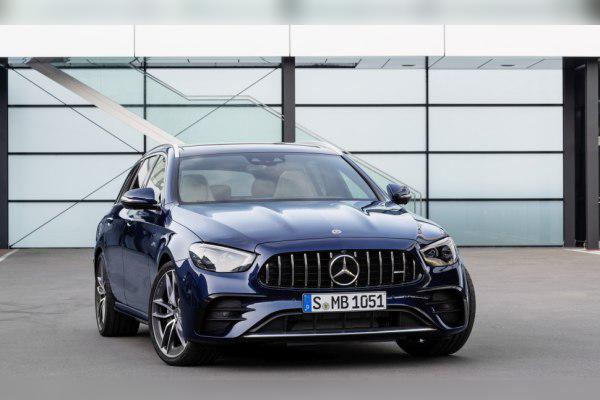
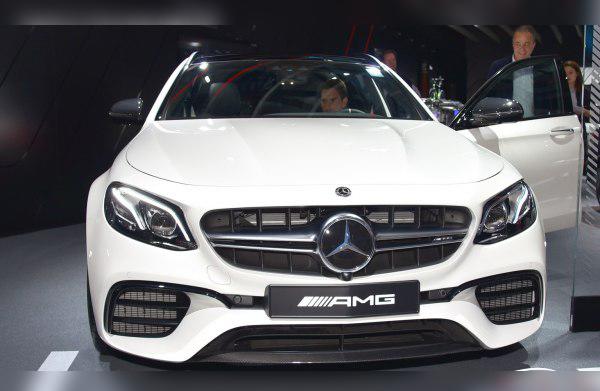
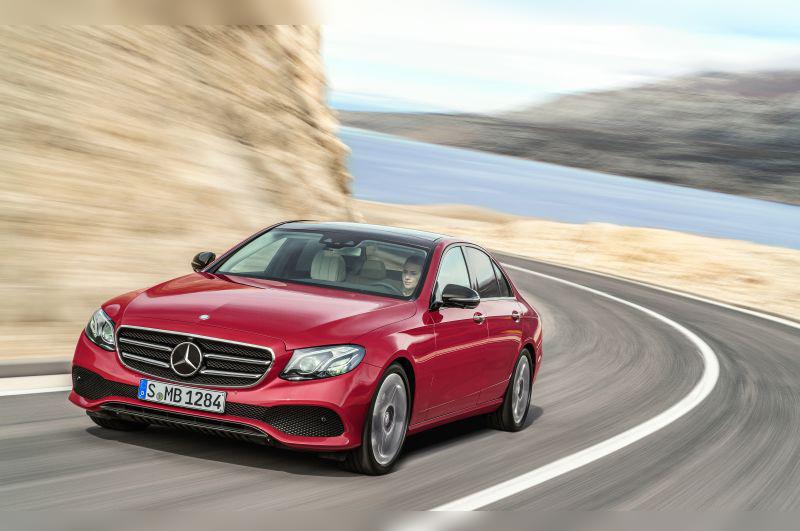
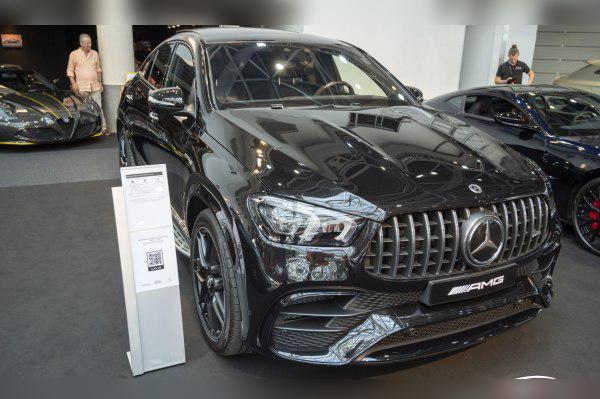
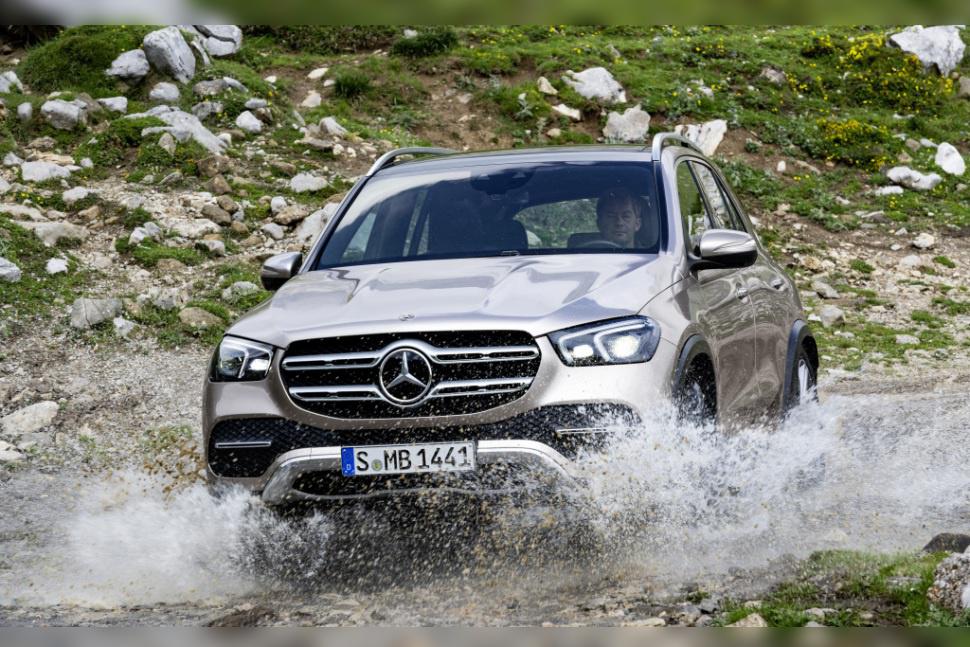
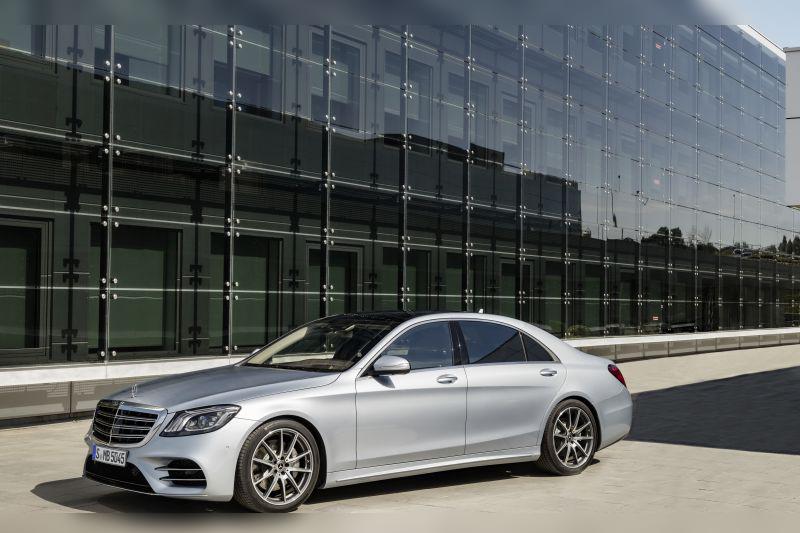
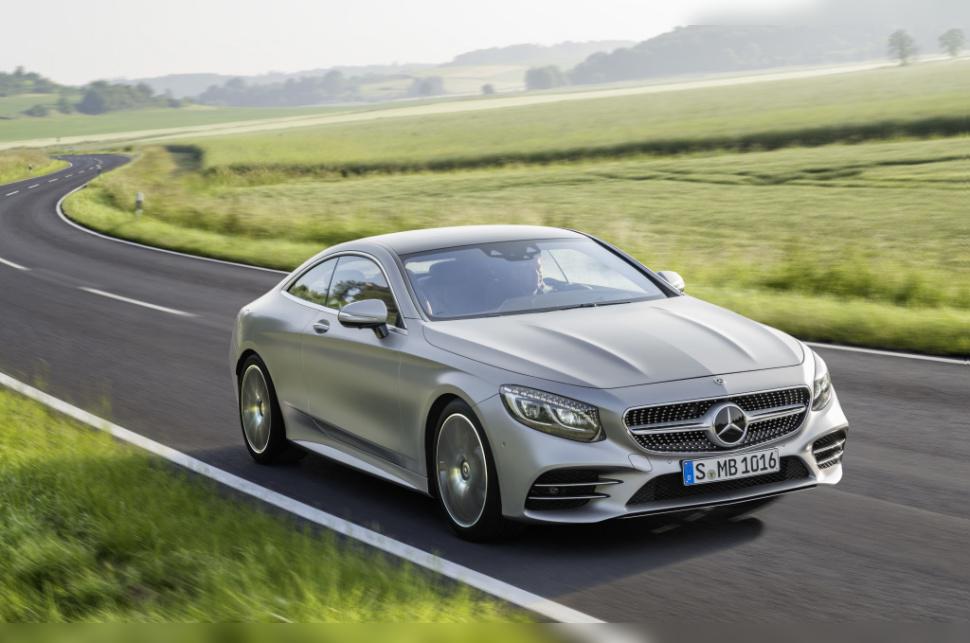
When we talk about modern engineering, the M 177.980 engine represents the pinnacle of what Mercedes-AMG offers on the European and global market. This 4.0-liter V8 BiTurbo unit produces a brutal 612 hp (450 kW) and is installed in the most prestigious models such as the E 63 S, GLE 63 S, GLS 63 and S 63. Assembled according to the "One Man, One Engine" principle, this block offers supercar performance in the body of family estates, luxury sedans and heavy SUVs. However, owning such an engineering masterpiece also carries great responsibility when it comes to maintenance.
Technical specifications
| Parameter | Data |
|---|---|
| Engine displacement | 3982 cc (4.0L) |
| Power | 450 kW (612 hp) |
| Torque | 900 Nm |
| Engine code | M 177.980 |
| Injection type | Direct (Piezo injectors) |
| Charging type | BiTurbo (twin-scroll, Hot-V) + intercooler |
| Fuel type | Petrol (Minimum 98 octane) |
Reliability and maintenance
Powertrain: Chain or belt?
This engine uses a massive timing chain, not a timing belt. The system is located at the rear of the engine (towards the cabin). A classic "major service" in the sense of belt replacement is not performed. The chain is designed to last as long as the engine itself, but due to aggressive driving and irregular oil changes, the tensioners can give up at mileages over 150,000 km. If the chain stretches, the repair involves removing the entire engine, which is very expensive (Depends on the market).
Most common failures
Although the crankshaft, pistons and block are extremely durable, the peripherals suffer due to extreme temperatures. The most common problems are ignition coils, which tend to fail because of the heat, as well as the PCV valve (crankcase ventilation system). If the PCV valve fails, crankcase pressure rises, which leads to oil leaks at the crankshaft seals. Also, plastic junctions and coolant hoses become brittle over time due to the “baking” under the hood.
Oil and regular servicing
The oil pan of this V8 engine holds about 9 liters of oil. Only top-quality synthetic oil of grade 0W-40 or 5W-40 that meets MB 229.5 (or 229.51 for models with OPF filter) is recommended. Oil change intervals must be shortened – forget the factory 20,000 km; the oil should be changed at a maximum of 10,000 km or once a year. As for oil consumption, it is normal for an AMG V8 engine to "drink" between 0.5 and 0.8 liters per 1000 km if you drive it hard, especially on the motorway or track. This is not a sign of failure, but a consequence of ring tolerances designed for high loads.
Spark plugs
As a high-performance petrol engine with direct injection, the M 177.980 is merciless to spark plugs. They must be replaced every 40,000 to 50,000 km. If you ignore this, you risk misfires, which immediately damage the expensive coils and catalytic converters.
Specific parts and costs
Fuel injection system
The engine uses a sophisticated direct injection system with high-pressure Piezo injectors. The injectors are generally very reliable and rarely cause problems if quality fuel is used (minimum 98 octane). If, due to poor fuel, an injector starts to overfuel, it can wash the oil off the cylinder walls and cause catastrophic engine damage. Replacing the injectors is expensive (Depends on the market).
Turbochargers (Hot-V configuration)
The engine has two twin-scroll turbochargers located inside the "V" angle of the cylinders (Hot-V). The advantage is minimal lag and incredible throttle response. The downside? Extreme heat. The turbochargers themselves have a long service life (easily over 150,000 km), but *only* if you follow the rules: warming up the engine before hard driving and mandatory idling for a few minutes after pushing it hard. The oil feed lines to the turbos tend to coke up from the heat, which stops lubrication and destroys the turbochargers, and their replacement is very expensive (Depends on the market).
Emissions (DPF, EGR, AdBlue)
Since this is a petrol engine, it does not have a classic DPF filter or AdBlue system. It also does not have a classic external EGR valve that would clog with soot in the way it happens on diesels; internal gas recirculation is regulated by variable camshaft timing (VVT). However, models produced after 2018/2019 for the European market are equipped with an OPF/GPF filter (Gasoline Particulate Filter) in the exhaust in order to meet Euro 6d standards. This filter slightly kills the sound compared to older versions, but rarely causes problems if the car is occasionally driven hard on open roads.
Fuel consumption and performance
City and highway driving
Real-world fuel consumption in city traffic jams rarely drops below 18 to 22 l/100 km, and with harder launches from traffic lights it can go significantly higher. On open roads and when cruising, the engine uses a cylinder deactivation system (it shuts down 4 cylinders under light load), so consumption on main roads can drop to 10–12 l/100 km.
Performance and driving behavior
The question of whether this engine is "lazy" is completely pointless. With 900 Nm of torque available from low revs, this unit catapults even the heaviest models such as the Mercedes GLS (which weighs over 2.5 tons) to 100 km/h in just over 4 seconds (the E 63 S sedan does it in an incredible 3.4 s). The engine is not in the least strained by the weight of the body.
Motorway and cruising
On the motorway, this engine rules the fast lane. Thanks to the nine-speed gearbox, at 130 km/h the engine cruises at a very relaxed 1,800 to 2,000 rpm (depending on the final drive ratio of the specific model). Power reserves at these speeds are such that any overtaking requires only a millimetric press of the accelerator pedal.
Additional options and modifications
LPG installation
Short and clear: NO. Installing LPG on the M 177.980 is technically extremely complicated due to the complex direct injection system, monstrous power and high operating temperatures. Even if you manage to find a specialist willing to attempt this experiment, you risk destroying the engine. If fuel consumption bothers you, this engine is definitely not for you.
Chiptuning (Tuning / Stage 1)
This is an engine tuners love. The M 177.980 is electronically detuned by the factory in certain aspects. With a safe Stage 1 ECU remap (without any mechanical changes), this unit easily jumps from 612 hp to an incredible 700 to 730 hp, with torque exceeding 1000 Nm. However, keep in mind that such a modification further stresses the transmission and differentials.
Transmission and drivetrain
Types of transmissions
Forget about a manual gearbox; all that power would destroy a human-operated clutch in a matter of days. Only 9-speed AMG automatics are installed, but with an important difference depending on the car model:
- AMG SPEEDSHIFT MCT 9G: (Installed in the E-Class and S-Class). This is not a gearbox with a classic dual-mass flywheel and torque converter. MCT (Multi-Clutch Technology) uses a wet clutch pack for take-off. It enables brutally fast gear changes and a sharper response, but can be slightly jerky when crawling in city traffic (stop-and-go driving). Replacing this clutch pack when it wears out is very expensive (Depends on the market).
- AMG SPEEDSHIFT TCT 9G: (Installed in heavier SUV models – GLE and GLS). TCT (Torque Converter Technology) uses a classic but reinforced torque converter. It is much smoother for heavy vehicles, can withstand enormous loads and is easier to maneuver in the city, even though gear changes are a microsecond slower.
Transmission maintenance
Regular transmission servicing is absolutely critical. The oil and filter in these gearboxes, especially in the 4MATIC+ drivetrain system, must be changed at a maximum of 50,000 to 60,000 km. Transmission failures are rare if the "Launch Control" (Race Start) option is not abused too often, but if a failure occurs in the mechatronics or clutch assembly, repairs are extremely expensive.
Buying used and conclusion
What must be checked?
When buying a used car with the M 177.980 engine, leave your heart at home and bring top-notch diagnostics. Be sure to check the following:
- Cold start: The engine must start without metallic rattling (rattling indicates a problem with the chain tensioners).
- Exhaust smoke: Bluish smoke after the car idles for a few minutes and then you rev it usually means that the valve stem seals or the turbochargers themselves have started to leak oil.
- Service history: If the car does not have documented oil changes every 10,000 km, turn around and walk away. This engine absolutely needs fresh "blood".
- Condition of brakes and suspension: Ceramic brakes (if the model is equipped with them) last extremely long, but their replacement is astronomically expensive (Depends on the market). Check the thickness and condition of the discs.
- Misfire: Use diagnostics to check whether the engine is registering errors on any cylinders, which may indicate worn coils or injectors.
Who is this engine for?
The Mercedes-AMG engine M 177.980 (612 hp) is not for everyone. It is intended for drivers with deep pockets who want race-car performance wrapped in luxury. This is an engineering marvel that devours motorway kilometers in complete silence, and at the press of a button turns into a wild beast. However, the cost of maintenance, registration, tires and fuel matches its pedigree. If you buy a well-maintained and verified example, it will provide you with unimaginable driving pleasure; if you buy a neglected one, it can financially ruin you.