Mercedes-Benz M 264 (2.0L, 197 hp) – Experiences, issues, fuel consumption and used-car buying tips
Key points in short (TL;DR)
- Timing chain drive: The timing system uses a chain, which is more reliable than its predecessors, but it should be inspected after 150,000 km.
- EQ Boost technology: The 48V mild-hybrid system reduces fuel consumption and eliminates turbo lag, but failures of the starter-generator (ISG) can be very expensive (Depends on the market).
- Not suitable for LPG: Due to high-pressure direct injection, LPG installation is uneconomical and technically risky.
- Excellent pairing with the gearbox: The 9G-TRONIC automatic works flawlessly and keeps revs very low on the motorway, provided you change the oil regularly.
- Oil consumption: Generally does not consume oil; if you notice oil loss, the problem is usually in the PCV valve or the turbocharger.
- Great balance: With 197 hp and 320 Nm of torque, this is the sweet spot for the heavy E-Class in everyday driving.
Contents
- Introduction: Get to know the M 264 engine
- Technical specifications
- Reliability and Maintenance
- Specific Parts and Costs
- Fuel Consumption and Performance
- Additional Options and Modifications
- Gearbox: 9G-TRONIC in focus
- Buying used and Conclusion
Introduction: Get to know the M 264 engine
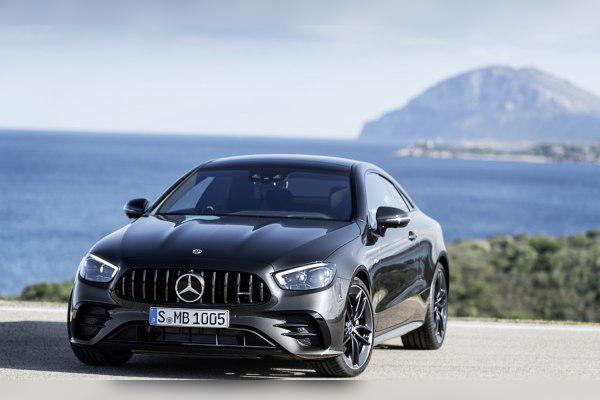
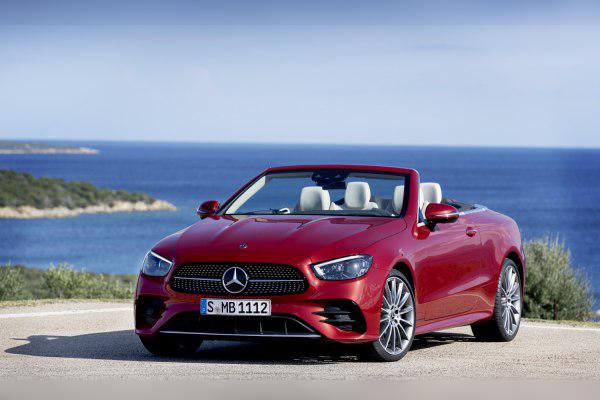
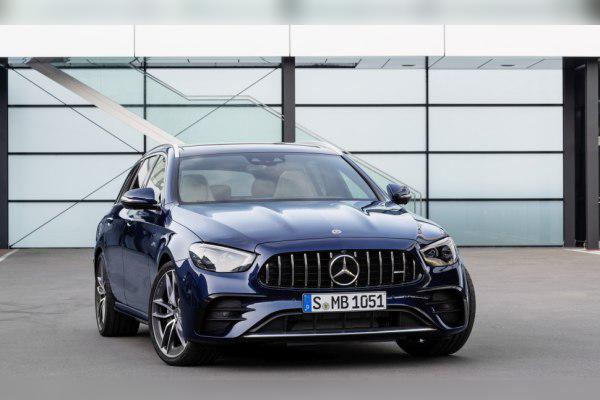
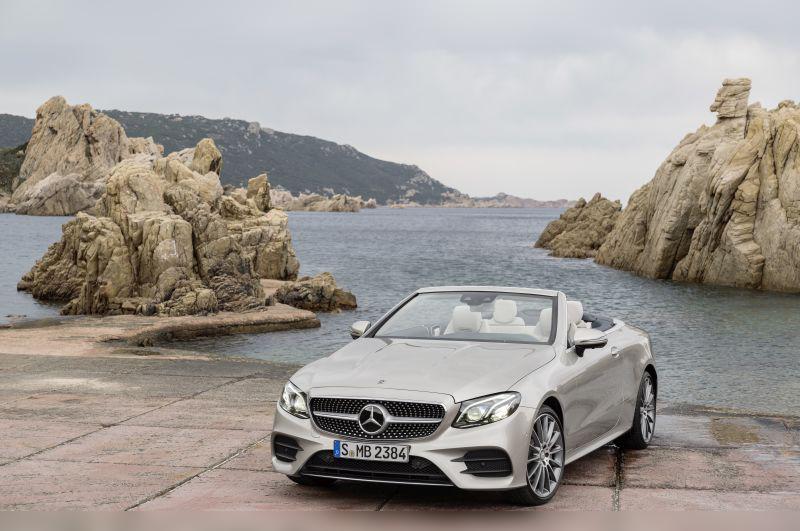
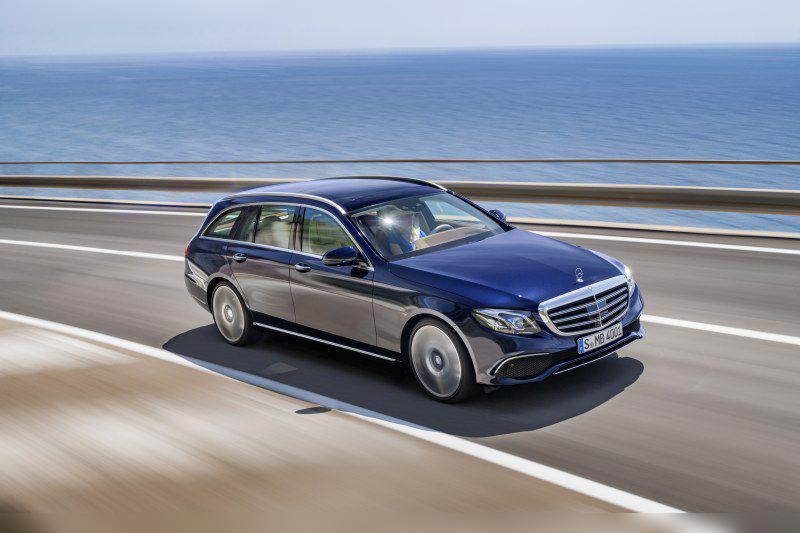
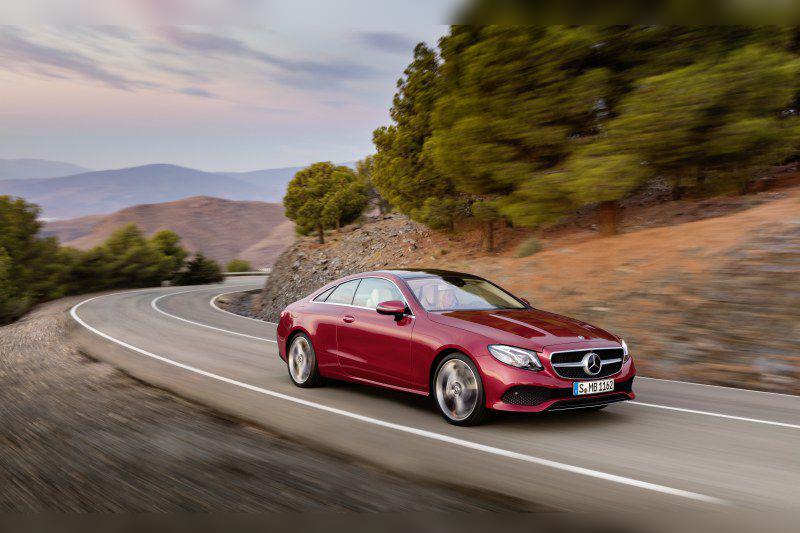
When Mercedes-Benz decided to retire the old M 274, the market needed an engine that would offer better power delivery, lower fuel consumption and stricter exhaust emission control. The result is the M 264, a 2.0-liter turbo petrol engine that was widely installed in the E-Class (W213 sedan, S213 estate, C238 coupe and A238 cabriolet), both before and after the 2020 facelift.
What makes this engine special in the E 200 version is the EQ Boost system. It is a 48-volt mild-hybrid with an Integrated Starter Generator (ISG). This system cannot drive the car on electricity alone, but it adds instant torque when setting off, takes over the role of the starter motor for a seamless start-stop system, and enables coasting with the engine off on open roads. As an experienced technical editor, I can tell you that in practice this engine behaves extremely smoothly, but it also brings the complexity of the modern era.
Technical specifications
| Characteristic | Data |
|---|---|
| Displacement | 1991 cc (2.0L) |
| Power | 145 kW (197 hp) @ 5500–6100 rpm |
| Torque | 320 Nm @ 1650–4000 rpm |
| Engine codes | M 264 E 20 DEH LA |
| Injection type | Direct injection |
| Turbo/Naturally aspirated | Twin-scroll turbocharger with intercooler |
Reliability and Maintenance
Powertrain: Chain or belt?
Like most modern Mercedes petrol engines, the M 264 uses a timing chain. Its design is significantly improved compared to the notorious M 271, so chain skipping issues are rare. However, the chain is not eternal. Workshop experience shows that the tensioners and guides start to show signs of fatigue after 150,000 to 200,000 km. That’s why at this mileage a preventive “major service” is recommended – replacement of the complete timing set. A symptom the driver may notice is a short metallic rattle during the first cold start in the morning, until the system builds up oil pressure.
Most common failures and early issues
This is generally a reliable engine, but its complexity sets the rules. The biggest concern for owners is the EQ Boost 48V system. Failures of the 48-volt battery itself or the Integrated Starter Generator (ISG) can leave you stranded with a dashboard message about a charging system fault. Repairing these components is very expensive (Depends on the market), and often the only solution is replacing the entire module, although “software bugs” are also common and authorized dealers sometimes fix them with a system update.
Mechanically, the engine suffers from carbon build-up on the intake valves, which is an inevitable consequence of direct injection, as petrol does not wash the valves. Every 80,000 to 100,000 km, walnut blasting of the intake is recommended to restore smooth running and optimal fuel consumption. There are also frequent issues with the PCV valve (oil vapor separator), which can lead to increased oil consumption and whistling noises in the engine bay.
Service intervals, oil and spark plugs
This engine block takes between 6.0 and 6.5 liters of oil. Fully synthetic oil with a viscosity of 5W-30 or 5W-40 is recommended, and it must comply with Mercedes specifications MB 229.51 or MB 229.52 (due to the GPF filter, which we’ll cover later). Unlike some competing engines, the M 264 is not known as an “oil burner”. A loss of 0.1 to 0.2 liters per 1000 km is considered acceptable due to evaporation, but anything above that requires an inspection of the turbocharger and the aforementioned PCV valve.
Since we are talking about a modern petrol engine, spark plugs should be replaced every 60,000 km. This rule must not be ignored, because worn spark plugs in a direct-injection engine lead to misfires, which can directly damage the pistons and the catalytic converter.
Specific Parts and Costs
Although the E-Class is mostly equipped with an automatic gearbox, the classic dual-mass flywheel (as we know it from manual gearboxes) is rarely discussed here, because the ISG (Integrated Starter Generator) is located between the engine and the transmission. The direct injection system operates at extremely high pressure using piezo injectors. The injectors are robust and rarely fail, but they are extremely sensitive to poor fuel quality. Symptoms of clogged injectors include rough idle, hesitation under acceleration and loss of power. Replacing the injectors is expensive (Depends on the market).
Turbo system and Emissions
The M 264 uses a single but advanced twin-scroll turbocharger. This design separates exhaust gases from different cylinders, drastically reducing turbo lag and providing a quick throttle response from as low as 1650 rpm. The turbo’s lifespan depends entirely on driving style and regular oil changes; it usually exceeds 200,000 km without issues. If the turbo starts to whistle excessively loudly or you notice bluish smoke from the exhaust, it’s time for a rebuild.
When it comes to emissions, it’s important to clear up some myths: this is a petrol engine, so it does NOT have an AdBlue system or a DPF filter. However, to meet strict Euro 6d-TEMP standards, it is equipped with a GPF (Gasoline Particulate Filter). The GPF is far less problematic than a DPF on diesels, because petrol engines run at higher exhaust temperatures, so the filter regenerates more easily and quickly. Still, if the car is driven exclusively on short city trips and frequently floored while the engine is cold, the GPF can become partially clogged, triggering the Check Engine light. There is also an EGR valve (exhaust gas recirculation), which, together with the aforementioned carbon deposits, may require occasional cleaning.
Fuel Consumption and Performance
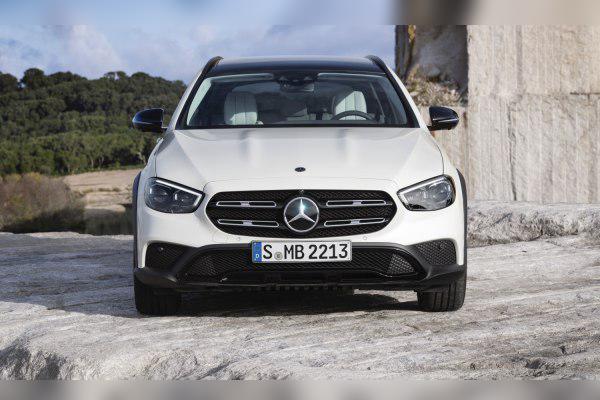
Many people fear that a 2.0-liter engine is “lazy” for the massive E-Class body (especially in estate or All-Terrain versions with 4MATIC). Real-world experience shows the opposite. With 197 hp and 320 Nm of torque, plus the instant torque from the electric EQ Boost system (up to 150 Nm of electric “push” at take-off), the car is surprisingly agile. It’s not a sports car, but for everyday overtaking and safe driving, it offers an ideal balance.
City driving vs motorway
In stop-and-go city driving, real-world fuel consumption ranges between 8.5 and 11 l/100 km, depending on how heavy your right foot is and whether the car has 4MATIC. This is where EQ Boost shines, as the start-stop system works “like butter” – the engine shuts down and restarts imperceptibly.
The engine really comes into its own on the open road. On the motorway at 130 km/h, the fantastic gearbox keeps the engine at just 1800–2000 rpm in ninth gear. Under these conditions, the cabin is eerily quiet, and fuel consumption drops to an excellent 6.5 to 7.5 l/100 km.
Additional Options and Modifications
Should you install LPG?
The answer is short and clear: NO. Due to the complex direct injection system, the petrol injectors are located inside the cylinder and must be cooled by the flow of petrol. Installing a proper direct-injection LPG system that also uses petrol to cool the injectors is extremely expensive and carries a high risk of failure of the high-pressure pump and the injectors themselves. If you want cheaper running costs, the M 264 is not an engine for LPG experiments.
Chiptuning (Stage 1)
The engine is mechanically quite robust and responds well to a mild remap. With a Stage 1 tune, power can be safely raised from 197 hp to around 240 to 250 hp, and torque goes beyond 400 Nm. The EQ Boost system remains in factory configuration; only the engine ECU is remapped. However, keep in mind that more power means more heat, so regular cooling system maintenance and shortening the oil change interval (to 10,000 km) becomes essential.
Gearbox: 9G-TRONIC in focus
With the M 264 engine in the E-Class (whether rear-wheel drive or 4MATIC), there is no manual gearbox. Power is transmitted exclusively through Mercedes’ excellent 9G-TRONIC automatic transmission.
This gearbox uses a hydrodynamic torque converter, which means it does not have a conventional dual-mass flywheel or clutch disc like manual or DSG/DCT gearboxes, so you avoid those costs.
The most common issues with the 9G-TRONIC relate to occasional jerks when shifting from second to third gear, especially when the oil is cold. In most cases, this is not a mechanical failure and can be resolved by resetting the adaptive values of the transmission control unit and updating the software at an authorized service center.
What is crucial is regular gearbox servicing. Although some factory bulletins mention intervals of 120,000 km, any experienced mechanic will tell you that the oil and filter in the gearbox should be changed every 60,000 to 80,000 km at most, to prevent damage to the valve body (mechatronics). The cost of this service is high (Depends on the market), mainly because on the 9G-TRONIC the filter is integrated into the plastic oil pan, so the entire lower pan with gaskets has to be replaced.
Buying used and Conclusion
What to check before buying?
When buying a used E 200 with the M 264 engine, pay attention to the following:
- Cold start: Ask the seller to keep the car completely cold before you arrive. Listen carefully during the first 3–5 seconds after starting. Any rattling or sharp metallic noise from the front of the engine indicates a stretched timing chain and tired tensioners.
- Test drive: Observe the transitions of the EQ Boost system. The car should pull away smoothly from a standstill, and the start-stop system should restart the engine silently and instantly. Any yellow battery warning light on the instrument cluster calls for either walking away or serious price negotiation, because mild-hybrid components are extremely expensive.
- Diagnostics: ALWAYS connect the car to dedicated Mercedes diagnostics (Xentry). Check the operating values of the piezo injectors, the fault history for the ISG system, and compare requested vs actual turbo pressure readings to assess the health of the intake/boost system.
Who is this engine for?
Mercedes’ M 264 (E 200) is an outstanding modern powerplant. It is intended for drivers who seek top-notch refinement, low cabin noise and moderate registration/tax costs compared to larger six-cylinder engines. It offers more than enough power for the heavy body and will impress you with its fuel consumption on the open road. However, it is not for owners who neglect maintenance; it requires quality oil, regular gearbox servicing and an understanding that the complexity of hybrid technology, once it fails, demands a deeper pocket for repairs.