Experiences, issues and tips for buying used: Mercedes-Benz engine M 264.920 (258 hp)
- Excellent balance of power and fuel economy: With 190 kW (258 hp) and 370 Nm, this engine offers performance on the level of older six‑cylinder units with significantly lower fuel consumption.
- EQ Boost technology: The mild hybrid (48V) smooths out turbo lag and reduces fuel consumption in the city, but represents a potentially very expensive failure once the car is out of warranty.
- Timing chain drive: The engine uses a timing chain which is generally reliable, but requires attention at higher mileage.
- Direct injection: Expect more expensive injectors and inevitable carbon buildup on the intake valves over time.
- Automatic transmission only: It is paired exclusively with Mercedes’ excellent 9G-TRONIC gearbox; there is no classic dual‑mass flywheel to worry about, but regular transmission servicing is mandatory.
- LPG installation: Due to the complexity of the system (direct injection + hybrid), LPG installation is absolutely not recommended and very expensive.
Contents
- Introduction: What kind of engine is this?
- Technical specifications
- Reliability, failures and maintenance
- Specific parts and repair costs
- Fuel consumption and performance in real‑world conditions
- Additional options, LPG and chip tuning
- Transmission and drivetrain
- Buying used and final verdict
Introduction: What kind of engine is this?
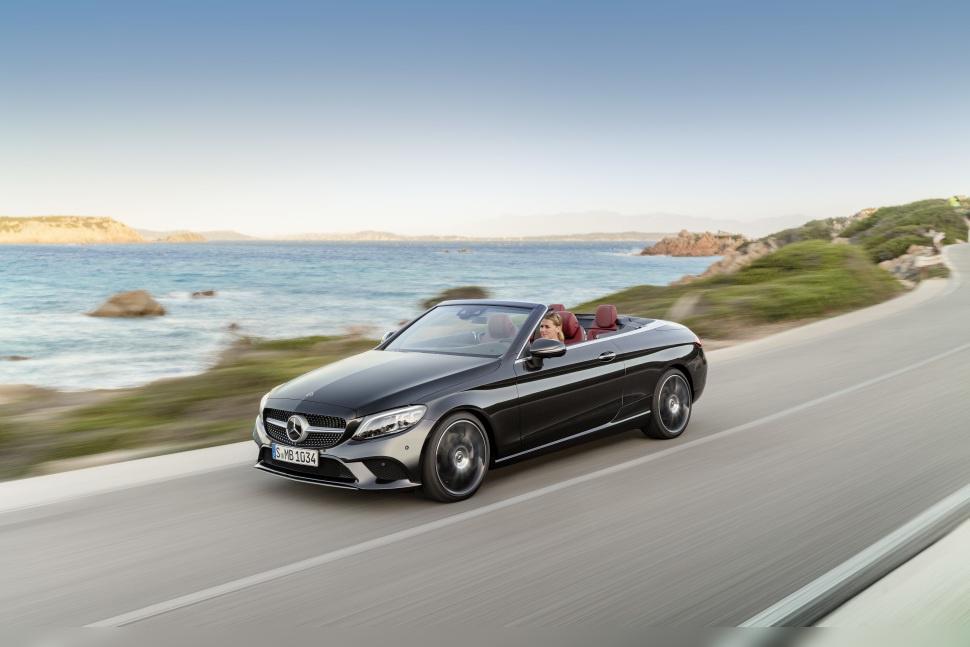
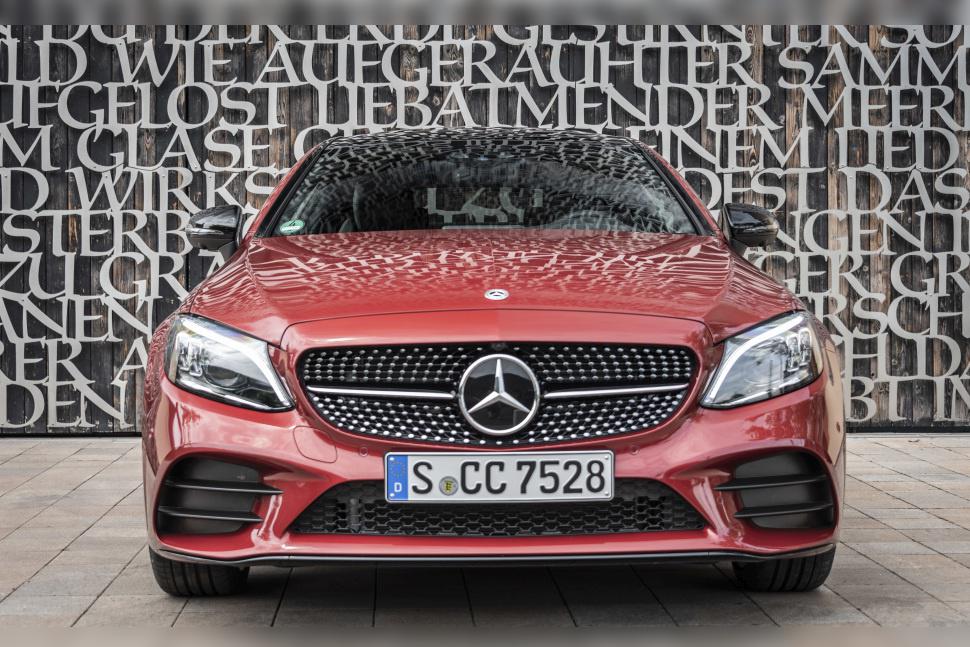
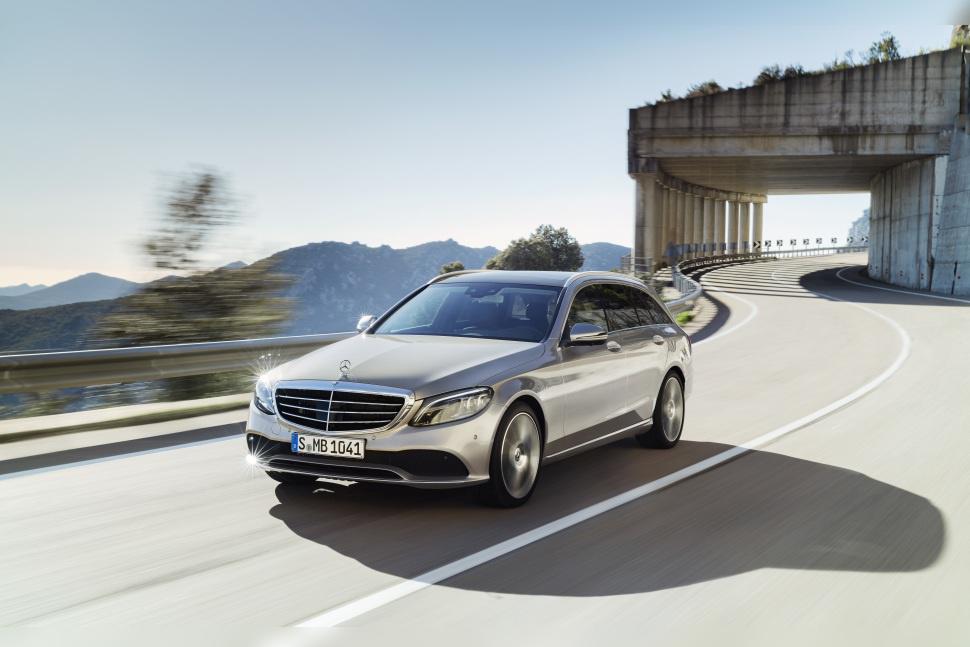
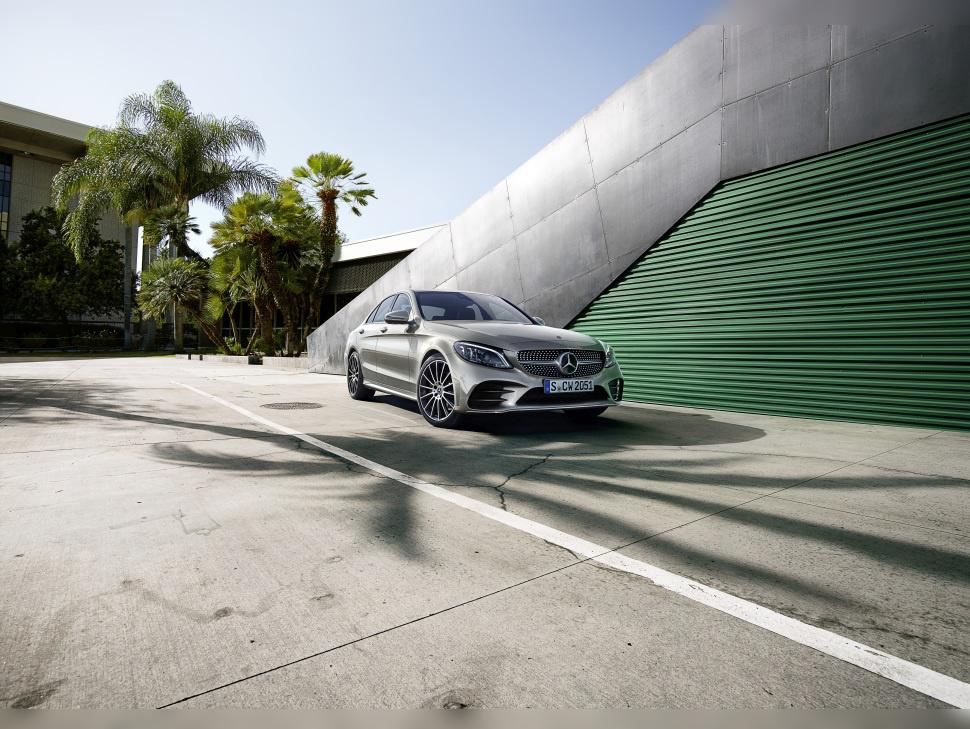
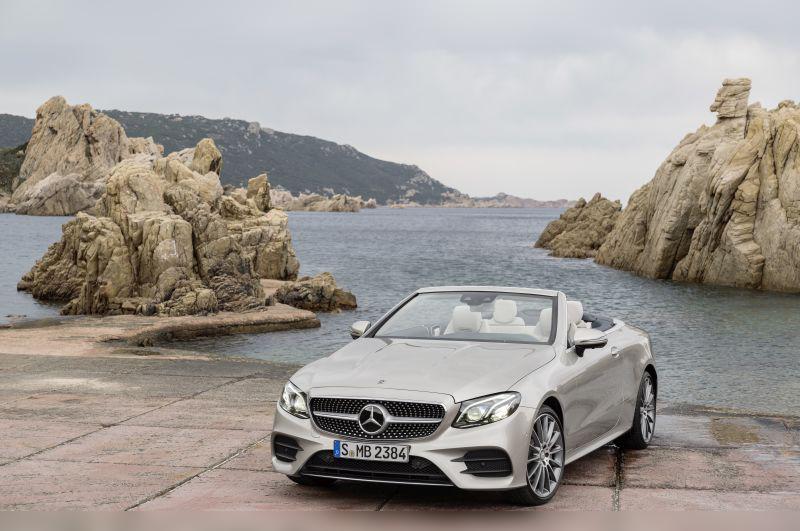
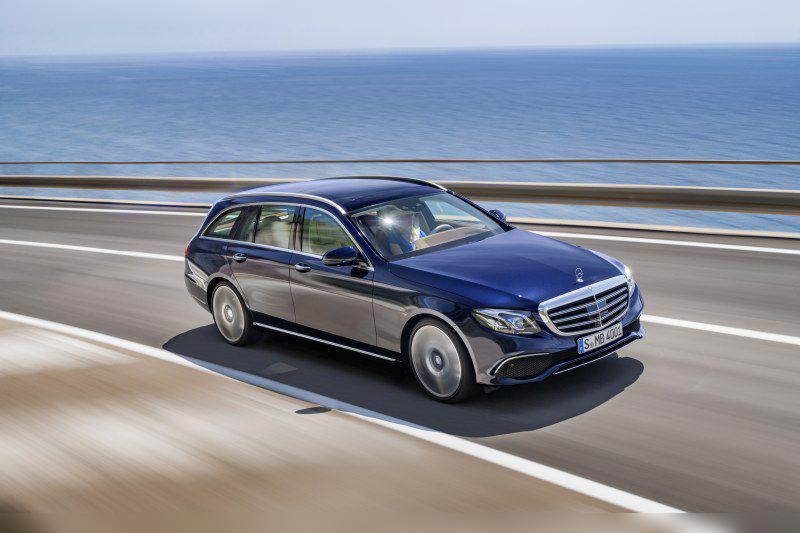
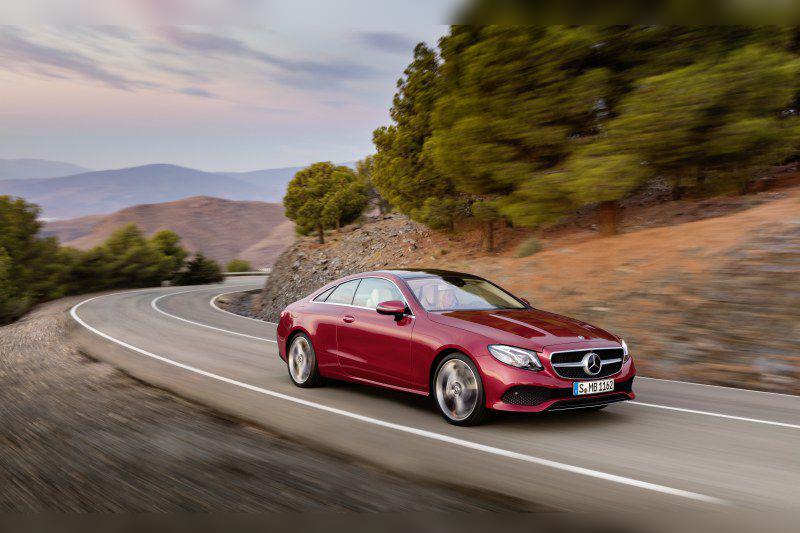
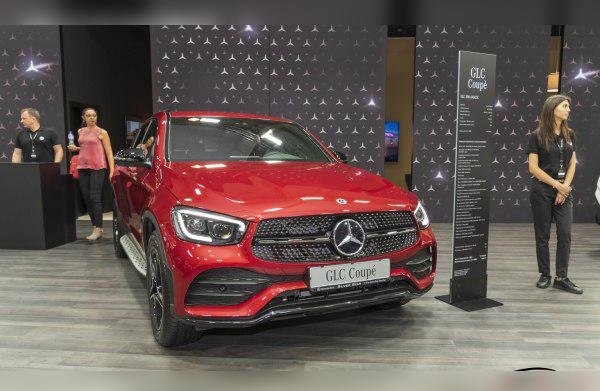
The M 264.920 engine is a modern Mercedes‑Benz power unit that succeeded the well‑known M 274 series. It is a 2‑liter turbo petrol engine that forms the backbone of the lineup in current and recently facelifted C‑Class (W205 facelift), E‑Class (W213) and GLC SUV/Coupe models. What makes this engine special is the implementation of the EQ Boost system. It is a 48‑volt integrated starter‑generator (ISG) that adds instant power (around 14 hp and 150 Nm of torque) during acceleration, while at the same time enabling coasting with the engine switched off and a drastically quieter start/stop system.
Technical specifications
| Parameter | Data |
|---|---|
| Engine code | M 264.920 |
| Displacement | 1991 cc (2.0L) |
| Power | 190 kW (258 hp) at 5800–6100 rpm |
| Torque | 370 Nm at 1800–4000 rpm |
| Fuel type | Petrol (Direct injection) |
| Charging system | Twin‑scroll turbocharger with intercooler |
| Hybrid system | EQ Boost (48V mild hybrid) |
Reliability, failures and maintenance
Timing system: Chain or belt?
This engine uses a timing chain, not a timing belt. Unlike some older generations of Mercedes engines where the chain was notorious for stretching at low mileage, the system in the M 264 has been significantly improved. Still, the chain is not eternal. How much it stretches depends on driving style and regular oil changes.
Most common failures and what to watch out for
Although mechanically quite reliable, the M 264.920 suffers from issues typical of modern technologies:
1. Carbon buildup on intake valves: Since the engine uses direct injection only, the fuel does not wash over the intake valves. Over time (usually above 80,000–100,000 km) a thick layer of carbon builds up. Symptoms: Rough idle, loss of performance, slightly increased fuel consumption and a check engine light (misfires). The issue is resolved by intake cleaning (so‑called walnut blasting).
2. Failures in the 48V EQ Boost system: This is the biggest nightmare for owners out of warranty. Failures of the voltage converter or the 48V lithium‑ion battery itself can prevent the car from starting. Symptoms: A message on the display “48V Battery Malfunction” or inability to start the engine. Repairs are very expensive (depends on market).
3. Thermostat and water pump: The electrically controlled thermostat can get stuck open, preventing the engine from reaching its operating temperature of around 90 °C, which drastically increases fuel consumption and wear.
Major and minor service
A classic “major service” in the sense of timing belt replacement does not exist here. The chain is replaced only when necessary, most often preventively around 150,000 to 200,000 km, or when you hear a specific metallic rattling noise during a cold start (the first 3–5 seconds until the chain tensioner builds up oil pressure). The auxiliary (serpentine) belt that drives the ancillaries is inspected at 100,000 km and replaced if needed, which is not expensive (depends on market).
Engine oil and oil consumption
The engine takes about 6 to 6.5 liters of oil. Due to tight tolerances and the hybrid system, it requires high‑quality low‑viscosity synthetic oil. The recommended grade is 0W‑20 (MB 229.71 specification) or alternatively 5W‑30 (MB 229.51/52), depending on the climate in which the car is driven.
As for oil consumption, modern turbo petrol engines naturally consume some oil. A loss of about 0.1 to 0.3 liters per 1000 km is considered normal due to evaporation and turbo lubrication. However, if the engine consumes more than half a liter per 1000 km, this points to an issue with piston rings or a leak in the turbo.
Ignition: Spark plugs and coils
Since this is a high‑pressure direct‑injection petrol engine, the spark must be perfect. Spark plugs must be replaced every 60,000 km or every 4 years (whichever comes first). Neglecting this leads to coil failure, which results in a dead cylinder and jerking under acceleration.
Specific parts and repair costs
Dual‑mass flywheel
In this model with an automatic transmission there is no classic dual‑mass flywheel as in vehicles with manual gearboxes; instead it uses a hydrodynamic torque converter. It is designed to last as long as the engine itself and very rarely fails if the transmission oil is changed on time.
Injection system
The engine uses direct injection (high‑precision piezo injectors). The injectors are very sensitive to poor‑quality fuel and dirt. Symptoms of bad injectors: black smoke from the exhaust, hard starting, lean or rich mixture. Replacing the original injectors is very expensive (depends on market).
Turbocharger
An advanced twin‑scroll turbocharger is used, which allows faster response at low revs. Its service life exceeds 150,000–200,000 km if the driver follows the rules: no aggressive revving while the engine is cold and letting the engine idle for about 30 seconds after spirited driving so the oil can cool the turbo shaft. The turbo can be overhauled and this is expensive (depends on market).
Emissions: GPF and EGR
Because it is a petrol engine, it does not have a DPF filter and does not use AdBlue fluid. However, to meet Euro 6d‑TEMP standards, this engine is equipped with a GPF (Gasoline Particulate Filter) – a particulate filter for petrol engines. Like a DPF, the GPF can clog if the car is driven exclusively in the city, on short trips where the system cannot perform regeneration. Replacing this filter is very expensive. An EGR function is present to reduce NOx emissions and, as with any EGR, the valve can become clogged with soot over time.
Fuel consumption and performance in real‑world conditions
City and mixed driving
Real‑world fuel consumption in city driving is between 9.5 and 11.5 l/100 km, which largely depends on vehicle weight (the C‑Class uses less than the significantly heavier and taller GLC SUV). The EQ Boost system really shines here, as it shuts off the petrol engine before you come to a complete stop at traffic lights and starts on electric power a split second before the petrol engine kicks in.
Power‑to‑weight ratio (“Is it sluggish?”)
Absolutely not. With 258 hp and 370 Nm, assisted by electric torque, the engine offers fantastic acceleration. Even in the heavy GLC 4MATIC model, 0–100 km/h takes about 6.2 seconds. The engine always has power in reserve for safe overtaking.
Behavior on the motorway
On the motorway this engine shows its true refinement. Thanks to the 9‑speed gearbox, at 130 km/h in ninth gear the engine cruises at a very relaxed 1800–2000 rpm. Fuel consumption then drops significantly and is in the range of 6.5 to 7.5 l/100 km. The cabin is extremely quiet, with no intrusive engine noise.
Additional options, LPG and chip tuning
LPG installation
Is the M 264.920 suitable for LPG? Short answer: No. Longer answer: The engine has direct injection and an extremely complex ECU paired with a 48V mild‑hybrid system. Conventional LPG systems do not work here. It would require a liquid‑injection LPG system using the same petrol injectors, which is technologically challenging and extremely expensive (depends on market). The total installation cost and the risk of engine damage make this option completely uneconomical. If you want low running costs, you don’t buy this kind of petrol engine.
Chip tuning (Stage 1)
The engine has huge potential. With a basic ECU remap (Stage 1), power can be safely raised from 258 hp to about 290 to 300 hp, while torque increases from 370 Nm to a strong 420 to 430 Nm. Be careful when choosing a tuner; the map must be perfectly calibrated so as not to disrupt the cooperation between the petrol engine and the EQ Boost electric module.
Transmission and drivetrain
Types of transmissions and common issues
The M 264.920 engine is paired exclusively with the 9G‑TRONIC 9‑speed automatic transmission. A manual gearbox was never offered with this engine. Drive can be to the rear wheels or all four wheels (4MATIC).
The gearbox itself is a masterpiece of engineering and extremely reliable if maintained properly. The most commonly reported “issues” from drivers are slight jolts when shifting from 1st to 2nd or from 2nd to 3rd gear while the transmission is cold. In 90% of cases this is resolved by updating the transmission software, adaptation during driving or, if necessary, cleaning the valve body.
Transmission servicing
This is crucial! The oil in the 9G‑TRONIC transmission, together with the pan that contains the integrated filter, must be changed every 90,000 to 100,000 km or every 5 years. If this is neglected, metal particles from the clutch packs accumulate in the oil and clog the hydraulic valves (solenoids), which leads to a complete and very expensive overhaul (depends on market).
Buying used and final verdict
What must be checked before buying?
Buying a used Mercedes with this engine requires a cool head and good diagnostics. Here is what you must test:
1. Cold start: Insist that the car be completely cold before you arrive (not started for at least 12 hours). When you start it, open the bonnet and listen. The sound must be smooth, with the usual injector ticking. If you hear metallic rattling or knocking for a few seconds from the rear of the engine, it means the timing chain is due for replacement.
2. 48V system diagnostics: Be sure to connect the car to the original Star/Xentry diagnostics. Check the fault history related to the hybrid system (DC/DC converter, battery voltage). If the system reports voltage drops, an expensive repair is coming.
3. Exhaust inspection: Run your finger inside the exhaust tip when the car is off. If the soot inside is very oily and thick, it may indicate worn piston rings, a turbo problem or a melting GPF filter. Dust resembling greyish ash is normal.
4. Transmission test: During the test drive, slow down to a complete stop. If the transmission pushes forward harshly as you come to a stop, it needs attention from a specialist.
Who is this engine for?
The Mercedes‑Benz M 264.920 (258 hp) engine is made for drivers who want the performance and refinement of a powerful petrol engine without the penalty of huge fuel consumption. It is in its element on open roads and fast highways. It is not intended for short, exclusively urban trips (because of the GPF and carbon buildup), and it is definitely not for people who cut corners on maintenance. If you have the budget for the purchase and a reserve fund for regular servicing and potential modern electronics repairs, you will get a technologically outstanding machine.