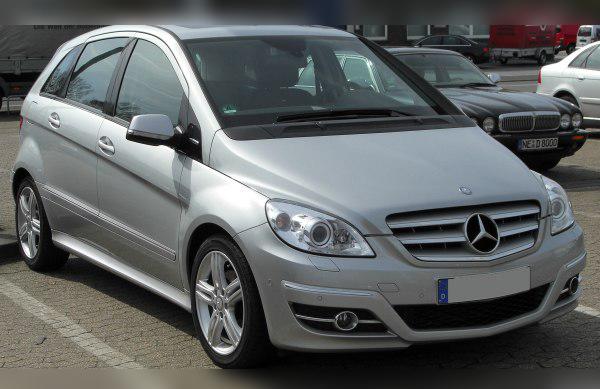
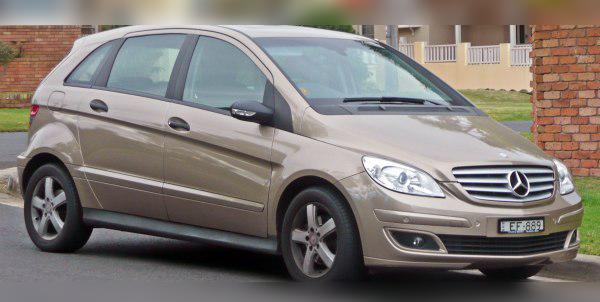
Engine M 266.920 (Mercedes A/B-Class 1.5): Experiences, Problems, Fuel Consumption and Buying Used
In short (TL;DR)
- Long-lasting naturally aspirated engine: Reliable engine with a timing chain, without complex components such as a turbocharger and DPF filter.
- Specific architecture: Due to the “sandwich floor” in the A and B-Class, the engine bay is cramped, so repairs like starter motor replacement require lowering the engine (more labor hours).
- Performance: Quite sluggish, especially in the heavier B-Class. It’s not designed for sporty performance, but for relaxed cruising.
- Critical point (Gearbox): The automatic CVT gearbox (Autotronic) is known for failures of the electronics and valve body. It requires strict maintenance, and repairs are very expensive (depends on the market).
- Fuel consumption and LPG: City fuel consumption is higher (around 8.5 l/100 km), but the engine handles LPG conversion very well, which makes it extremely economical.
- Maintenance: Regular servicing and basic parts are not expensive (depends on the market), and the engine is cost-effective in the long run.
Contents
- Introduction: About the engine and models
- Technical specifications
- Reliability and maintenance
- Specific parts and costs
- Fuel consumption and performance
- Additional options and modifications
- Gearbox: Failures and maintenance
- Buying used and conclusion
Introduction: About the engine and models
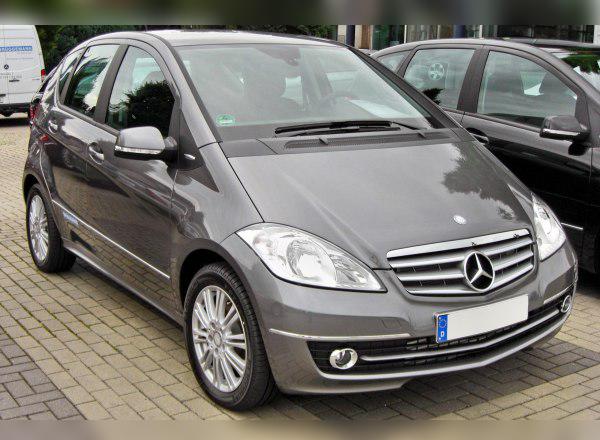
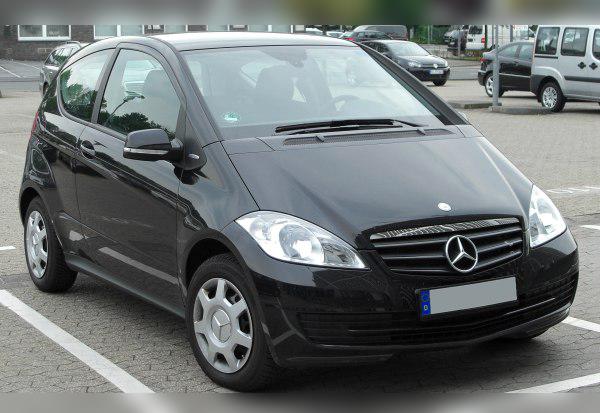
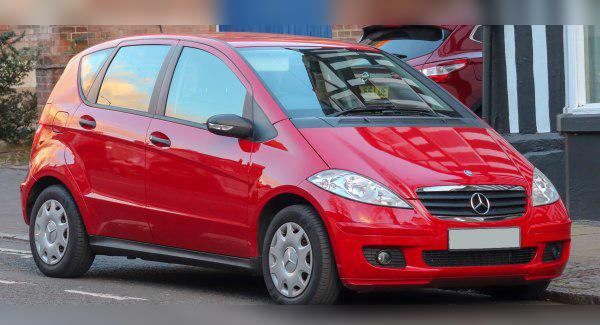
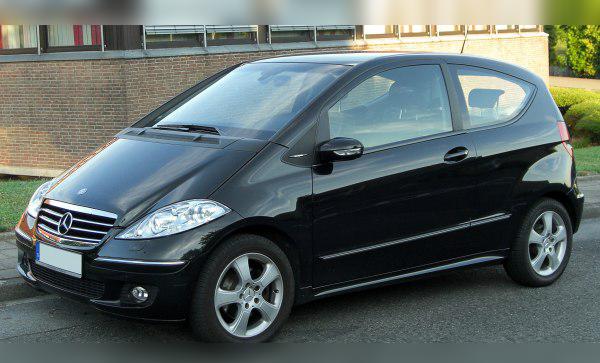
The engine designated as M 266.920 is a classic Mercedes naturally aspirated petrol engine with a displacement of 1.5 liters. It was developed specifically for front-wheel-drive models with the distinctive “sandwich” floor construction – the A-Class (W169/C169) and B-Class (W245). This engine is the successor to the older M166 series and brings significant improvements in operation and reliability.
The badges on the tailgate can be confusing. Although the engine has a displacement of just under 1,500 cc, Mercedes initially sold it under the designation A/B 150, and after the 2008 facelift changed the nomenclature to A/B 160, often adding the “BlueEFFICIENCY” badge, which indicated mild aerodynamic optimizations and a Start-Stop system. Regardless of the badge, the mechanics under the hood remained almost identical.
Technical specifications
| Parameter | Specification |
|---|---|
| Engine code | M 266.920 |
| Displacement | 1498 cc |
| Power | 70 kW (95 hp) at 5200 rpm |
| Torque | 140 Nm at 3500–4000 rpm |
| Engine type and induction | Inline 4-cylinder, naturally aspirated |
| Fuel type / Injection | Petrol / Multi-Point Injection (MPI) |
| Timing system | Chain |
Reliability and maintenance
One of the biggest advantages of the M 266 engine is its mechanical simplicity. Power is transmitted to the camshafts via a timing chain, not a timing belt. The chain is massive and durable, so there is no “major service” in the classic sense at a fixed mileage. It is recommended to check the condition of the chain after 150,000 to 200,000 km. It is replaced only when it stretches and starts to make noise (rattling) during a cold start.
As for oil, this engine takes about 5.0 liters of engine oil. It is recommended to use fully synthetic oil of grade 5W-30 or 5W-40 that meets Mercedes standards MB 229.3 or 229.5. Regarding oil consumption between services, these engines are quite forgiving. It is completely normal for them to consume about 0.2 to 0.5 liters per 10,000 km, depending on driving style. However, if the engine consumes significantly more, the problem usually lies in hardened valve stem seals or stuck piston rings due to infrequent oil changes by the previous owner.
Since this is a classic petrol engine, there are no expensive diesel components, but there are spark plugs. It is recommended to replace the spark plugs every 60,000 km to avoid stressing the ignition coils and leads.
Most common failures
The engine block itself is extremely durable, but the unit suffers from several specific issues that are a direct consequence of the vehicle’s design:
- Starter motor: Due to the tilted position of the engine under the floor, the starter is exposed to high temperatures and eventually fails. The failure itself is not a big problem, but replacement is extremely labor-intensive (the engine has to be slightly lowered), so the mechanic’s labor will be significantly more expensive than the part itself (depends on the market).
- Engine control unit (ECU): The ECU is mounted directly on the air filter housing/engine, where it is exposed to extreme vibrations and heat. Over time, solder joints inside the ECU crack, causing errors (Check Engine), rough running, or complete engine shutdown while driving. ECU repair is routine work for specialized electronics shops, but it is a cost you should factor in.
- Throttle body and PCV valve: As with most naturally aspirated engines used mainly in city driving, the throttle body can get dirty from oil vapors, which causes rough idle. Cleaning solves the problem.
Specific parts and costs
Unlike modern diesels or turbo-petrol engines, owners of the M 266.920 can sleep peacefully when it comes to peripheral components. The engine does not have a turbocharger, there is no intercooler, and therefore no costs related to turbocharger overhaul.
The fuel injection system is a classic MPI (Multi-Point Injection), which means that petrol is injected into the intake manifold at low pressure. The injectors are long-lasting, not overly sensitive to lower-quality fuel, and if they do become clogged, ultrasonic cleaning is quite cheap (depends on the market). This engine, of course, does not have a DPF filter, nor does it need an AdBlue system, as it meets Euro standards through a standard catalytic converter.
It has an EGR valve for exhaust gas recirculation (and an evaporative emissions system), which can get dirty with soot if the car is driven mostly in the city, but problems are much rarer than on diesel engines, and the symptoms are usually mild hesitation at low revs.
Fuel consumption and performance
If you expect brisk starts at traffic lights, this is not the engine for you. With its 95 hp and modest 140 Nm of torque, the engine is designed for moderate driving. In the lighter A-Class (W169), performance is acceptable for everyday use. However, if this engine is in the B-Class (W245), which is significantly heavier and more robust, the unit becomes distinctly “lazy”. Any overtaking on country roads requires early planning and shifting down.
Real-world city fuel consumption is between 7.5 and 9.0 l/100 km, depending on the season, air conditioning use and how heavy your right foot is. The Autotronic gearbox usually adds about 0.5 liters to city consumption.
Once you get onto the motorway, the lack of torque and short gear ratios become apparent. At 130 km/h in 5th gear with the manual gearbox, the engine spins at a relatively high 3800–4000 rpm. Because of this, the cabin becomes noisier and fuel consumption rises to around 8 l/100 km. Cruising is most pleasant at speeds up to 110–120 km/h.
Additional options and modifications
Because of the somewhat higher petrol consumption in the city, one of the most common questions is about LPG conversion. The answer is: Yes, this engine is an excellent candidate for LPG (autogas). Thanks to indirect MPI injection, installation of a standard sequential LPG system is routine, and there are no issues with valve seat wear provided the mixture is properly calibrated. Running on LPG drastically reduces running costs, so this is highly recommended.
As for “chipping” (chiptuning / Stage 1), it is a complete waste of time. Since this is a small-displacement naturally aspirated engine, remapping the ECU can give you at most 5 to 8 hp and maybe 10 Nm of torque. You will not feel this difference in practice, so power tuning is basically throwing money away.
Gearbox: Failures and maintenance
The gearbox question is actually crucial when deciding whether to buy a car with this engine. Two options are available: a 5-speed manual gearbox and a continuously variable CVT automatic known as Autotronic (code 722.8).
Manual gearbox
A very reliable unit. The good news is that models with this (petrol) engine and manual gearbox do not have a dual-mass flywheel. They use a conventional clutch kit (pressure plate, disc, release bearing) whose replacement is not expensive at all (depends on the market). Although the manufacturer often states that the oil in the manual gearbox is “lifetime”, good workshop practice is to change it every 60,000 to 80,000 km to preserve the synchros and ensure smooth shifting.
Automatic gearbox (Autotronic CVT)
This is the most problematic point of the A and B-Class and the source of the biggest issues. The CVT gearbox offers smooth, jerk-free driving in the city, but suffers from systemic flaws:
- Gearbox ECU and speed sensor: The electronics inside the gearbox fail (the most common error codes are related to the Y3/9b4 and Y3/9b5 sensors). The car displays the message “Transmission Visit Workshop” and locks itself into limp mode. Repairing this electronics is expensive, and valve body repair is very expensive (depends on the market).
- Mechanical wear: The steel belt and cones inside the gearbox wear out, especially if the car has not been regularly maintained.
- Maintenance: The oil and filter in the Autotronic gearbox must be changed every 60,000 km. Skipping this interval is a direct road to a major failure.
Buying used and conclusion
Before you hand over your money for an A or B-Class with the 1.5 engine (150/160), pay attention to the following points during inspection:
- Cold start: Ask the seller not to start the car before you arrive. When starting, listen carefully to the right side of the engine. Any metallic rattling or scraping sound in the first few seconds indicates a stretched chain that is due for replacement.
- Test drive (Automatic): If you are looking at an Autotronic, drive the car until it reaches operating temperature. Try slow starts, sudden acceleration and braking. The gearbox should build revs smoothly, like a scooter. Any jerking, flaring revs without acceleration or knocking means you are facing an extremely expensive overhaul.
- Diagnostics: Read the fault codes from the engine ECU. Hidden errors related to the throttle body or crankshaft sensor often indicate the beginning of problems with the ECU itself.
Conclusion
The M 266.920 engine is an extremely forgiving piece of engineering. It compensates for its lack of power with longevity, low routine maintenance costs and excellent tolerance of LPG conversion. This engine is ideal for the average driver, for a family that needs a safe and spacious car for city duties and shorter trips.
Final recommendation: Buy, but only in combination with the manual gearbox. Given their age and mileage, models with the Autotronic gearbox represent too great a financial risk compared to the actual value of the car.