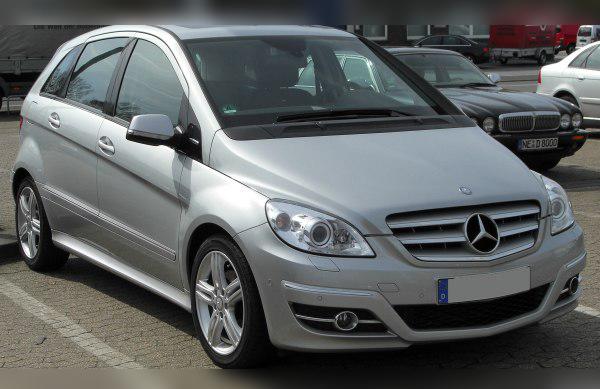
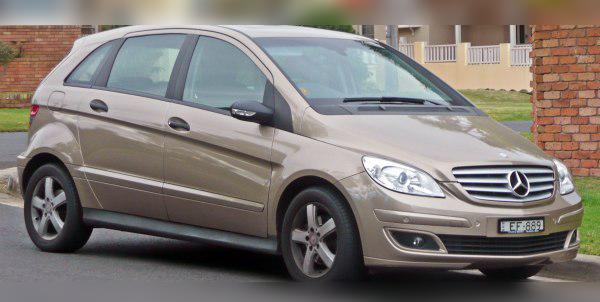
Mercedes M 266.960 (136 HP) – Experiences, problems, fuel consumption and used-car buying tips
Key points (TL;DR)
- Engine mechanics: Very reliable naturally aspirated petrol engine with MPI injection, without expensive turbochargers and complex systems.
- Maintenance: Labor cost is the main issue. Because of the “sandwich floor” in the A and B class, replacing the starter or belts requires lowering the engine with the subframe.
- Gearbox: The manual is excellent, but the Autotronic (CVT) automatic gearbox is prone to serious and very expensive failures of the electronics and valve body.
- LPG: The engine handles LPG conversion very well and this is the best way to cut running costs.
- Who it’s for: For drivers who need a practical car, value reliability and are ready to pay higher labor costs because of poor accessibility.
Contents
- Introduction
- Technical specifications
- Reliability and maintenance
- Specific parts and costs
- Fuel consumption and performance
- Additional options and modifications
- Gearbox
- Buying used and conclusion
Introduction
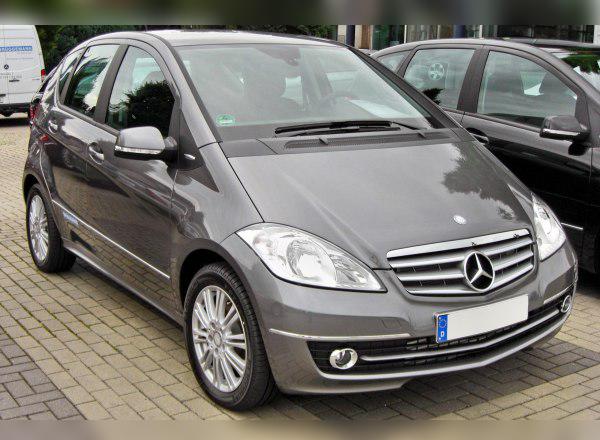
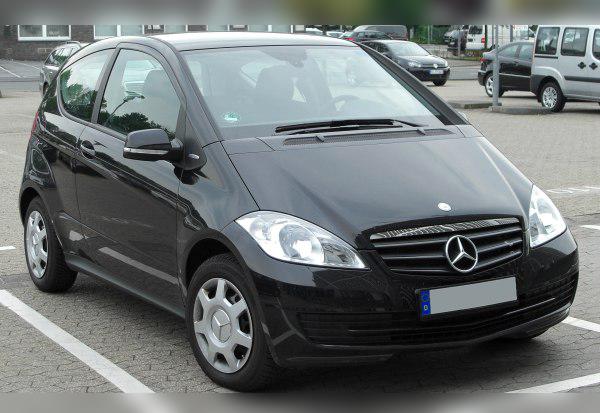
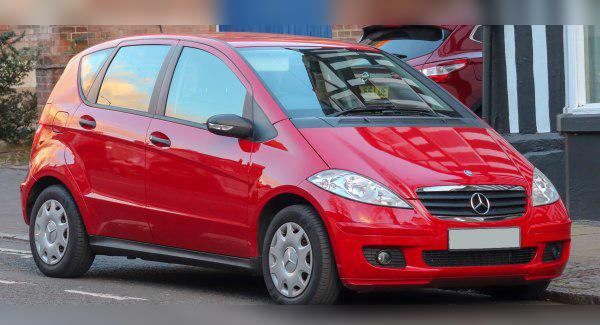
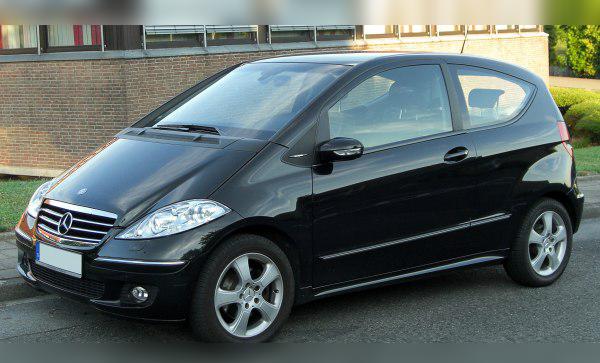
The M 266.960 engine is a 2.0‑liter naturally aspirated petrol unit that Mercedes‑Benz developed specifically for its front‑wheel‑drive models with the innovative “sandwich floor” architecture. It was primarily installed in the Mercedes A‑Class (W169 / C169) and B‑Class (W245) from 2004 to 2012, including the 2008 facelift versions.
In essence, this is an evolution of the older M 166 engine, designed to be extremely compact. It sits at an angle in the engine bay so that in the event of a frontal collision it slides under the passenger compartment. Precisely because of this design, this engine has a reputation as a “nightmare” for mechanics, even though at its core it is incredibly durable and long‑lasting.
Technical specifications
| Parameter | Specification |
|---|---|
| Engine code | M 266.960 |
| Displacement | 2034 cc |
| Power | 100 kW (136 HP) |
| Torque | 185 Nm |
| Injection type | MPI (Multi‑Point Injection) |
| Induction type | Naturally aspirated (no turbo) |
| Camshaft drive | Chain |
Reliability and maintenance
Does this engine have a timing belt or a chain?
The M 266.960 uses a timing chain. The chain is very robust and, unlike on many modern engines where it is replaced preventively, here it usually outlasts most of the car’s service life. However, due to the age of these vehicles, the chain tensioners and guides can wear out, which results in rattling at cold start.
Most common failures
The core mechanics (block, head, piston rings) are extremely robust. Failures are mostly related to peripheral components:
Starter motor: This is the best‑known weak point. When the starter fails, the engine cannot be started, and because the engine is tilted towards the firewall, replacement requires draining the coolant, loosening the mounts and lowering the entire engine/subframe. The part itself is not very expensive, but labor is (depends on the market).
Ignition coils and leads: Over time the insulation degrades, the engine starts to misfire, loses power and turns on the “Check Engine” light. Replacement is straightforward.
Auxiliary (serpentine) belt and pulleys: As with the starter, space is extremely tight. The belt must be checked regularly because if it snaps it can damage other components.
Major and minor service
A classic “major service” with timing belt replacement does not exist because this engine uses a chain. However, every 100,000 to 120,000 km it is essential to service the auxiliary drive (serpentine belt, pulleys, tensioner and water pump). Chain condition is checked via diagnostics and by listening to the engine after 200,000 km.
A minor service (oil and filters) is done every 10,000 to 15,000 km, or once a year.
Engine oil and oil consumption
This engine takes around 5.0 liters of engine oil. Fully synthetic oil of grade 5W‑40 or 5W‑30 that meets Mercedes specification MB 229.3 or 229.5 is recommended.
The naturally aspirated M 266 is not known for high oil consumption. Anything between 0.5 and 1 liter between services is considered normal. If it consumes more than that, the cause is usually hardened valve stem seals (due to age and operating temperature), not worn piston rings.
Spark plugs
Since this is a petrol engine, spark plugs play a key role. They are replaced every 60,000 km. If you install LPG, it is advisable to shorten the replacement interval to 40,000 km to protect the ignition coils.
Specific parts (costs)
Dual‑mass flywheel
Does this petrol engine have a dual‑mass flywheel? It depends on the gearbox and model year. Models with a manual gearbox and the 2.0‑liter 136 HP engine in many markets came from the factory with a dual‑mass flywheel for smoother operation, while some lower‑powered models (A150) have a solid flywheel. The Autotronic (automatic gearbox) does not use a conventional flywheel (it uses a torque converter/hydrodynamic drive). Before buying parts, you must check by VIN. If it does have a dual‑mass flywheel, replacement of the complete clutch and flywheel set is quite expensive (depends on the market).
Fuel injection system and injectors
The injection system is a classic MPI (indirect injection into the intake manifold). The petrol injectors on this engine are incredibly reliable. They do not suffer from pressure‑related issues like direct‑injection (CGI) engines. If they do get clogged (usually due to running on low fuel or poor‑quality petrol), ultrasonic cleaning solves the problem permanently and is not expensive.
Turbo, DPF, EGR and AdBlue
Great news for your wallet: this engine does not have a turbocharger (it is fully naturally aspirated), does not have a DPF filter (that’s for diesels) and does not have an AdBlue system. It does have an evaporative emissions control valve and a basic EGR system, but they very rarely get dirty compared to diesel variants, provided the engine is not burning excessive amounts of oil.
Fuel consumption and performance
City driving and “sluggishness”
With 136 HP and 185 Nm of torque, this engine offers more than adequate performance for the A and B class. The engine is absolutely not sluggish; on the contrary – it is very lively, responds well to throttle input and easily copes with the car’s weight.
However, the displacement of over 2 liters takes its toll at the pump. Real‑world city consumption is between 9.5 and 11.0 l/100 km, especially in versions with the Autotronic gearbox.
On the motorway
On the open road, fuel consumption drops to a reasonable 6.5 to 7.5 l/100 km. At 130 km/h in fifth gear (manual gearbox), the engine cruises at around 3,300 to 3,500 rpm. Engine noise is a bit more noticeable in the cabin due to shorter gear ratios, but stability and in‑gear flexibility for overtaking are excellent.
Additional options and modifications
LPG conversion
This is one of the best characteristics of the M 266 engine. Thanks to MPI injection and high‑quality valve seats, the engine handles LPG conversion perfectly. There is no need for expensive liquid‑phase systems or valve‑saver “drippers”. A regular sequential LPG system works flawlessly. LPG consumption will be about 1 to 1.5 liters higher than petrol consumption, which drastically reduces running costs.
Remapping (Stage 1)
Since this is a naturally aspirated engine without a turbo, remapping is not worth it. By optimizing the software (Stage 1) you can gain at most 8 to 12 HP and 10 to 15 Nm of torque. The driving feel remains almost unchanged, so it’s essentially wasted money.
Gearbox
Types of gearboxes
This engine was paired with a conventional 5‑speed manual gearbox and a CVT automatic gearbox marketed as Autotronic (code 722.8).
Gearbox failures and maintenance
The manual gearbox is reliable, precise and trouble‑free as long as the oil is changed preventively every 80,000 to 100,000 km.
The Autotronic (CVT) gearbox is the biggest potential time bomb on this car. It operates using a belt and conical pulleys. The main issues are the transmission control module (TCM) and the valve body. Symptoms of failure include jerking when setting off, going into “Safe Mode” (staying in one ratio) and “Transmission Visit Workshop” messages on the instrument cluster. It often reports faults from the internal speed sensors. Repairing this gearbox is very expensive and requires a specialized workshop (depends on the market).
Autotronic maintenance: Oil and filter in the CVT must BY RULE be replaced every 60,000 km. Extending this interval will almost certainly destroy the valve body and the CVT chain.
Buying used and conclusion
What to check before buying?
- Listen to the engine on a cold start: Let the car sit overnight at the seller’s. When you start it in the morning, if you hear a sharp metallic rattle for the first 2–3 seconds, the tensioner and chain are due for replacement.
- Test drive the automatic gearbox: The CVT must change ratio completely smoothly, without any jerks. Shift from “P” to “D”, then to “R” on an incline – the car must not jerk or stall.
- Diagnostics: Always connect Mercedes “Star” diagnostics to check the fault history in the gearbox module (even if codes have been cleared, they can often be read in deeper logs).
- Bodywork and suspension: Check the lower parts of the doors and wheel arches; W169 and W245 (especially pre‑facelift models before 2008) can show early signs of corrosion. The suspension is quite stiff and suffers due to the heavy front end.
Final verdict
Mercedes’ 2.0 M 266.960 engine with 136 HP is an extremely solid, reliable and tough old‑school engine. It is free from modern issues with DPFs, turbochargers and piezo injectors. Who is it for? For people who want a spacious city car that won’t leave them stranded on the way to the seaside.
The biggest downside of this car is not the engine itself, but its architecture – when the time comes to repair trivial things (like the starter), the labor bill will be higher than average. If you are planning to buy one, the recommendation is the version with a manual gearbox, install a quality LPG system and enjoy one of the most rational and comfortable drives in this class.