Engine M 270.910 (1.6 Turbo 156 HP) – Experiences, issues, fuel consumption and used-car buying tips
Key points in short (TL;DR)
- Performance and flexibility: Thanks to the turbocharger and 250 Nm of torque available already at low revs, the engine is very lively and in no way “lazy” for the bodies it is fitted to.
- Timing system: The engine uses a timing chain which is generally reliable, but on neglected cars the chain can stretch and phase variators can cause problems.
- Most common failures: Thermostat failure, carbon buildup on valves due to direct injection, and occasional issues with the PCV valve.
- Maintenance: Requires very regular changes of high-quality oil every 10,000 to 15,000 km. It does not tolerate “long-life” service intervals.
- LPG: Due to the high-pressure direct injection system, LPG installation is uneconomical and technically complicated. Not recommended.
- 7G-DCT gearbox: The automatic offers excellent comfort, but it is absolutely critical to change the oil in it every 60,000 km. Mechatronics failures are very expensive (depends on market).
Contents
- Introduction
- Technical specifications
- Reliability and maintenance
- Specific parts and costs
- Fuel consumption and performance
- Additional options and modifications
- Gearbox (manual and 7G-DCT)
- Buying used and conclusion
Introduction
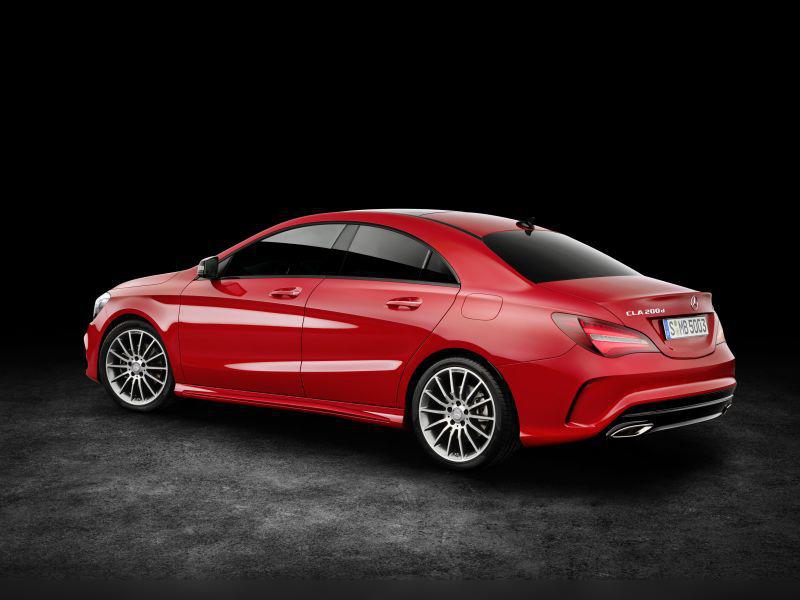
The engine with the internal code M 270.910 is Mercedes’ answer to the growing need for efficient yet powerful turbo petrol engines designed for front-wheel-drive cars (with optional 4MATIC). It was installed in the so‑called MFA platform (A‑Class W176, B‑Class W246, CLA C117/X117 and GLA X156), as well as in the related Infiniti Q30. With a displacement of almost 1.6 litres and an output of 156 horsepower, this engine is the “golden middle ground” – it offers significantly better dynamics than the weaker 122 HP version, while keeping registration and day‑to‑day running costs reasonable. For the average driver, this is an engine that, on paper, offers everything you really need, but like every modern power unit, it comes with certain technical specifics that every mechanic and potential buyer must be familiar with.
Technical specifications
| Characteristic | Data |
|---|---|
| Displacement | 1595 cc |
| Power | 115 kW (156 HP) |
| Torque | 250 Nm (at 1250 - 4000 rpm) |
| Engine code | M 270.910 |
| Injection type | Direct injection (CGI - Stratified Charge) |
| Charging | Turbocharger with intercooler |
Reliability and maintenance
Timing system and major service
This power unit uses a timing chain to synchronize the crankshaft and camshafts. The manufacturer does not specify a classic “major service” interval at a fixed mileage; instead, the chain is replaced when needed. In practice, the chain is quite durable and easily lasts over 150,000 to 200,000 km. However, if the oil has not been changed regularly, the chain can stretch and the guides can wear. The driver will notice this as a characteristic rattling or metallic clatter on the first cold start of the day, until the engine builds up oil pressure. The auxiliary (serpentine) belt, idlers and tensioners are usually replaced preventively at around 100,000 km.
Most common failures and symptoms
One of the best‑known weak points of this engine is the electric thermostat. When it fails, it stays in the open position. The symptoms are obvious: the coolant temperature gauge on the instrument cluster struggles to reach operating temperature (90 °C) or drops while driving on the open road. Replacement is necessary because a cold engine consumes more fuel and wears components faster.
Another potential issue is the phase variators (camshaft sensors/solenoids). If the engine starts running roughly, triggers the Check Engine light or you hear knocking from the cylinder head area, that’s the first sign. Also, since this is a direct‑injection engine, over time carbon deposits (coking) build up on the intake valves. Symptoms include loss of power, slight vibrations at idle and increased fuel consumption.
Engine oil and spark plugs
The engine holds approximately 5.8 litres of engine oil. Fully synthetic oil of grade 5W-30 or 5W-40 that meets Mercedes specification MB 229.5 is recommended. Although the factory allows service intervals of up to 25,000 km, experienced mechanics will tell you that this drastically shortens the life of the chain and turbo. Oil should be changed every 10,000 to 15,000 km. As for oil consumption, the M 270 is not notorious as an “oil burner”. Consumption of 0.3 to 0.5 litres between two services is completely normal due to evaporation and turbo operation. If it uses more than one litre per 10,000 km, the problem may lie in the PCV valve (oil vapour separator) or the piston rings.
Since this is a turbocharged petrol engine with extremely precise injection, spark plugs must be replaced every 60,000 to 75,000 km. If you exceed this interval, you risk coil failure due to the high resistance of a worn‑out spark plug.
Specific parts and costs
Injection system and emissions
The M 270.910 engine uses a high‑pressure direct fuel injection system (CGI) with piezo‑electric injectors. The injectors are generally long‑lasting, but extremely sensitive to poor fuel quality or contamination in the system. If they start “pissing” fuel instead of atomizing it into a fine mist, the engine will run roughly, and the excess petrol can wash the oil film off the cylinder walls and destroy the engine. Replacing the injectors is very expensive (depends on market).
Since this is a petrol engine, it does not have a DPF filter or AdBlue system, which makes it cheaper to maintain from the outset compared to diesels (e.g. OM 651). It also doesn’t have a classic EGR valve that constantly clogs like on diesels; instead, it uses internal exhaust gas recirculation and a PCV valve for crankcase ventilation (which occasionally tends to crack and draw “false air”).
Turbocharger
The engine is equipped with a relatively small IHI turbocharger (for quick response). The turbo’s lifespan largely depends on driving style and regularity of minor services. With normal maintenance, the turbo easily lasts over 200,000 km. If the driver switches the engine off immediately after aggressive driving (before the turbo has cooled) or neglects oil changes, the turbo bearings can wear out. Symptoms include whistling under load and increased bluish smoke from the exhaust due to burning oil.
Fuel consumption and performance
Don’t be fooled by the 1.6‑litre displacement – this engine is surprisingly spirited. With 250 Nm available from just 1250 rpm, it behaves almost like a diesel when pulling away, without the classic “turbo lag”. For vehicles such as the A‑Class, B‑Class or CLA, this engine is definitely not sluggish. It also copes easily with the slightly heavier GLA.
Real‑world fuel consumption is very sensitive to how hard you press the accelerator. In pure city driving (stop‑and‑go traffic), consumption ranges between 8.5 and 10 l/100 km. On country roads, with smooth driving, it can drop to an impressive 5.5 to 6.5 l/100 km.
On the motorway at 130 km/h, the car cruises very calmly. If paired with the 7G‑DCT automatic, in seventh gear the revs sit at a very pleasant 2300 to 2500 rpm (depending on wheel size and specific model), which ensures low cabin noise and fuel consumption of around 7 l/100 km.
Additional options and modifications
LPG installation
Plain and simple: Installing LPG is not worth it and is not recommended for this engine. The direct injection system requires specific, very expensive LPG systems that must constantly inject a certain amount of petrol as well, in order to cool the factory injectors in the cylinders. The investment is too high (depends on market) and only pays off after very high mileage, with a significant risk of subsequent engine running issues.
Chiptuning
Given that this engine is structurally very robust, it is an excellent candidate for software optimization. A standard Stage 1 remap can safely raise power from 156 HP to around 185 to 195 HP, while torque jumps to over 300 Nm. If the car is technically sound (chain in good condition, healthy turbo and spark plugs), such a modification does not drastically shorten the life of the power unit, and turns the car into a serious city and long‑distance machine.
Gearbox (manual and 7G-DCT)
The M 270.910 engine was combined with a 6‑speed manual gearbox or, much more often, with the automatic 7G‑DCT dual‑clutch gearbox.
Manual gearbox
The manual gearboxes are mechanically very robust and rarely fail. Regular maintenance only requires an oil change in the gearbox at around 100,000 km. However, models with a manual gearbox have a dual‑mass flywheel, whose lifespan depends entirely on driving style. Symptoms of a worn dual‑mass flywheel include judder when pulling away, strong vibrations at idle and thumps when switching the engine off. The complete clutch kit with dual‑mass flywheel and hydraulic release bearing is quite expensive (depends on market).
7G-DCT automatic
The automatic offers excellent comfort and fast shifts, but has its own requirements. The most common issues are jerks when shifting from first to second gear, especially when the oil is cold, which may indicate wear of the clutch pack inside the gearbox or problems with the valve body (mechatronics). Unlike some conventional automatics, repairing a dual‑clutch system is very expensive (depends on market). The most important factor for the longevity of this gearbox is changing the oil and filter every 60,000 kilometres or 5 years, with no compromises!
Buying used and conclusion
What to check before buying?
When buying a used car with the M 270.910 engine, rely on a cold start. Leave the car overnight and be present when it is started completely cold. Listen carefully to whether you can hear metallic rattling from the crankshaft/chain area in the first 2–3 seconds – this is a sure sign that a timing system replacement is due. Also listen to the engine at idle when it is warm; it should run smoothly, without the rev counter needle bouncing. Ask the seller for records of minor services and, even more importantly, proof that the oil in the 7G‑DCT gearbox has been changed on time.
A check with professional Mercedes diagnostics (e.g. Xentry/Star diagnosis) is mandatory, in order to verify injection pressure, the commanded vs. actual positions of the camshafts (to detect a stretched chain before it breaks or jumps a tooth), and any thermostat‑related fault codes.
Final conclusion
The M 270.910 engine with 156 HP is an excellent choice for buyers looking for a refined, quiet yet agile power unit in the compact premium class. It offers a fantastic balance between performance and fuel consumption on the open road. It is intended for drivers who are willing to maintain the car regularly with quality parts and who do not cover 40,000 km per year (for such mileage, a diesel is still a better choice). With a careful purchase of a car with a known service history, this engine will not leave you stranded, and every kilometre behind the wheel will be a real pleasure.