Mercedes-Benz / Infiniti M 270.920 (2.0 Turbo 211 HP) - Experiences, issues, fuel consumption and used car buying tips
- Excellent performance balance: With 211 HP and 350 Nm, it delivers strong acceleration in all body styles.
- Timing chain drive: The engine uses a timing chain, but pay attention to the cam phasers during cold starts.
- Direct fuel injection: Efficient, but requires intake valve carbon cleaning at higher mileage.
- Transmission maintenance is crucial: Most models use the 7G-DCT automatic, which requires an oil change every 60,000 km.
- Not suitable for LPG: Due to direct injection, LPG installation is expensive and technically not worthwhile.
- Shared platform: This engine shares its mechanicals between Mercedes-Benz compact models and the Infiniti Q30/QX30 series.
Contents
- Introduction: Get to know the M 270.920
- Technical specifications
- Reliability and maintenance
- Specific parts and costs
- Fuel consumption and performance
- Additional options and modifications
- Gearbox and drivetrain
- Buying used and conclusion
Introduction: Get to know the M 270.920
When Mercedes-Benz switched to the new MFA platform (front-wheel-drive platform for the compact class), they needed a modern, lightweight and powerful transversely mounted engine. The result was the M 270 engine generation. The M 270.920 version represents the very top of the standard range (before AMG models), extracting 211 HP from a two-liter block.
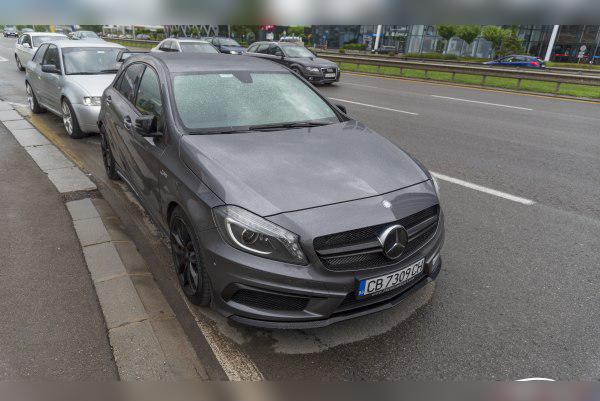
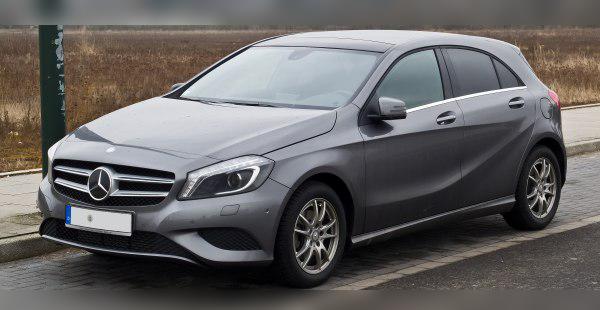
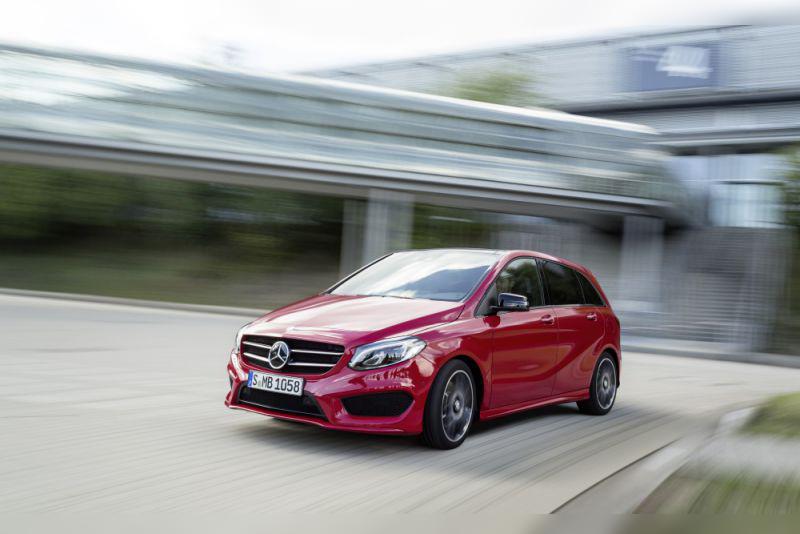
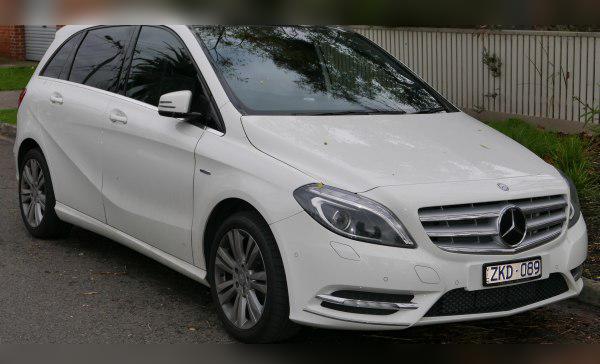
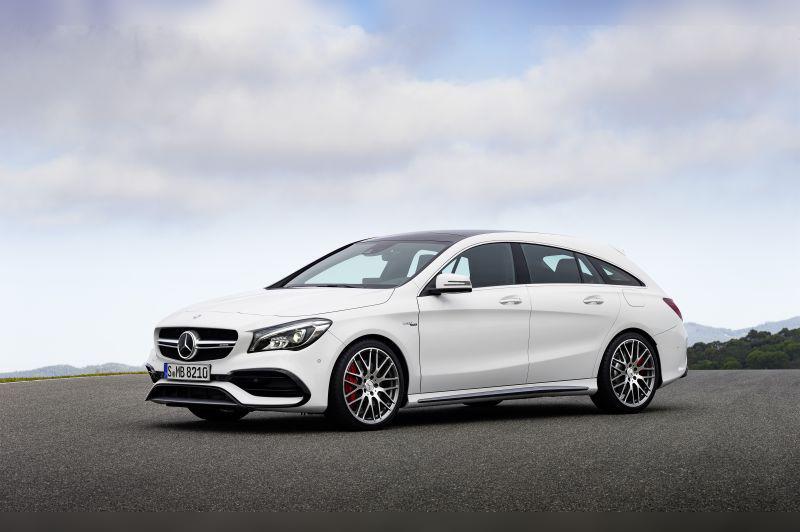
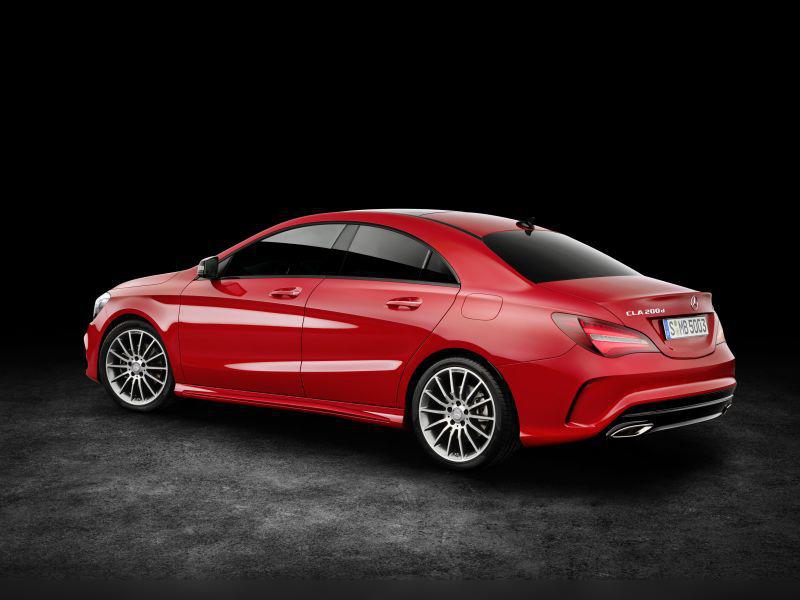
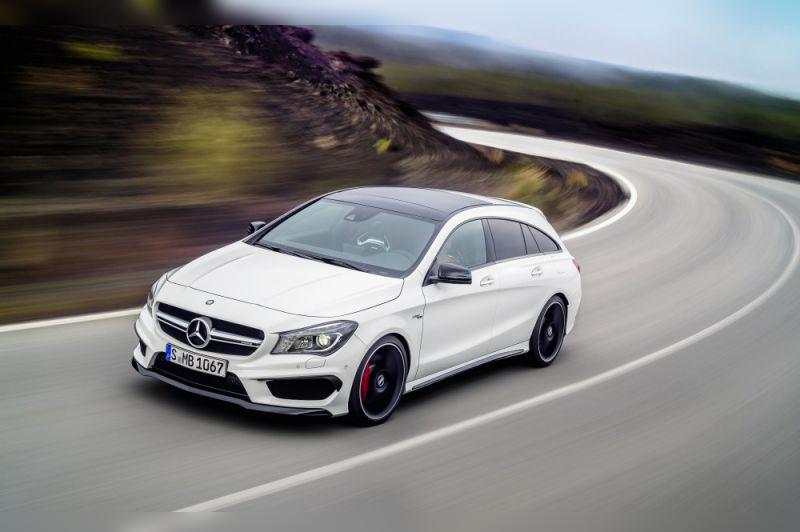
This power unit can be found under the bonnet of a wide range of models: from the A-Class (W176), B-Class (W246), through the attractive CLA and GLA models, all the way to Infiniti Q30 and QX30 models, created as a result of the cooperation between Daimler and the Renault-Nissan alliance. Thanks to the high torque of 350 Nm available at very low revs, this engine on the road feels like a modern diesel, but with the rev range and sound of a thoroughbred petrol engine.
Technical specifications
| Parameter | Data |
|---|---|
| Engine displacement | 1991 cc |
| Power | 155 kW (211 HP) |
| Torque | 350 Nm |
| Engine codes | M 270.920 |
| Injection type | Direct injection (CGI) |
| Intake | Turbocharger (intercooler) |
Reliability and maintenance
Timing system: Chain or belt?
This engine uses a timing chain. By design, the chain is intended to last as long as the engine itself, so there is no classic "major service" at a fixed mileage as with timing belt engines. However, in practice, the chain and its tensioners can show signs of stretching between 150,000 and 200,000 km. Replacing the chain kit is a preventive step if diagnostics or your ear indicate a problem.
Most common failures and symptoms
Although the M 270 is generally a reliable engine, it does have a few "teething problems":
- Camshaft phase variators (cam phasers): This is the most well-known weak point. If you hear a metallic rattling sound for a few seconds during a cold start, the problem is the cam phasers or the chain tensioner. The repair is expensive (Depends on the market).
- Thermostat: The electronically controlled thermostat often fails and stays in the open position. The driver will notice that the engine cannot reach the operating temperature of 90°C on the open road, and fuel consumption will increase drastically.
- Carbon buildup: Due to direct injection, fuel does not wash the intake valves. Over time, carbon deposits build up on them. Symptoms include rough idle, loss of power and jerking. Cleaning the valves (e.g. by walnut shell blasting) is recommended every 80,000 - 100,000 km.
Engine oil and spark plugs
The engine takes approximately 5.6 to 5.8 liters of oil (depending on the exact oil pan and cooler variant). Fully synthetic oil of grade 5W-30 or 5W-40 that meets Mercedes specification MB 229.5 is recommended. As for oil consumption, it is completely normal for the engine to use around 0.2 to 0.5 liters per 1000 km under more aggressive driving or highway use. However, a healthy engine under normal operation will not require significant top-ups between services (which should be done at a maximum of 15,000 km).
Since this is a turbocharged petrol engine with high pressure, spark plugs should be replaced every 60,000 km. Ignoring this interval can lead to coil pack failure.
Specific parts and costs
Injection system and turbocharger
The direct injection system is robust, but sensitive to poor fuel quality. Injectors rarely fail on their own, but can become clogged if the fuel filter is not replaced regularly or if questionable fuel is used. Replacing injectors is expensive (Depends on the market).
The engine has a single turbocharger supported by an intercooler. The turbo’s service life is excellent and easily exceeds 200,000 km, provided the engine is regularly serviced with quality oil and is not switched off immediately after hard driving (the turbo should be allowed to cool at idle for a few tens of seconds). On high-mileage models, the "wastegate" valve can start to whine, resulting in a drop in boost pressure.
EGR, DPF and AdBlue systems
Since the M 270 is a pure petrol engine, it does not have a DPF filter or AdBlue system. Because of this, you will not have problems with frequent regenerations and exhaust clogging in city driving, which is a huge advantage compared to diesel alternatives (such as the OM651). The engine is equipped with an EGR system for exhaust gas recirculation, which can contribute to the aforementioned intake valve carbonization, but it rarely fails completely.
Fuel consumption and performance
In the city and on the open road
With 211 HP under the bonnet, you cannot expect the fuel consumption of a small city car. In real-world conditions, city driving in heavy traffic will result in consumption between 9.5 and 11.5 l/100km. If you have a heavier model (such as the GLA or B-Class with 4MATIC), expect figures at the upper end of that range.
On the highway, the situation changes drastically. The 7-speed gearbox allows the engine to "cruise" at just 2200 to 2400 rpm at 130 km/h. In that case, fuel consumption drops to a very acceptable 6.5 to 7.5 l/100km.
Driving characteristics
Is the engine "lazy"? Absolutely not. With 350 Nm of torque available from an incredible 1,200 rpm, the feeling behind the wheel is fantastic. In lighter models such as the A-Class (A 250), this engine offers hot-hatch levels of acceleration (0–100 km/h in under 7 seconds). In heavier vehicles (Infiniti QX30, GLA 4MATIC), the body easily copes with the weight and overtaking is safe and quick.
Additional options and modifications
LPG installation
Installing a conventional LPG system on this engine is strongly not recommended. The M 270 uses advanced high-pressure direct petrol injection. For LPG to work, very specific and expensive systems are required (liquid gas direct injection or systems that constantly use petrol as well to cool the petrol injectors). Investing in such a system is very expensive (Depends on the market) and the payback period is too long. Buy this car only if you plan to run it on petrol.
Chiptuning (Stage 1 remap)
This engine is extremely "grateful" for software tuning (chiptuning). With a standard "Stage 1" remap, power can be very easily and safely raised to 250 - 260 HP, and torque can exceed 400 Nm. The turbo and engine block can handle this without any issues, but if you have an automatic gearbox (DCT), the transmission software must also be adjusted so it can withstand the additional torque without clutch slip.
Gearbox and drivetrain
Types of gearboxes and issues
This engine is very rarely found with a 6-speed manual gearbox. The most common on the market is the 7G-DCT automatic (7 speeds, dual-clutch). This automatic gearbox is fast, comfortable and economical, but it has a few important maintenance rules.
Most common 7G-DCT issues: Jerking when moving off or shifting from 1st to 2nd gear usually indicates a worn clutch, dirty oil or a problem with the mechatronics (valves that direct oil pressure). To ensure long gearbox life, the oil and filter in the gearbox must be changed strictly every 60,000 km or 5 years.
Dual-mass flywheel and clutch
Yes, both gearbox types use a dual-mass flywheel. On the rare manual gearboxes, replacing the clutch kit and dual-mass flywheel is an expected expense around 200,000 km and this job is expensive (Depends on the market). On the 7G-DCT automatic, the gearbox uses a module with two clutches immersed in oil ("wet clutch") with a damping dual-mass flywheel in front of it. Replacing the clutch kit on a DCT gearbox is very expensive (Depends on the market), but with proper oil maintenance, these systems easily cover high mileage.
Buying used and conclusion
What to check before buying?
When looking at a used car with the M 270.920 engine, absolutely insist on the following:
- Cold start: The engine must be completely cold when you start it. Listen carefully for the first 3–5 seconds. A metallic rattling sound indicates a problem with the timing chain and cam phasers.
- Gearbox test drive: Accelerate gently and hard. The 7G-DCT must shift without any jolts, jerks or hesitation when changing from higher to lower gears.
- Diagnostics (warming up): Monitor the coolant temperature gauge (or via the hidden menu). If the temperature drops below 90°C on the open road, the thermostat needs replacing.
- Smooth idle: Any shaking can be a sign of carbon buildup on the valves or worn spark plugs/coils.
Conclusion
The M 270.920 engine with 211 HP is an excellent choice for drivers who want a premium feel, plenty of power in reserve and top performance without the excessive registration costs that come with larger displacements. It is ideal for those whose daily route combines city and open-road driving. Free from the woes of modern diesels (DPF and AdBlue), this engine offers peace of mind to those who mostly drive short distances. However, regular and high-quality maintenance is the key to its longevity – if you skip gearbox services or ignore strange noises from under the bonnet, repairs will quickly empty your wallet.