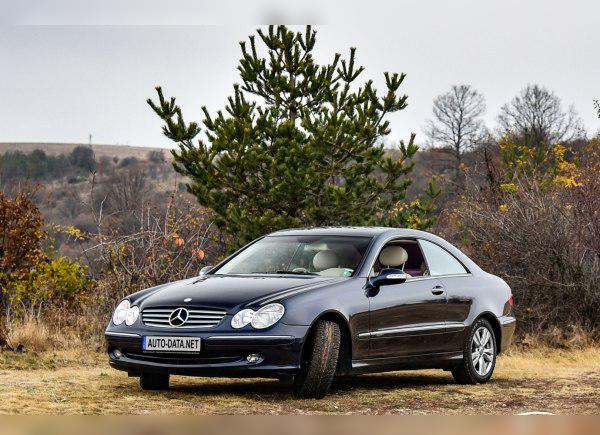
Mercedes 1.8 Kompressor (M 271.940) – Experiences, problems, fuel consumption and used car buying guide
- The engine offers an excellent balance of power and smoothness, but requires preventive maintenance of a few specific weak points.
- The timing chain is a single-row design and proven to be prone to stretching – inspection or replacement is mandatory every 80,000 to 100,000 km.
- The camshaft phase variators are sensitive and very expensive to replace; they fail due to infrequent oil changes or a stretched chain.
- It is an excellent candidate for LPG (autogas) conversion thanks to its indirect (MPI) fuel injection.
- The automatic 5G-Tronic gearbox is virtually indestructible if serviced regularly every 60,000 km.
- It does not have a conventional turbocharger but a mechanical supercharger, which has proven to be very reliable and long-lasting.
Contents
- Introduction to the M 271.940 engine
- Technical specifications
- Reliability and maintenance
- Specific parts and costs
- Fuel consumption and performance
- Additional options and modifications
- Gearbox and drivetrain
- Buying used and conclusion
Introduction to the M 271.940 engine
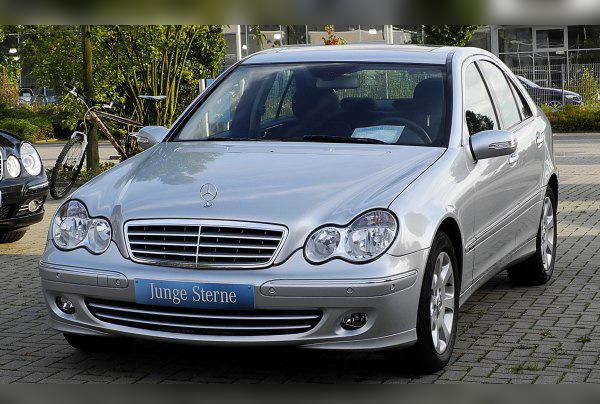
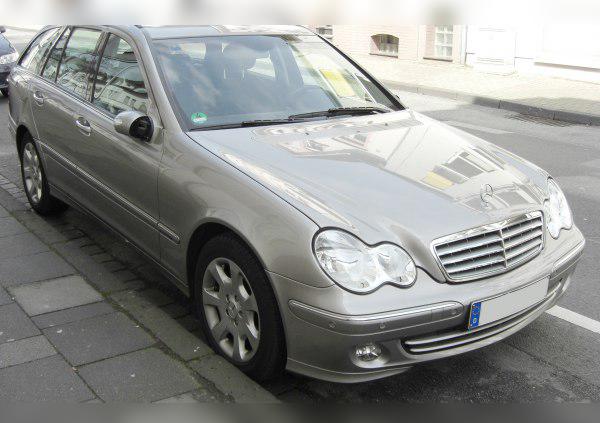
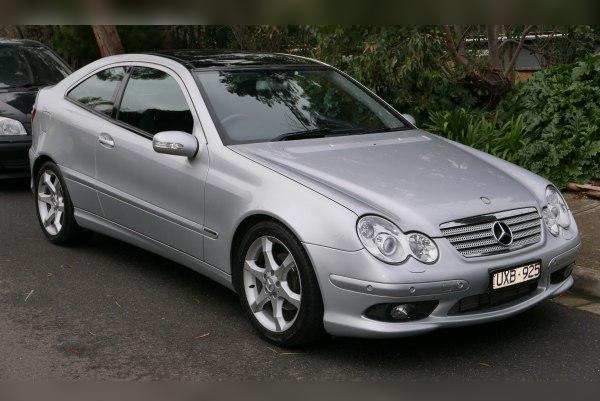
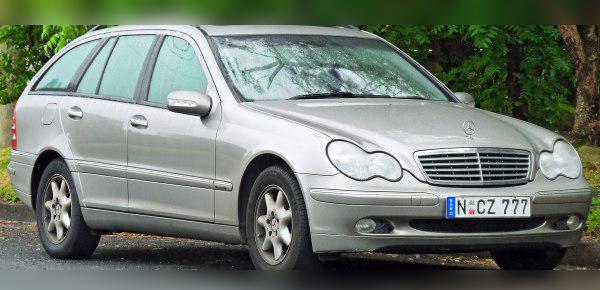
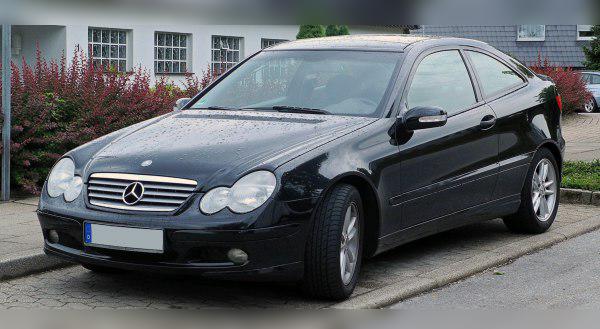
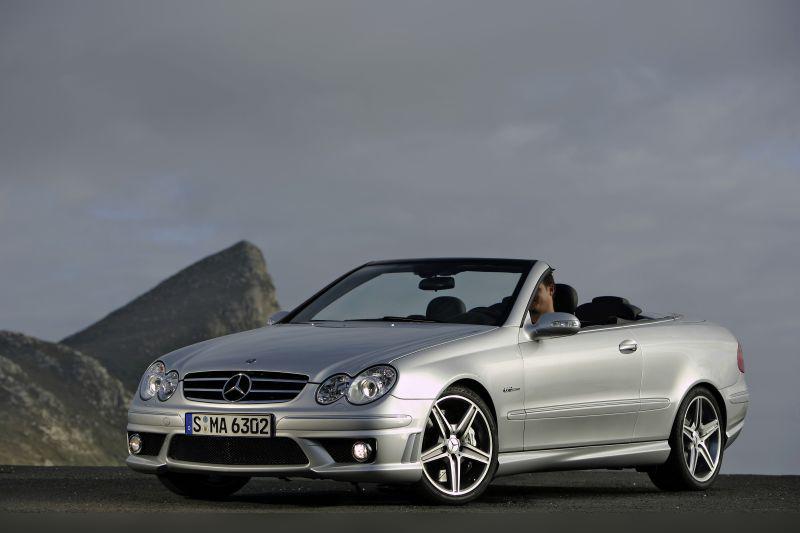
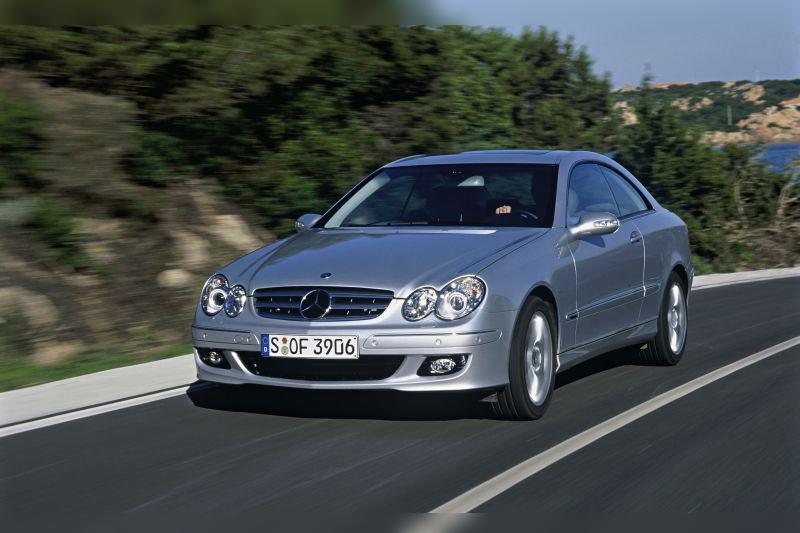
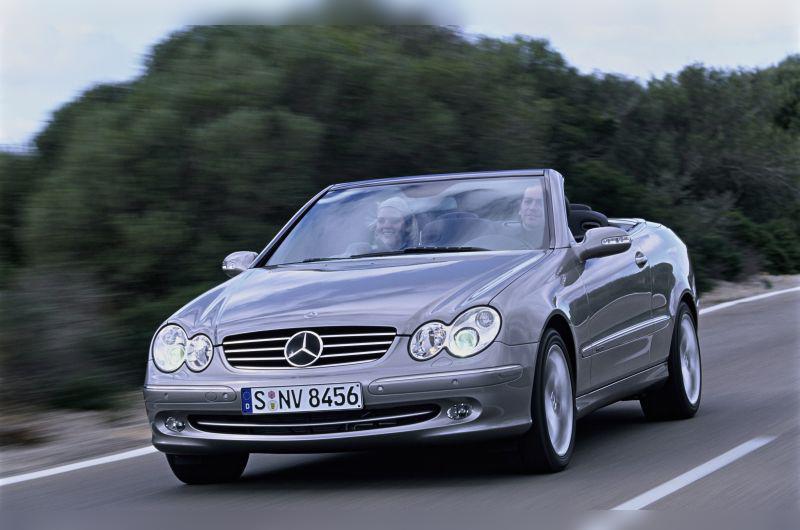
When you see the "200 Kompressor" badge on the boot lid of a Mercedes C-Class (W203, S203, CL203) or the elegant CLK coupe (A209, C209), the engine under the bonnet is the one with the code M 271.940. Although the number 200 suggests a displacement of two litres, this is in fact a 1.8-litre four-cylinder petrol engine. In the first decade of the 2000s, this unit formed the backbone of Mercedes’ mid-size petrol engine range. Thanks to the mechanical supercharger, the engineers managed to extract 163 hp with torque available already at low revs, giving this petrol engine driving characteristics similar to a diesel, but with a much quieter operation and a more refined sound.
Technical specifications
| Specification | Data |
|---|---|
| Displacement | 1796 cc |
| Power | 120 kW (163 hp) |
| Torque | 240 Nm |
| Engine code | M 271.940 |
| Injection type | Indirect (Multi-Point Injection - MPI) |
| Charging type | Mechanical supercharger with intercooler |
| Timing drive | Chain (single-row) |
Reliability and maintenance
One of the most important aspects of this engine is the fact that it uses a timing chain rather than a timing belt. However, Mercedes made a compromise here and fitted a single-row chain (the so-called “bicycle-style” chain). Due to the load created by the valves and the supercharger, this chain is prone to stretching. There is no “major service” in the classic sense with a fixed time interval; instead, it is based on chain inspection. The recommendation is to replace the chain set with tensioners and guides preventively every 80,000 to 100,000 km. If the chain stretches and jumps a tooth, it leads to catastrophic engine failure and contact between valves and pistons. A typical symptom of chain stretch is a characteristic metallic rattling on cold start, lasting 2 to 3 seconds.
The second most common issue is the so‑called “camshaft magnets” (position sensors). Over time, they start leaking oil through the connector pins. The oil then travels by capillary action through the wiring and can reach the ECU, causing major damage. The solution is to install so‑called “separator cables” that prevent oil from entering the wiring loom.
As for regular servicing, this engine takes about 5.5 litres of engine oil. The recommended viscosity is 5W-40 (with Mercedes specifications MB 229.3 or MB 229.5). The M 271 engine is known to consume up to 0.5 litres of oil per 10,000 km under normal operating conditions. Increased oil consumption (over 1 litre between services) is most often the result of a clogged PCV valve (crankcase ventilation system), which creates pressure and forces oil into the supercharger and intake manifold. On this petrol engine, spark plugs are recommended to be replaced every 60,000 km to avoid overloading the ignition coils, which can easily burn out when the plugs are worn.
Specific parts and costs
As a classic petrol engine from that period, the M 271.940 does not suffer from modern “eco-diseases”. This engine does not have a DPF filter, does not have an EGR valve (it uses a secondary air injection system and valve overlap instead) and of course does not use AdBlue fluid. This drastically reduces maintenance costs compared to diesels.
The injection system is indirect (MPI), and the injectors themselves are extremely robust and rarely cause problems. If they do become clogged, ultrasonic cleaning is usually inexpensive and very effective.
It is important to note that this engine does not have a turbocharger. Its power comes from a mechanical supercharger, most commonly an Eaton unit (model M65). Unlike a turbo, which spins at extreme temperatures and speeds driven by exhaust gases, the supercharger is driven by the auxiliary belt. Its service life is excellent, often exceeding 300,000 km without overhaul. However, there is a small amount of special oil (around 130 ml) inside the supercharger housing that most owners forget to change. If the oil is not replaced, the bearings inside the supercharger can be damaged, which manifests itself as a whining noise similar to a worn wheel bearing or a failing power steering pump.
Dual-mass flywheel
The situation with the dual-mass flywheel depends on the gearbox fitted. If the car has a manual gearbox, a dual-mass flywheel is present and its role is to absorb vibrations. Due to the high torque at low revs, it is subjected to significant stress. The cost of replacing the clutch and dual-mass flywheel set is very high (depends on the market). Cars with an automatic gearbox do not have a dual-mass flywheel; instead, they use a torque converter, which is far more durable.
Fuel consumption and performance
Although very smooth, the M 271.940 engine is not a fuel economy champion in urban conditions. Real-world consumption in heavy city traffic with frequent stop‑and‑go cycles is between 11 and 13 l/100 km, especially in versions with the automatic gearbox.
In practice, the engine does not feel “lazy”, despite the fact that the C‑Class and CLK weigh over 1.5 tonnes. With 240 Nm of torque (available from around 3000 rpm), the supercharger responds instantly to throttle input, without the so‑called “turbo lag” typical of conventional turbo engines.
On the motorway this engine really shines as a proper cruiser. At 130 km/h, the engine runs at about 2800 to 3000 rpm in fifth gear (with the automatic gearbox), or in sixth with the manual. At that point it is extremely quiet in the cabin, and fuel consumption on the open road can drop to a more reasonable 7.5 to 8.5 l/100 km.
Additional options and modifications
This is one of the best engines for LPG conversion. Since it uses indirect injection (MPI), a sequential LPG system can be installed without any complications. The engine does not require additional petrol for injector cooling (which is an issue with newer CGI engines), and LPG does not harm the valves if the mixture is properly calibrated. Given the city fuel consumption, installing LPG is highly cost‑effective.
When it comes to increasing power (remapping / Stage 1), there is a small catch. Because the system does not use a turbo, a simple software remap does not bring huge gains (perhaps around 10–15 hp). To really wake this engine up, you need to fit a smaller supercharger pulley so that the supercharger produces higher boost pressure, with mandatory software adjustment. With this mechanical and software upgrade, the engine can be safely taken to around 190 to 200 hp, which is about the reliability limit for the stock components.
Gearbox and drivetrain
With the M 271.940 you will find two basic types of gearboxes on the market: a 6‑speed manual and the famous 5‑speed automatic (5G‑Tronic, code 722.6).
The manual gearboxes are mechanically very robust, but after high mileage the selector linkage can develop play, making gear engagement imprecise. As mentioned, the cost of the clutch and dual‑mass flywheel is a major expense.
The 5G‑Tronic automatic is legendary in terms of reliability, provided the owner takes care of it. Its biggest weak point is the conductor plate – the electronic board on which the transmission speed sensors fail. The symptom of this fault is that the gearbox gets stuck in one gear (“limp mode”) or jolts when shifting from P to R or D. Also, the gearbox connector (plug) can leak, allowing oil to enter the wiring. Proper maintenance of the automatic gearbox requires changing the oil, filter and gasket every 60,000 km. As for the manual gearbox, even though many mechanics say the oil never needs changing, it is wise to replace it at 100,000 km to ensure smoother shifting.
Buying used and conclusion
When buying a C‑Class or CLK with this engine, the inspection must always be carried out with the engine completely cold. Listen carefully: if you hear rattling from under the bonnet at the first start, immediately negotiate the price down, because a chain replacement is due (very expensive, depending on the market). After that, open the bonnet, remove the plastic cover from the front of the engine and inspect the connectors on the camshaft magnets – if they are oily and dirty, this is a sign that the wiring needs a thorough check.
Always connect the car to a proper diagnostic tool. Check the operating parameters of the camshaft variators. If the diagnostics report errors in the timing angles, this points to worn sprockets (variators), which are extremely expensive components on this engine. There should be no bluish smoke from the exhaust when you blip the throttle at idle, as this indicates a problem with the PCV valve or worn piston rings.
Who is this engine for?
A Mercedes with the M 271.940 engine is ideal for drivers who value calmness, smoothness and the linear power delivery provided by the supercharger. Thanks to the possibility of LPG conversion, it is an excellent choice for those who cover serious mileage but do not want to deal with the extremely expensive failures of modern diesel engines (diesel injectors, DPF, dual‑mass flywheel handling 400 Nm of torque). If you find an example where the chain and timing components have been replaced on time, you will get a very loyal and comfortable companion that will not let you down even on the longest journeys.