Engine M 272.920 (2.5 V6 204 HP) – Experiences, problems, fuel consumption and buying used
- Silky-smooth V6 operation: Exceptionally smooth running and linear power delivery, typical for naturally aspirated six‑cylinder engines.
- Troublesome timing (balance shaft gear): The biggest weakness of early series of this engine, which requires engine removal for repair.
- Timing chain: The engine does not use a belt, but a chain that should be inspected after 150,000 km.
- Fuel consumption: Due to the weight of the body and the V6 architecture, city fuel consumption is high.
- Excellent for highway cruising: When paired with the 7G‑Tronic gearbox, it becomes a perfect high‑speed cruiser.
- LPG (Autogas): Thanks to indirect injection, the engine handles LPG conversion very well.
- Conclusion: A great engine if you find a car where the chain and balance shaft issues have already been properly resolved.
Contents
- Introduction and engine characteristics
- Technical specifications
- Reliability and maintenance
- Specific parts and costs
- Fuel consumption and performance
- Additional options and modifications
- Gearbox and drivetrain
- Buying used and conclusion
Introduction and engine characteristics
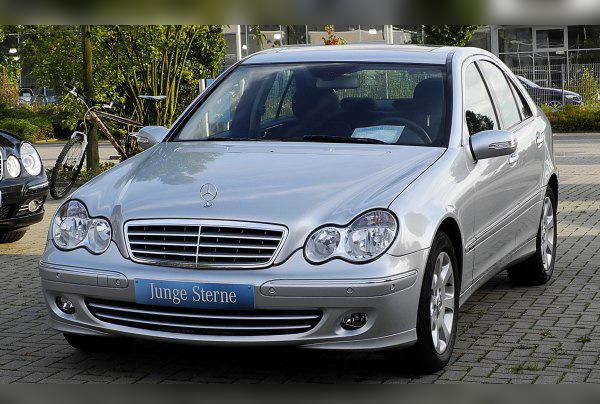
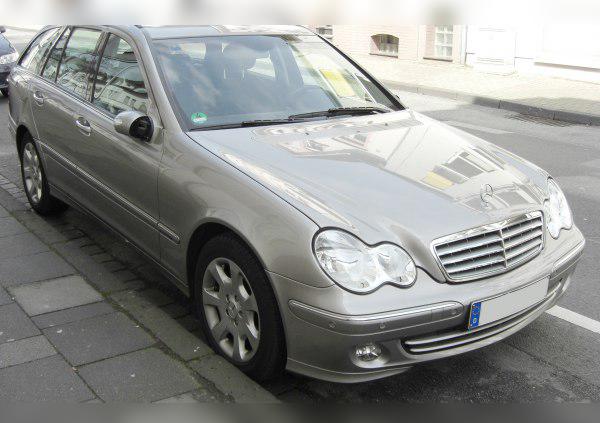
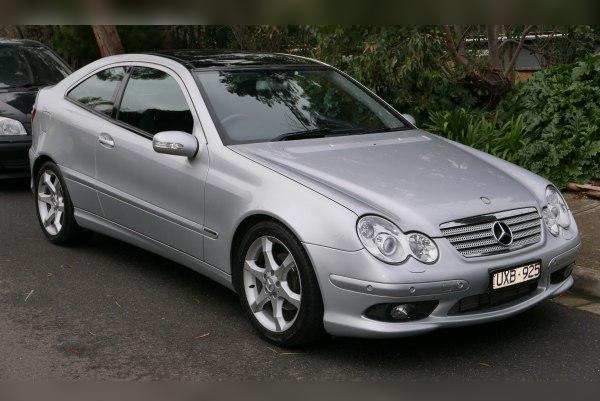
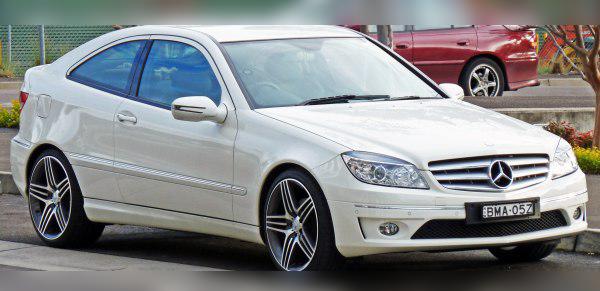
The engine with the code M 272.920 represents a transitional generation of Mercedes V6 units that replaced the legendary but outdated M112. With a displacement of just under 2.5 liters, this engine delivers 150 kW (204 HP) and was installed in the W203 C‑Class (and its derivatives such as the Sport Coupe and CLC models) after the 2004 facelift. Mercedes’ goal was to provide exceptional smoothness, cabin quietness and longevity. Although this goal was achieved in terms of comfort and driving characteristics, early series of the M272 engines brought serious headaches to owners due to poor material choices inside the engine itself.
Technical specifications
| Parameter | Value |
|---|---|
| Displacement | 2496 cc |
| Power | 150 kW (204 HP) |
| Torque | 245 Nm |
| Engine code | M 272.920 |
| Injection type | Indirect (Multi‑Point Injection – MPI) |
| Induction type (Turbo/Naturally aspirated) | Naturally aspirated* |
*Note: Although some databases mistakenly list a supercharger due to confusion with the four‑cylinder M271 "Kompressor" engines, the M 272.920 is a thoroughbred naturally aspirated V6 and does not feature any kind of forced induction.
Reliability and maintenance
Timing chain and problematic balance shaft
This engine uses a timing chain instead of a timing belt. The idea behind a chain is that it should last as long as the engine itself, but with the M272 series this is often not the case. The biggest and best‑known failure on this engine is wear of the balance shaft gear (the shaft that balances engine operation). The gear is made of metal that is too soft, so over time it gets "eaten away". When that happens, the chain loses tension and the engine timing goes out of sync.
Symptoms: The driver will first notice the "Check Engine" light coming on. Diagnostics most often show error codes P0016 or P0017 (correlation errors between the crankshaft and camshaft sensors). You may hear a characteristic chain rattle, and the engine can run roughly at idle. Replacement is extremely demanding because it requires removing the engine from the car. Due to the scope of work, this is very expensive (depends on the market). Because of this, there is no fixed interval for a major timing service; instead, the chain is replaced when symptoms appear or after roughly 150,000 to 200,000 km, depending on its condition.
Oil and regular servicing
The M 272.920 requires a large amount of engine oil – the sump holds a full 8 liters. Fully synthetic 5W‑30 or 5W‑40 oil that meets MB 229.3 or 229.5 specifications is recommended. As for oil consumption, Mercedes tolerates up to 0.8 liters per 1000 km, but in practice a healthy engine of this type will use about 1 to 1.5 liters of oil between two services (every 10,000 – 15,000 km), which is considered completely normal.
Spark plugs and ignition coils
As a petrol engine in V6 configuration, it has 6 spark plugs. They are recommended to be replaced every 60,000 to 80,000 km. If this is neglected, ignition coils (each cylinder has its own coil) can fail, which manifests as jerking under acceleration and loss of power.
Specific parts and costs
The fuel injection system on this engine is indirect (MPI). This is actually a big advantage from a maintenance perspective. Petrol injectors are extremely durable, rarely fail and are not prone to carbon buildup on the intake valves, which is a common issue on more modern direct‑injection engines.
Since this is a naturally aspirated petrol engine, it does not have a turbocharger, it has no DPF filter and no AdBlue system. Of the emissions‑related components, it has an EGR valve and a secondary air injection system. The EGR valve clogs far less often than on diesel engines, but with predominantly city driving it may occasionally require cleaning of the throttle body and intake manifold (which has plastic swirl flaps that tend to crack in later stages of use).
When it comes to the clutch, models with a manual gearbox have a dual‑mass flywheel, and replacing it together with the clutch kit is expensive (depends on the market).
Fuel consumption and performance
On‑road behavior
With its 204 HP and 245 Nm, this unit is not a race engine, but it is by no means "lazy". The weight of the C‑Class and its derivatives makes the car feel a bit heavy on the throttle at low revs. The reason is the lack of a turbocharger – maximum torque is only available at higher engine speeds. Therefore, for the car to really show its strength, the engine needs to be revved.
City and highway consumption
Expecting real fuel efficiency from an old‑school V6 petrol engine is unrealistic. In heavy stop‑and‑go city traffic, real‑world consumption is between 13 and 15 l/100 km. On country roads, consumption can drop to a reasonable 8 to 9 l/100 km. On the motorway at 130 km/h, this engine feels "right at home". If paired with the 7G‑Tronic gearbox, in 7th gear it cruises at a very relaxed ~2400 rpm. At that speed, fuel consumption is around 9.5 to 10.5 l/100 km, with minimal noise in the cabin.
Additional options and modifications
LPG conversion
Due to the aforementioned indirect fuel injection, the M 272.920 is extremely suitable for the installation of a sequential LPG system. The valves are sufficiently durable, so a valve lubrication system (the so‑called "dripper") is generally not necessary, although it does no harm. With a properly calibrated LPG system, the power loss is negligible, and given the high city petrol consumption, the investment in LPG pays off relatively quickly.
Chiptuning
Since this is a naturally aspirated engine, a "Stage 1" remap is not worth it. By optimizing the software (ignition and fuel maps), you can gain at most 10 to 15 HP and about 15 Nm of torque. In practice, the driver will hardly notice this, so the money is better spent on regular maintenance or a good set of tyres.
Gearbox and drivetrain
Two types of gearboxes were most commonly paired with this engine: a 6‑speed manual and the famous 7‑speed automatic (7G‑TRONIC, code 722.9).
Manual gearbox
The manual gearboxes are extremely robust and generally trouble‑free. Their only downside is that the gear lever often feels imprecise compared to rivals. As mentioned, the problem at higher mileage is wear of the clutch kit and the dual‑mass flywheel, which is a major hit to the budget.
7G‑TRONIC automatic gearbox
This automatic gearbox does not use a dual‑mass flywheel, but a hydrodynamic torque converter. The most common issue with the 7G‑Tronic is the so‑called conductor plate (valve body electronics). Symptoms of failure include jerking when shifting from 2nd to 1st gear while stopping, "sticking" in one gear (limp mode) and harsh engagement of "D" or "R". Repairing the valve body is not cheap and often requires programming with specialized diagnostic tools.
Gearbox service: For the 7G‑Tronic to have a long life, it is absolutely essential to change the oil and filter every 60,000 km. Skipping this service is a guaranteed path to destruction of internal components and clutch packs in the gearbox.
Buying used and conclusion
What to check before buying?
- Engine number: The most important item! Using the VIN (chassis number) and Mercedes’ database, check whether that particular M272 belongs to the series with the factory‑defective balance shaft. If it does, ask for proof that this repair has already been carried out in the past.
- Cold start: Ask the seller to keep the engine completely cold before you arrive. When starting it for the first time, listen carefully. Any rattling, grinding or "metallic" knocks from the front of the engine in the first 2–3 seconds indicate a stretched chain or problems with the cam phasers (so‑called "Vanos" gears).
- Diagnostics: Do not buy without connecting the car to professional diagnostics (ideally Mercedes "Star" diagnostics). Check the camshaft angle parameters and the gearbox fault history.
- Oil leaks: Oil often leaks from the valve covers, oil cooler and the rear crankshaft seal (between the engine and gearbox).
Who is this engine for?
The M 272.920 engine is not for everyone. It is intended for drivers who prioritize comfort, cabin quietness and long highway journeys over pure sporty acceleration. Its design provides a beautiful sound and refinement that four‑cylinder engines can never achieve. However, the buyer must be aware of the fuel consumption and the potentially very high maintenance costs if they end up with a neglected example with a poorly maintained timing chain.