Mercedes M 272.960 (3.5 V6 272 HP) – Experiences, problems, fuel consumption and used car buying tips
- Great performance and smoothness: The 272 HP V6 engine delivers excellent power and linear acceleration.
- Biggest downside: The notorious balance shaft gear, whose replacement requires engine removal and is a very expensive repair.
- Intake manifold: Plastic linkages and flaps in the intake manifold tend to break after 150,000 km.
- Fuel consumption: Expect high fuel consumption in the city (often over 14 l/100 km), while it is quite economical on the open road.
- LPG (Autogas): It handles LPG conversion very well because it has indirect (MPI) injection.
- Gearbox: The famous 7G-Tronic requires regular maintenance and suffers from issues with the electro-hydraulic conductor plate.
- Buying recommendation: Only buy examples with proven service history where the early issues of this engine have already been resolved.
Contents
- Introduction and basic information
- Technical specifications
- Reliability and maintenance
- Specific parts and costs
- Fuel consumption and performance
- Additional options and modifications
- Transmissions and power delivery
- Buying used and conclusion
Introduction and basic information
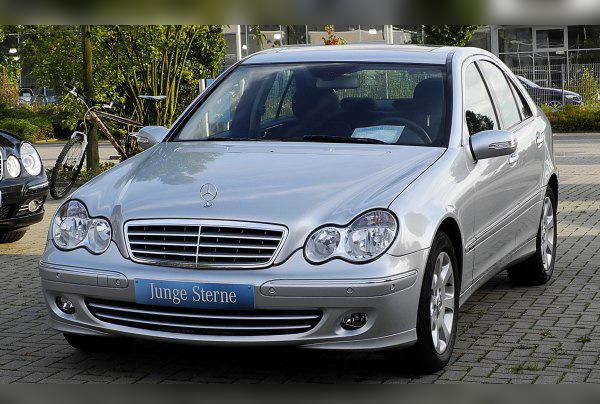
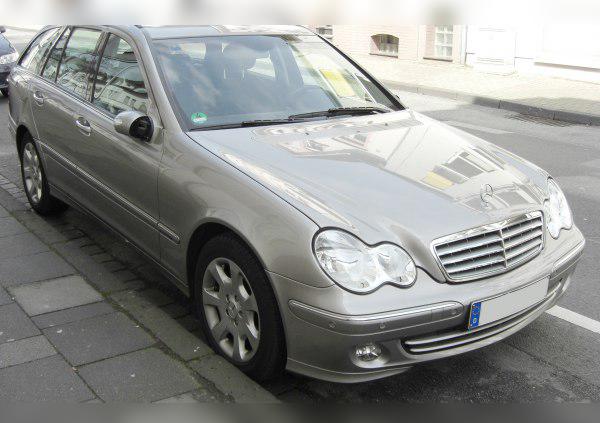
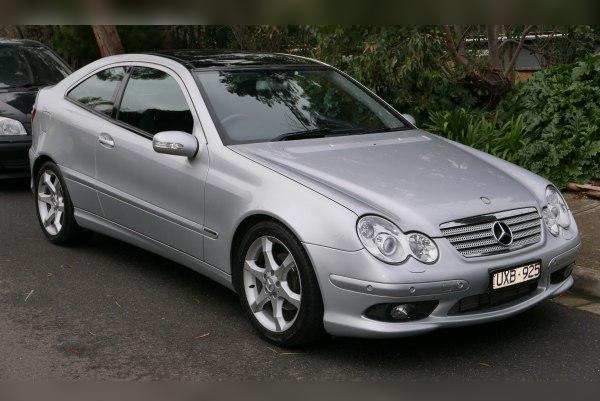
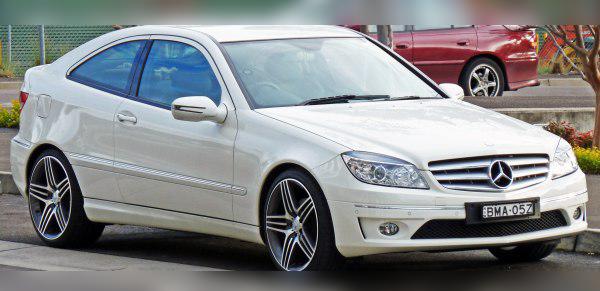
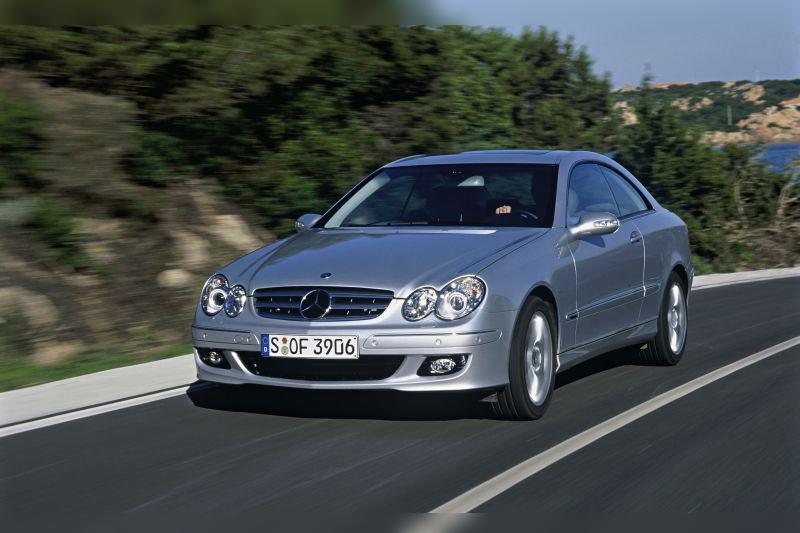
The M 272.960 engine is one of Mercedes’ best-known V6 petrol engines from the mid-2000s. It replaced the older M112 units, bringing four valves per cylinder, variable valve timing and significantly more power. It was installed in a wide range of models, including the C-Class (W203 and S203 estate), CLK (A209/C209) and later CLC models. With its 272 horsepower, this engine was designed to provide a premium feel, top-notch smoothness and serious performance, but unfortunately it also became known for some serious engineering flaws that can cost owners a small fortune.
Technical specifications
| Specification | Data |
|---|---|
| Engine code | M 272.960 |
| Displacement | 3498 cc (3.5L V6) |
| Power | 200 kW (272 HP) |
| Torque | 350 Nm |
| Injection type | Indirect (MPI – Multipoint) |
| Aspiration | Naturally aspirated |
| Fuel type | Petrol |
Reliability and maintenance
Maintaining this engine requires a deeper pocket, and reliability depends entirely on whether the factory defects have already been eliminated.
Timing system: Chain and the infamous balance shaft issue
The engine uses a timing chain. A “major service” in the classic sense (where a timing belt is replaced every 100k km) does not exist here, but the timing system is far from perfect. The biggest nightmare for owners of this engine is the balance shaft gear. The material used for the gear on early series was too soft, causing the teeth to wear and the chain to jump out of phase. Symptoms include rough running, the Check Engine light coming on (fault codes P0016 and P0017) and loss of power. Fixing this issue is very expensive (depends on the market), because it requires complete engine removal from the car, removing the heads and replacing the balance shaft, chain, guides and tensioners. The chain and its associated components are usually inspected and, if necessary, replaced between 150,000 and 200,000 km.
Oil and spark plugs
The sump of this large V6 holds about 8 liters of oil. High-quality synthetic oil with a viscosity of 5W-30 or 5W-40 that meets Mercedes MB 229.5 specification is recommended. As for oil consumption, the M272 can use about 0.5 to 1 liter per 10,000 km, which is considered normal, especially if driven briskly on the motorway. If consumption is higher, the problem usually lies in the PCV valve (oil separator) or leaks at the camshaft plugs at the rear of the engine. Since this is a petrol engine, spark plugs are replaced every 90,000 km or every 5 years. There are a total of 6 spark plugs, and their replacement is affordable and not complicated.
Specific parts and costs
The good news with the M 272.960 engine is what it doesn’t have. As a thoroughbred naturally aspirated petrol engine with indirect injection, this engine has no turbochargers, no DPF filter and no AdBlue system. This avoids many of the expensive failures typical of modern diesels and turbo petrol engines.
Injection system and intake manifold
The engine uses classic indirect (MPI) injection into the intake manifold. The petrol injectors are very reliable, rarely fail and are not particularly sensitive to lower fuel quality, and in case of failure, used or aftermarket ones are not expensive. However, a major weak point is the variable-length intake manifold. Inside it there are plastic flaps and linkages that control airflow. Over time, this plastic hardens, cracks and the flaps get stuck. Symptoms include rough idle, lack of power at low revs and fault codes on diagnostics. A new intake manifold is quite an expensive investment (depends on the market), although independent repair kits with aluminium linkages do exist.
The engine uses a standard EGR system and a secondary air pump for emissions. The EGR valve can get clogged with soot, but it is easy to clean and does not represent a catastrophic expense.
Fuel consumption and performance
With 350 Nm of torque, this V6 is anything but “lazy”. Whether in the relatively light C-Class (W203) or the heavier CLK convertible, the car accelerates strongly and has excellent in-gear acceleration. The sound of the V6 at higher revs is clean and sporty.
However, the 3.5-liter displacement takes its toll at the fuel pump. Real-world city consumption rarely drops below 14 l/100 km, and in heavy stop-and-go traffic it can easily reach 16 to 17 liters. On the other hand, the open road and motorway are this engine’s natural environment. Thanks to good aerodynamics and pairing with the seven-speed gearbox, on the motorway at 130 km/h the engine cruises at a very relaxed ~2400 to 2500 rpm. Fuel consumption then drops significantly to a perfectly acceptable 8.5 to 9.5 l/100 km.
Additional options and modifications
LPG conversion (Autogas)
Since it has indirect (port) injection, this engine is extremely suitable for a sequential LPG system. Unlike later CGI engines with direct injection, here the installation is not overly complicated, and given the high city fuel consumption, the investment in an LPG system pays off very quickly. The engine handles LPG very well and performance does not noticeably drop, provided the map is properly tuned.
Remapping (Stage 1)
As a classic large-displacement naturally aspirated engine, the M 272.960 is quite resistant to cheap “chip tuning”. Stage 1 software remapping can bring minimal gains, usually around 15 to 20 HP and a similar increase in torque. The driver may notice a slightly sharper throttle response, but the dramatic performance jump we see with turbo engines simply isn’t there. Considering the cost and potential stress on the engine, chiptuning is not really worth it for this unit.
Transmissions and power delivery
The vast majority of these engines are paired with the 7G-TRONIC automatic transmission (code 722.9), while models with the 6-speed manual gearbox are quite rare but do exist (mainly in the C-Class and Sport Coupe/CLC variants).
Automatic transmission (7G-Tronic)
This gearbox offers excellent comfort, but early 7G-Tronic units (specifically those from 2004–2007) had some teething problems. The most common failure is the electro-hydraulic conductor plate and the speed sensors inside the gearbox. Symptoms include jerking when changing gears, getting stuck in “limp mode” (moving only in one gear) and harsh engagement when shifting from P to D or R. Servicing this plate is expensive (depends on the market). The gearbox requires regular servicing and oil changes every 60,000 km. If the oil has been changed on time, the mechanical parts of the gearbox are extremely robust.
Manual gearbox and dual-mass flywheel
If you come across the rarer version with a manual gearbox, it is important to know that this model has a dual-mass flywheel. Due to the high torque (350 Nm), the flywheel is under significant stress. Symptoms of wear include vibrations at idle, metallic rattling when switching off the engine and juddering when moving off from a standstill. Replacing the clutch kit and dual-mass flywheel on a V6 engine is a very expensive job (depends on the market).
Buying used and conclusion
Buying a Mercedes with the M 272.960 engine can be the best or the worst decision, depending on the condition of the particular car. Here is what you absolutely must check:
- Engine number and balance shaft: This is the absolute priority. Before buying, make sure to read the engine code. Mercedes later solved the problem with the soft gear, but early model years must undergo a thorough inspection. Connecting the car to the original diagnostic system (STAR/Xentry) is mandatory in order to check camshaft angle deviations.
- Cold start: Ask the seller not to start the car before you arrive. At cold start, listen carefully. A short rattling noise (1–2 seconds) may indicate a stretched chain or a weak tensioner.
- Intake manifold: Physically inspect the front of the engine. Try to spot the plastic linkages of the intake manifold; if they are oily, cracked or do not move when you blip the throttle, an expensive repair is looming.
- Gearbox behaviour: During the test drive, pay attention to the shifts from 1st to 2nd and from 2nd to 3rd gear. Jerks when cold or hot are a sign that the conductor plate or valves are failing.
Who is this engine for? The Mercedes M 272.960 is ideal for drivers who cover a lot of kilometres on the open road, appreciate quiet, seamless V6 power delivery and are prepared to pay the maintenance costs of the premium segment. It is also an excellent choice for petrol enthusiasts who want to reduce running costs by installing an LPG system. If you buy a car where previous owners have already dealt with the intake manifold and balance shaft issues (with invoices to prove it), you will get a very durable and fantastic engine that will cover hundreds of thousands of kilometres without problems.