Mercedes-Benz 1.6 M 274.910 (156 HP): Experiences, problems, fuel consumption and used-car buying tips
- Great balance: A turbocharged petrol engine with direct injection that offers an excellent compromise between performance and everyday efficiency.
- Engine drive: Uses a timing chain that is reliable but requires attention at higher mileage, especially when it comes to camshaft phase adjusters.
- Injection system: Direct injection requires high-quality fuel and inevitably leads to carbon buildup on the intake valves.
- Transmissions: Pairs perfectly with the 7G-TRONIC and 9G-TRONIC automatic transmissions, but regular gearbox servicing every 60,000 km is an absolute must.
- LPG: Due to its specific design and direct injection, LPG installation is complicated and generally not recommended.
- Fuel consumption: Expect around 8.5 to 10 liters in city driving, while on the motorway it is an extremely economical cruiser.
- Buying: Diagnostics and checking how it runs on a cold start are mandatory before signing the purchase contract.
Contents
- Introduction and basic information
- Technical specifications
- Reliability, maintenance and failures
- Specific parts and injection system
- Fuel consumption and performance
- Additional options: LPG and Chiptuning
- Gearbox and drivetrain
- Buying used and conclusion
Introduction and basic information
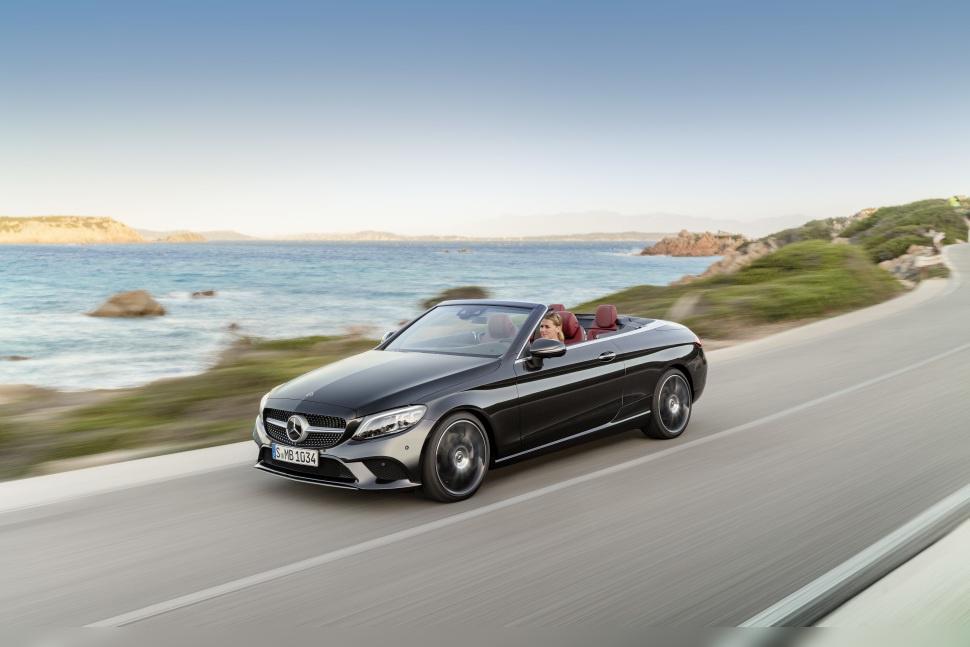
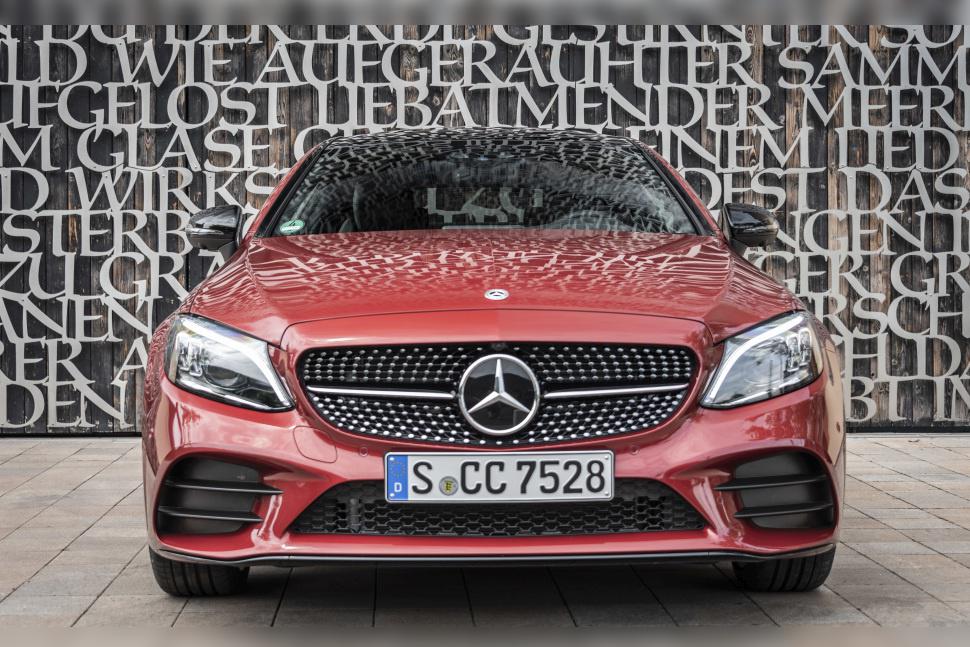
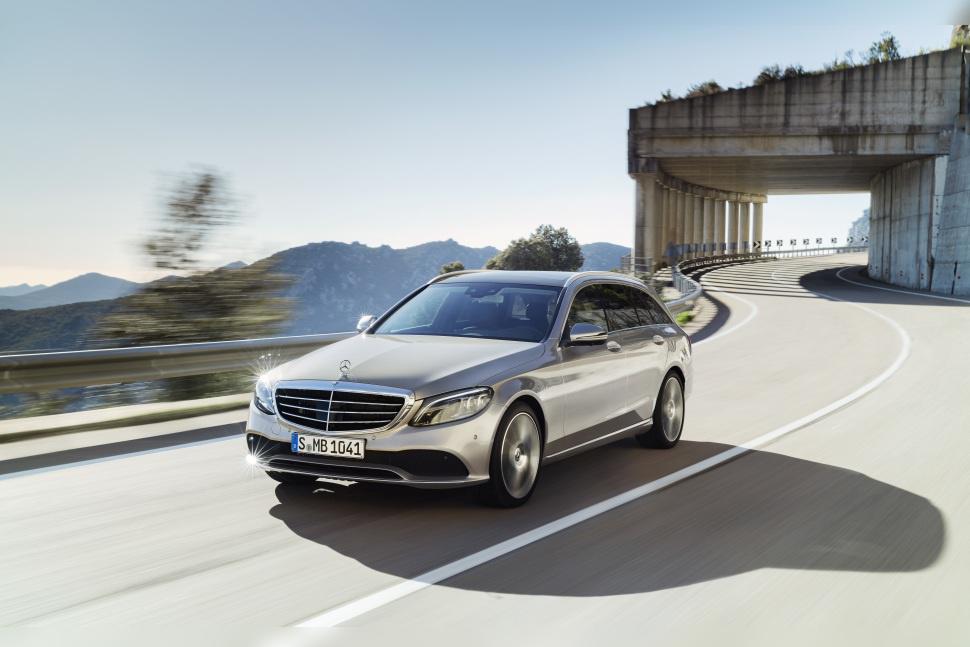
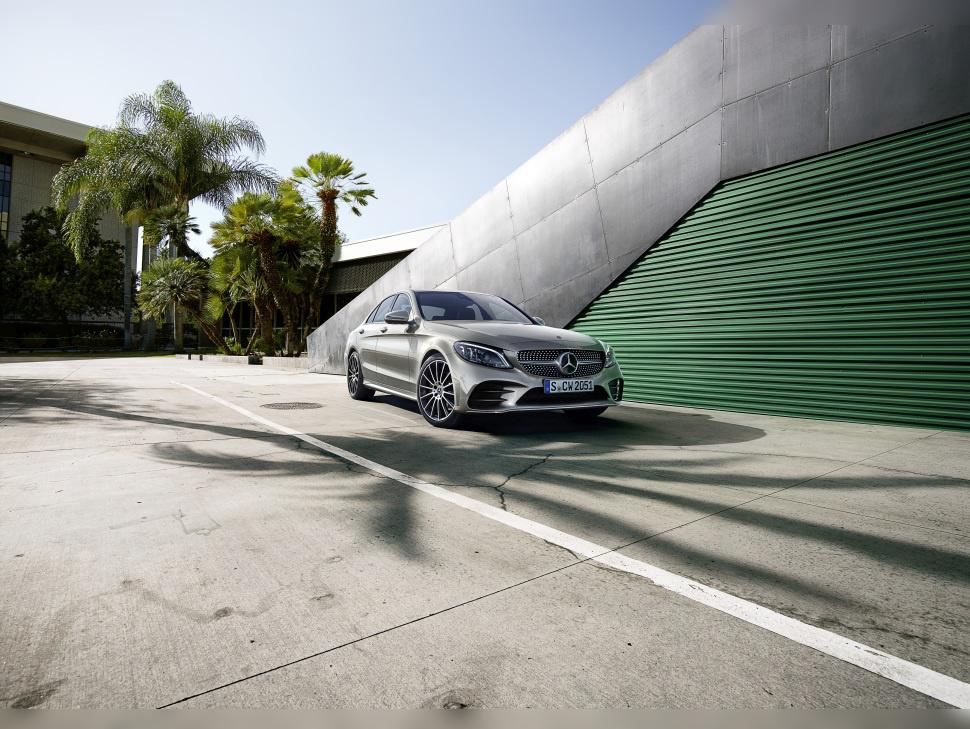
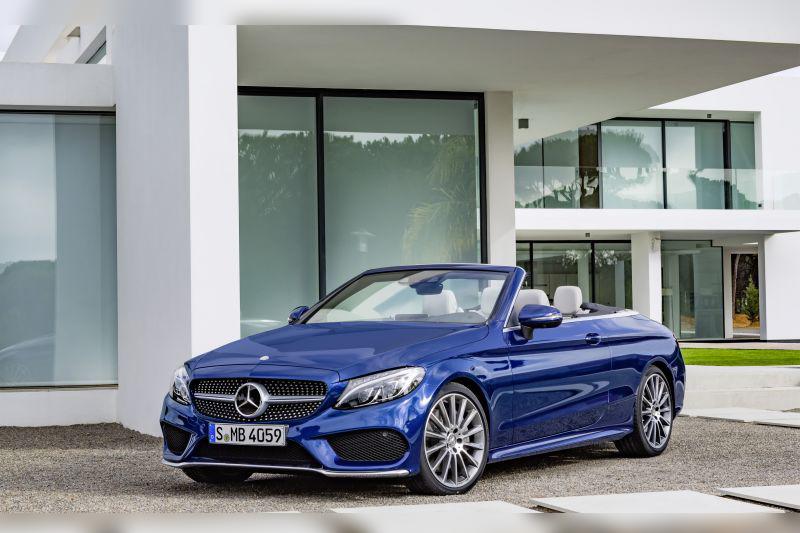
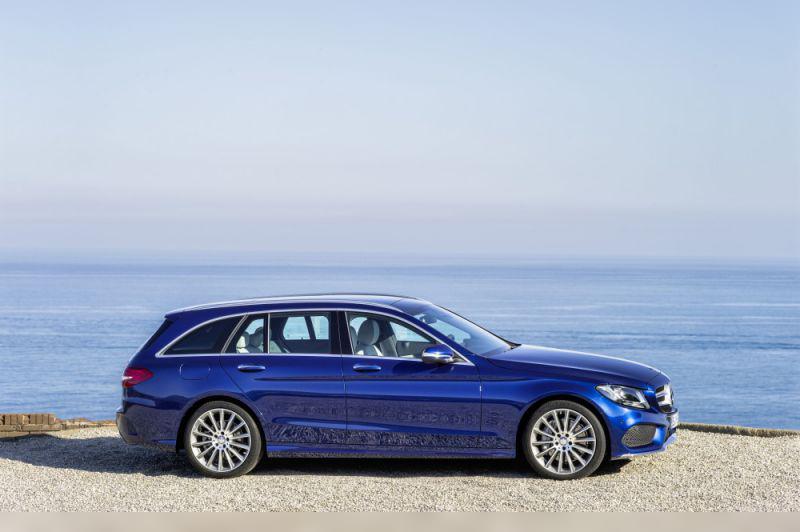
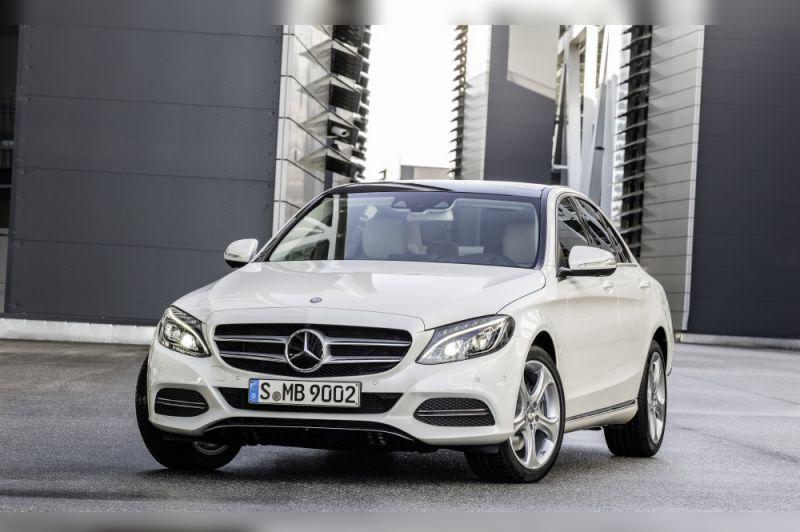
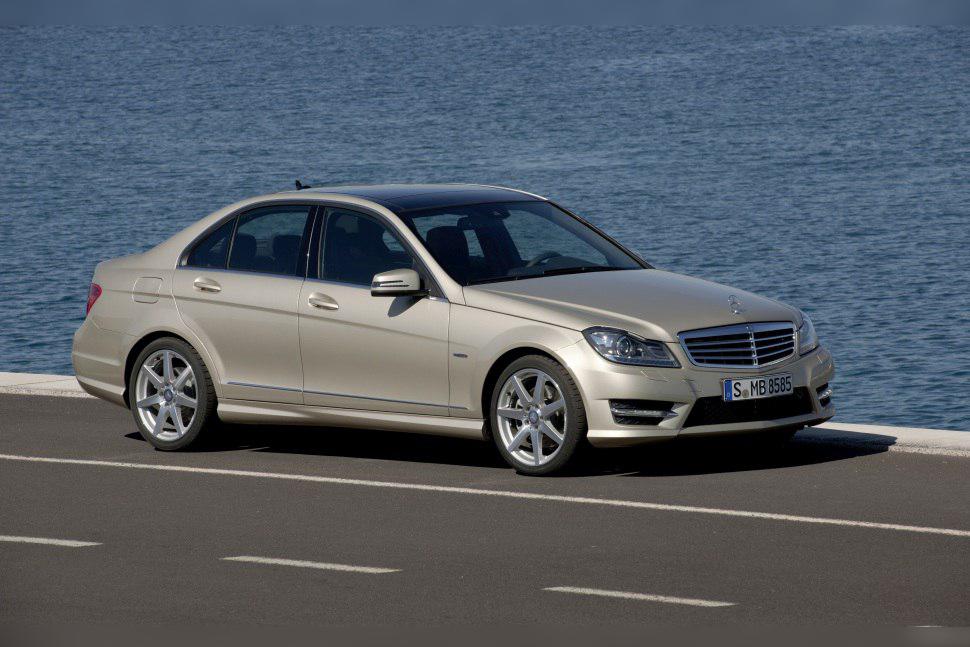
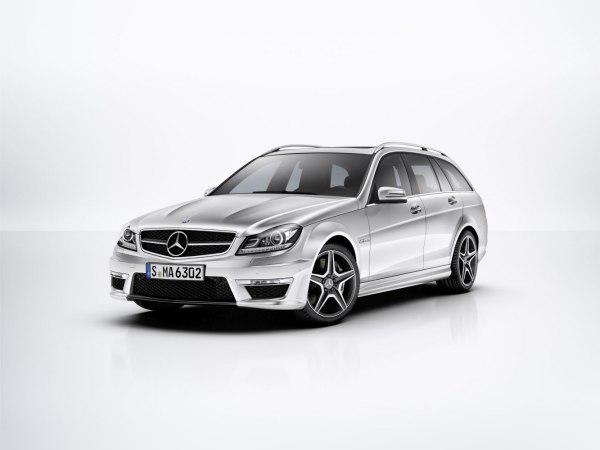
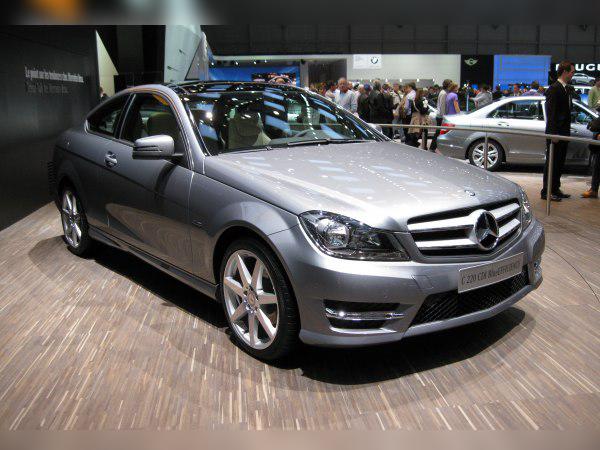
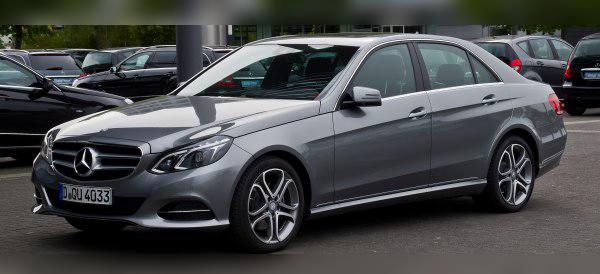
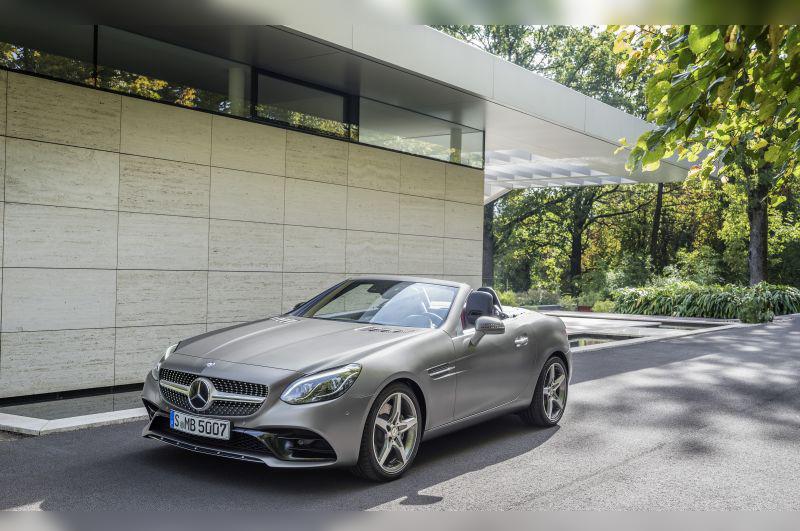
When talking about the modern generation of Mercedes-Benz petrol engines, the designation M 274.910 represents one of the most common units in mid-size sedans and coupes. This 1.6-liter turbo petrol engine with 115 kW (156 HP) was developed as a response to increasingly strict emission standards, but also to the need for an engine that offers diesel-like torque with the refinement of a smooth petrol engine. It replaced the older generation of engines and brought significant improvements in power delivery. It was widely installed in the C-Class (W204 facelift and W205 series), E-Class (W212 facelift), as well as in the attractive SLC roadster.
Technical specifications
| Specification | Data |
|---|---|
| Displacement | 1595 cc |
| Power | 115 kW (156 HP) |
| Torque | 250 Nm |
| Engine code | M 274.910 |
| Injection type | Direct injection (CGI) |
| Charging | Turbocharger with intercooler |
Reliability, maintenance and failures
In terms of mechanics, the M 274 uses a timing chain, not a timing belt. Because of that, there is no classic major service in the sense of replacing a belt every 90,000 or 100,000 km. However, the chain is not eternal. It is recommended to check the condition of the chain, guides and tensioner after 150,000 km. If the driver hears a characteristic “rattling” or metallic noise during the first cold start in the morning (before the oil pump builds up pressure), this is a clear sign that the chain is stretched and needs to be replaced.
Among the most common failures on this engine are problems with the camshaft phase adjusters (variable valve timing system). When these parts fail, the engine can lose power, turn on the “Check Engine” light and change its sound. Repairing this system can be expensive (depends on the market). Another typical weak point is the electronically controlled thermostat, which often gets stuck in the open position, so in winter the engine struggles to reach the operating temperature of 90 °C. The water pump is also prone to coolant leaks, so a visual inspection of the engine bay is always advisable.
As for lubrication, this engine takes about 5.8 to 6 liters of oil. Only fully synthetic oil of 5W-30 or 5W-40 grade that meets the strict Mercedes standard MB 229.5 is recommended. Turbo engines with direct injection are by nature prone to slight oil consumption. Consumption of about 0.3 to 0.5 liters per 5,000 km is considered completely normal. If the engine consumes significantly more, the problem should be sought in valve stem seals, piston rings or the turbocharger itself.
Since this is a petrol engine with direct injection and a turbocharger, combustion chamber temperatures are high. The spark plugs play a key role in proper engine operation and need to be replaced every 60,000 km. Driving with worn spark plugs can damage the sensitive and expensive ignition coils (depends on the market). Symptoms of bad spark plugs include jerking while driving, rough idle and poorer throttle response.
Specific parts and injection system
The injection system on the M 274 is direct, which means that petrol is injected under high pressure directly into the cylinder, not into the intake manifold. The injectors themselves are quite durable, but very sensitive to poor fuel quality. Dirty fuel can clog the microscopic openings in the injectors. Another downside of direct injection is carbon buildup on the intake valves, because there is no petrol washing them during intake. This is solved by periodic intake manifold cleaning (for example, walnut shell blasting).
The engine is equipped with a single turbocharger (most often made by IHI). The life span of the turbo is excellent and easily exceeds 200,000 km, provided that the engine oil is changed regularly (ideally every 10,000–15,000 km, do not wait for the factory interval of 25,000 km) and that the engine is not switched off immediately after hard driving before the turbo has cooled down. When the turbo fails, symptoms include bluish smoke from the exhaust (oil burning), a whining or high-pitched noise under acceleration, and a noticeable loss of power.
It is important to note: since this is a petrol engine, it does not have a conventional DPF filter nor does it use AdBlue fluid. Early M274 models have no particulate filter at all, while the very latest iterations of this engine that meet Euro 6d-Temp standards (so-called OPF/GPF filters for petrol engines) may have filters at the very end of this series’ production, but they do not cause diesel-like problems. An EGR system is present, but petrol engines face serious clogging issues far less often than their diesel counterparts.
Fuel consumption and performance
Many drivers suspect that 1.6 liters and 156 HP is “sluggish” for a sedan like the fairly heavy C-Class (W205). In practice, this is absolutely not true. Thanks to the turbocharger, the maximum 250 Nm of torque is available from as low as 1,200 rpm. In city driving, the car is very smooth, does not require high revs and offers more than adequate acceleration for everyday needs.
Real-world fuel consumption is a sensitive topic. In heavy city traffic (stop-and-go, traffic lights, air conditioning running), consumption ranges from 8.5 up to even 10.5 l/100 km. However, the true strength of this engine comes to light on open roads and motorways. At a cruising speed of 130 km/h, combined with the 7-speed or 9-speed automatic, the engine runs at a relaxed 2,000 to 2,300 rpm, and consumption drops to a very decent 6.5 to 7 l/100 km.
Additional options: LPG and Chiptuning
If you are considering installing LPG, the M 274 is not an ideal candidate. Due to direct injection, standard sequential LPG systems cannot be installed without risking overheating and destroying the petrol injectors. Special systems that inject liquid gas or systems that simultaneously use a certain amount of petrol to cool the injectors are required. Such systems are very expensive (depends on the market) and their cost-effectiveness is questionable for average annual mileage.
When it comes to software power increase (Chiptuning / Stage 1), this engine responds extremely well. The engine block and components are robust enough to be safely uprated. Without hardware modifications, a quality Stage 1 remap can raise power from 156 HP to around 180–190 HP, and torque to over 300 Nm. The car then becomes noticeably sharper on throttle, but such modifications must be carried out only in reputable workshops to avoid turbocharger failure due to overboost.
Gearbox and drivetrain
This engine was offered with a 6-speed manual gearbox and automatics (the older 7G-TRONIC PLUS and the newer 9G-TRONIC). Manual models are equipped with a dual-mass flywheel, which serves to dampen vibrations. Over time (usually between 150,000 and 200,000 km), the flywheel wears out. Symptoms include judder when moving off, knocks during gear changes and vibrations at idle. Replacing the clutch kit and dual-mass flywheel is an expensive job (depends on the market).
Most buyers, however, opt for the automatic. Models with 7G and 9G-TRONIC gearboxes do not have a conventional dual-mass flywheel; instead, they use a hydraulic torque converter. These transmissions are extremely reliable, but under one strict condition: mandatory gearbox servicing (oil and filter change) every 60,000 km. If the oil is not changed, metal shavings accumulate and destroy the valve body (electro-hydraulic control unit). A faulty valve body manifests itself as strong jolts when shifting from “P” to “D” or harsh, jerky gear changes while driving. Repairing these gearboxes is very expensive (depends on the market).
Buying used and conclusion
When inspecting a used car with the M 274 engine, it is crucial to insist on a completely cold start. While the seller is starting the car, stand next to the engine and listen. Any scraping, rattling or metallic noises in the first 3–4 seconds are a sign that the timing chain needs to be replaced. Visually inspect the engine bay around the water pump and thermostat hoses for traces of white or pink coolant residue. Check the color of the exhaust smoke under sudden throttle blips – blue smoke suggests a problem with the turbo or piston rings.
Do not buy this car without a detailed inspection using dedicated Mercedes diagnostics (Star / Xentry). The mechanic must read the camshaft angle parameters (to assess the condition of the chain and phase adjusters), injector operation, as well as the fault history in the automatic transmission control module.
Conclusion: Mercedes’ 1.6 engine designated M 274.910 (156 HP) is aimed at drivers who want an entry ticket to the premium segment without the astronomical registration and maintenance costs associated with larger V6 engines. It is extremely refined, quiet at idle and comfortable on long journeys. With regular maintenance and timely automatic transmission servicing, it is one of the most rational choices in the range of modern petrol-powered Mercedes models.