Mercedes-Benz M 274.920 (184 HP): Experiences, problems, fuel consumption and used-car buying tips
- Significant improvement: This engine is the successor to the infamous M 271 and brings an incomparably better and more durable timing system (chain).
- Sweet spot in performance: With 135 kW (184 HP) and as much as 300 Nm of torque, it offers a driving feel similar to a diesel, but with the refinement of a petrol engine.
- Weak points: The water pump, thermostat and PCV valve (oil vapor separator) are the most common reasons for unexpected visits to the mechanic.
- Not suitable for LPG: Due to the direct injection system, installing an LPG kit is unprofitable and technically complicated.
- Great for remapping: It is software-“strangled” compared to the more powerful versions, so a Stage 1 map brings a serious power increase without compromising reliability.
- Gearboxes dictate comfort: The 9G-TRONIC automatic in newer models drastically reduces fuel consumption and noise on the motorway compared to the older 7G-TRONIC PLUS and the rare manual gearboxes.
Contents
- Introduction and market position
- Technical specifications
- Reliability, maintenance and common failures
- Specific parts and costs
- Fuel consumption and performance
- Extras: LPG and chip tuning
- Transmissions: Failures and maintenance
- Buying used and Conclusion
Introduction and market position
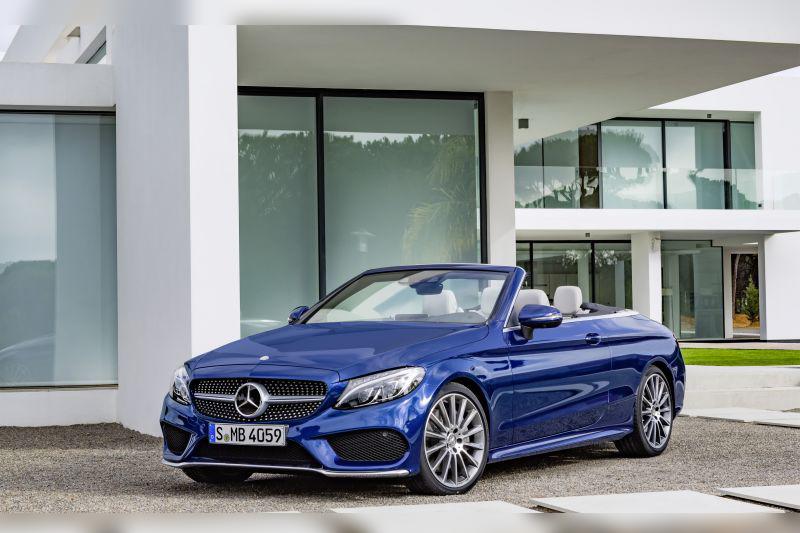
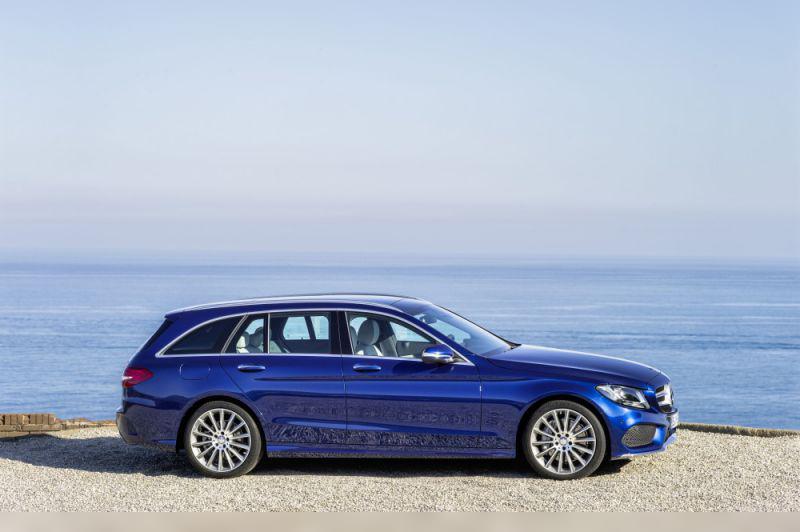
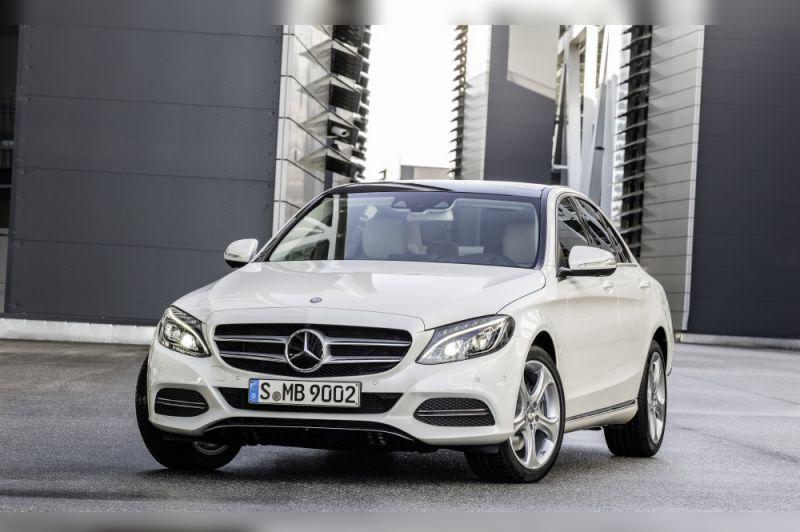
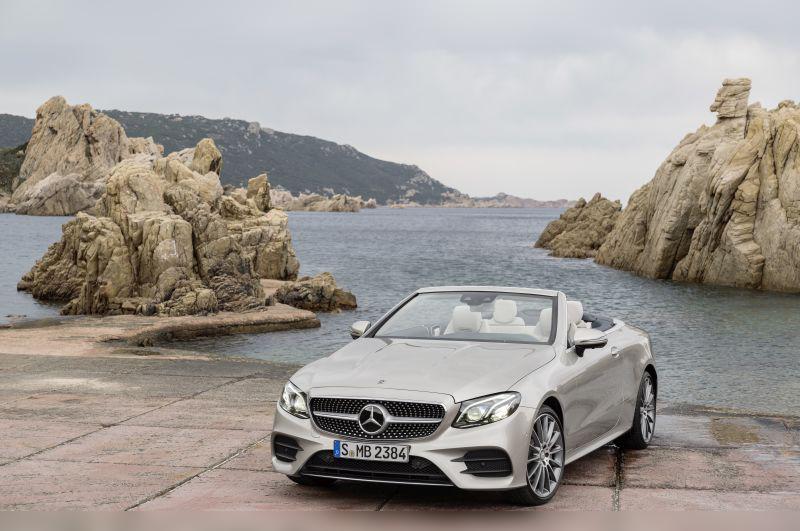
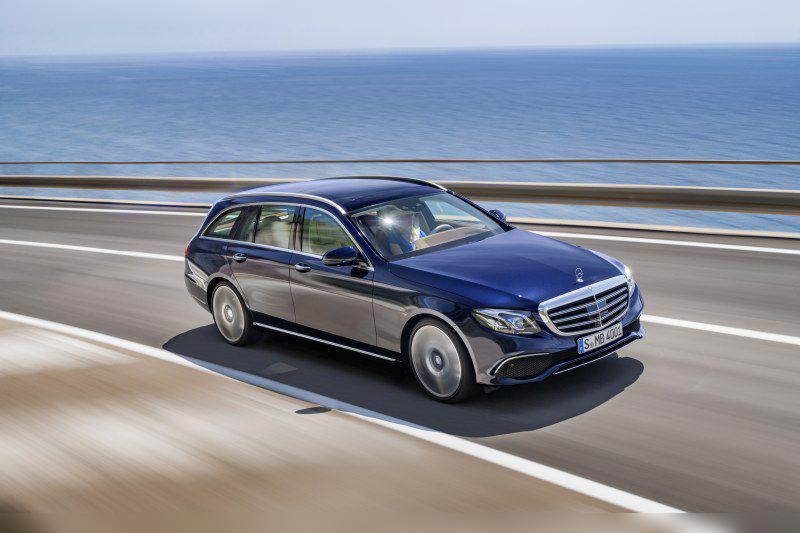
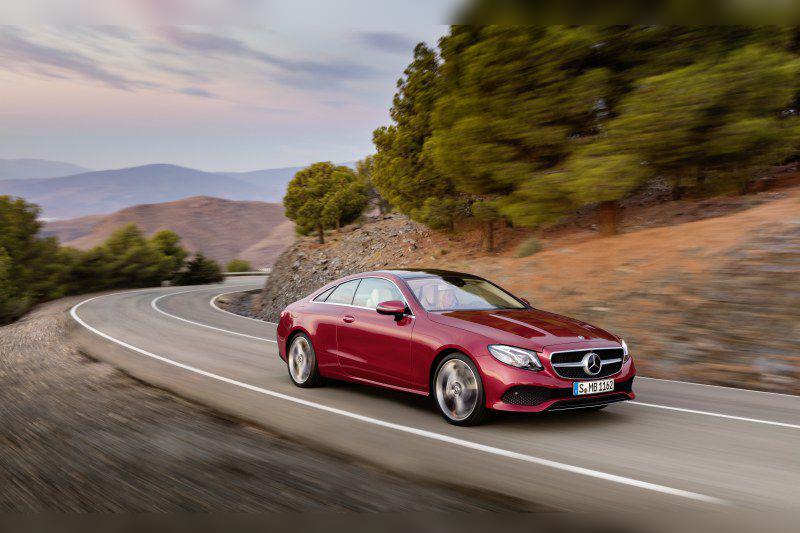
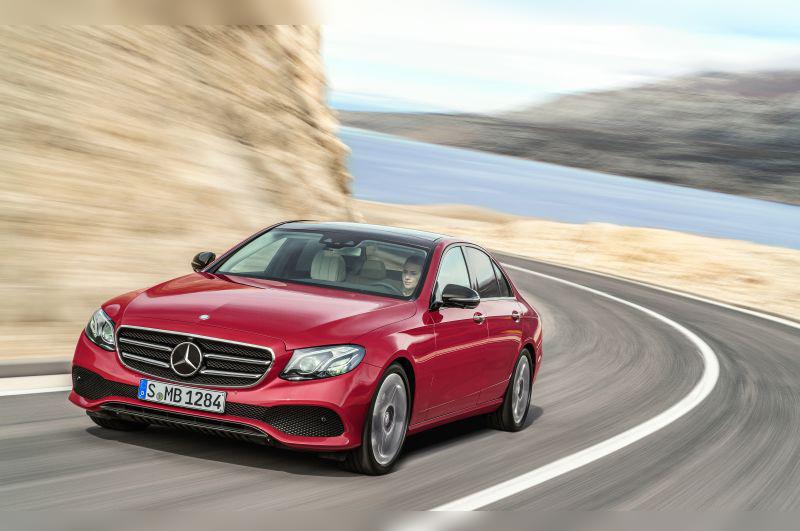
When Mercedes-Benz introduced the two-liter turbo petrol engine designated M 274.920, mechanics across Europe breathed a sigh of relief. Its predecessor, the M 271, was remembered for catastrophic timing chain stretching and camshaft gear wear issues. The M 274 was designed to restore trust in Mercedes four-cylinder petrol engines. It was installed longitudinally in a wide range of vehicles, from the agile C-Class (W205), through elegant coupés and convertibles, all the way to the heavy E-Class (W212 facelift and W213) and SUVs such as the GLK. This engine represents an ideal balance between reasonable fuel consumption and power that is more than sufficient for effortless overtaking, making it one of the most sought-after choices on today’s used-car market.
Technical specifications
| Parameter | Data |
|---|---|
| Engine code | M 274.920 |
| Displacement | 1991 cc |
| Power | 135 kW (184 HP) |
| Torque | 300 Nm |
| Fuel type | Petrol |
| Injection | Direct injection (Piezo injectors) |
| Charging system | Turbocharger (IHI) with intercooler |
| Timing drive | Chain |
Reliability, maintenance and common failures
As befits a serious powerplant, this engine uses a chain to drive the timing system. The chain is more massive and significantly more durable than in older generations. Because of this, there is no strictly prescribed interval for a major service. Replacement of the chain and accompanying tensioners is done as needed, most often when the engine starts rattling at the first cold start of the day (usually between 150,000 and 200,000 km). The cost of replacing the timing system can be described as expensive (depends on the market).
Most common failures and symptoms
Although generally reliable, the M 274 has its specific quirks:
- Water pump: This is probably the most serious design flaw. The pump is not only mechanical, but also has a vacuum actuator. It often lets coolant leak into the vacuum system, which can damage other components and sensors. Symptoms include coolant loss, overheating and various fault codes appearing on diagnostics. Replacement is necessary and falls into the expensive category (depends on the market).
- Thermostat: It often gets stuck in the open position. The driver will notice that the engine cannot reach operating temperature (90 °C), especially on open roads during winter. This increases fuel consumption.
- PCV valve (oil vapor separator): The membrane inside the separator eventually cracks. Symptoms include increased oil consumption, rough idle, and sometimes a high-pitched whistling noise from the engine bay.
- Camshaft phasers (cam gears): Although much better than before, they can fail due to irregular oil changes, resulting in a “tractor-like” noise at startup.
Minor service and oil consumption
This engine takes around 6.5 liters of oil (depending on the filter and oil pan in different models). Fully synthetic oil of grade 5W-30 or 5W-40 that meets the strict Mercedes standard MB 229.5 is recommended. The oil must be changed every 10,000 to a maximum of 15,000 km, especially if the car is driven mainly in the city.
As for oil consumption between services, minimal consumption is tolerated. A loss of 0.5 liters per 10,000 km is completely normal for modern turbo engines. However, if the engine consumes more than 1 liter over a few thousand kilometers, this points to a problem with the piston rings, a failed PCV valve or a worn turbocharger.
As with any petrol engine with direct injection, spark plugs should be replaced every 60,000 km. Skipping this interval leads to coil overload and failure, which can cause jerking while driving (misfire).
Specific parts and costs
The injection system uses advanced Piezo injectors for direct petrol injection into the cylinders under high pressure. Injectors rarely fail mechanically, but they are sensitive to poor fuel quality. A much bigger issue arising from direct injection is carbon buildup on the intake valves, since petrol no longer washes the valves. At around 100,000 km, “walnut blasting” of the intake manifold is recommended to restore smooth running and original power.
The engine has a single turbocharger (made by IHI) integrated with the exhaust manifold. Its service life largely depends on driving style and regular oil changes. With proper maintenance (allowing the turbo to cool down after spirited driving), it can easily exceed 200,000 km. Sometimes the “wastegate” valve of the turbo actuator can stick, causing the car to lose power and go into limp mode.
Since this is a petrol engine, it does not have a DPF filter or AdBlue system. Newer revisions after 2018 (depending on the Euro standard) may have a GPF (Gasoline Particulate Filter), but it does not cause anywhere near as many headaches in city driving as a diesel DPF. A classic EGR valve rarely fails because exhaust gas recirculation in this engine is mostly handled by valve overlap via the cam phasers.
Fuel consumption and performance
This powerplant offers an impressive torque of 300 Nm available from just 1,200 rpm. Because of this, many compare it to a diesel in terms of elasticity.
Is the engine “lazy”? In the C-Class (W205), this engine makes the car extremely lively and quick. In the more massive E-Class (W213) or the GLK SUV, the feeling of acceleration is milder, but it can by no means be called slow. It represents the absolute minimum for a luxury cruiser such as the E-Class, where it does its job properly, but without sporting ambitions.
Real-world fuel consumption:
- City driving: Expect between 9.5 and 11.5 l/100 km, depending on vehicle weight and traffic. The start-stop system helps, but heavy congestion takes its toll.
- Open road and motorway: This is where the engine shines. On the motorway at 130 km/h, paired with the 9G-TRONIC gearbox, the engine cruises at a very low ~2,000 rpm. Fuel consumption then drops to a reasonable 6.5 to 7.5 l/100 km, while the cabin remains exceptionally quiet.
Extras: LPG and chip tuning
Should you install LPG? In short: It is not recommended. Due to direct fuel injection into the cylinder (where injectors must be constantly cooled by petrol), a classic sequential LPG system is not possible. You need systems that inject liquid gas or mix petrol and gas, which is extremely expensive (depends on the market). The investment pays off only for those who cover very high mileages.
Chip tuning (Stage 1): This engine is a gem for tuners. Since Mercedes offers the same engine hardware (M274) in the 250 version (which has 211 HP from the factory), the 184 HP version is only software-limited. A quality Stage 1 remap can safely raise power to 220 to 240 HP and around 380 Nm of torque. Thanks to this built-in hardware reserve, remapping is highly recommended if you want a sharper throttle response without drastically shortening the engine’s service life.
Transmissions: Failures and maintenance
This engine was offered with several transmission options, and the type of gearbox drastically changes the driving experience:
- 6-speed manual gearbox: Very rare on the market. Due to the high torque of 300 Nm, models with a manual gearbox have a dual-mass flywheel. If the car jerks when taking off or you hear knocks when switching off the engine, the dual-mass flywheel and clutch kit are due for replacement. The cost of these parts is very high (depends on the market).
- 7G-TRONIC PLUS (7-speed): Standard in older models (e.g. W212 facelift, early W205). Generally a robust gearbox, but it can sometimes jerk when shifting from 2nd to 1st gear while braking. The most common failures relate to the valve body (mechatronics) and torque converter due to old oil. It requires servicing and oil changes every 60,000 to 120,000 km (depending on the manufacturer’s recommendation for the specific model year, but mechanics advise 60,000 km).
- 9G-TRONIC (9-speed): A technological masterpiece that replaced the 7G. Extremely fast, smooth and economical. Less prone to failures than its predecessor. The service interval for changing the special low-friction oil and the integrated filter in the oil pan is 125,000 km or every 5 years. Servicing the automatic is not cheap, but it is absolutely necessary to avoid very expensive catastrophic failures (depends on the market).
Buying used and Conclusion
When looking at a used car with the M 274 engine, it is crucial to do the following before signing the contract:
- Cold start: Insist that the seller leaves the engine completely cold. Listen carefully during the first 3–4 seconds after startup. Any metallic rattling indicates a loose chain or worn cam phasers.
- Check vacuum system and coolant: Open the bonnet and check the coolant level. With the help of diagnostics and an experienced mechanic, check the water pump and whether there is any moisture in the vacuum hoses.
- Diagnostics: Original Star diagnostics is a must. Read injector parameters, turbo pressure and go through the fault history looking for codes related to the thermostat or cylinder misfires.
Final verdict: Who is it for?
The M 274.920 with 184 HP is an excellent, mature product from Stuttgart. It is free of the childhood diseases that plagued its predecessors, but it requires impeccable and not-at-all-cheap maintenance. This is not an engine that tolerates “postponing the service until next month”. It is intended for drivers who seek top-notch comfort and the quietness of a petrol engine, mostly drive in the city and on the motorway, and want to avoid the potentially astronomical failures of DPF filters and AdBlue systems in modern diesels. If you find a car with a proper service history and preferably with the 9G automatic, you get a truly premium driving experience in every sense of the word.