Mercedes M 276.823 (333 HP) – Experiences, Issues, Fuel Consumption and Used Car Buying Guide
- A powerful and reliable V6 BiTurbo petrol engine, but it requires a flawless maintenance history.
- Uses a timing chain which was improved in later series, but still needs to be checked during cold start.
- Direct fuel injection (CGI) delivers top performance, but causes carbon buildup on the intake valves.
- It is paired exclusively with automatic transmissions (7G and 9G-Tronic); manual gearboxes do not exist for this engine.
- The system is not suitable for LPG (autogas) conversion, but it is an excellent base for “chipping” (Stage 1).
- Maintenance is expensive, with particular emphasis on regular transmission oil and spark plug changes due to the BiTurbo system.
Contents
- Introduction: About the M 276.823 Engine
- Technical Specifications
- Reliability and Maintenance
- Specific Components (Costs)
- Fuel Consumption and Performance
- Additional Options and Modifications
- Transmission and Drivetrain
- Buying Used and Conclusion
Introduction: About the M 276.823 Engine
Mercedes’ M 276 in BiTurbo configuration is one of the best modern petrol V6 engines. The specific version designated 276.823 delivers 333 HP (245 kW) and a massive 480 Nm of torque. It was conceived as a replacement for older naturally aspirated V8 engines, offering similar performance with lower fuel consumption and reduced emissions.
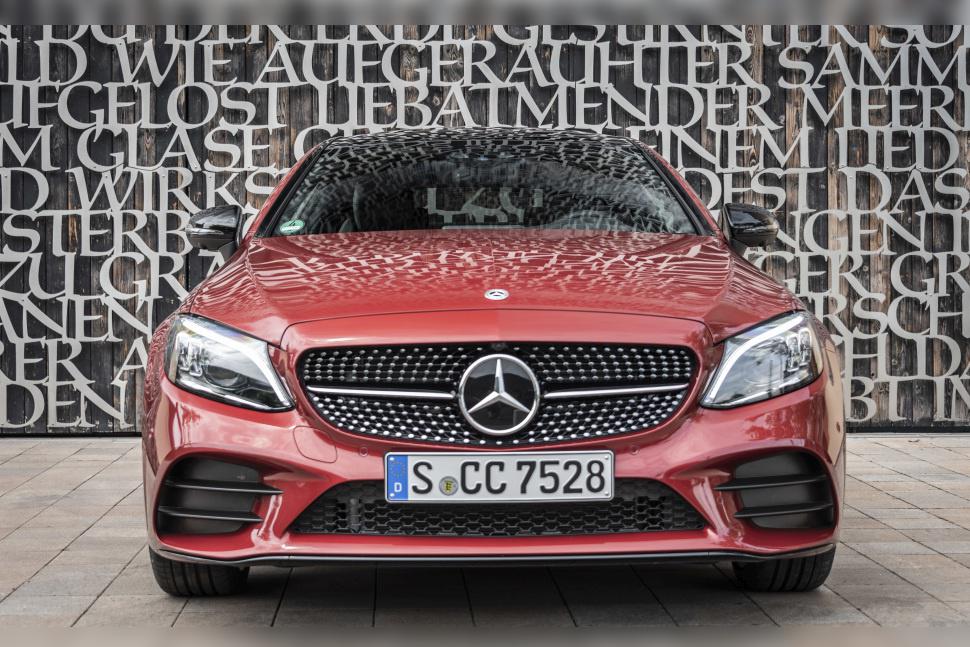
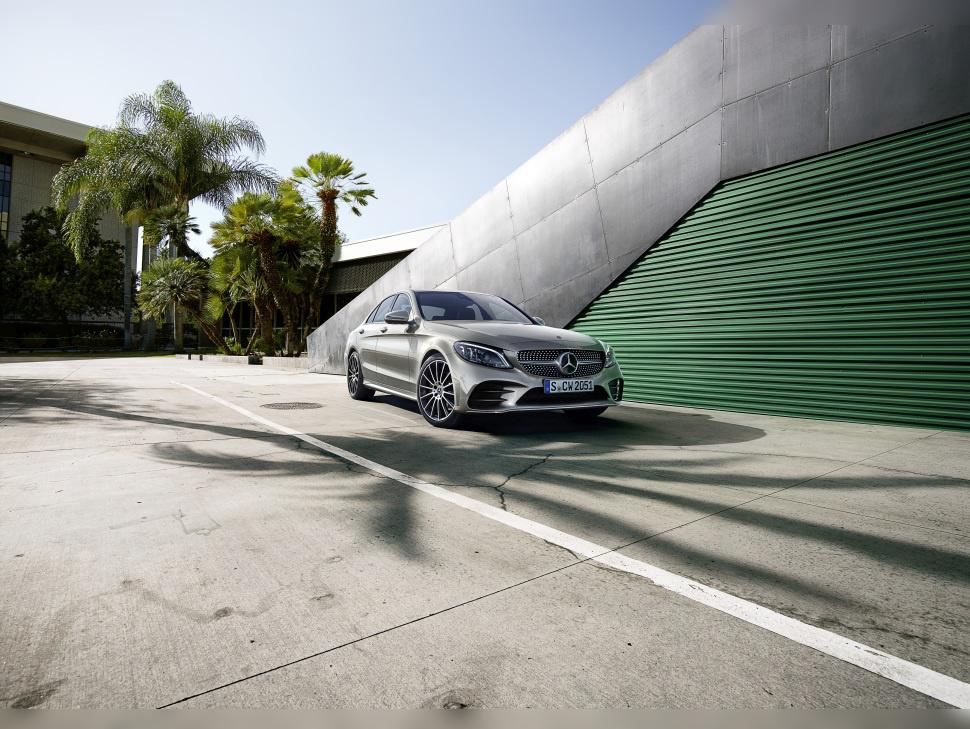
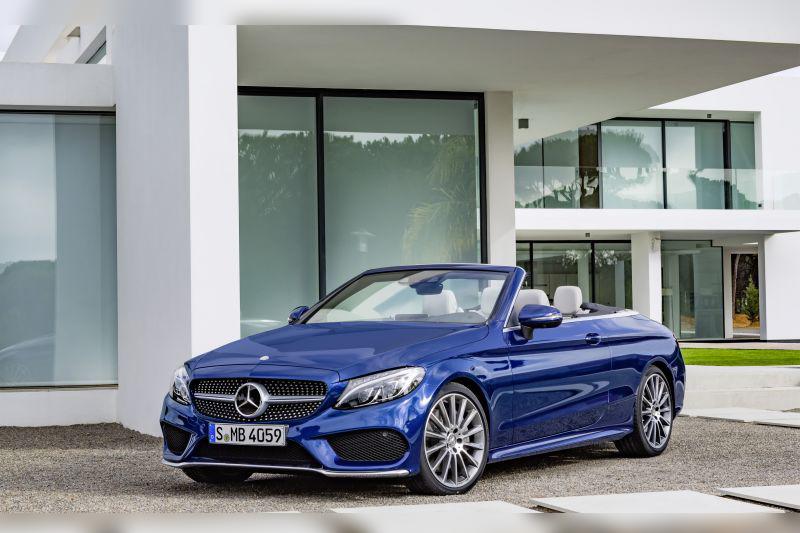
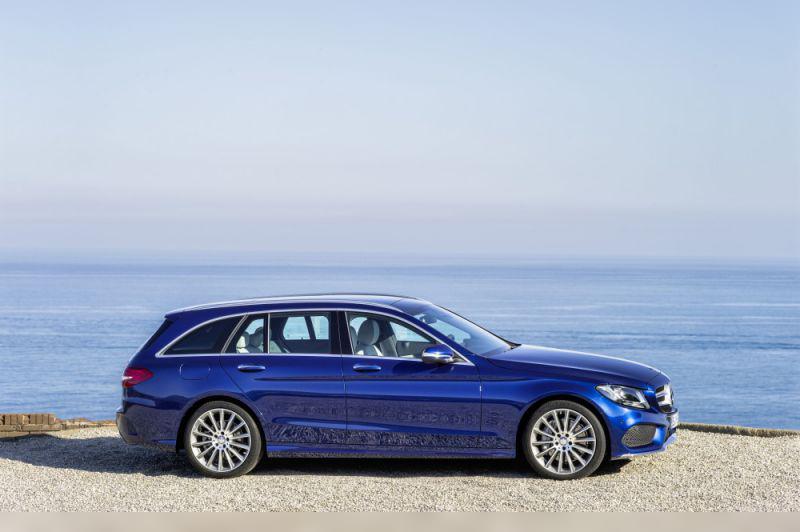
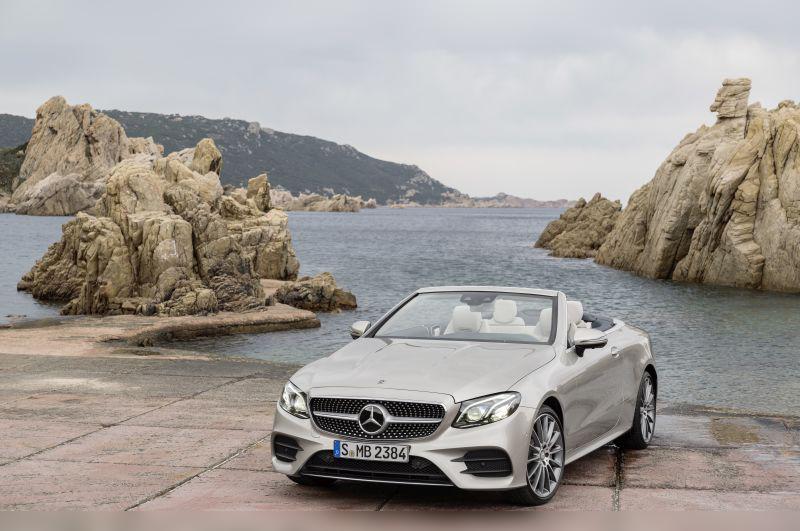
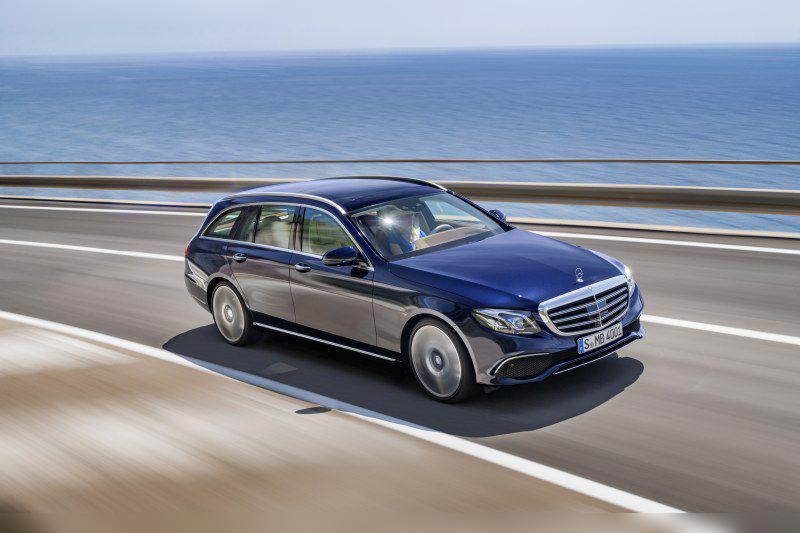
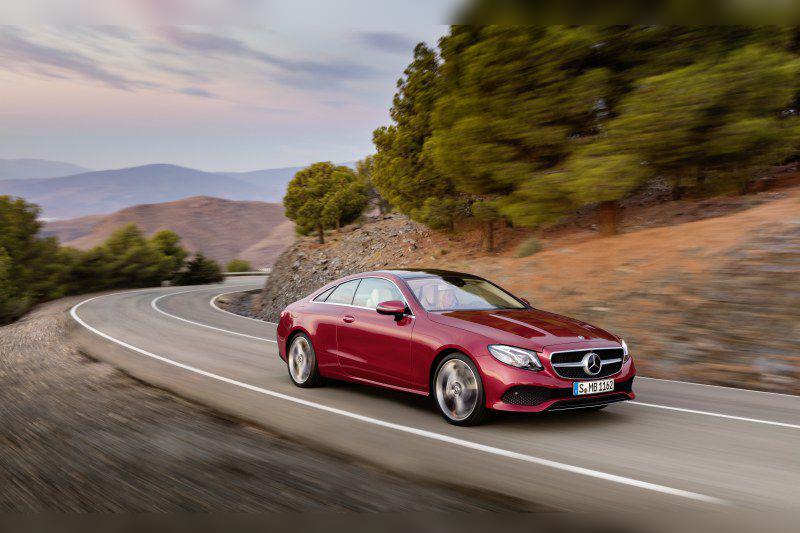
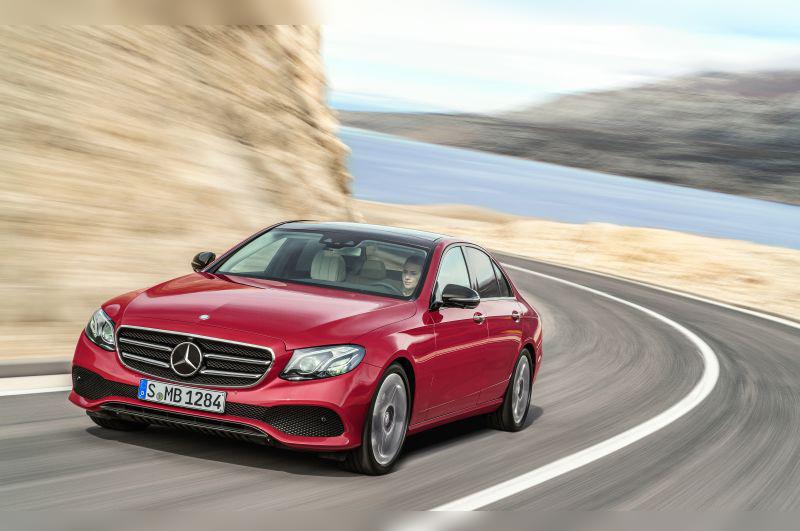
It is most commonly found in C-Class (W205, C205, S205, A205) models badged as C 400, as well as in the E-Class (W213, C238, A238) under the E 400 badge, often combined with 4MATIC all-wheel drive. Thanks to its refinement, flexibility and power, this engine is the choice of drivers who want serious performance without the extreme running costs associated with purebred AMG (V8) models. However, the complexity of the BiTurbo system and direct injection means you need to understand its weak points before deciding to buy a used example.
Technical Specifications
| Parameter | Data |
|---|---|
| Engine displacement | 3498 cc (3.5 L)* |
| Power | 245 kW (333 HP) |
| Torque | 480 Nm |
| Engine code | M 276.823 |
| Injection type | Direct injection (CGI) |
| Forced induction | BiTurbo (Two turbochargers) with intercooler |
*Note: Depending on the exact production year and specific market, Mercedes also used 3.0L variants of the M276 engine under the C400 and E400 badges, but the architecture of the V6 block, transmission and related systems is identical.
Reliability and Maintenance
Does this engine have a timing belt or a chain?
This engine uses a timing chain, and a rather complex system with multiple chains. Early versions of the M 276 engine suffered from issues with the hydraulic chain tensioners, which would allow the oil to drain back into the sump after shutdown. On the next start (cold start), the chain would rattle for a few seconds until oil pressure built up. Fortunately, in W205 and W213 models (from 2014 onwards), Mercedes installed non-return oil valves in the cylinder heads from the factory, which largely solved this problem. Still, the chain is not eternal. Its stretch depends on driving style and regularity of oil changes.
What are the most common failures on this engine?
Although considered a very reliable engine, its technological characteristics come with certain weaknesses:
- High-pressure fuel pump (HPFP): As this is a direct injection engine, the in-tank pump sends fuel to the high-pressure pump on the engine. Over time it can weaken. Symptoms: Longer cranking when starting, lack of power under full throttle, or the “Check Engine” light coming on. Replacement is expensive (varies by market).
- Carbon buildup on intake valves: Since fuel is injected directly into the cylinder, it bypasses the intake valves and does not “wash” them with its additives. Over time, serious carbon deposits from oil vapors (PCV system) accumulate on the valves. Symptoms: Rough idle (shuddering), loss of power and increased fuel consumption. The solution is mechanical cleaning (often by walnut shell blasting).
- NOx sensors and lambda sensors (oxygen sensors): Due to strict emission standards, the engine has very sensitive exhaust gas sensors. Poor-quality fuel quickly leads to sensor failure.
- Oil leaks on timing covers: The sealing compound ages and fails, so oil traces can be seen on the front of the engine.
At what mileage is the “major service” done?
A classic “major service” with timing belt replacement does not exist here. However, it is recommended to replace the serpentine (auxiliary) belt, idler pulleys, tensioner and water pump at around 100,000 to 120,000 km. As for the timing chain, its condition is monitored via diagnostics (camshaft angle parameters) and by ear. If it starts rattling on startup, the entire timing system should be replaced (chains, guides, tensioners, sprockets), which is a considerable expense, from 1500 to 3000 EUR (depending on the market).
Oil: Quantity and grade
The engine takes about 6.5 to 7.0 liters of oil, depending on the exact sump configuration. It is mandatory to use fully synthetic oil that meets Mercedes specification MB 229.5. The most common viscosity grades are 5W-30 or 5W-40. The oil change interval should definitely not be the one dictated by the factory (often up to 25,000 km); in real-world conditions the oil should be changed every 10,000 to 12,000 km at most in order to protect the turbochargers and timing chain.
Does it consume oil between services?
Engines with two turbochargers and high performance naturally consume a certain amount of oil, especially with more aggressive driving at high revs. Consumption of 0.5 to 1 liter per 5,000 km is considered completely normal and acceptable. If the engine consumes significantly more (e.g. one liter per 1,000 km), the cause is usually a worn PCV valve (oil separator), damaged turbocharger seals or stuck piston oil rings due to irregular maintenance.
At what mileage should the spark plugs be replaced?
The combination of direct injection and a BiTurbo system creates extreme temperatures in the combustion chamber. The factory prescribes spark plug replacement, and practice has confirmed that this must be done every 60,000 km (or even earlier if the engine is modified/chipped). Delaying replacement can lead to overload and failure of the ignition coils (which sit directly on the spark plugs).
Specific Components (Costs)
What kind of injection system does it have and are the injectors problematic?
The engine uses sophisticated piezoelectric injectors that operate at extremely high pressure. They are excellent for performance, but very sensitive to poor fuel quality. Their service life is usually over 150,000 km. Failure symptoms: If an injector “sticks open”, it can wash the oil off the cylinder walls, leading to catastrophic engine damage (cylinder scoring), or you may notice a strong smell of raw fuel from the exhaust and when checking the oil level. Injector replacement is very expensive and they are usually replaced as a set (varies by market).
Turbochargers and their lifespan
The M 276.823 has two IHI turbochargers (BiTurbo). In general, they have proven to be very durable components if the owner changed the oil regularly and did not switch the engine off immediately after hard driving (you should wait about a minute for the oil to cool the turbo shafts). At higher mileage, wastegate actuator rattle (the flaps that regulate exhaust gas pressure) often appears. Symptoms: A metallic rattling noise when revs drop, or loss of boost pressure causing reduced performance. Turbocharger overhauls are not cheap, but the problem is solvable.
DPF, EGR and AdBlue on this engine
Since this is a petrol engine, it does not have an AdBlue system, nor a conventional DPF filter like those found on diesels. However, newer versions of this engine (after certain facelifts, depending on production year and Euro 6 standards) may be equipped with a OPF/GPF (gasoline particulate filter). It clogs far less frequently than a diesel DPF due to the higher exhaust gas temperatures of petrol engines. There is also no conventional mechanical EGR valve. The M276 uses variable camshaft timing to retain a portion of exhaust gases in the cylinder, thereby simulating EGR function. This reduces the number of parts that can fail.
Fuel Consumption and Performance
What is the real fuel consumption in city driving?
There should be no illusions – a 3.5-liter engine with two turbos and a heavy chassis (especially with 4MATIC) cannot be economical in the city. In real stop-and-go urban driving with traffic and lights, consumption is typically between 13 and 16 l/100 km. In winter or with a “heavy right foot”, it can be even higher.
Is this engine “lazy” for the weight of the body?
On the contrary, the engine is extremely agile and fast. With a massive 480 Nm of torque available from low revs (thanks to the BiTurbo system), it offers diesel-like flexibility combined with the roar and power of a petrol engine at high revs. In the C-Class (C400) this engine makes the car a rocket, while in the significantly heavier and wider E-Class (E400) it copes with the body mass effortlessly. 0–100 km/h times are usually in the 5-second range.
Behaviour on the motorway and revs at 130 km/h
This is its natural habitat. On the motorway it is incredibly refined and quiet, with huge power reserves for overtaking. At 130 km/h in ninth gear (9G-Tronic), the engine turns at an extremely low 1,700 to 1,900 rpm. For such a large engine, motorway fuel consumption is surprisingly low, typically between 7.5 and 9 l/100 km.
Additional Options and Modifications
Is it suitable for LPG (autogas) conversion?
No, it is not suitable for LPG conversion. The reason is high-pressure direct petrol injection. The petrol injectors are located inside the cylinder itself, so during LPG operation they would not be cooled by petrol, which would quickly lead to their overheating and failure. There are specialized LPG systems with liquid injection, but they are extremely expensive (often over 2000 EUR), complex to calibrate and simply not cost-effective for this type of vehicle.
How much power can be safely gained with a “Stage 1” remap?
The M 276.823 is a dream engine for tuners. The factory has significantly detuned it in software, so power can be safely increased by remapping the ECU (Stage 1 chiptuning). Without any mechanical modifications (with stock exhaust and intercooler), power is routinely raised from 333 HP to an impressive 400–420 HP, with torque climbing to over 550 Nm. However, after remapping, much stricter maintenance is essential (more frequent oil and spark plug changes, regular turbo checks and mandatory use of the highest-quality high-octane petrol).
Transmission and Drivetrain
Which transmissions are used and do they have a dual-mass flywheel?
C400 and E400 models (whether sedan, estate, coupé or cabriolet) come exclusively with automatic transmissions. There is no manual gearbox option. Older models (usually pre-facelift) use the proven 7G-TRONIC PLUS (7-speed), while newer ones (W205 facelift, C238, W213) come with the modern 9G-TRONIC (9-speed) transmission. These gearboxes use a conventional hydrodynamic torque converter, which means there is NO traditional dual-mass flywheel and clutch disc that wear out and need replacement as in cars with manual transmissions.
Automatic transmission issues and servicing
Both transmissions are mechanically very robust if used correctly. The most common issues include:
- Harsh gear changes (jerking): Most often occurs when shifting from 2nd to 3rd gear, or when downshifting while slowing down. The cause can be old oil, poor software adaptation or a faulty valve in the “mechatronics” (the hydraulic control unit inside the transmission). Mechatronics repair is expensive (varies by market).
- Oil leaks around the transmission pan: On the 9G gearbox, the pan is made of plastic and can warp or crack due to temperature.
Service interval: Both the factory and specialists agree – the oil in the automatic transmission must be changed every 60,000 to 80,000 km. The procedure involves draining the old oil (or flushing with a machine) and replacing the oil filter. On these transmissions, the filter is integrated into the plastic pan itself, so the entire pan is replaced during service (which increases the cost). Regular servicing is the only way to protect the expensive mechatronics and torque converter.
Buying Used and Conclusion
What exactly should be checked before buying?
Buying a C400 or E400 with the M 276.823 engine requires a thorough inspection:
- Cold start: Arrange with the seller for the car to be completely cold. Open the bonnet, start the engine and listen carefully. If you hear a sharp metallic rattle (scraping) for the first 2 to 5 seconds, the chain and tensioners are due for replacement.
- Diagnostics (Mandatory Mercedes Xentry/Star diagnostics): Check injector values (corrections and pressure), as well as any stored “misfire” codes, which would indicate worn spark plugs, coils or carbon buildup on the valves.
- Transmission test: During the test drive, try both gentle and aggressive acceleration. The gearbox must shift completely smoothly. Any thump or hesitation when shifting is a red flag and a sign of potentially expensive repairs.
- Service history: Insist on proof of transmission oil changes at around 60k km and spark plug replacement at the same interval.
Final conclusion: Who is it for?
The Mercedes M 276.823 in C400 and E400 4MATIC models is not an engine for someone looking for cheap motoring or planning minimal maintenance. This is a technologically advanced high-performance powerplant that delivers immense driving pleasure, stunning acceleration, a fantastic V6 soundtrack and exceptional motorway comfort.
It is intended for drivers who understand that luxury and power come at a price, primarily through more expensive automatic transmission servicing, more frequent spark plug changes, costly injection components and higher urban fuel consumption. If you find a car with a properly documented service history that has not been thrashed when cold, this engine will serve you for hundreds of thousands of kilometres, proving that large V6 engines are still the pinnacle of engineering in the automotive industry.