Mercedes-Benz M 278.922 V8 BiTurbo (408 HP) – Experiences, issues, fuel consumption and used-car buying tips
Key points in short (TL;DR)
- Performance: Massive torque (600 Nm) and huge power (408 HP); the engine pulls the body without any effort.
- Timing drive: Uses a chain. The problematic parts are the timing chain tensioners and camshaft adjusters, which require attention during cold starts.
- Main weakness: Cylinder wall wear (Silitec coating). This is the most expensive failure and requires a mandatory endoscopic inspection before purchase.
- Fuel consumption: Expect 15+ l/100 km in the city, but a very decent 9–10 l/100 km on the highway.
- Maintenance: Very expensive (depends on the market). The engine requires regular services every 10,000 km and exclusively premium oil.
- Gearbox: No manual gearboxes; it is paired with 7G-Tronic Plus or 9G-Tronic automatics.
- Recommendation: A phenomenal engine for enthusiasts who want “almost AMG” performance, but it demands deep pockets for preventive maintenance.
Contents
- Introduction: About the engine and models
- Technical specifications
- Reliability and maintenance
- Specific parts and costs
- Fuel consumption and performance
- Additional options and modifications
- Gearbox and drivetrain
- Buying used and conclusion
Introduction: About the engine and models
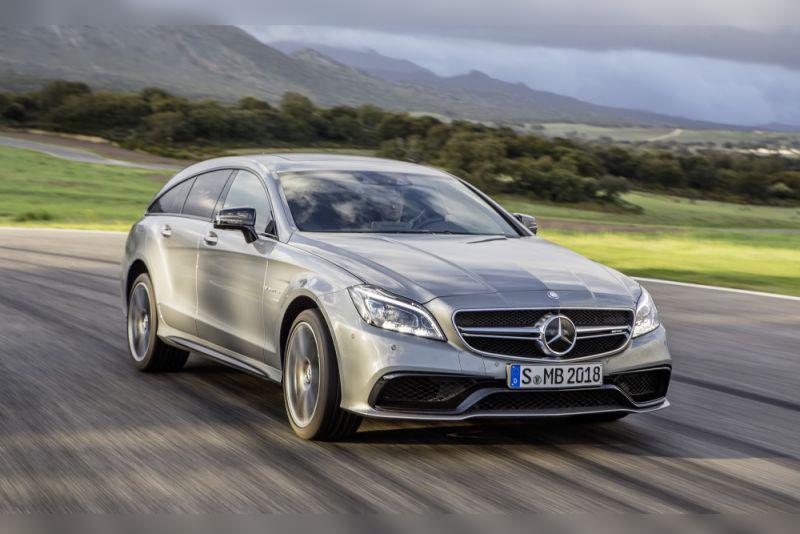
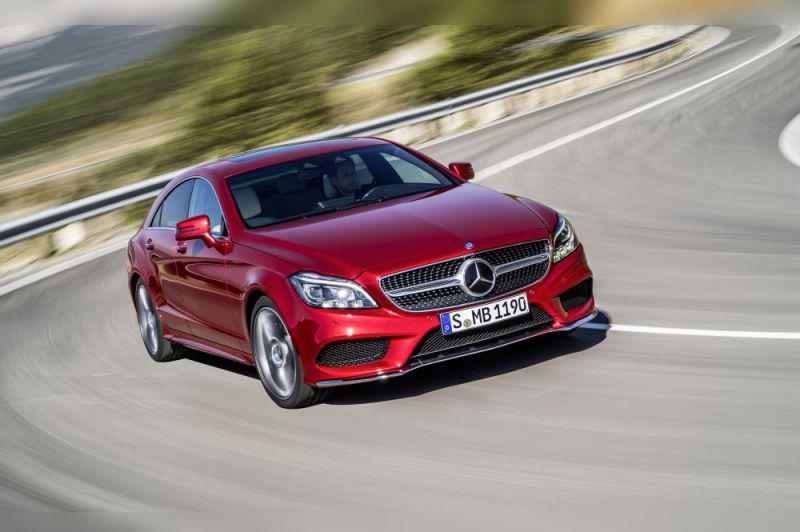
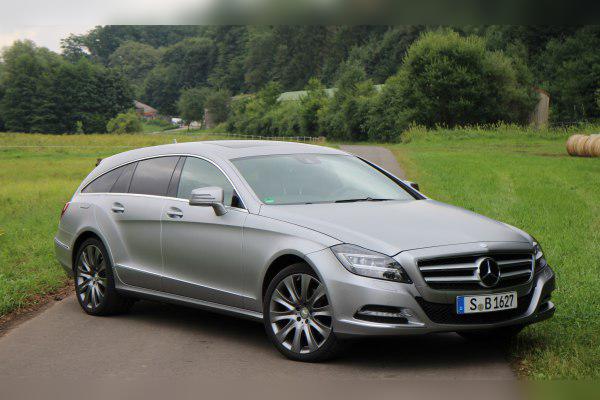
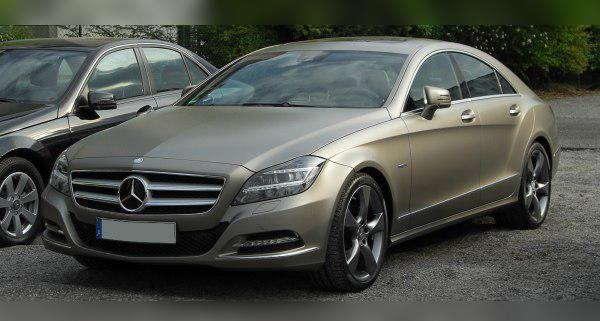
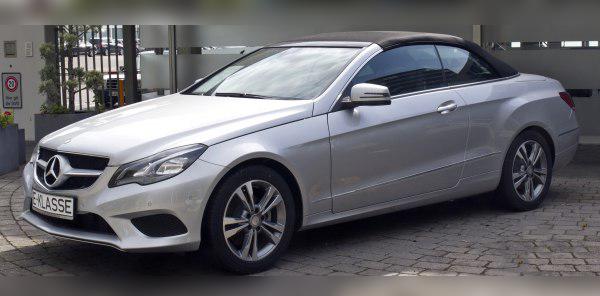
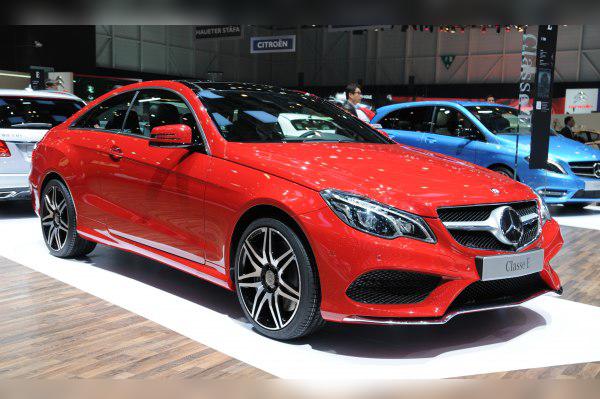
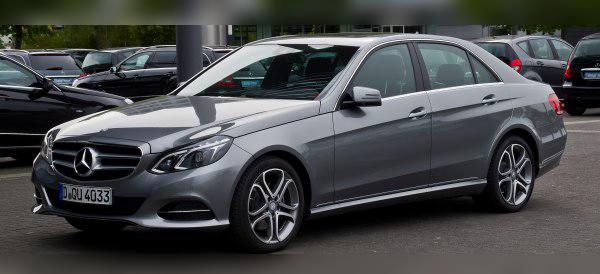
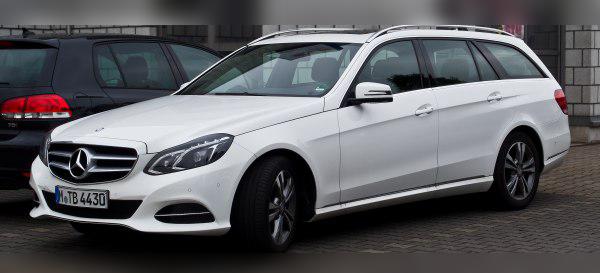
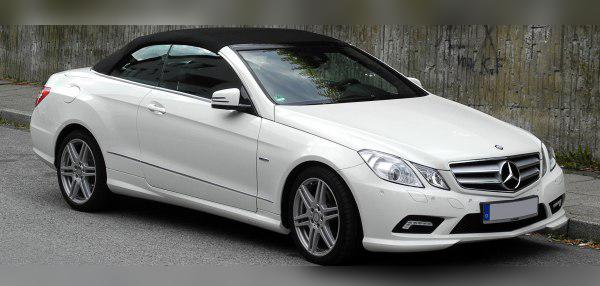
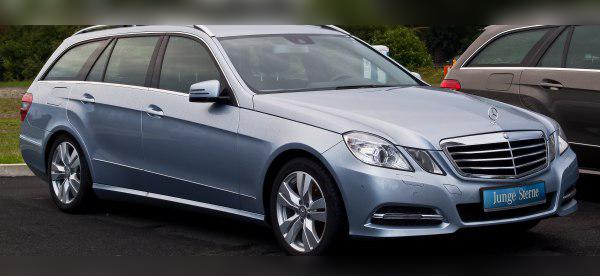
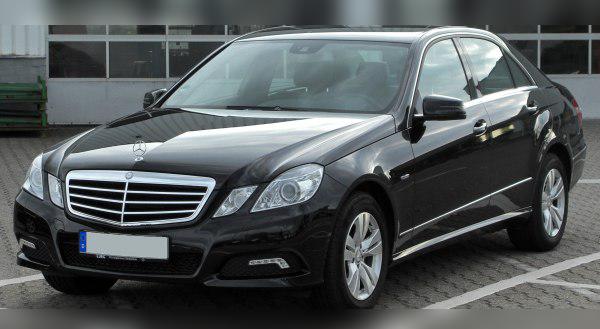
When Mercedes-Benz switched from naturally aspirated to turbocharged engines, the M 278.922 came as a replacement for the legendary naturally aspirated 5.5-liter V8. By reducing the displacement to 4.7 liters (4663 cc) and adding two turbochargers (BiTurbo), the engineers created a real beast. This engine was installed in the heavyweights of the E-Class (W212, S212 estate, C207 coupe, A207 cabriolet) and in the luxury cruisers of the CLS-Class (C218 coupe, X218 Shooting Brake).
Whether paired with rear-wheel drive or the famous 4MATIC system, this V8 turns any chassis into a serious mile-eating machine. Pre-2014 (pre-facelift) variants mostly used the 7G-Tronic Plus gearbox, while the facelift models introduced the significantly faster and more efficient 9G-Tronic. Due to the complex mechanics and huge power, this is not an engine that tolerates saving on maintenance.
Technical specifications
| Specification | Data |
|---|---|
| Displacement | 4663 cc (4.7 L) |
| Power | 300 kW (408 HP) |
| Torque | 600 Nm (from very low revs) |
| Engine code | M 278.922 |
| Injection type | Direct injection (CGI – piezo injectors) |
| Intake type | BiTurbo with water-cooled intercooler |
Reliability and maintenance
Timing chain, major service and the notorious camshaft adjusters
As you would expect from a thoroughbred Mercedes V8, the engine uses a timing chain, not a belt. However, timing system reliability is one of the weak points of the early series. The most common failures are related to the chain tensioners and camshaft phase adjusters. Due to poor oil pressure at cold start, the chain can rattle. The first symptom the driver will notice is a sharp, metallic rattling noise during the first few seconds of a morning start.
A classic “major service” at a fixed interval does not exist because the chain is designed to last a long time, but in practice it is inspected at around 150,000 km to 200,000 km. If rattling is heard, the complete set of chain, tensioners and camshaft adjusters is replaced, which is very expensive (depends on the market) because the engine has to be removed or the entire front end has to be seriously dismantled.
Oil and lubrication
This engine takes between 8 and 8.5 liters of engine oil. Strict adherence to Mercedes specification MB 229.5 is recommended, with viscosity grades 5W-40 or 0W-40. Since the turbochargers are sensitive, do the oil service strictly every 10,000 km, never at the factory interval of 25,000 km.
Does it consume oil? Yes. It is considered normal for this V8 to consume between 0.5 and 0.8 liters per 1,000 km, especially under aggressive driving. However, if consumption suddenly increases, it may be a sign of worn piston rings, oil leaks at the turbos, or the worst-case scenario – cylinder wall wear (more on this in the failures section).
Spark plugs and ignition
Since the M278 is a petrol engine with high-pressure direct injection, the operating temperature in the combustion chamber is enormous. Spark plugs are replaced every 60,000 km or every 4 years. Symptoms of worn spark plugs include slight hesitation under acceleration and misfires detected by diagnostics. Neglecting spark plug replacement directly destroys the ignition coils, which are also very expensive.
Specific parts and costs
Silitec cylinder coating – The biggest nightmare
The M278 uses a special Silitec coating on the cylinder walls to reduce friction. Due to poor fuel quality, dirty injectors or infrequent oil changes, this coating can peel off. Symptoms include significantly increased oil consumption, knocking noises from the engine at idle and bluish exhaust smoke. Repair involves re-sleeving the engine block, which is extremely, very expensive (depends on the market).
Injection system and injectors
The injection system uses piezo injectors and a high-pressure fuel pump. The injectors are sensitive and over time can start to “dribble” fuel. If an injector does not atomize fuel properly, the fuel washes the oil film off the cylinder wall, which directly leads to the aforementioned block damage. Replacing injectors is very expensive. Due to direct injection, the valves are not washed by fuel, so carbon buildup on the intake valves occurs, which requires walnut blasting every 100,000 km.
Turbochargers
The engine has two turbochargers (BiTurbo). Their service life is excellent provided that the oil is changed regularly and that the engine is allowed to cool for a couple of minutes at idle after aggressive driving (before switching off). They can easily last over 200,000 km. However, the oil and coolant feed and return lines around the turbos and in the “V” valley of the engine are plastic/rubber and, due to high temperatures (over 100°C), they eventually crack, leading to coolant leaks.
Emissions systems
Since this is a pure-bred petrol engine, it does not have a DPF filter or AdBlue system, so you are spared the usual diesel headaches. However, EGR function is achieved through controlled camshaft phase overlap, and the engine has a complex crankcase ventilation system (PCV valve), whose membrane tends to tear, causing a whistling noise from the engine and unstable idle.
Fuel consumption and performance
City driving vs highway
Real-world city fuel consumption for this engine is between 14 and 18 liters per 100 kilometers. In heavy stop-and-go traffic (especially for 4MATIC models), the figure easily climbs higher. In any case, this is not an engine for daily squeezing through traffic jams.
Is the engine sluggish for heavy bodies? Absolutely not! With 600 Nm available from just 1,600 rpm, 408 HP launches both the E-Class and the massive CLS Shooting Brake without any effort. Acceleration is brutal and linear. The driving sensation is as if you are being pulled by a locomotive.
On the highway, this engine is in its natural habitat. At a cruising speed of 130 km/h:
- With the 7G-Tronic Plus gearbox, the engine runs at a relaxed ~2000 rpm.
- With the 9G-Tronic gearbox (facelift models from 2014 onwards), revs drop to around ~1500–1600 rpm.
On open roads, fuel consumption drops to a very acceptable 9 to 10 l/100 km, which is impressive for a V8 of this power.
Additional options and modifications
LPG conversion
Is it suitable for LPG? No. Since the M278 has direct piezo injection and sensitive cylinder walls, installing a classic sequential LPG system is impossible and disastrous. There are advanced liquid LPG injection systems, but they are extremely expensive (depends on the market) and their long-term reliability on this engine is questionable. If you are buying an M278, plan a budget for high-quality 98+ octane petrol.
Chiptuning
This engine is a de-tuned beast. It is practically the base from which the M157 (AMG 63) engine was developed. A Stage 1 tune wakes it up incredibly easily. Without any hardware modifications, it can safely be tuned to around 500 to 520 HP and an incredible 750 to 800 Nm of torque. Internally, the engine handles this power very well, but before tuning you must be sure that the turbo system, spark plugs and gearbox are in perfect condition.
Gearbox and drivetrain
Manual gearboxes were never offered with this engine. Depending on the model year, you have two options:
- 7G-Tronic Plus: Reliable but somewhat slow gearbox. Regular maintenance is crucial.
- 9G-Tronic: Installed in facelift models (mostly from late 2014). Shifts significantly faster, is better optimized for cruising and reduces fuel consumption.
Gearbox failures and torque converter
To clear up a common misconception: This engine does NOT have a classic dual-mass flywheel (as in manual and DCT gearboxes). Since this is a traditional automatic, it uses a hydraulic torque converter (mechanics usually call it the “vandler”). If you feel the car vibrating under light throttle at speeds of 60–80 km/h, the torque converter needs an overhaul. The repair is moderately expensive to expensive (depends on the market).
On 7G-Tronic gearboxes, a common failure is the gearbox control unit/valve body (mechatronics). Symptoms include being stuck in one gear (limp mode) and a harsh jolt when shifting from P to D or R. On 4MATIC models, you also need to pay attention to the transfer case, whose chain can stretch if tires of different sizes are used.
Gearbox service
For longevity, the oil in the 7G-Tronic gearbox must be changed every 60,000 km. For the 9G-Tronic, the factory states 120,000 km, but any experienced technician will tell you to shorten that to 80,000 km for safety. The service must include flushing the system, replacing the filter, seals and oil.
Buying used and conclusion
Buying a Mercedes with the M278 engine (whether in the E-Class or CLS) is a serious decision. The point is not just to afford the car initially, but to have a serious “reserve fund” for maintenance.
What must be checked before purchase?
- COLD START: Leave the car overnight at the dealer’s lot or at the owner’s place. Start it absolutely cold. If you hear a metallic “TRRRR” lasting longer than one second, the chain tensioners and camshaft adjusters are close to failure.
- CYLINDER ENDOSCOPY: Never, but never buy this engine without your mechanic inserting a camera (endoscope) through the spark plug holes to inspect the cylinder walls. If vertical scratches (Silitec wear) are visible, walk away from that car!
- Fluid leaks: Put the car on a lift and remove the undertray (plastic shield). Inspect the rear of the engine and the bellhousing for oil traces, and the front for coolant traces (due to plastic junctions that crack).
- Live diagnostics: Monitor operating temperature, high-pressure pump values and injector corrections.
Conclusion: Who is this engine for?
The Mercedes-Benz M278 V8 BiTurbo is a fantastic piece of engineering that offers brutal performance, an incredible sound and top-notch enjoyment on open roads, while being much more civilized for everyday use than the raw AMG versions. However, it is not for people on a tight budget. If you provide it with preventive maintenance, premium oil every 10,000 km and quality fuel, it will reward you with thousands of kilometers of comfortable yet extremely fast driving. For lovers of serious V8 sleeper cars, this is one of the strongest cards Mercedes has ever produced.