Mercedes-Benz OM 651.911 (250 CDI / 204 HP) – Experiences, problems, fuel consumption and used car buying guide
- Exceptionally powerful engine with an impressive 500 Nm of torque, offering the performance of stronger six‑cylinders with the fuel consumption of a four‑cylinder.
- The timing chain is located at the rear of the engine (next to the gearbox), which makes the replacement procedure extremely labor‑intensive and expensive (depends on the market).
- Early production runs had serious factory issues with Delphi Piezo injectors, which were mostly resolved through recalls.
- The BiTurbo system requires attention at higher mileages; valves and vacuum hoses can cause headaches.
- The exhaust aftertreatment system (DPF, EGR, and on newer models also AdBlue) is not suitable for predominantly city driving.
- Gearboxes range from the outdated 5G‑Tronic to the modern 9G‑Tronic, and regular servicing of automatic transmissions is absolutely essential.
Contents
- Introduction: About the OM 651.911 engine
- Technical specifications
- Engine reliability and maintenance
- Specific components, failures and costs
- Fuel consumption and performance in real‑world conditions
- Additional options and “chipping”
- Transmissions: Failures and maintenance
- Buying used and conclusion
Introduction: About the OM 651.911 engine
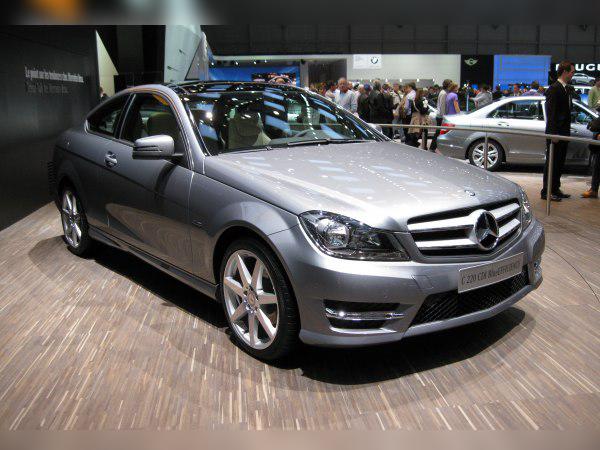
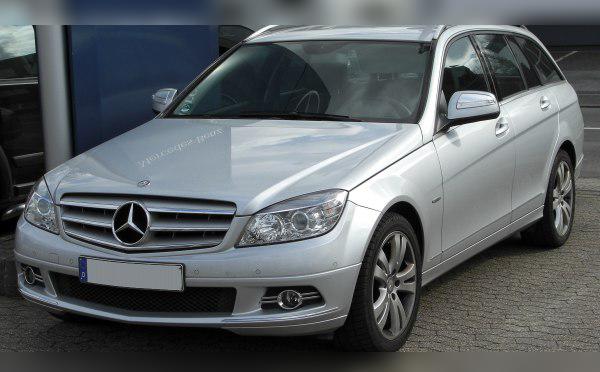
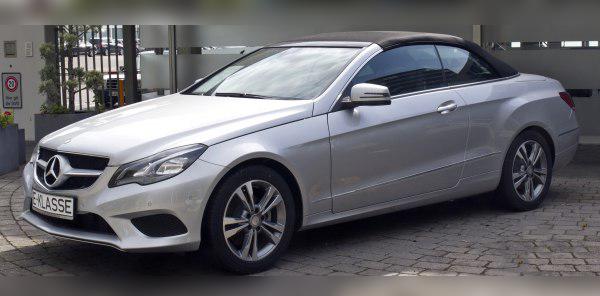
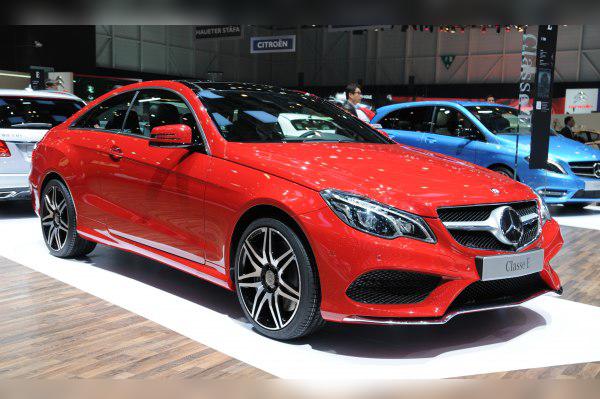
The engine with the code OM 651 is probably one of the most important powerplants in the modern history of Mercedes‑Benz, designed to replace the legendary OM646. The OM 651.911 variant (hidden behind the 250 CDI or 250 BlueTEC badges) represents the most powerful iteration of this four‑cylinder diesel at the start of production, delivering a strong 150 kW (204 HP) and as much as 500 Nm of torque. It was installed primarily in the C‑Class (W204, C204, S204) and E‑Class (Coupé C207 and Cabriolet A207). This engine offers a driving experience that seriously threatened larger V6 diesels, but it also brings a level of technical complexity that requires a careful and financially prepared owner.
Technical specifications
| Parameter | Value |
|---|---|
| Engine name and code | OM 651.911 |
| Displacement | 2143 cc |
| Power output | 150 kW (204 HP) |
| Torque | 500 Nm |
| Fuel type | Diesel |
| Injection type | Common Rail Direct Injection (CDI) |
| Intake system | BiTurbo (two sequential turbochargers) + intercooler |
Engine reliability and maintenance
When it comes to the reliability of the OM651 engine, opinions are divided. At its core, the engine block, crankshaft and piston assembly are extremely durable and easily cover hundreds of thousands of kilometers. However, it is the engine peripherals that cause problems.
Major service, timing system and chain
This engine uses a chain for timing, not a toothed belt. However, Mercedes engineers made the controversial decision to place the timing mechanism at the rear of the engine, right next to the gearbox (for pedestrian safety in a crash and a lower bonnet line). This means that the major service, i.e. chain replacement, requires either removing the engine or taking down the gearbox. Because of that, this intervention is very expensive (depends on the market). There is no strictly prescribed mileage interval for replacement – it is changed when rattling is heard on a cold start (usually between 150,000 km and 250,000 km). A stretched chain and damaged guides are a clear sign that it’s time to visit the workshop, because a snapped chain leads to catastrophic engine failure.
Lubrication system and oil consumption
The oil sump of this engine holds about 6.5 liters of oil. Only fully synthetic oil of grade 5W‑30 that meets the MB 229.51 or MB 229.52 specifications is recommended (mandatory because of the DPF). An oil service should be done at a maximum of 15,000 km, although experienced mechanics advise an interval of 10,000 to 12,000 km in order to preserve the chain and turbochargers. The OM 651.911 generally is not a heavy oil consumer. Mild consumption between services (up to 0.5 – 1 liter per 10,000 km) is considered normal, especially if the car is driven harder on the motorway. However, oil leaks from the oil filter housing and oil cooler are quite common, and drivers often mistake this for oil consumption.
Injector failures (Common Rail system)
When the 250 CDI models first appeared, they had a serious flaw: Delphi Piezo injectors. These injectors would systematically fail very early, leaving cars stranded in limp mode with the “Check Engine” light on. Mercedes had to carry out a massive recall and replace these injectors with more conventional electromagnetic ones, along with replacing the engine control unit (ECU). On most used cars this was sorted out long ago, but if you come across a “garage‑kept” 2010 example with original injectors, be very careful. After switching to the improved injectors, the system is quite reliable, and their service life is usually over 250,000 km, depending on fuel quality.
Specific components, failures and costs
BiTurbo system
This powerplant is “boosted” by two turbochargers – a smaller one for low revs and a larger one for high revs. Thanks to this, there is no so‑called “turbo lag”, and power delivery is linear. The actual lifespan of the turbochargers is quite decent (they often last over 250,000 km with regular oil changes), but the peripherals cause trouble. The vacuum valves that control the transition from one turbo to the other tend to fail, and the linkages (actuators) can seize up due to soot deposits. If the turbochargers themselves fail, overhauling the BiTurbo system is expensive (depends on the market).
Cooling system (water pump and coolant distribution housing)
One of the most common failures on the OM651 engine is coolant (antifreeze) leakage. The water pump itself is problematic, but even more so the plastic coolant distribution housing (thermostat housing and connectors). Under the influence of temperature changes, the plastic becomes brittle and cracks. The driver will notice a low coolant level warning on the instrument cluster. Replacing this part is necessary and, fortunately, not outrageously expensive.
EGR, DPF filter and AdBlue system
Like any modern diesel, this engine suffers if it is driven only in the city. It has a DPF filter and a complex EGR valve. Stop‑and‑go city driving quickly clogs the EGR with soot deposits, which leads to engine hesitation and loss of power. The DPF filter then has no conditions to perform regeneration. Depending on the model year and equipment (especially models badged “BlueTEC”), the car is also equipped with an AdBlue system (SCR catalyst). This is probably one of the biggest weak points of the newer Euro 6 iterations of this engine. Failures of the AdBlue tank heater, pump, as well as frequent failures of the NOx sensors, represent an enormous financial blow to owners. Repairing these components is very expensive (depends on the market).
Fuel consumption and performance in real‑world conditions
An engine with 204 HP and 500 Nm is anything but “lazy”. Even when installed in heavier models such as the E‑Class Cabriolet (which weighs close to 2 tons), this powerplant offers blistering in‑gear acceleration. Being pushed into the seat when overtaking is guaranteed.
- City consumption: In real city conditions, with an automatic transmission, fuel consumption ranges from 7.5 to 9.0 liters per 100 km. No matter what the factory claims, body weight and constant acceleration take their toll.
- Consumption on open road and motorway: This is where the 250 CDI feels at home. On country roads it can drop below 5 l/100 km, while on the motorway at a cruising speed of 130 km/h consumption is around 5.5 to 6.5 liters.
Depending on the gearbox, at 130 km/h the engine cruises at very low revs. With the modern 9G‑Tronic transmission, revs barely exceed 1,600 rpm, which guarantees acoustic comfort in the cabin, while the older 5G‑Tronic keeps the engine at somewhat higher revs (around 2,200 rpm).
Additional options and “chipping”
Since the OM 651.911 (250 CDI) is already a highly stressed version of this block from the factory (there are also weaker 200 CDI versions with 136 HP and 220 CDI with 170 HP), there is somewhat less room for drastic “chipping”. Still, with a safe remap of the engine control unit (Stage 1), power can easily be raised to 235 to 245 HP, and torque exceeds 550 Nm.
Is this a good idea? Mechanically, the engine can withstand it, but the huge jump in torque puts tremendous stress on the gearbox and the dual‑mass flywheel. Also, increased injection means more soot, which further shortens the service life of the DPF filter.
Transmissions: Failures and maintenance
The OM 651.911 was paired with several types of gearboxes, and the choice has a dramatic impact on reliability and maintenance costs.
Manual gearbox (6‑speed)
They are rare, especially in the E‑Class, but can be found in the C‑Class W204. These models are equipped with a massive dual‑mass flywheel. Due to the engine’s 500 Nm of torque, the service life of the clutch and dual‑mass flywheel is not long with drivers who have a “heavy right foot”. Replacing the complete clutch and dual‑mass flywheel set is very expensive (depends on the market).
Automatic transmissions (5G‑Tronic, 7G‑Tronic Plus, 9G‑Tronic)
These transmissions do not have a conventional dual‑mass flywheel that is replaced, but use a torque converter (wandler).
- 5G‑Tronic (NAG1): Installed in earlier models. Outdated, somewhat slower when shifting, increases fuel consumption by about half a liter, but is indestructible if properly maintained.
- 7G‑Tronic / 7G‑Tronic Plus: Faster and more efficient. The most common failures are related to the valve body (mechatronics) and speed sensors inside the gearbox, as well as jerking when shifting from 2nd to 1st gear. Repairing the conductor plate in the gearbox is a common intervention. Inside the torque converter there is a lock‑up clutch which also wears out over time due to the massive torque.
- 9G‑Tronic: A fantastic gearbox, very quick and smooth, excellent for reducing fuel consumption. It is extremely sensitive to oil quality.
Golden rule for all Mercedes automatics: Transmission service (oil and filter change) MUST be done every 60,000 km. Ignoring this interval leads to certain and very expensive overhaul.
Buying used and conclusion
When looking at a used Mercedes with the OM 651.911 engine, the main thing is to switch off your emotions. Before buying, be sure to do the following:
- Cold start: Ask the seller not to start the car before you arrive. At the first morning start, open the bonnet and listen. Any metallic rattling (lasting 2 to 5 seconds) from the rear of the engine means the chain is due for replacement.
- Visual inspection under the bonnet: Inspect the front of the engine around the water pump and oil filter housing. White and pink stains indicate coolant loss, and oily deposits point to issues with oil seals.
- Diagnostics (STAR diagnosis): Do not buy blindly. Check DPF saturation (ash mass), injector correction values, as well as regeneration history. On BlueTEC models, be sure to read out the status of the NOx sensors and the AdBlue system.
Conclusion: The 204 HP OM 651.911 is not an engine for short hops to the bakery and brief city trips. Its injection system and emissions equipment then become a nightmare. However, if your driving profile involves open roads, motorways and longer journeys, very few engines will offer such a combination of brutal power, acceleration and low fuel consumption, together with the top‑class comfort that Mercedes provides. Always set aside a budget for a potential chain replacement and automatic transmission service – only then will you be able to enjoy this car without stress.