Mercedes OM 651.921 Engine (2.1 Diesel 170 HP): Experiences, Problems, Fuel Consumption and Buying Used
- Excellent power-to-economy ratio: With 170 HP and an impressive 400 Nm, the engine offers great performance with an average fuel consumption of around 6 to 7 l/100 km.
- Timing system: It has a timing chain located at the rear of the engine, which requires removal of the engine or gearbox for replacement. Fortunately, in this generation it is significantly more durable.
- AdBlue system: The weakest point of the modern versions. NOx sensors and tank heaters often fail. Repairs can be very expensive.
- BiTurbo system: Uses two turbochargers. The turbo hardware itself is reliable, but issues with vacuum lines and pressure sensors are possible.
- Gearboxes: Most commonly paired with 7G-TRONIC or 9G-TRONIC automatics, which are extremely reliable, provided the oil is changed every 60,000 to 80,000 km.
- Chiptuning: Extremely suitable for Stage 1 tuning, since the block and internals can handle the power of stronger versions (such as the 250d).
Contents
- Introduction: About the OM 651.921 Engine
- Technical Specifications
- Reliability and Maintenance
- Specific Components and Most Common Failures
- Fuel Consumption and Performance
- Additional Options and Modifications
- Gearbox and Drivetrain
- Buying Used and Conclusion
Introduction: About the OM 651.921 Engine
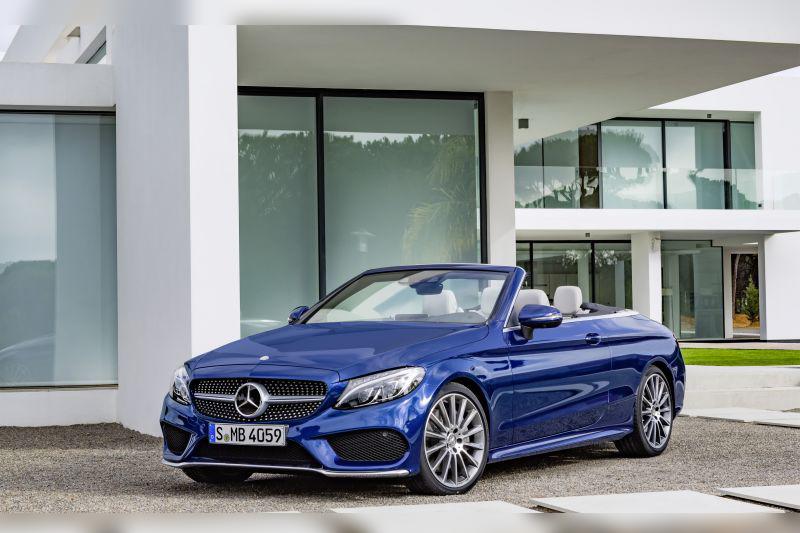
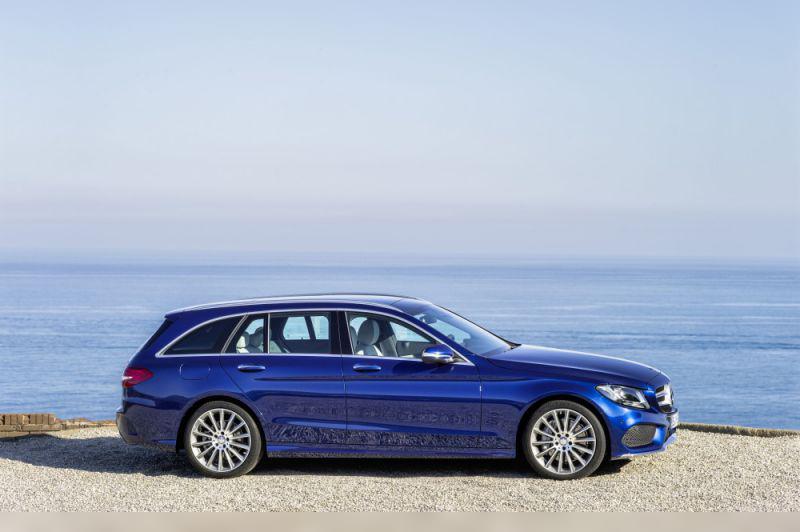
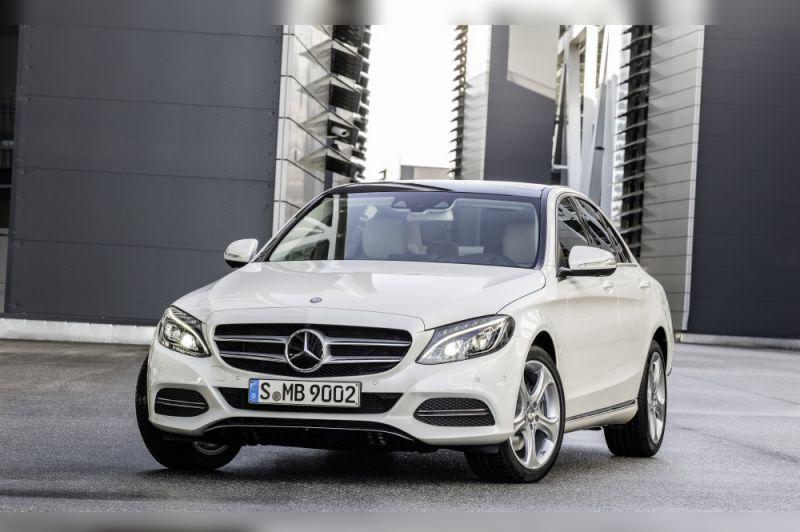
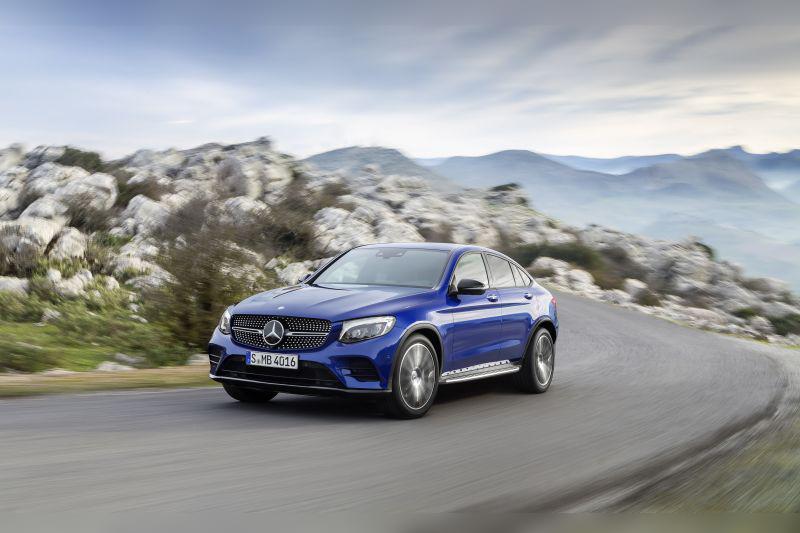
When you mention a Mercedes diesel engine from the early 21st century, you probably think of the famous 2.1-liter unit. The code OM 651.921 hides under the hood of the C-Class models (W205 generation, including estate, coupe and cabriolet), as well as the popular GLC Coupe (C253). This engine is a true Stuttgart "workhorse". Although the displacement is 2143 cc, it carries the commercial badge 220d. In this iteration it delivers 125 kW (170 HP) and a massive 400 Nm of torque. Thanks to its design, it offers an ideal balance between the performance needed for heavier bodies and low exhaust emissions, which made it an absolute hit on the European fleet and private market.
Technical Specifications
| Specification | Data |
|---|---|
| Engine displacement | 2143 cc |
| Power | 125 kW (170 HP) |
| Torque | 400 Nm |
| Engine code | OM 651.921 |
| Fuel type | Diesel |
| Injection type | Common Rail (Direct injection) |
| Charging type | BiTurbo (Two turbochargers) with intercooler |
Reliability and Maintenance
If you are considering this engine, the first question any experienced driver will ask is about the timing system. The OM 651 uses a timing chain to drive the camshafts. What makes it specific is its position – it is located at the rear of the engine, towards the gearbox. Because of this, replacement is complicated and requires either removing the engine or taking out the entire gearbox, which significantly increases labor costs. The cost of replacing the chain ranges from 800 to 1,500 EUR (depending on the market).
The good news is that the OM 651.921 version, which is installed in the 205 series, is free of the "childhood diseases" of earlier models (such as the W204). The chain has proven to be more durable, but a preventive inspection is recommended at around 200,000 km. If you hear rattling for a few seconds on a cold start, this is a clear symptom that the chain tensioner has weakened or that the chain has stretched. As for the major service, it does not include chain replacement at a fixed interval; instead, at around 150,000 km the water pump, auxiliary belt with rollers and tensioners are replaced.
Regarding lubrication, this engine takes about 6.5 liters of oil. It is strongly recommended to use fully synthetic 5W-30 or 5W-40 oil that meets Mercedes MB 229.51 or 229.52 specifications (especially important because of the DPF filter). The engine is not known as an "oil burner". Oil consumption between services (every 15,000 km) is usually minimal, and anything up to 1 liter over that interval is considered normal. If the engine consumes more, the problem usually lies in worn turbochargers or poor crankcase ventilation (PCV valve).
Specific Components and Most Common Failures
Injection system and injectors
Early versions of the OM 651 engine became notorious because of Delphi Piezo injectors. However, in the 651.921 version (generation from 2014 onwards), Mercedes solved this problem by switching to more robust solenoid injectors or upgraded Piezo injectors. Injectors on this model very rarely fail before 250,000 km, except in cases of constantly using poor-quality fuel. Symptoms of failure include rough idle, increased black smoke and hard starting. Rebuilding or replacing injectors can be an expensive item (depending on the market).
BiTurbo system
This unit breathes with the help of two turbochargers (BiTurbo system). The smaller turbo is active at low revs to eliminate "turbo lag", while the larger one kicks in at higher revs. The turbo hardware itself and their bearings are very durable. In practice, the problem is most often not the chargers themselves, but the supporting peripherals – actuators, pressure sensors (MAP sensor), or an intercooler hose that bursts due to high pressure. If the car loses power (goes into "limp mode"), first check the hoses and vacuum lines.
DPF, EGR and AdBlue system
Like any modern European diesel, the OM 651 suffers if you choke it in stop-and-go city driving. The EGR valve is prone to soot buildup. Cleaning it is periodically necessary. The DPF filter is well sized and very rarely becomes permanently clogged, provided that the car is regularly driven on open roads so it can complete regeneration. Exhaust gas temperature must be above 600 °C during regeneration.
However, the biggest "enemy" of W205 and GLC owners is the AdBlue system (BlueTEC). The system is prone to numerous faults. NOx sensors (there are two of them) often fail due to moisture and heat, and replacement is very expensive. Another common problem is the heater in the AdBlue tank itself, which fails in winter. When this happens, a warning appears on the dashboard that you have 800 km left until the engine will no longer start. These issues must be resolved at authorized or specialized workshops and costs can range from several hundred to over a thousand euros (depending on the market).
Fuel Consumption and Performance
Despite the weight of the car (the C-Class is close to 1.6 tons, and the GLC Coupe over 1.8 tons), the engine is anything but "lazy". The secret lies in the 400 Nm of torque available from as low as 1400 rpm. The car pulls strongly from a standstill and overtakes safely on country roads.
When it comes to fuel consumption, the figures are impressive for this class. In real-world conditions, city driving (with frequent stops) requires around 7 to 8.5 l/100 km. On secondary roads, consumption drops drastically to around 4.5 to 5.5 l/100 km. On the motorway, at 130 km/h, this engine is in its natural element. Thanks to the nine-speed 9G-TRONIC gearbox, the engine "cruises" at an extremely low 1600–1800 rpm. The cabin is quiet, and at that speed fuel consumption rarely exceeds 6 l/100 km.
Additional Options and Modifications
If you feel that 170 HP is not enough, there is good news. The 220d model (170 HP) shares an almost identical hardware architecture of the block, crankshaft and injectors with the more powerful 250d model (which offers 204 HP and 500 Nm from the factory). This means that the engine is extremely suitable for "chiptuning" (Stage 1 remap).
Without any physical modifications, a software remap can safely raise power to around 210 to 220 HP, and torque up to 480 Nm. The gearboxes (especially the 9G-TRONIC) can easily handle this torque. It is only important to leave the job to a reputable tuner so as not to overload the DPF filter with an increased amount of injected fuel (which creates excess soot).
Gearbox and Drivetrain
The engine is offered with three types of gearboxes, depending on equipment and year of manufacture:
- 6-speed manual gearbox: Very rare in these vehicles. It is equipped with a dual-mass flywheel. The most common failure is wear of the clutch kit and the flywheel itself (symptoms: vibrations at idle, heavy pedal, jolts when switching off the engine). Replacing the complete kit is an expensive item (depending on the market).
- 7G-TRONIC PLUS: Present in earlier model years (until the facelift/change of automatic gearbox generation). It is reliable, but a bit slower to respond by modern standards. It does not have a dual-mass flywheel, but uses a hydraulic torque converter.
- 9G-TRONIC: Standard in most of these models, especially with 4MATIC (all-wheel drive). Extremely fast, smooth and distributes 400 Nm of torque fantastically, reducing both noise and fuel consumption.
Servicing the automatic gearbox is absolutely critical for its long life. Mercedes automatics are sensitive to oil quality. The recommendation of the manufacturer and experienced mechanics is to replace the oil, filter and seals every 60,000 to 80,000 km. If this is neglected, the valve body loses pressure, the gearbox starts to jerk when shifting, and overhauling it is extremely expensive. If you are looking at a used car with over 200,000 km and the gearbox oil has never been changed, be prepared for the risk of torque converter failure.
Buying Used and Conclusion
Buying a C-Class or GLC model with the OM 651.921 engine is an excellent choice, provided you know what you are buying. Before you hand over the money, be sure to check the following:
- Acoustic diagnostics (cold start): Ask the seller not to start the car before you arrive. Start the cold engine with the hood open. Listen to the rear of the engine near the firewall. Metallic rattling in the first 3–5 seconds clearly indicates a stretched timing chain.
- Computer diagnostics: It is MANDATORY to connect the original "Star" diagnostic tool. Check the DPF filter saturation level (ash content) and read the fault history related to the AdBlue system (NOx sensors). If the history was cleared just before your arrival, that is a red flag.
- Test drive – gearbox: While the gearbox oil is still cold, shift from P (Park) to R (Reverse), then to D (Drive). Transitions must be smooth. On the road, try hard accelerations; the gearbox must not jerk harshly or raise revs without the car accelerating (slipping).
Final verdict: Who is this engine for?
The 170 HP version of the OM 651.921 is perfect for drivers who cover serious mileage on open roads and appreciate high torque and a premium feel with relatively low fuel consumption. If you plan to drive a C-Class or GLC exclusively on short city trips (from one traffic light to another), be prepared for headaches with the AdBlue system, DPF and EGR. For long distances, with regular maintenance and quality oil, this is one of the most dependable and cost-effective Mercedes engines of the last decade.