Mercedes-Benz OM 651.924 (170 HP): Experiences, problems, fuel consumption and buying used
Key points (TL;DR)
- Strong and flexible engine: With 400 Nm of torque, it easily copes with heavy bodies such as the E-Class (W212) and CLS.
- Problematic timing chain: The chain is located at the rear of the engine (towards the gearbox), which makes replacement complicated and expensive.
- BiTurbo system: Provides linear power delivery with no turbo lag, but carries double the failure risk at high mileage.
- AdBlue and DPF: On BlueTEC versions, NOx sensor failures and heater failures in the AdBlue tank are common.
- Transmissions: 7G-TRONIC and 9G-TRONIC are excellent, but only if regularly maintained (timely oil changes).
- Not for city traffic: This engine needs open roads; short city trips quickly clog the EGR and DPF.
Contents
- Introduction: A workhorse in a premium suit
- Technical specifications
- Reliability and Maintenance: Chain, oil and servicing
- Specific Components: BiTurbo, injectors, DPF and AdBlue
- Fuel Consumption and Performance: City vs Highway
- Additional Options and Modifications (Chiptuning)
- Transmissions: Manual and Automatic
- Buying used and Conclusion
Introduction: A workhorse in a premium suit
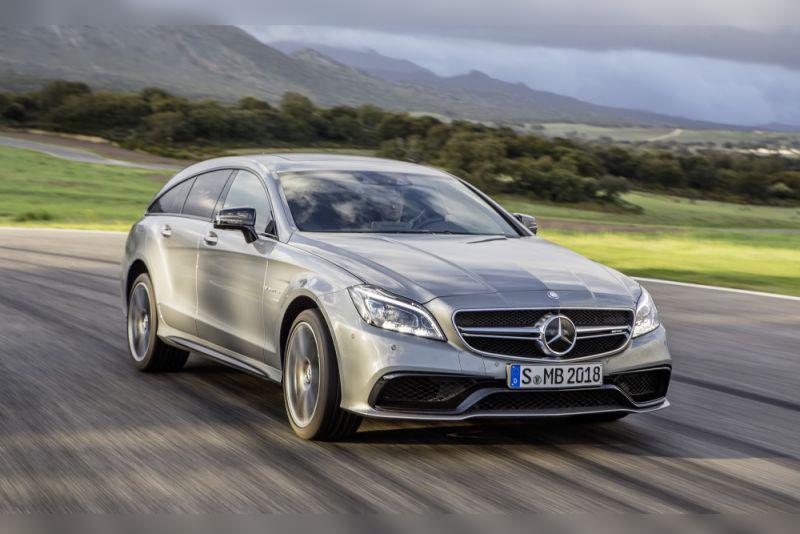
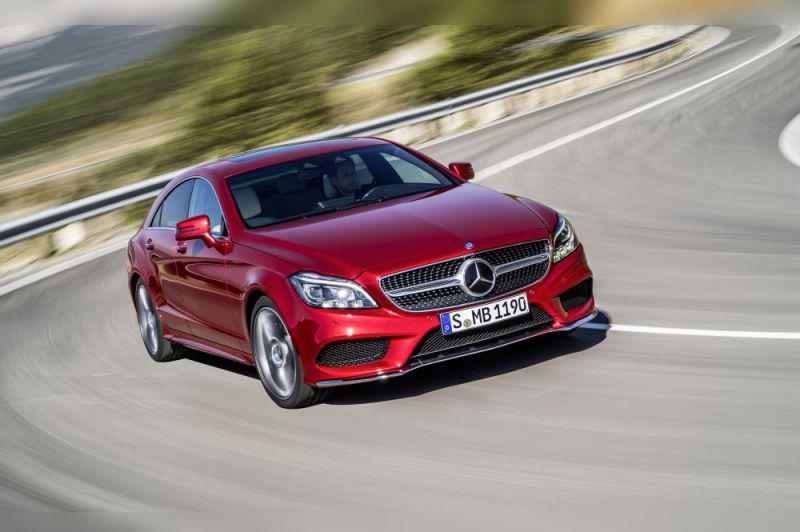
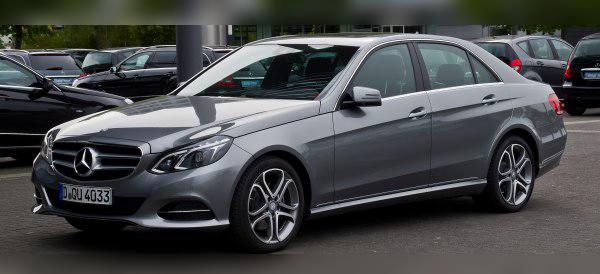
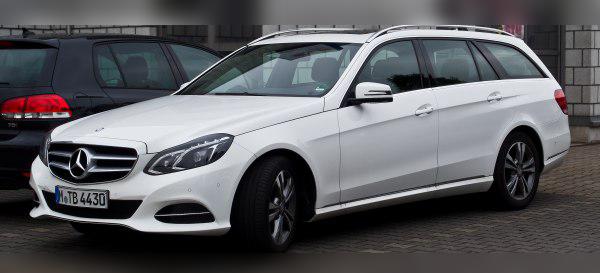
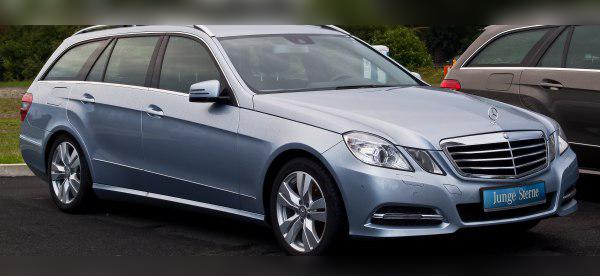
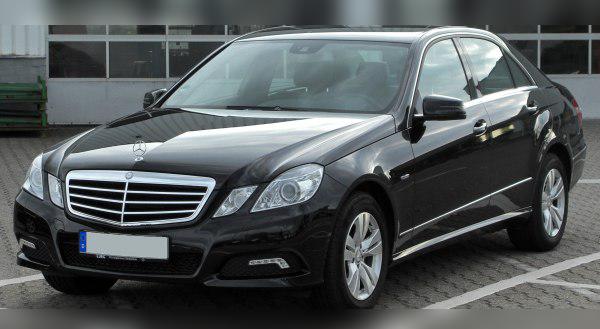
The engine designated as OM 651.924 in the 125 kW (170 HP) version is one of the most common and most important power units in Mercedes’ lineup from the previous decade. It was most frequently installed in facelifted E-Class models (W212 and S212 estate), as well as the luxury CLS (C218). It was conceived as an indestructible cruiser for long journeys, offering an excellent compromise between performance and efficiency. However, like every modern diesel packed with emissions equipment and advanced technologies, it brings certain risks that every potential owner needs to be aware of.
Technical specifications
| Parameter | Data |
|---|---|
| Engine code | OM 651.924 |
| Displacement | 2143 cc |
| Power | 125 kW (170 HP) |
| Torque | 400 Nm |
| Fuel type and injection | Diesel, Common Rail |
| Charging type | BiTurbo (two turbochargers) with intercooler |
Reliability and Maintenance: Chain, oil and servicing
One of the first questions every buyer asks is: Does this engine have a timing belt or a chain? The OM 651 uses a timing chain. However, the engineers made a rather controversial decision here – the chain is positioned at the rear of the engine, i.e. towards the firewall and gearbox. Because of this layout, the major service is anything but cheap.
When is the major service due? On this engine there is no strictly defined mileage interval for chain replacement. In practice, the chain is replaced when it starts to make noise, which usually happens between 200,000 and 250,000 km. The symptom a driver may notice is a short rattling (a few seconds) during the first cold start in the morning, until the tensioner gets oil pressure. Since replacement requires removing the engine or taking down the gearbox, the cost of this job is very high (depends on the market).
As for the regular oil service, the OM 651.924 takes around 6.5 liters of engine oil. Due to the DPF filter and BlueTEC system, it is absolutely mandatory to use oil that meets the MB 229.51 or 229.52 specification, most commonly in 5W-30 grade. This engine is generally not known as a big oil consumer. If the engine is healthy, oil consumption between two services (every 10,000 to 15,000 km) usually does not exceed 0.5 to 1 liter, which is considered normal in the automotive industry. If it consumes more than that, the problem should be sought in the PCV valve (oil separator) or in the turbochargers themselves that are letting oil through.
Specific Components: BiTurbo, injectors, DPF and AdBlue
This 170 HP version of the engine uses a Common Rail injection system. Early versions of the OM 651 engine (before 2012) had notorious Delphi piezo injectors that failed massively. Fortunately, the models listed in the specification (facelift W212 and CLS) use much more reliable solenoid injectors. They have shown excellent durability and usually run for over 250,000 km without issues. If the injectors start to fail, the driver will notice rough idle, increased black smoke under full throttle, or difficult starting.
BiTurbo system: The engine uses two turbochargers connected in series – a smaller high-pressure turbo works at lower revs to eliminate turbo lag, while the larger turbocharger takes over at higher revs. Their lifespan is closely linked to oil quality and driving style (cooling the turbos after spirited driving before switching the engine off). Failures of the turbine wheels themselves are not as common as problems with vacuum hoses and actuators that control the flaps between the two turbos. The symptom of failure is a sudden loss of power and the car going into limp mode (safe mode).
Emissions systems (EGR, DPF, AdBlue): This is probably the biggest weak point of the OM 651 engine intended for the European market. The model has both a DPF filter and an EGR valve. If the car is driven mostly in the city, the EGR will quickly clog with soot, and the DPF will not have the conditions for passive regeneration. Symptoms of a clogged DPF include frequent radiator fan activation, raised idle speed and an increase in oil level in the sump (due to unburnt fuel seeping down).
Models with the BlueTEC badge are further complicated by the selective catalytic reduction system (AdBlue). Yes, this engine has AdBlue and it can cause serious headaches. The most common failures are NOx sensors or the heater inside the AdBlue tank itself. Repairing these components is expensive (depends on the market), and ignoring the fault leads to a countdown of remaining kilometers before the ECU completely blocks engine start.
Fuel Consumption and Performance: City vs Highway
Many people wonder whether 170 HP is enough for heavy cars like the Mercedes E-Class or CLS (which weigh over 1.7 tons). The answer is – it’s not sluggish! What makes this engine very drivable is not the peak power, but the impressive 400 Nm of torque available already at low revs, thanks to the small turbocharger. There is more than enough power for overtaking on country roads.
Fuel consumption: In heavy city traffic, real-world fuel consumption ranges between 7.5 and 9 l/100 km, depending on how heavy your right foot is and on the type of transmission (4MATIC all-wheel drive adds about 1 liter to consumption).
The true territory of this engine is the highway. Thanks to the excellent aerodynamics of the E-Class and CLS, as well as modern gearboxes with long ratios, the engine behaves like a true cruiser. At 130 km/h in ninth gear (with the 9G-TRONIC gearbox), the engine spins at a remarkably relaxed 1,500 to 1,700 rpm. Highway fuel consumption then drops to an impressive 5 to 6 l/100 km.
Additional Options and Modifications
Since this is a detuned version of the same hardware used in the 250 CDI model (which has 204 HP and 500 Nm from the factory), this engine is very suitable for chiptuning. A high-quality and safe Stage 1 remap can raise the power from 170 HP to around 210 to 220 HP, while torque safely climbs to about 480 Nm. If the engine is in good condition (especially the DPF and turbochargers), such a modification does not drastically affect longevity, while significantly improving throttle response.
Transmissions: Manual, 7G and 9G-Tronic
Several different transmissions were offered with the OM 651.924 engine. The base versions had a 6-speed manual gearbox, while most models were equipped with automatic transmissions: the older 5G-TRONIC (rare in these model years), the very common 7G-TRONIC PLUS, as well as the latest 9G-TRONIC which appeared towards the end of W212 production and on the facelift CLS.
Manual gearbox: If you are buying a version with a manual gearbox, yes, this model has a dual-mass flywheel. Replacing the clutch kit and dual-mass flywheel is a regular maintenance item at these mileages and it is expensive (depends on the market). Symptoms of a worn flywheel include strong vibrations at idle, knocking when switching the engine off, and difficult gear changes.
Automatic transmissions and maintenance: The 7G and 9G automatic transmissions are generally reliable, but very sensitive to neglect. They require regular oil and filter changes.
For the 7G-TRONIC PLUS gearbox, the oil must be changed every 60,000 km.
For the newer 9G-TRONIC, the change interval is slightly longer and is recommended at a maximum of 125,000 km or every 5 years.
If the oil is not changed, the most common issues include jerking when shifting from second to first gear, and failures of the valve body (mechatronics). Another common symptom is fluctuating revs while cruising at a constant speed, which usually indicates a worn torque converter (the “dual-mass flywheel” of automatics).
Buying used and Conclusion
Buying a used Mercedes with the OM 651.924 engine requires caution primarily because of mileage. These cars did not sit in garages; they are cruisers that often covered 50,000 km per year in Western Europe. Do not focus solely on the odometer reading, but on the actual condition of the car on a lift.
What exactly should you check before buying?
- Cold start: Ask the seller not to start the car before you arrive. Listen carefully to the rear of the engine right after cranking. If you hear metallic scraping or rattling for more than two seconds, the chain is due for replacement.
- Exhaust condition: Run your finger along the inside of the exhaust tip. Even though it’s a diesel, your finger should remain completely clean! If there is black, oily soot, the DPF filter is punctured or destroyed.
- Diagnostics (STAR diagnosis): Connecting the car to dedicated diagnostics is a must. Check turbo pressure parameters, injector corrections and error status for AdBlue and NOx sensors, as dealers often deliberately clear these faults before selling.
- Gearbox behavior on the road: During gentle driving and light acceleration, the gearbox must shift absolutely smoothly, without a single jolt.
Who is this engine for? A Mercedes with the OM 651 (170 HP) engine is not a car for someone whose daily driving consists of a five-kilometer commute through heavy traffic. In that scenario, the emissions systems will quickly drain your wallet. This is a car designed for open roads, frequent trips and long-distance driving. If you find a regularly maintained example, with the chain replaced and a healthy gearbox, it will serve you faithfully, offering exceptional comfort and impressively low fuel consumption for this class of vehicle.