Mercedes OM 651.925 (136 HP): Experiences, problems, fuel consumption and used car buying tips
- No timing belt, but a timing chain which is located in an awkward place (by the gearbox), making replacement drastically more expensive.
- Extremely durable engine block, capable of huge mileage, but accompanied by issues with the engine peripherals.
- With its 100 kW (136 HP), the engine is quite "lazy" for the heavy E‑Class (W212) body, so a relaxed driving style is recommended.
- BlueTEC versions have an AdBlue system that is prone to expensive failures (heaters, pumps).
- An excellent candidate for Stage 1 remap (chiptuning) because it shares the same hardware with significantly more powerful versions of this engine.
- Automatic gearboxes (especially the 7G‑TRONIC PLUS) require regular oil changes every 60,000 km to avoid valve body failures.
Contents
- Introduction: Get to know the OM 651.925
- Technical specifications
- Reliability and maintenance
- Specific parts and failures
- Fuel consumption and performance
- Additional options and modifications
- Gearbox and drivetrain
- Buying used and conclusion
Introduction: Get to know the OM 651.925
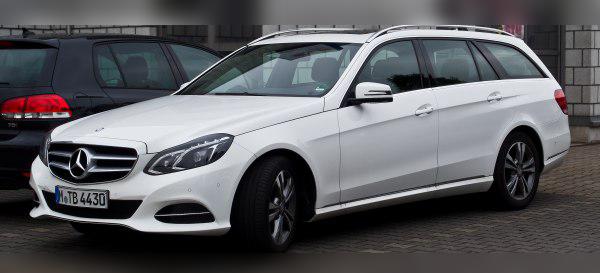
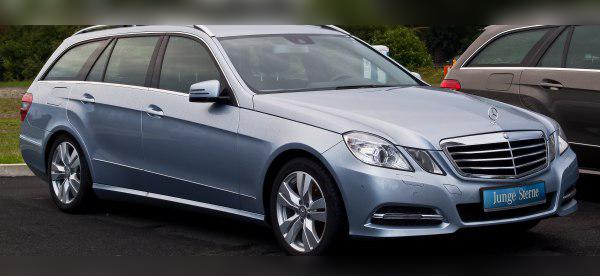
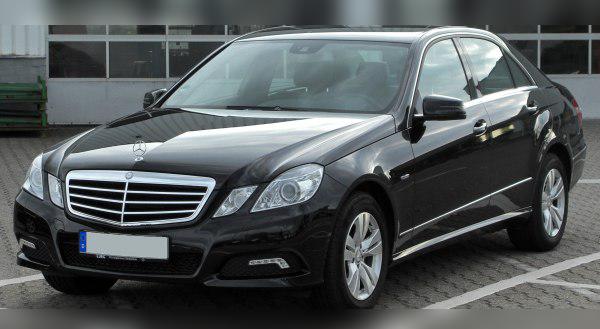
The engine with the internal code OM 651 is probably one of the most common diesel units in Mercedes’ modern history. The OM 651.925 version delivers 100 kW (136 HP) and was primarily installed in the E‑Class W212 (sedan) and S212 (estate), both in pre‑facelift and post‑facelift models after 2013. Although it carries the badge E 200 CDI (later E 200 BlueTEC), the actual displacement is 2.1 liters (2143 cc). This is the so‑called “taxi engine” – designed to cover hundreds of thousands of kilometers, but its complexity brings certain challenges every potential owner needs to be aware of.
Technical specifications
| Parameter | Data |
|---|---|
| Displacement | 2143 cc |
| Power | 100 kW (136 HP) at 2800 - 4600 rpm |
| Torque | 360 Nm at 1600 - 2600 rpm |
| Engine code | OM 651.925 |
| Injection type | Common Rail (solenoid or piezo injectors, depending on model year) |
| Charging | Variable-geometry turbocharger + intercooler |
Reliability and maintenance
Chain or belt? Problematic position
This engine uses a timing chain to drive the camshafts. However, Mercedes made a controversial engineering decision: the chain is located at the rear of the engine, right by the firewall and the gearbox bell housing. Because of this, there is no major service in the sense of a fixed interval (e.g. at 100,000 km); instead, the chain is replaced when it starts to make noise (rattling on cold start). In practice, this happens between 200,000 and 250,000 km. Symptoms of a stretched chain are metallic noises for a few seconds after starting. If you ignore it, the chain can jump and cause total engine failure. Replacement is very expensive (depends on the market) because many mechanics have to remove the entire engine or take off the gearbox to access it.
Oil and regular servicing
The oil sump of this engine holds about 6.5 liters of oil. The recommended viscosity is 5W-30 or 5W-40, and the oil absolutely must meet Mercedes specifications MB 229.51 or MB 229.52 due to the presence of a DPF. As for oil consumption, a healthy OM 651 should not consume excessive amounts of oil between services. A loss of 0.5 to 1 liter per 15,000 km is considered completely normal, especially if the car is driven mostly on longer motorway journeys. If it consumes more, pay attention to the piston rings or possible oil leakage at the turbocharger itself.
Injector lifespan and injection system
On the early OM 651 engines (mostly the more powerful 220 and 250 CDI versions), Delphi piezo injectors were a real nightmare, so Mercedes replaced them under warranty with solenoid (electromagnetic) ones. The 136 HP version is much less stressed, so the injection system is more reliable. If you fill up with quality Euro diesel and regularly replace the fuel filter, the injectors can easily last over 250,000 km. Symptoms of bad injectors are rough idle, increased black smoke under full throttle, harder starting and increased fuel consumption.
Specific parts and failures
Turbocharger and water pump
Unlike the more powerful variants that use a biturbo system, the 136 HP version (OM 651.925) uses a single variable-geometry turbocharger (VGT). Turbo lifespan is excellent and it rarely fails before 300,000 km, provided the engine is not switched off when very hot right after fast driving and the oil is changed regularly. One of the known weak points of this engine is the water pump and cooling system housing, which is made of plastic. Over time, the plastic becomes brittle due to thermal cycling, leading to coolant leaks. Sometimes coolant can enter the engine’s vacuum system, which triggers a series of fault codes and puts the car into limp mode (safety mode).
DPF, EGR valve and emissions
Like every modern diesel, this one has an EGR valve and a DPF (diesel particulate filter). If this heavy sedan is driven exclusively in stop‑and‑go city traffic, the DPF will clog quickly. Symptoms of a clogged DPF are frequent regenerations (elevated idle speed, burning smell around the car, radiator fan running even after switching off the engine) and loss of performance. The EGR valve also gets clogged with soot, sticks, and causes harsh throttle response and fault codes on diagnostics.
AdBlue system (BlueTEC models)
A clear distinction must be made: older CDI models generally do not have AdBlue, while newer BlueTEC models (especially post‑facelift after 2013) have an SCR catalyst and an AdBlue tank. The NOx reduction system is extremely beneficial for the environment, but mechanics know it well for its failures. Most commonly, the AdBlue tank heater fails, or the NOx sensors on the exhaust. Repairing these components is very expensive (depends on the market), and if the system fails, the ECU will start counting down the remaining kilometers after which you will no longer be able to start the engine.
Fuel consumption and performance
How does it cope with the body weight?
To be blunt, 136 HP and 360 Nm in a sedan (W212) that weighs around 1.7 tons with the driver (the S212 estate is even heavier) means that the engine feels “lazy” under acceleration. In city driving and relaxed cruising this is not very noticeable thanks to the good low‑end torque, but on country roads, when overtaking trucks on an incline, you will notice it running out of breath. This engine is not for racing, but for defensive, relaxed driving.
Real‑world fuel consumption and motorway driving
In city driving conditions, you can expect real‑world consumption of 7.5 to 9.0 l/100 km, depending on how heavy your right foot is and on the type of gearbox (the automatic uses slightly more). On the motorway, the E‑Class really shines. Thanks to excellent aerodynamics and long gearbox ratios, at 130 km/h the seven‑speed automatic (7G‑TRONIC) keeps the engine at a relaxed 2000 to 2200 rpm. Fuel consumption on the open road then drops to a very decent 5.5 to 6.5 l/100 km.
Additional options and modifications
Chiptuning (Stage 1) – Is it worth it?
This engine is probably one of the best candidates for a Stage 1 remap on the market. Why? Because the E 200 CDI is almost hardware‑identical to the more powerful E 220 CDI (which has 170 HP from the factory). The engine is deliberately “strangled” in software. With a quality Stage 1 remap on a dyno, power can be safely raised from 136 HP to 170 HP to 190 HP, and torque can exceed 400 Nm. The difference in driving is dramatic – the car becomes much more responsive, safer for overtaking, and fuel consumption in normal driving can even drop slightly because the engine is less strained.
Gearbox and drivetrain
Types of gearboxes and maintenance
The following gearboxes were installed with the OM 651.925, each with its own specifics:
- Manual gearbox (6‑speed): Very rarely seen in the E‑Class, more common in taxis. Very reliable, but it has a dual‑mass flywheel. When the time comes to replace the clutch kit and dual‑mass flywheel, the cost is high (depends on the market). Symptoms of a bad flywheel are strong vibrations at idle and thumps when switching the engine off.
- 5G‑TRONIC (5‑speed): Installed in earlier models. Older technology, somewhat slower shifts, but mechanically almost indestructible. It is occasionally troubled by the conductor plate (electronic board) inside the gearbox, which causes it to get stuck in one gear.
- 7G‑TRONIC PLUS (7‑speed): Much more modern, smoother and faster. It reduces fuel consumption, but is far more sensitive to maintenance.
Automatic gearbox service intervals
This is not an area where you should try to save money. The oil in automatic gearboxes (and the filter in the gearbox sump) MUST be changed every 60,000 km. If this is neglected, dirt and metal particles from the clutch packs will clog the channels in the valve body (the “brain” of the gearbox), and the torque converter (wandler) will also start to fail. Symptoms of a faulty automatic are jerks when shifting from P to D or R, harsh shifts from second to third gear, and fluctuating rpm at a constant speed on cruise control.
Buying used and conclusion
What to check before handing over the money?
When inspecting a W212 with the OM 651 engine, forget about a quick purchase. Key things your mechanic must check:
- Chain noise: Insist on being the one to start the car first while the engine is completely cold. Rattling in the first 3–5 seconds indicates that the timing set will soon need replacement.
- AdBlue and DPF history: Using the original Star diagnostics, check the DPF saturation level and whether there are any stored NOx sensor faults.
- Cooling system: Look for traces of dried red or blue coolant around the water pump and thermostat housing.
- Gearbox test drive: Accelerate gently, then under full throttle, and brake hard. The gearbox should shift imperceptibly. Jerking is not “normal for its age”, but a sign of expensive repairs.
- Suspension and chassis: The E‑Class is heavy. The front control arm bushes often fail. Also check whether the car has rear air suspension (common on estates), because replacing the air springs or compressor is a serious expense.
Who is this engine for?
Mercedes’ OM 651.925 with 136 HP is not a car for drivers seeking sporty dynamics; it is designed for taxi drivers, long‑distance business users and families who put comfort first. If you are buying one, set aside a budget for a timing chain replacement right away so you can have peace of mind. If you find it underpowered, a Stage 1 software tune will turn this “lazy” cruiser into a very agile and safe sedan. Service the automatic gearbox regularly and you will enjoy hundreds of thousands of motorway kilometers.