Mercedes-Benz OM 651.930 (177 HP): Experiences, issues, fuel consumption and used-car buying guide
- Strong and flexible engine: With 130 kW (177 HP) and 350 Nm, it easily copes with the weight of the A, B, CLA and GLA class.
- Timing chain at the back: It is located on the gearbox side, which makes visual inspection difficult and significantly increases labour costs when replacing it.
- Gearbox demands proper care: The automatic 7G-DCT gearbox requires regular oil changes every 60,000 km; otherwise, the mechatronics unit fails quickly.
- AdBlue and DPF: Newer Euro 6 versions have an AdBlue system that can turn into an expensive headache, and the DPF fills up quickly in city driving conditions.
- Favourable fuel consumption: On the open road it uses very little fuel for its power, an excellent cruiser.
- Recommendation: Buying one only makes sense if most of your mileage is done on open roads and if you thoroughly check the service history of the automatic gearbox.
Contents
- Introduction: About the OM 651.930 engine
- Technical specifications
- Reliability and maintenance
- Specific parts and costs
- Fuel consumption and performance
- Additional options and modifications
- Gearbox: Manual and 7G-DCT
- Buying used and conclusion
Introduction: About the OM 651.930 engine
The engine designated as OM 651 is one of the most widespread and most long-lived Mercedes diesel engines in recent history. Although its displacement is 2143 cc, in commercial model names it is usually badged as "220 CDI" or, in newer models, "220d". In this specific variant (OM 651.930), it delivers 130 kW (177 HP) and a hefty 350 Nm of torque.
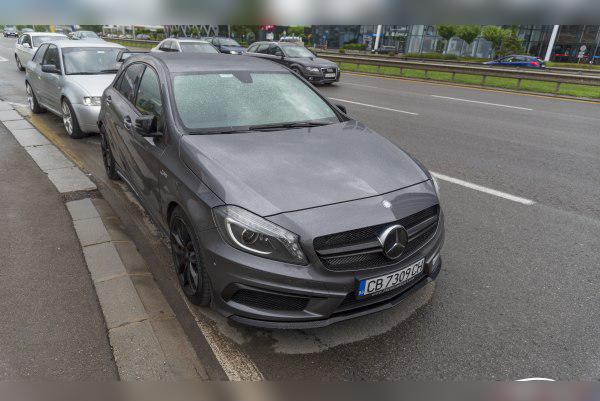
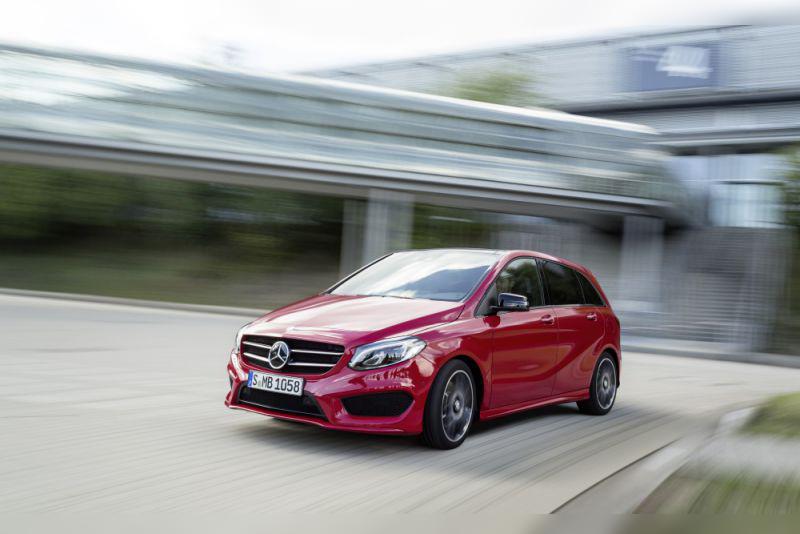
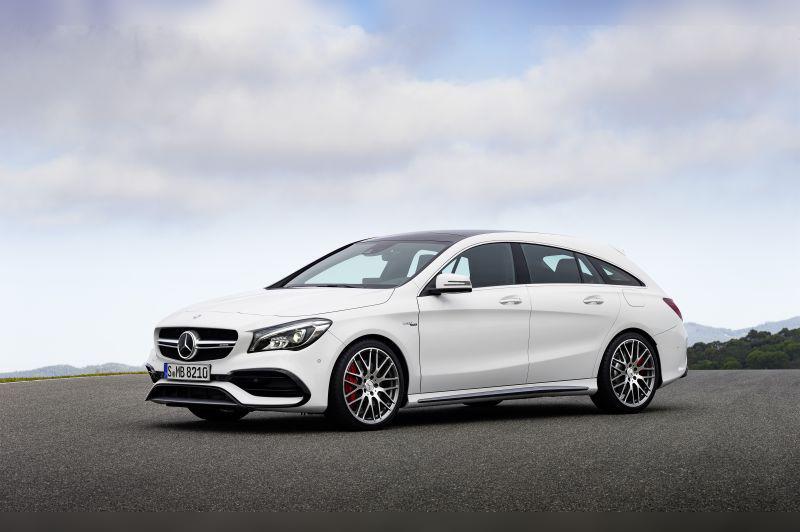
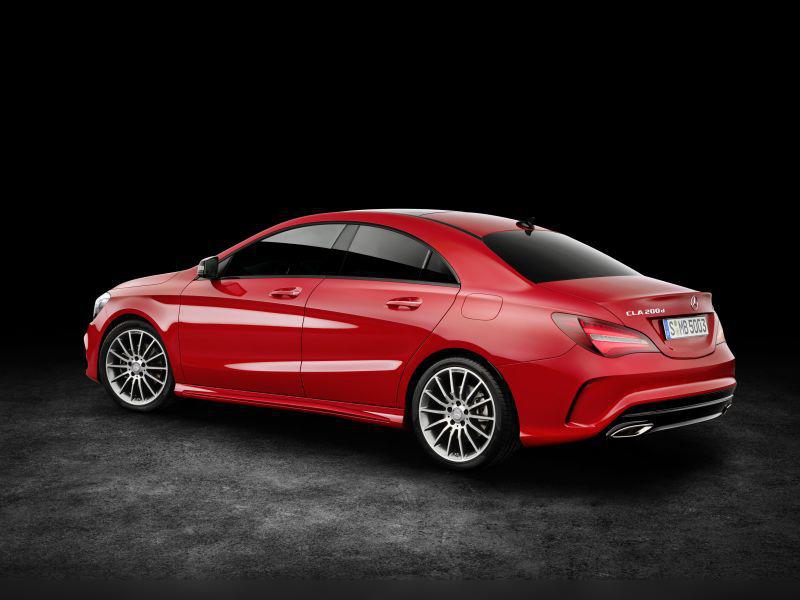
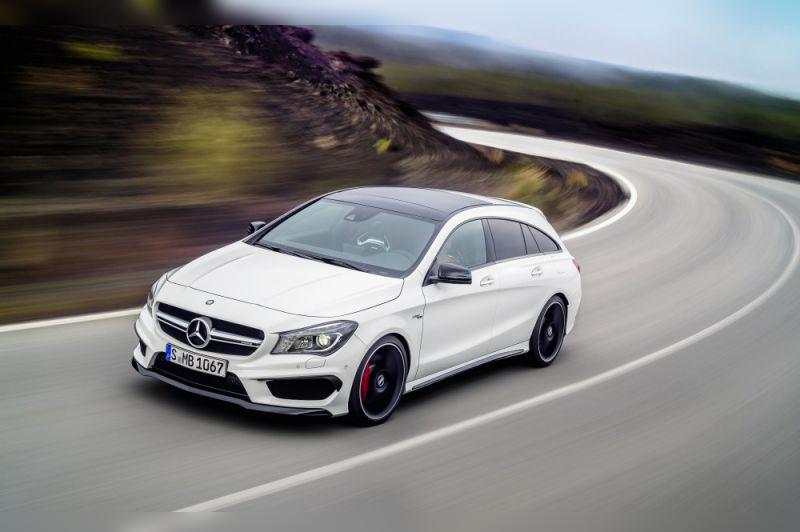
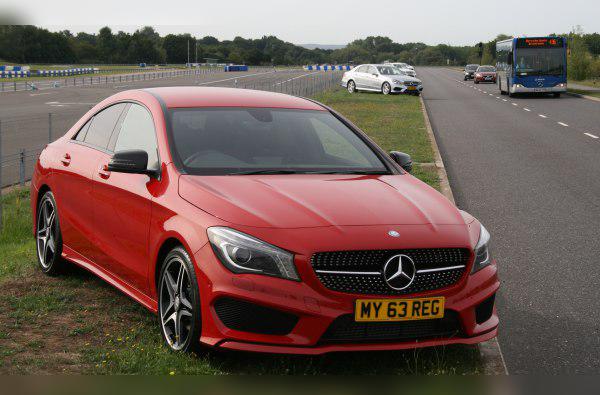
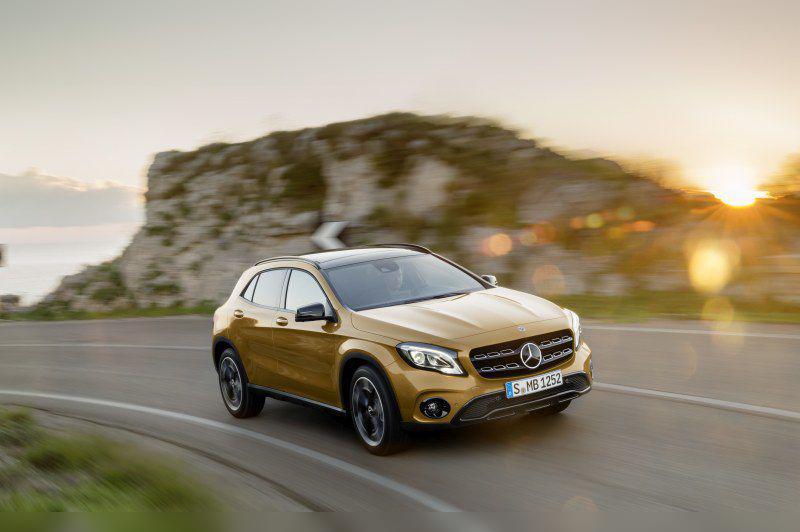
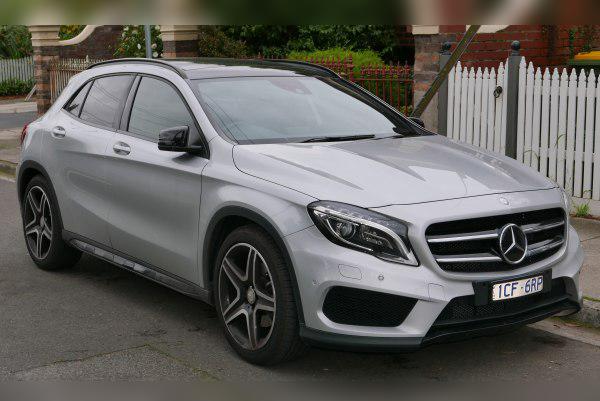
What sets this engine apart is the way it is installed. While it is mounted longitudinally in the C or E class, in compact models on the MFA platform (A-Class W176, B-Class W246, CLA C117/X117 and GLA X156) it is installed transversely. On the one hand, this saves cabin space, but on the other hand it makes access to certain engine components more difficult, which gives mechanics a hard time – and increases the owner’s bill at the workshop.
Technical specifications
| Parameter | Specification |
|---|---|
| Displacement | 2143 cc |
| Power | 130 kW (177 HP) |
| Torque | 350 Nm |
| Engine code | OM 651.930 |
| Injection type | Common Rail (Direct injection) |
| Turbo/Naturally aspirated | Turbocharger (VGT), intercooler |
Reliability and maintenance
Timing chain and major service
This engine uses a timing chain, not a timing belt. However, the design solution is such that the chain is located at the rear of the engine, right next to the gearbox. Because of this, there is no strictly prescribed interval for a "major service" at a specific mileage; instead, the condition of the chain must be monitored (it usually lasts between 200,000 km and 250,000 km).
When the chain stretches or the tensioner weakens, the symptom is a characteristic metallic rattling during the first cold start of the engine, lasting a few seconds. When the time comes for replacement, the procedure is labour-intensive – it often involves removing the entire engine or taking off the gearbox. Because of this, replacement costs are quite high to very high (depending on the market).
Oil and the most common failures
The oil sump of this engine holds about 6.5 to 7.0 litres of engine oil. It is mandatory to use fully synthetic 5W-30 oil that meets Mercedes standards MB 229.51 or MB 229.52 (important because of the DPF filter). The engine is generally not known for "consuming oil". Consumption of up to 0.5 litres per 10,000 km is considered normal. If you notice that the oil level on the dipstick is rising, this is a serious warning sign that diesel fuel is mixing with the oil due to unsuccessful DPF regenerations!
Among the most common engine issues is coolant leakage. The biggest problems are caused by the plastic thermostat housings and the water pump. Under the influence of high temperatures, the plastic becomes brittle over time and cracks, which leads to a slow loss of antifreeze. Failures of exhaust gas pressure sensors also occur, causing the car to enter limp mode (protective operating mode, reducing power).
Injectors
Early versions of the OM 651 engine had notoriously problematic Delphi piezo injectors. Fortunately, in these later revisions (after 2014), Mercedes switched to more reliable electromagnetic (solenoid) injectors. With good-quality European fuel, their service life easily exceeds 250,000 km. If they do fail (most often due to contamination in the fuel), repair or refurbishment is an expensive procedure, and the symptoms of a failing injector include increased black smoke under acceleration, rough idling and increased fuel consumption.
Specific parts and costs
Dual mass flywheel and turbo
Yes, the engine has a dual mass flywheel (DMF). Both the manual versions and especially the versions with the automatic (7G-DCT) gearbox rely on the dual mass flywheel to dampen vibrations. It is a very expensive component (depending on the market). Symptoms of a worn flywheel are strong vibrations in the steering wheel and pedals at idle, as well as a dull metallic thud when switching the engine off.
This engine version (177 HP) has a single turbocharger with variable geometry (VGT). It has proven to be extremely durable, provided you do not skimp on oil quality and do not push it hard before the engine reaches its operating temperature of around 90 °C.
DPF, EGR and AdBlue system
This model is equipped with both an EGR valve and a DPF filter. Over time, the EGR clogs up with soot (especially if you drive at low revs), which requires removal and ultrasonic cleaning. The DPF filter suffers badly from stop-and-go city driving. If you do not take the car out on the open road so it can reach temperature and complete the regeneration process, the DPF will quickly become overloaded.
Newer models in this series (badged "220 d" from 2015 onwards, i.e. Euro 6 compliant) are equipped with the AdBlue system (SCR technology). Warning: this system often causes expensive problems! Failures of NOx sensors and of the pump that pushes the AdBlue fluid into the system are common, and unfortunately, repairs are very costly (depending on the market). Information about the presence of the AdBlue system varies, so it is necessary to check by VIN to know exactly what you are dealing with.
Fuel consumption and performance
This engine is anything but sluggish. With 350 Nm available from just 1400 rpm, the feeling of acceleration in compact bodies such as the A, CLA and GLA class is quite sporty, even under load or in models equipped with the heavier 4MATIC all-wheel drive.
Real-world fuel consumption:
- City driving: Expect around 6.5 to 8.0 l/100 km, depending on the season and traffic congestion. 4MATIC models always use about half a litre more.
- Motorway: This engine is built for long distances. Cruising at 130 km/h in 7th gear of the automatic gearbox, the engine hums along at a relaxed 2100–2200 rpm. In these conditions, fuel consumption drops to an excellent 5.0 to 6.0 l/100 km.
Additional options and modifications
Although 177 HP is perfectly adequate, this 2.1-litre block handles "chipping" extremely well, since factory versions with over 200 HP are basically based on the same block. With a Stage 1 remap of the engine control unit (ECU), power can be safely raised to around 210 HP and over 420 Nm of torque. The block, turbo and gearbox can easily handle this stress, provided that torque is limited at very low revs in order to protect the dual mass flywheel and the clutch plates in the gearbox.
Gearbox: Manual and 7G-DCT
The vast majority of these models come paired with the automatic gearbox called 7G-DCT (dual-clutch transmission) with seven gears. A classic 6-speed manual gearbox is less common.
Gearbox failures and maintenance
The manual gearbox is very robust. Its main maintenance consists of occasional oil changes and, when the time comes, replacement of the clutch kit and dual mass flywheel, which is a moderately to very expensive expense (depending on the market).
The automatic 7G-DCT gearbox with a dual wet clutch is a completely different story. It provides quick gear changes but requires strict adherence to the rule: gearbox oil and filter must be changed every 60,000 km. If this is ignored, fine metal particles from the clutch plates will destroy the "mechatronics" (electro-hydraulic control module). The most common symptoms of failure are unpleasant and harsh jerks when shifting between first and second gear, delayed engagement when moving off from a standstill and knocking when selecting reverse. Replacing the entire clutch set on this automatic gearbox, together with the dual mass flywheel, is among the very expensive interventions (depending on the market).
Buying used and conclusion
What to check before buying?
- Cold start: The engine must be completely cold when you inspect it. If during the first two seconds after starting you hear metallic rattling or knocking, the chain is due for replacement.
- Coolant condition and housings: Using a flashlight, check for traces of antifreeze (white or pink dried marks) around the plastic flanges and thermostat on the block.
- Diagnostics (mandatory!): Via the OBD port, the mechanic must read the injector correction values, DPF saturation (clogging) in percent and EGR valve fault codes.
- Automatic gearbox test drive: Move off extremely gently, then sharply. The gearbox must not jolt or slam when shifting from 1st to 2nd and vice versa when coming to a stop (2nd to 1st).
Conclusion: Is this the right engine for you?
The Mercedes OM 651.930 with 177 HP in a compact "package" is an excellent choice for drivers who mostly travel on regional roads and motorways. The pulling power, combined with excellent stability and modest fuel consumption at high speeds, makes it a great "mile-eater".
On the other hand, if your routes are exclusively urban, with lots of traffic lights and short stop-and-go trips, consider a petrol engine. Diesel technology in this form (DPF, EGR, AdBlue) will charge you dearly for city life through clogged components, and servicing the 7G-DCT gearbox and replacing the timing chain, which is unfortunately hidden on the gearbox side, will be a huge hit to your budget.