Mercedes-Benz OM 654 M (197 hp): Experiences, Problems, Fuel Consumption and Used Car Buying Guide
- Advanced mild-hybrid system (ISG) provides excellent acceleration and reduces fuel consumption, but adds complexity.
- The timing chain is located at the rear of the engine (towards the cabin), which makes replacement more difficult and more expensive.
- No manual transmissions; it is paired exclusively with the fantastic 9G-TRONIC automatic gearbox.
- Extremely economical in the city for its class, but the DPF filter and EGR valves require regular open-road driving.
- Maintenance of the AdBlue system and replacement of piezo injectors can be very expensive (Depends on the market).
- An ideal engine for long journeys and highway driving, but should be avoided if you spend 90% of your time in city traffic jams.
Contents
- Introduction: Meet the OM 654 M
- Technical specifications
- Reliability and maintenance
- Specific components (Costs)
- Fuel consumption and performance
- Additional options and modifications
- Transmission
- Buying used and conclusion
Introduction: Meet the OM 654 M
When Mercedes-Benz introduced the OM 654, it was a big step forward compared to the legendary but noisy OM 651. However, what we have here is the OM 654 M (M stands for the modified version). The main difference? Displacement has been slightly increased from 1950 cc to 1993 cc due to a longer piston stroke, injection pressure has been raised to an impressive 2700 bar, and most importantly – a 48-volt mild-hybrid system has been added. The integrated starter-generator (ISG) adds another 15 kW (20 hp) and 200 Nm of torque, making it extremely smooth when starting and accelerating.
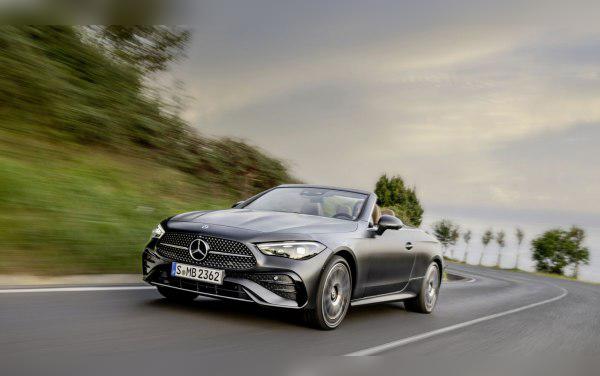
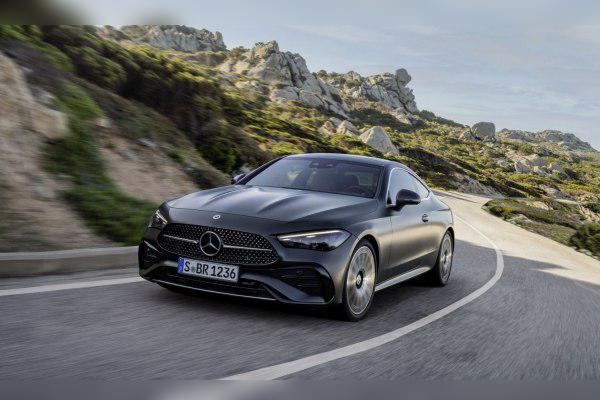
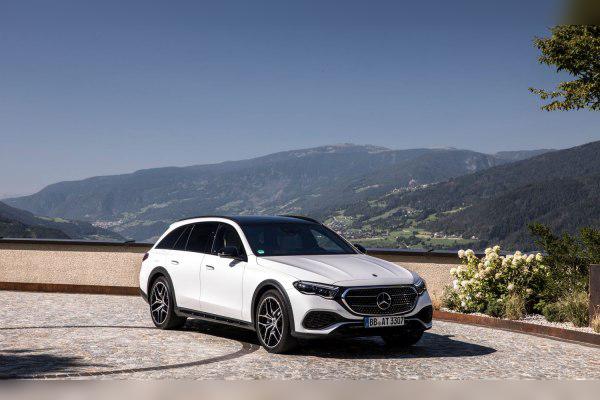
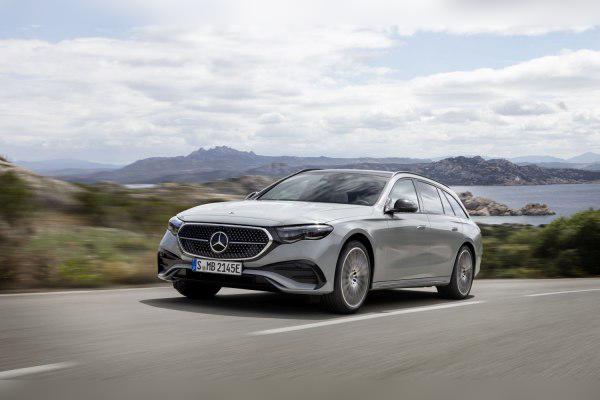
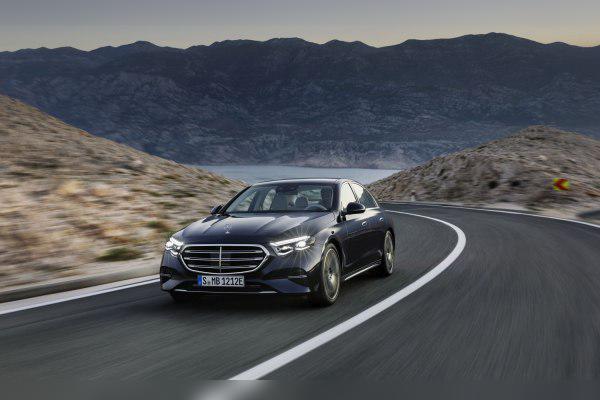
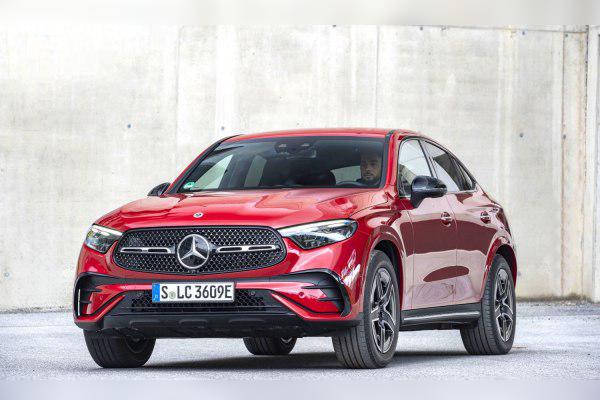
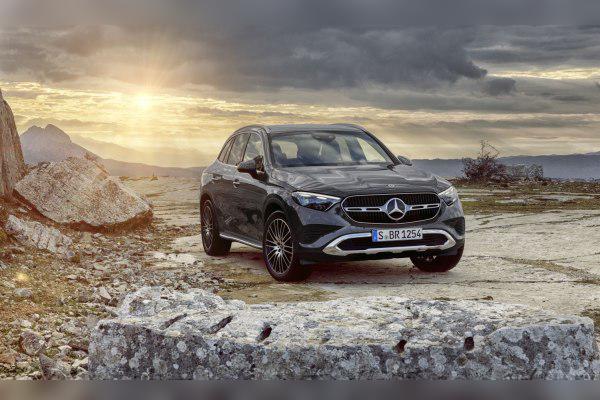
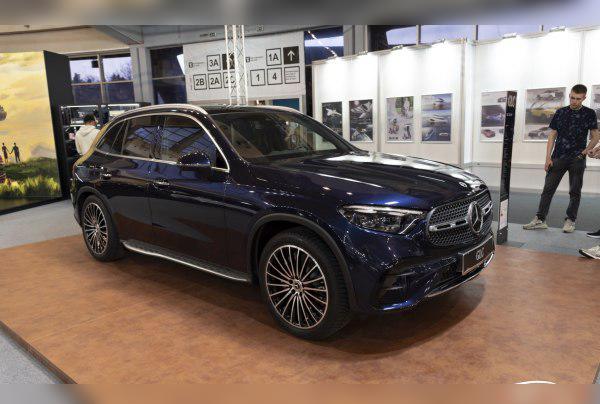
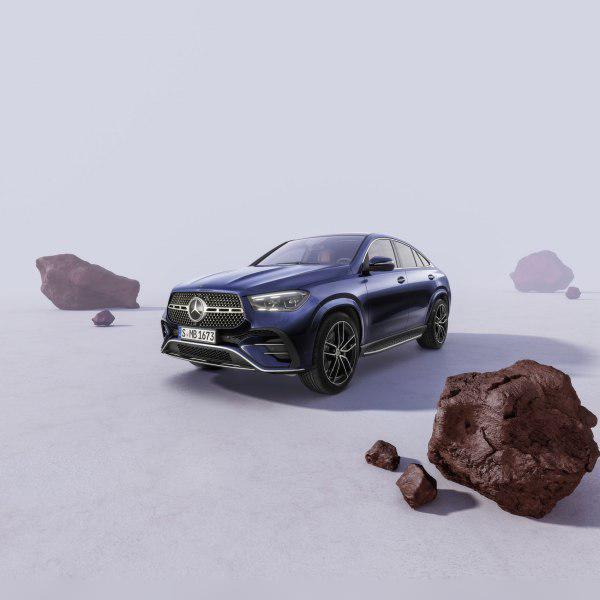
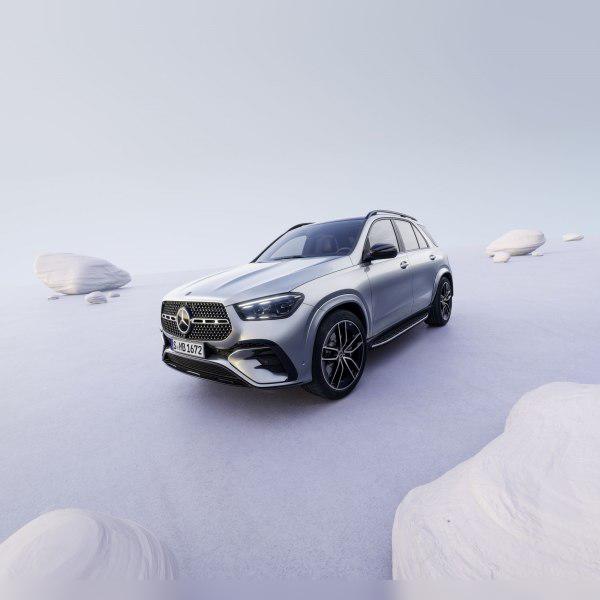
This engine is the backbone of Mercedes’ modern diesel lineup. You can find it in the refined CLE coupé and cabriolet, the versatile E-Class (saloon and All-Terrain), as well as in popular SUV models such as the GLC and the massive GLE. There are also plug-in hybrid (PHEV) versions like the 300de and 350de which use this same combustion engine as a base, but combined with a large battery and a more powerful electric motor.
Technical specifications
| Parameter | Specification |
|---|---|
| Displacement | 1993 cc |
| Power | 145 kW (197 hp) combustion + 15 kW (20 hp) ISG EQ Boost |
| Torque | 440 Nm combustion + 200 Nm ISG EQ Boost |
| Engine codes | OM 654 M (OM 654.820 and related) |
| Injection type | Common-rail direct injection (2700 bar), piezo injectors |
| Turbo/Naturally aspirated | Variable-geometry turbocharger (VGT) + intercooler |
Reliability and maintenance
Does this engine have a timing belt or a chain?
The OM 654 M uses a timing chain. Structurally, the chain is located at the rear of the engine, more precisely between the engine block and the gearbox. This is great for pedestrian safety in the event of a collision (lower bonnet line), but a nightmare for mechanics. When the chain starts to make noise, the gearbox has to be removed and often the entire engine has to come out in order to access the tensioners and guides. Although it is more durable than in older generations, replacement when the time comes will be very expensive (Depends on the market).
What are the most common failures on this engine?
This is a highly sophisticated power unit, which means that potential issues are related to peripherals and electronics. The most common problems include:
- Software bugs and ISG (48V) system failures: Drivers report that the car sometimes refuses to start due to a communication error with the 48-volt battery. The symptom is a red battery warning on the instrument cluster and complete shutdown of the start-stop system.
- NOx sensors and AdBlue system: Sensors often fail due to contamination or poor-quality AdBlue fluid, which triggers the infamous check engine light along with a countdown of remaining kilometers before the engine is prevented from starting.
- Water pump and coolant leaks: The thermostat housing and water pump can sometimes start leaking slightly and cause micro-leaks of coolant. The driver will notice a slight drop in coolant level in the expansion tank, often without visible puddles under the car.
At what mileage is the major service done?
The official interval for the so-called “major service” (chain replacement) in the true sense does not exist in the service booklet, because Mercedes treats the chain as a “lifetime” part. In practice, a thorough inspection of the chain, tensioners and guides is recommended at around 200,000 km to 250,000 km. Replacement is carried out only if diagnostics or engine noise indicate stretching.
Engine oil: Quantity and grade
The OM 654 M takes about 6.5 liters of oil. Due to the complex exhaust aftertreatment system and sDPF filter, it is mandatory to use oil that meets the MB 229.71 specification (most often 0W-20) or alternatively MB 229.52 (5W-30). Thin oil such as 0W-20 provides excellent lubrication during cold starts and reduces fuel consumption, but requires shortened change intervals (good mechanics recommend every 10,000 to 15,000 km, not the factory 25,000 km).
Oil consumption
This engine has very well-designed piston rings and should not consume a noticeable amount of oil between regular services. Normal tolerance is up to 0.5 liters per 10,000 km. If you notice higher oil consumption, the problem usually lies in the turbocharger seals or the oil separator (PCV valve), not in the engine block itself.
Injector longevity (Injection system)
The piezo injectors on the OM 654 M generation are a top engineering achievement with pressures up to 2700 bar. They are designed to last over 250,000 km when using high-quality Euro diesel. Symptoms of worn injectors are “knocking” at cold start, rough idle, increased black smoke (as much as the DPF allows through) and loss of power. If an injector fails, replacement is expensive (Depends on the market) and always requires coding the new injectors into the engine ECU via diagnostics.
Specific components (Costs)
Does the engine have a dual-mass flywheel?
Not in the form we know from manual transmissions. Since the OM 654 M is paired exclusively with the 9G-TRONIC automatic gearbox, instead of a classic dual-mass flywheel there is a hydrodynamic torque converter into which the electric motor (ISG) and a lock-up clutch are intelligently integrated, the latter serving to rigidly connect the engine and gearbox. Replacement or overhaul of the torque converter is very rare and the repair is very expensive (Depends on the market).
Turbocharger
In the 197 hp version, the engine has a single variable-geometry turbocharger (VGT) with water cooling (more powerful PHEV versions may have different turbo setups). The VGT system reduces turbo lag to a minimum. The turbo’s service life easily exceeds 200,000 km provided that the oil is changed regularly and the engine is not switched off immediately after hard highway driving, but allowed a few minutes of idling to cool down.
DPF filter, EGR and AdBlue system
This is the section that worries potential used-car buyers the most, and with good reason.
- EGR (Exhaust Gas Recirculation): The engine has a dual EGR system (low- and high-pressure). If you mainly drive in the city, the EGR valves clog with soot and get stuck. Symptom: the car goes into limp mode and loses power.
- DPF (Diesel Particulate Filter): It has an advanced sDPF (which also incorporates an SCR catalyst). Regenerations are very frequent. Interrupting regenerations in city driving quickly leads to DPF clogging. Replacing the entire module is very expensive (Depends on the market). Therefore, avoid short trips.
- AdBlue: Yes, this engine uses AdBlue. The system is prone to pump or heater failures inside the tank due to fluid crystallization. Crystallization occurs when AdBlue sits in the tank for a long time with temperature changes. Recommendation: Do not fill the tank to the brim if you drive few kilometers; instead, top it up more often with fresh fluid.
Fuel consumption and performance
Real-world fuel consumption in city driving
Thanks to the mild-hybrid technology, this engine surprisingly well masks the vehicle’s weight in stop-and-go traffic. The ISG shuts the engine off as you come to a stop and restarts the car silently before the diesel fires up. In lighter models (CLE, E-Class, GLC), city consumption ranges from 6.5 to 7.5 l/100 km. In the heavier GLE, expect between 8.0 and 9.0 l/100 km in heavy traffic. PHEV models with a full battery (300de, 350de) do not use a drop of diesel in the city (they run purely on electricity for up to ~100 km of range).
Is this engine “lazy”?
Absolutely not. The combination of 440 Nm of diesel torque available from very low revs plus the instant delivery of 200 Nm from the electric motor results in strong and linear acceleration. For the C, CLE and E-Class this is a fantastic engine choice. For a massive SUV like the GLE (which weighs over 2.2 tons empty), performance is perfectly adequate and safe for overtaking, but don’t expect brutal push-back into the seat.
Highway and cruising
This is the OM 654 M’s natural habitat. Combined with the long gearing of the nine-speed transmission, at 130 km/h the engine spins at a relaxed 1500 to 1600 rpm (depending on wheel size and specific model). The result is near silence in the cabin and highway fuel consumption that often drops below 5.5 l/100 km in the E-Class.
Additional options and modifications
How far can you safely go with a remap (Stage 1)?
Although the combustion engine itself can easily handle additional load, the presence of the mild-hybrid ISG system and the 9G-TRONIC gearbox sets the limits. With a quality Stage 1 remap, this engine can be safely raised to about 230 to 240 hp and up to 520 Nm of torque (on the combustion engine only; ISG operation remains unchanged). It is important that the calibration is done by a reputable tuner so that the DPF filter remains clean despite the potentially higher soot output.
Transmission
Manual and automatic gearboxes and the most common issues
If you are looking for a manual gearbox, you won’t find it with this engine. The only option is the proven 9G-TRONIC automatic.
As for the 9G-TRONIC unit, it is very robust, but occasional jerks when shifting from 3rd to 2nd gear during deceleration are known. This is usually a matter of software calibration of the valve body and is resolved by a software update at an authorized service center. Mechanically, the gearbox can handle hundreds of thousands of kilometers if maintained regularly.
Transmission service
The manufacturer often specifies extended intervals, but any serious mechanic will tell you that it is essential to change the oil in the 9G-TRONIC gearbox, replace the filter and clean the transmission pan every 60,000 to 80,000 km. Skipping this service leads directly to clutch pack wear inside the gearbox and destruction of the valve body, which is expensive (Depends on the market).
Buying used and conclusion
What exactly should you check before buying?
- Cold start: Bring a mechanic or listen carefully yourself – start the engine when it is completely cold. Any rattling (like a chain hitting metal) lasting more than 2 seconds from the rear of the engine means the chain is stretched and ready for an expensive replacement.
- DPF condition: Be sure to connect the original Star diagnostic tool and check the “ash mass” (ash content in grams) inside the DPF. If the value is too high, the filter is clogged. Also, inspect the exhaust tips: if they are black and sooty to the touch, the DPF has been gutted or is cracked. They should only be light grey.
- 48V battery and ISG system operation: Call up the energy flow display on the dashboard. Check whether the system properly charges the battery and shuts off the engine when you lift off the throttle (EQ Boost must actively assist during acceleration without jerks).
- Gearbox behavior: Accelerate hard from a standstill and check whether the 9G-TRONIC shifts through the gears smoothly, then brake hard to see whether it jerks when downshifting.
Who is this engine for?
Mercedes’ OM 654 M is an engineering gem and one of the most advanced diesel engines in the world. It is intended for drivers who cover serious mileage on main roads and motorways, those who seek top-notch efficiency in large, luxurious cars. The mild-hybrid system makes it incredibly smooth and eliminates the turbo lag that used to plague smaller diesels.
However, it is not intended for quick runs to the grocery store and school runs in rush-hour traffic. Constant stop-and-go driving guarantees problems with the EGR, DPF and sensors. If you drive less than 15,000 km per year mostly in the city, skip this and any modern diesel and look for a petrol option instead.