Mercedes-Benz OM 654.920 (150 HP): Experiences, problems, fuel consumption and used car buying tips
- All-aluminum engine: Lighter, more efficient and quieter than its predecessor (OM 651).
- Timing chain at the rear: The camshaft drive is located next to the gearbox, which complicates and increases the cost of replacement.
- Emissions as Achilles’ heel: A complex exhaust aftertreatment system (DPF, EGR, AdBlue) requires regular highway driving.
- Top-class efficiency: Fuel consumption is exceptionally low considering the power and weight of the vehicles it powers.
- Platform flexibility: Installed with transverse (8G-DCT) and longitudinal (9G-TRONIC) gearboxes, depending on the vehicle class.
- Excellent tuning potential: Hardware is very similar to more powerful versions, leaving plenty of room for safe power increases.
Contents
- Introduction: Meet the OM 654.920
- Technical specifications
- Reliability and maintenance
- Specific parts and costs
- Fuel consumption and performance
- Additional options and modifications
- Gearbox and drivetrain
- Buying used and conclusion
Introduction: Meet the OM 654.920
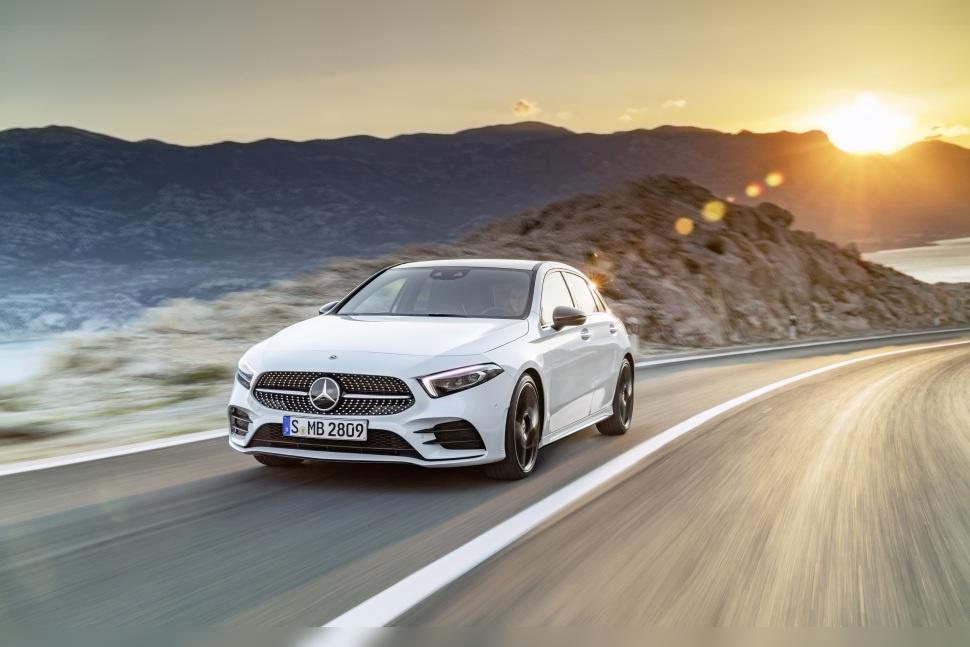
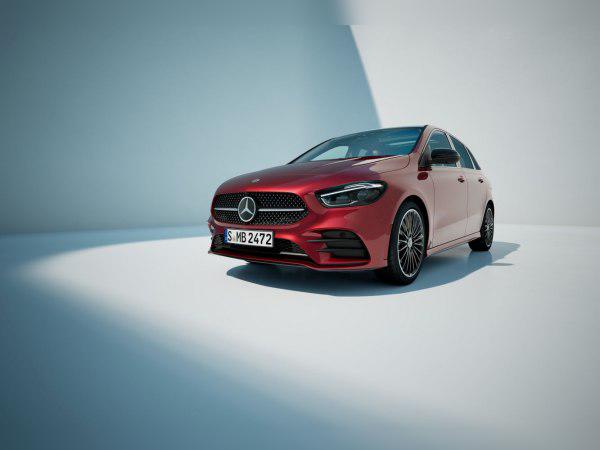
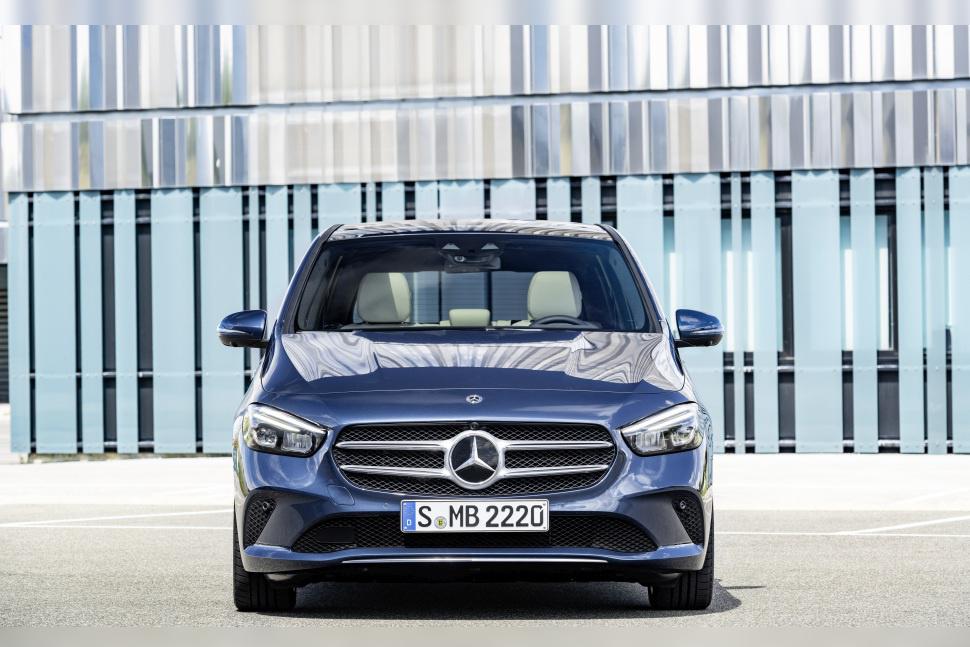
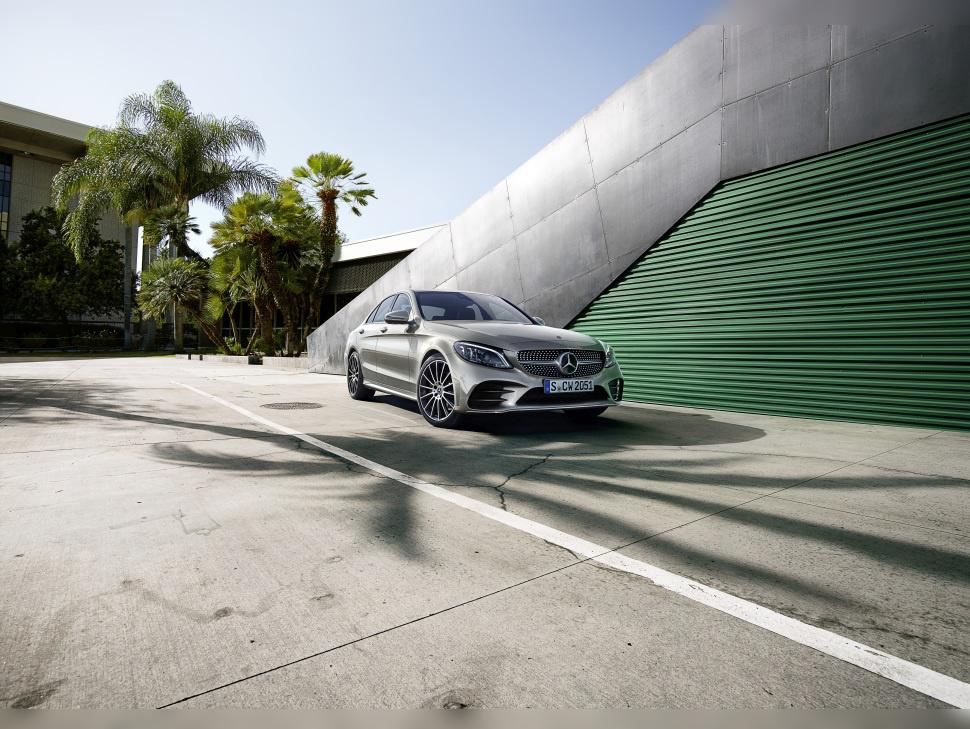
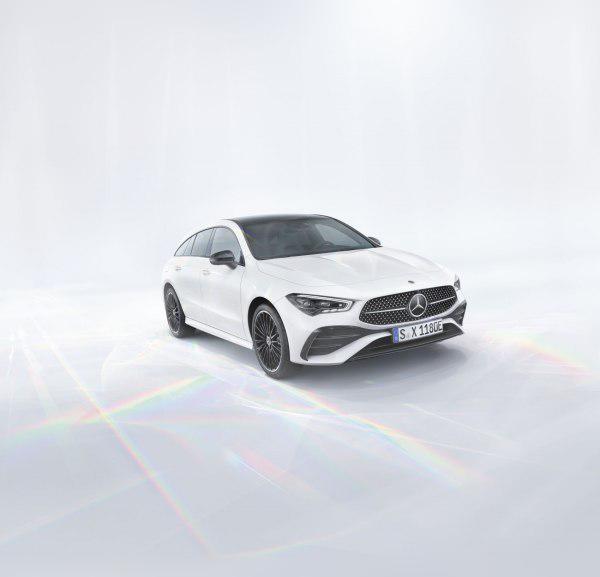
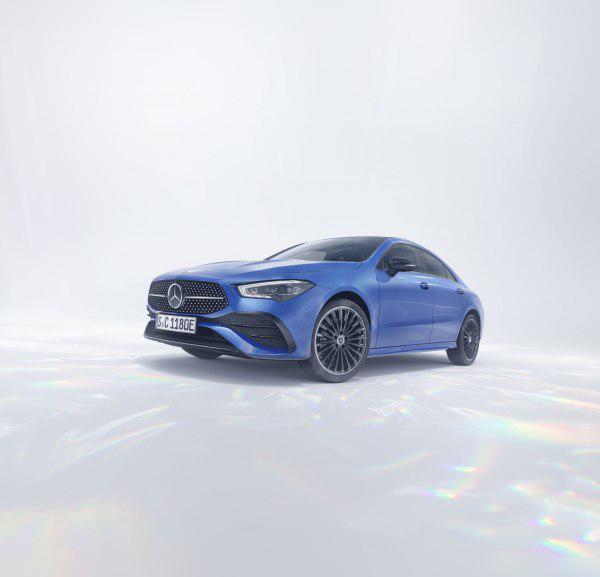
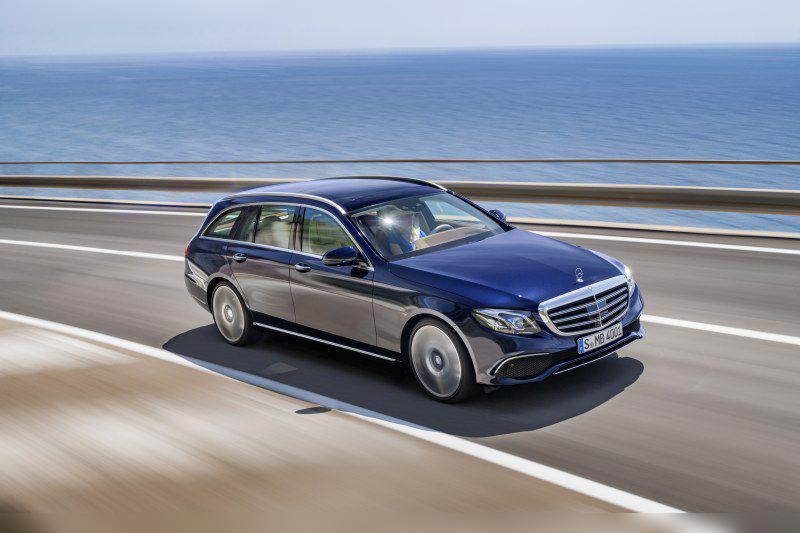
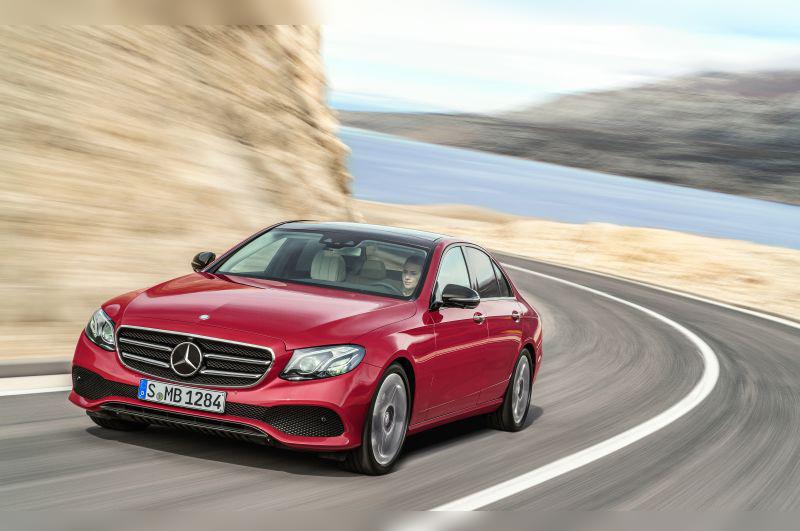
The Mercedes engine designated OM 654 marked an engineering turning point for the German giant when it replaced the legendary, but noisy and heavy OM 651. It is a fully aluminum diesel engine with steel pistons coated with Nanoslide technology to reduce friction. The OM 654.920 version delivers 110 kW (150 HP) and is installed in an incredibly wide range of vehicles – from compact models such as the A-Class (W177/V177), B-Class (W247) and CLA (C118/X118), to serious family and business cruisers such as the C-Class (W205) and E-Class (W213).
Thanks to its modularity, this powerplant offers refined operation, meets strict Euro 6d standards and is one of the most important engines in Mercedes’ modern lineup. Is it really that good, and how much does it cost when the "Check Engine" light comes on? Let’s go step by step.
Technical specifications
| Displacement | 1950 cc |
| Power | 110 kW (150 HP) |
| Torque | 360 Nm |
| Engine code | OM 654.920 |
| Injection type | Common-rail direct injection (Bosch) |
| Intake | Turbocharger, intercooler |
Reliability and maintenance
Timing drive: Chain instead of belt
This engine uses a chain for the timing drive. What is specific (and important for mechanics and your wallet) is that the chain is located at the rear of the engine, right next to the bulkhead and gearbox. Because of this architecture, any work on the timing system is labor-intensive and expensive (depends on the market).
Most common failures
The OM 654 is generally a very reliable unit, but the first series had issues with the rocker arms and camshafts. Due to poor lubrication at cold start or extended oil change intervals, excessive wear occurred. The symptom is a distinct metallic rattling from the top of the engine. In addition, there are frequent problems with NOx sensors that fail due to moisture in the exhaust, which triggers a warning light on the instrument cluster, and replacement is quite expensive (depends on the market).
Service intervals and engine oil
Since the engine uses a chain, a classic major service is not performed at a predetermined mileage. The chain is replaced as needed – usually between 200,000 and 250,000 km, when it starts to make noise at cold start. As for the minor service, the engine takes about 6.0 to 6.3 liters of oil (the amount may vary slightly depending on the shape of the oil pan on different models). High-quality synthetic oil of grade 0W-20 or 5W-30 that meets MB 229.52 or 229.71 specifications is recommended (because of the DPF filter).
Oil consumption between services is minimal on healthy examples. A loss of about 0.3 to 0.5 liters per 10,000 km is considered normal. If the engine consumes more than 1 liter, you should suspect an oil leak at the turbocharger or in the crankcase ventilation system (PCV).
Injector condition on a diesel
Bosch piezo injectors are extremely precise and have proven to be very reliable. Their service life is usually over 250,000 km. However, they are sensitive to the presence of water in the fuel. The first symptoms of worn injectors are a rough idle, difficult cold starts and occasional bluish or black smoke from the exhaust before the engine warms up.
Specific parts and costs
Dual-mass flywheel
Yes, this engine is paired with a dual-mass flywheel, regardless of whether you choose a manual gearbox or a dual-clutch automatic (DCT). Replacing the flywheel together with the clutch kit is very expensive (depends on the market). Vibrations at idle, jolts when switching off the engine or juddering when setting off are clear signs that the flywheel is worn out.
Turbocharger
The engine uses a single variable geometry turbocharger (VGT). It has proven to be extremely durable if the owner respects the rule of cooling the turbo after fast driving and changes the oil regularly. Its service life easily matches the life of the engine, but in case of failure, refurbishment is not excessively expensive (depends on the market).
Emissions: DPF, EGR and AdBlue
This is the section that causes the most headaches for drivers. The model is equipped with both a DPF filter and an EGR valve. The EGR valve tends to clog with soot if the car is predominantly driven in stop-and-go city traffic. Symptoms include loss of power and jerking under light throttle. The DPF regenerates itself, but it needs open road driving.
AdBlue (SCR system) is present and is one of the weakest points of this engine. The system is complex, and the dosing pump, heater in the tank or AdBlue injector often fail. The symptoms are unambiguous: a message on the display that starts a countdown (e.g. "No engine start in 800 km"). Repairs to this system are expensive to very expensive (depends on the market), and ignoring the fault leads to the engine being prevented from starting.
Fuel consumption and performance
Real-world fuel consumption
Thanks to advanced thermal management and reduced friction, the OM 654 is a fuel consumption champion. In city driving, consumption is around 6.5 to 7.5 l/100 km, depending on the weight of the model (the A-Class will use less, the E-Class more).
Power-to-weight ratio (Is the engine "lazy"?)
With 150 HP and a generous 360 Nm of torque, in models such as the A-Class, B-Class and CLA, this engine offers very lively performance and a feeling of surplus power. In heavier bodies such as the E-Class estate, the engine is no sports car, but it is absolutely not "lazy". Elasticity is excellent thanks to the torque available from just 1,400 rpm.
On the motorway
On the motorway this engine really shines. Paired with modern automatic gearboxes, at a speed of 130 km/h it cruises at about 1,600 to 1,800 rpm (depending on whether the gearbox is in 8th or 9th gear). Under these conditions the cabin is extremely quiet, and fuel consumption drops to a fantastic 4.5 to 5.5 l/100 km.
Additional options and modifications
Remapping (Stage 1 remap)
Given that the 150 HP version (badged 200d) is hardware-wise extremely similar to the more powerful 194 HP version (badged 220d), this engine is a fantastic base for tuning. With a safe "Stage 1" remap, power can easily be raised to around 190 to 200 HP, and torque increases to over 450 Nm. If the map is well written, the engine and gearbox will handle this power increase without any issues, and the car will become dramatically quicker in in-gear acceleration.
Gearbox and drivetrain
Types of gearboxes
The choice of gearbox depends on the platform (body style) into which the engine is installed:
- Manual gearboxes (6-speed): Increasingly rare, mostly found in entry-level A- and B-Class models.
- 8G-DCT (8-speed dual-clutch): Installed in models with a transverse engine and front-wheel drive or 4MATIC (A, B, CLA).
- 9G-TRONIC (9-speed torque converter automatic): Installed in models with a longitudinally mounted engine and rear-wheel drive (C, E-Class).
Gearbox failures and maintenance
Manual gearboxes are mechanically flawless, but require replacement of the dual-mass flywheel. 8G-DCT gearboxes are quick, but in the first years of production they can occasionally shift harshly (jerk) from first to second gear. This is often solved by a software update, but in rare cases the mechatronic (valve body) is the culprit. 9G-TRONIC is a top-class gearbox, smooth and durable, but it requires impeccable maintenance.
As for gearbox servicing, the oil in automatic transmissions absolutely must be changed, together with the pan and filter. The interval recommended by experts is 60,000 to 80,000 km. If this service is ignored, the valves (valve body) can be damaged by metal particles, which is a very expensive repair (depends on the market). On manual gearboxes the oil should be refreshed at around 100,000 km.
Buying used and conclusion
What to check before buying?
When buying a used Mercedes with the OM 654 engine, pay attention to the following:
- Cold start: Ask the seller not to start the car before you arrive. When starting, listen to the rear of the engine. If you hear metallic rattling in the first few seconds, the chain needs replacing.
- AdBlue system: Use diagnostics to check the fault history of the exhaust aftertreatment system and the pressure in the AdBlue pump.
- DPF condition: Via diagnostics, the mechanic must read the "ash mass" and the pressure before the filter under full throttle.
- Test drive: The gearbox must shift completely smoothly regardless of whether it is warm or cold. If the car shudders under acceleration at low revs, the engine mounts or dual-mass flywheel are worn.
Conclusion: Who is this engine for?
The OM 654.920 with its 150 HP is probably the sweet spot of modern motoring. It perfectly balances performance, emissions and minimal fuel consumption. It is intended for drivers who cover serious mileage, who value cabin quietness at high motorway speeds and who want a reliable powerplant.
On the other hand, it is absolutely not for drivers who use the car exclusively for short city trips from one traffic light to the next. In such use, modern diesel systems (EGR, DPF, AdBlue) will quickly clog up, and repair costs will completely cancel out any fuel savings. If you find an example with a proper service history for both gearbox and engine, this is a purchase that any technical editor can warmly recommend.