Mercedes OM 654.920 Engine (194 hp): Real-world experience, common issues, fuel consumption and used car buying tips
Key points in short (TL;DR)
- Performance and refinement: The aluminum block and steel pistons make this engine significantly lighter, quieter and smoother than its predecessor (OM 651).
- Fuel consumption: Extremely economical on the open road, especially in sedans paired with the 9G-Tronic gearbox.
- Timing drive: Uses a timing chain mounted at the rear of the engine. Replacement is complex and expensive because it usually requires engine removal.
- Emission systems: DPF, EGR and the AdBlue system require regular highway driving. AdBlue system failures are the most common headache for owners.
- Maintenance: Requires very high-quality oil due to sensitive components and the DPF filter. Repairs are generally expensive.
- Plug-in hybrids: Versions with the de badge (e.g. 300de) combine this diesel with an electric motor, which brings a lot of power, but also more vehicle weight and more complex maintenance.
Contents
- Introduction: The successor to a legend and a new technological era
- Technical specifications
- Reliability, maintenance and common failures
- Specific components, costs and emissions
- Fuel consumption, driving and performance
- Additional options and remapping
- Gearbox and power delivery
- Buying used and final verdict
Introduction: The successor to a legend and a new technological era
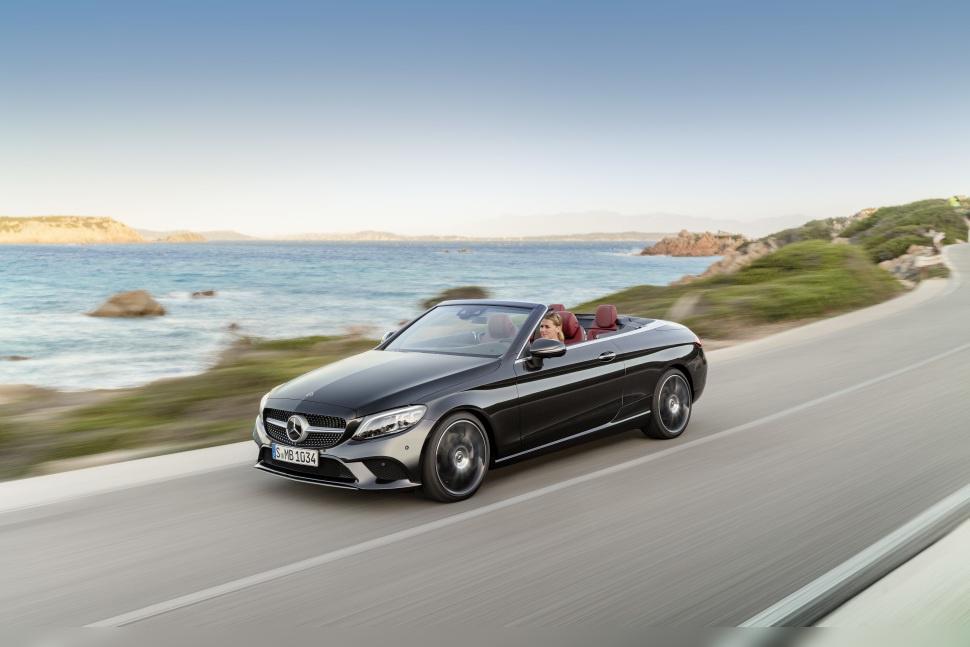
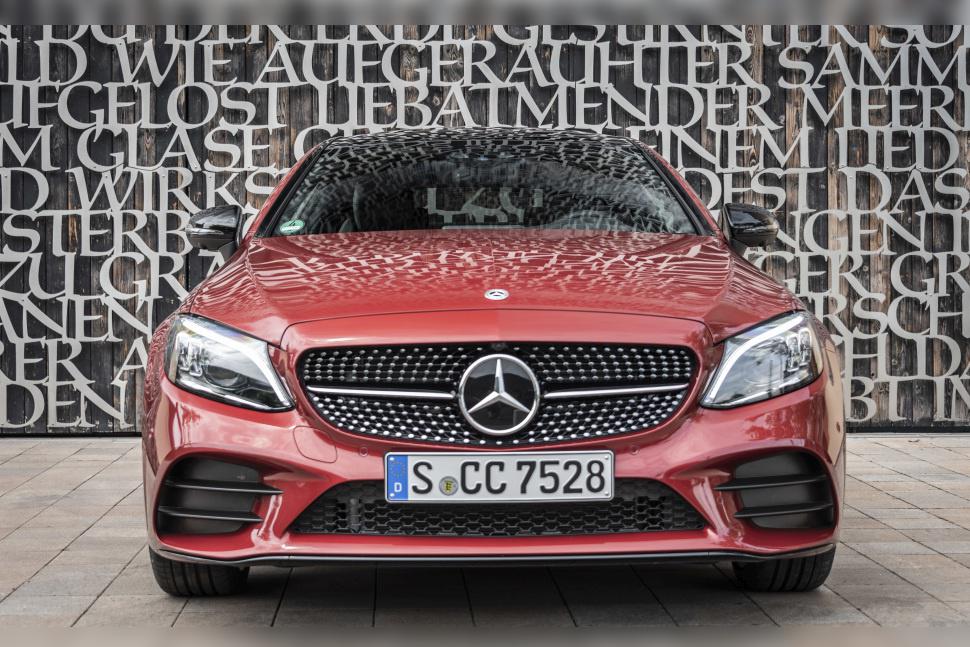
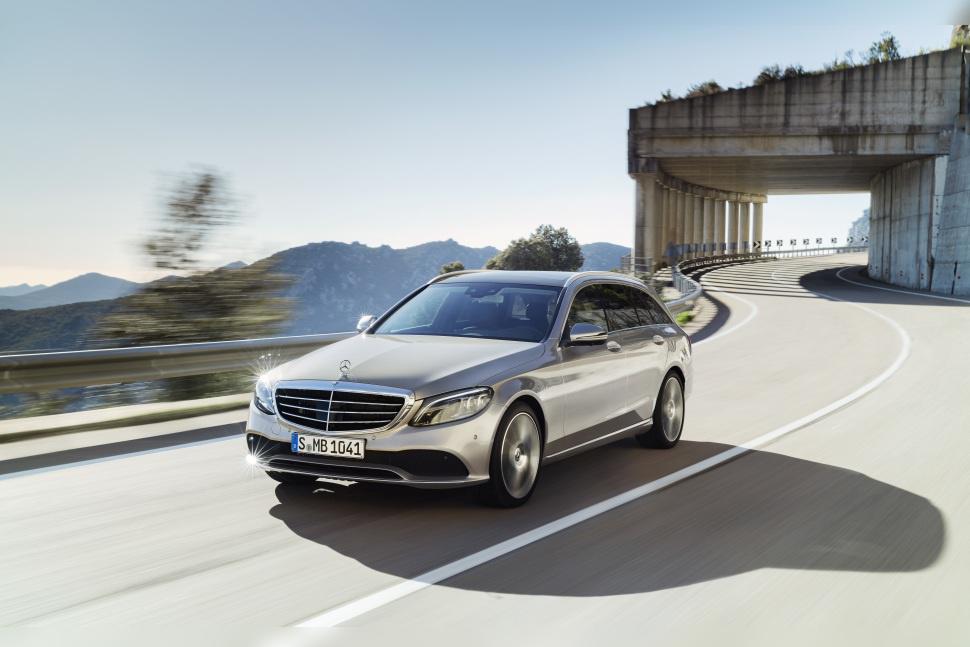
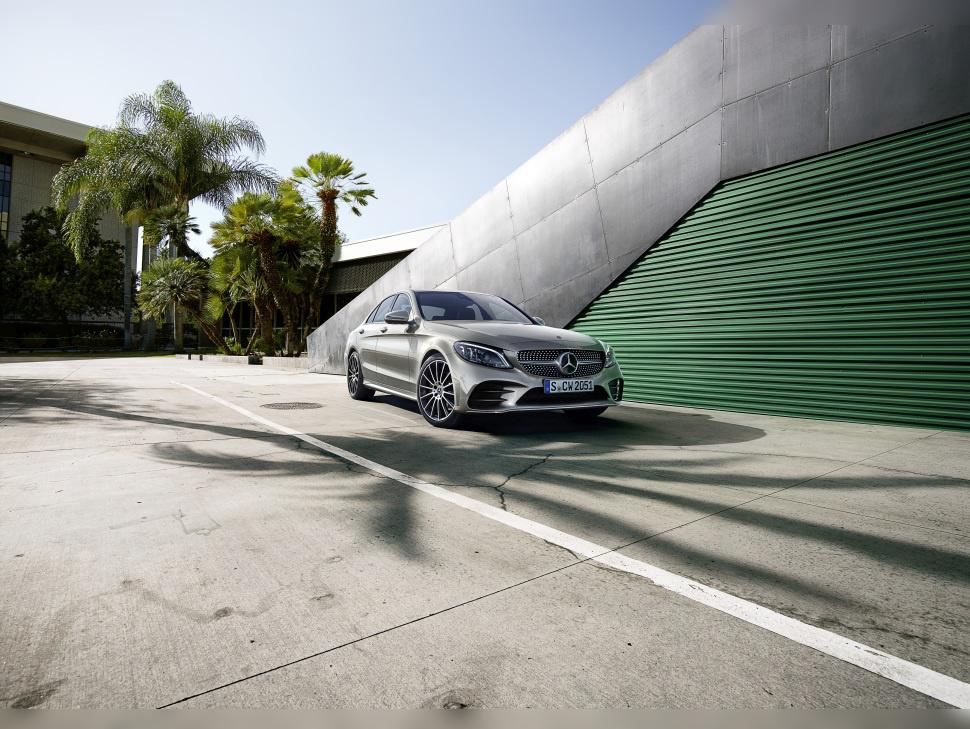
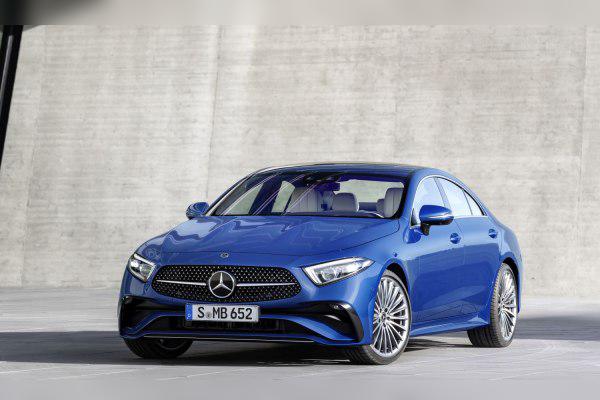
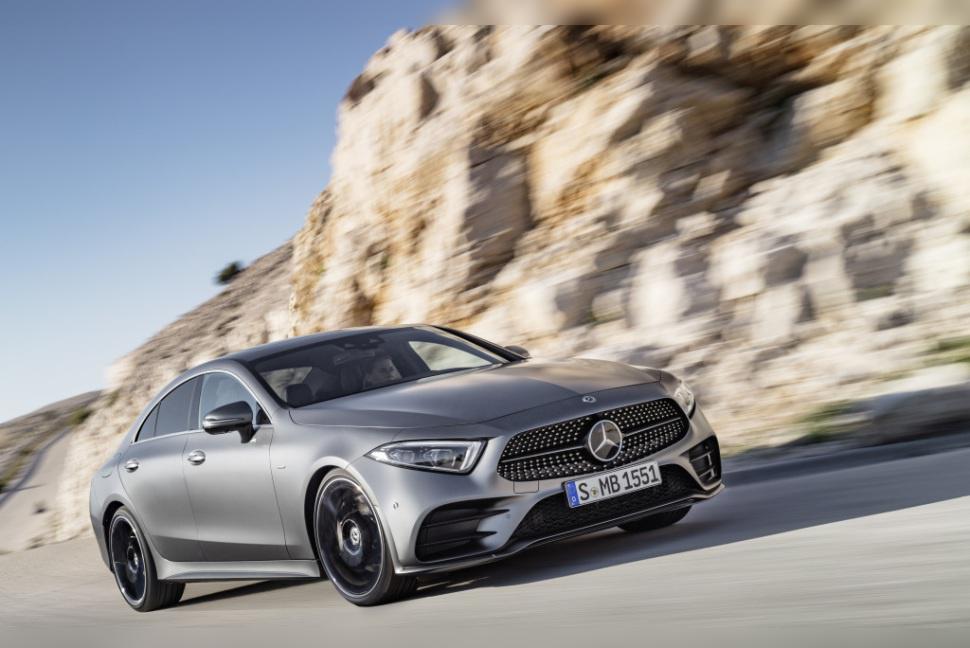
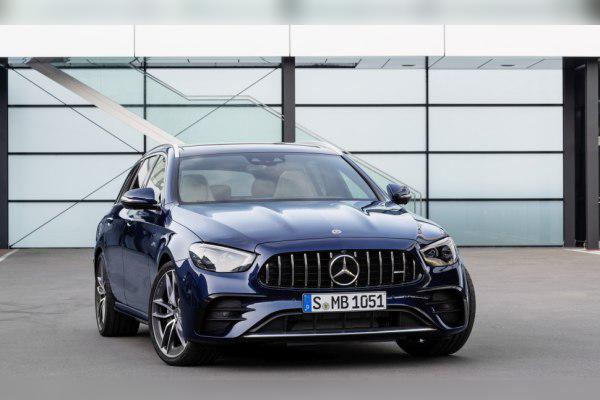
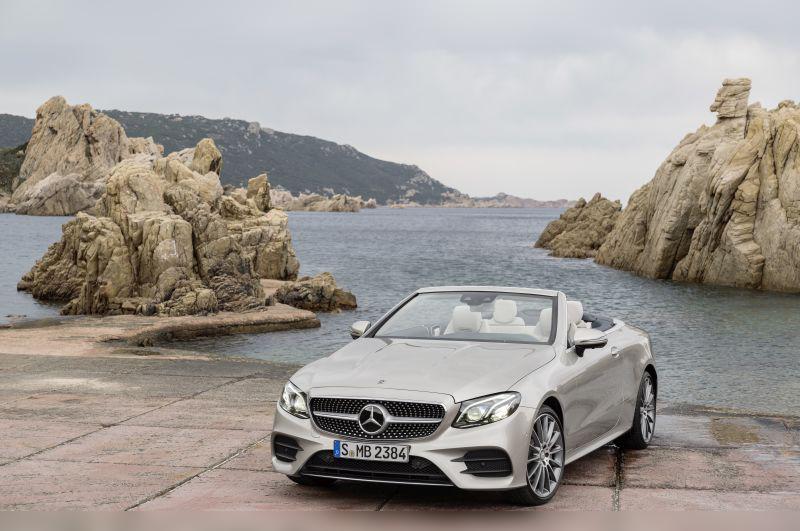
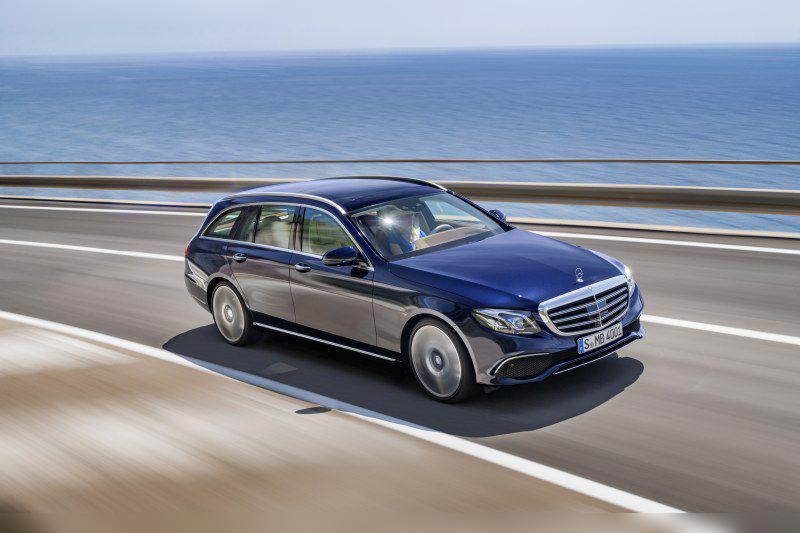
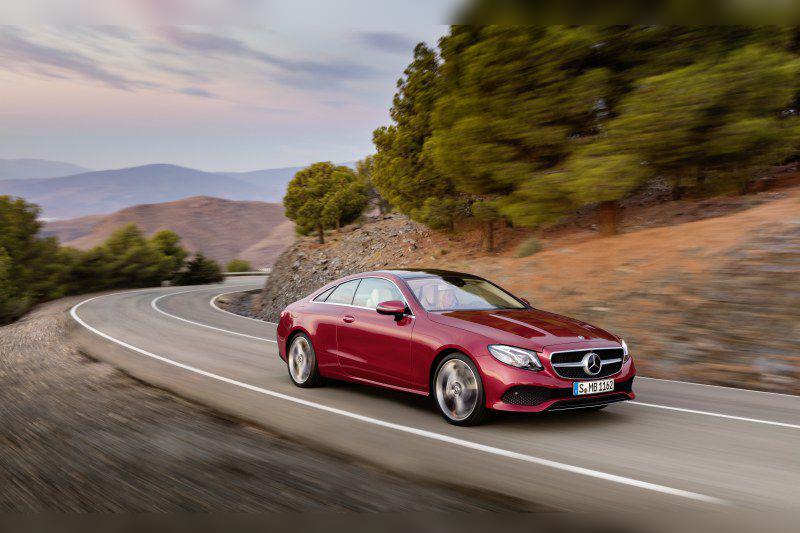
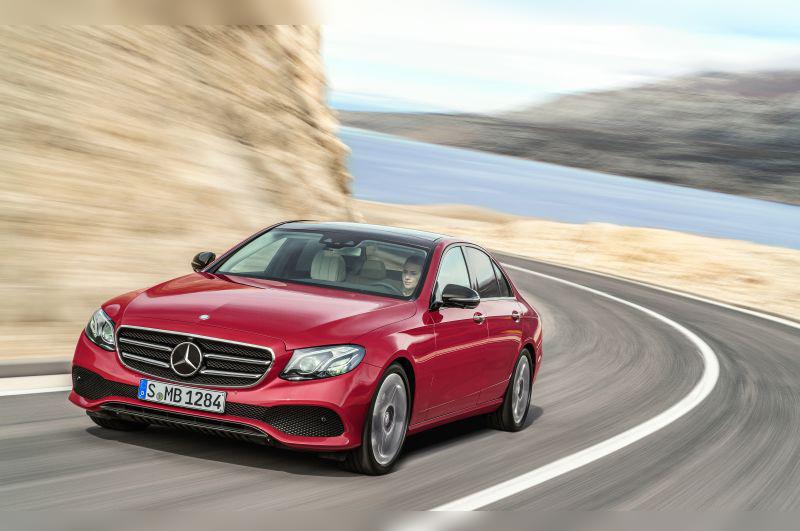
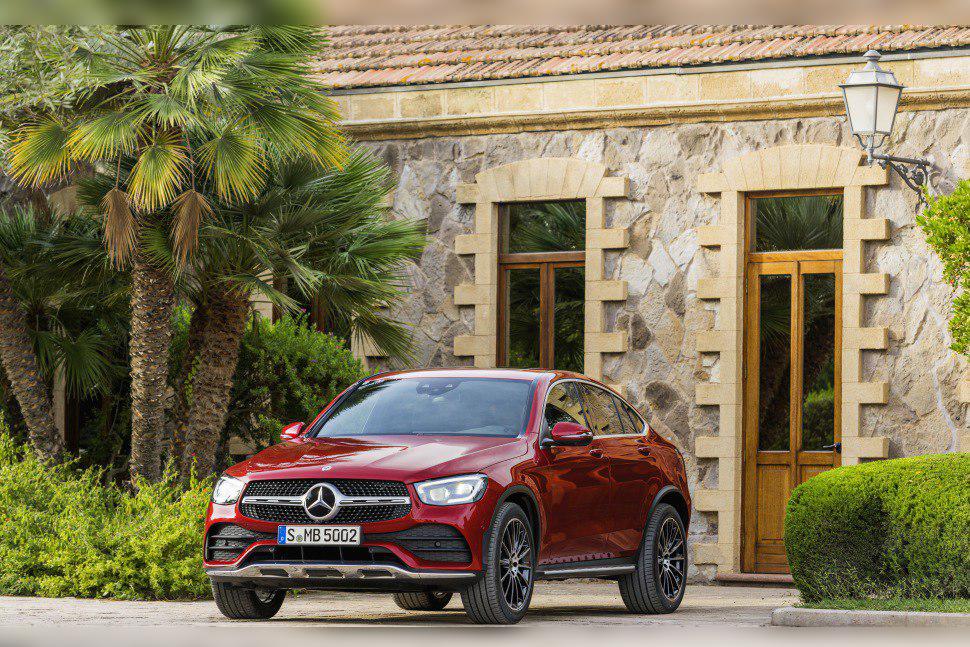
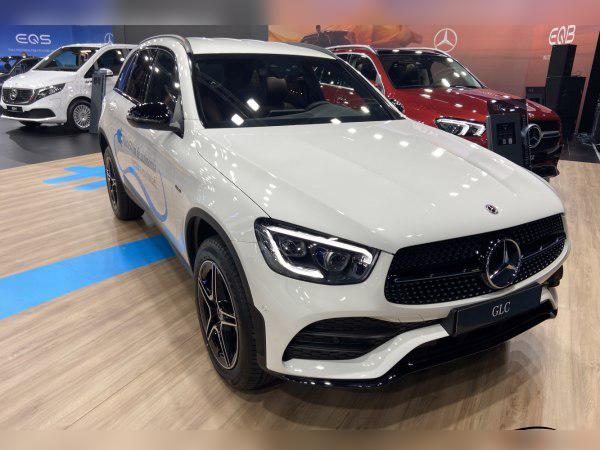
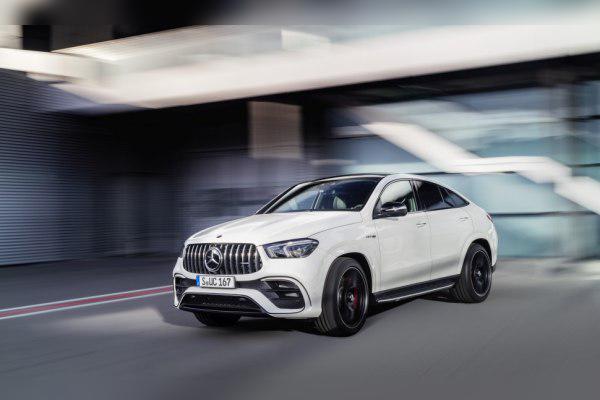
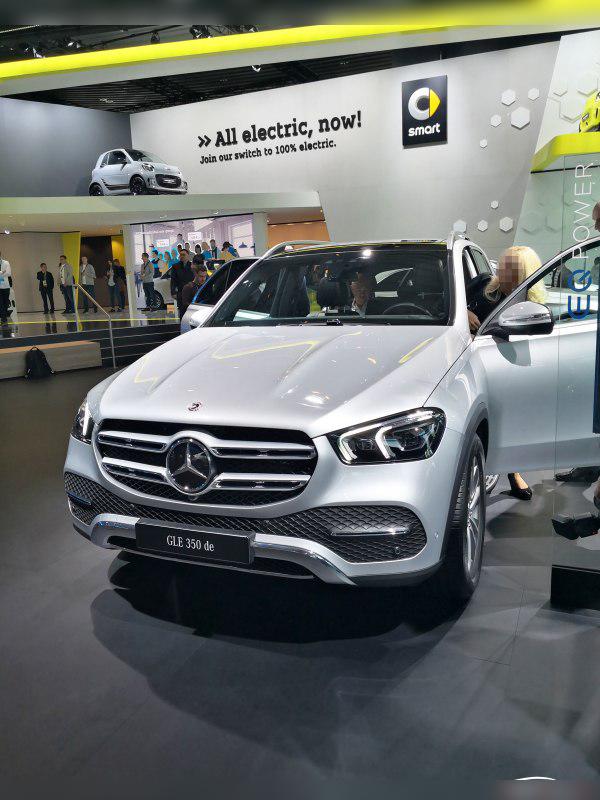
Mercedes’ diesel engine designated OM 654.920 was a real revolution when it appeared. Developed as the direct successor to the famous but noisy OM 651 engine, this 1950 cc unit brings a completely new architecture. For the first time, Mercedes used a combination of an aluminum engine block and steel pistons, together with an innovative Nanoslide cylinder coating that reduces friction. It is installed in a wide range of vehicles, from the C and E-Class, the luxurious CLS, all the way to large SUVs such as the GLC and GLE. Its version with 194 hp and 400 Nm of torque has proven to be the sweet spot between power and efficiency, and it is particularly interesting because it serves as the basis for modern Mercedes “EQ Power” plug-in hybrids (300de and 350de).
Technical specifications
| Parameter | Specification |
|---|---|
| Displacement | 1950 cc (2.0L) |
| Power | 143 kW (194 hp) - base diesel |
| Torque | 400 Nm |
| Engine code | OM 654.920 |
| Injection type | Common Rail Direct Injection |
| Turbo/Naturally aspirated | Variable-geometry turbocharger, intercooler |
Reliability, maintenance and common failures
Timing drive: Chain and the “major service”
The OM 654 engine does not use a timing belt; instead, the camshafts are driven by a timing chain. From an engineering standpoint, Mercedes positioned the chain at the rear of the engine, towards the firewall (cabin). This reduces noise, but makes the mechanic’s job significantly harder. There is no factory-specified interval for a “major service”, but in practice the chain usually stretches between 200,000 and 250,000 km. Symptoms of a stretched chain are a characteristic rattling and metallic clatter during the first morning start (cold start). Due to the chain’s position, replacement usually requires removing the engine or gearbox from the car, which means high labor cost, so the total cost of the major service is: expensive (depends on market).
Engine oil: Capacity, grade and consumption
This engine takes about 6.0 to 6.3 liters of engine oil. Because of the sensitive exhaust aftertreatment system, it is vital to use low-ash (Low SAPS) oil. Recommended viscosity grades are 0W-20 or 5W-30 that strictly meet Mercedes specifications MB 229.52 or 229.71. Regular oil changes should not exceed 15,000 km, regardless of what the on-board computer suggests. Oil consumption between services on a healthy engine is negligible; up to 0.5 liters per 10,000 km is considered completely normal, while anything above that points to a potential problem with blow-by, the turbocharger or piston rings.
Fuel injection system: How long do the injectors last?
The fuel system uses advanced piezo injectors that operate at extremely high pressure. They have proven to be very reliable and can easily last over 200,000 to 250,000 km if you use high-quality Euro diesel. When they wear out, symptoms include rough idle, “clicking” under load, harder starting and whitish smoke. Due to the piezo technology, full refurbishment is often not possible, so replacement with new injectors is necessary. Replacement cost is: very expensive (depends on market).
Specific mechanical issues
One of the better-known weaknesses of early OM 654 units is wear of the valve rocker arms (roller rockers), which over time can damage the camshaft. The driver will notice this as increased ticking from the top of the engine. There are also occasional issues with the high-pressure fuel pump which, due to poor lubrication (bad fuel), can produce metal shavings and destroy the entire injection system.
Specific components, costs and emissions
Dual-mass flywheel and clutch
Since this engine produces 400 Nm of torque at very low revs, the drivetrain uses a complex system to dampen vibrations. Versions with an automatic gearbox use a hydrodynamic torque converter with integrated torsional vibration dampers. These systems are under heavy stress, and wear manifests itself as jerks when setting off, vibrations when applying throttle at low revs and droning while driving. Repairing these components is rated as: very expensive (depends on market).
Turbocharger
This 194 hp version uses a single variable-geometry turbocharger, while the charge air cooling (intercooler) is a water-to-air system located close to the intake manifold for better throttle response. Turbo lifespan is excellent and generally matches the engine’s service life, provided oil is changed on time. Failures are rare and most often show up as turbo whine, loss of power (limp mode) and increased oil consumption.
Emissions: DPF, EGR and AdBlue system
The emissions systems are the “Achilles’ heel” of this engine, as with most modern diesels. Mercedes placed the DPF very close to the engine (sDPF), which allows faster warm-up and more efficient regenerations even in city driving. Still, exclusively urban driving will inevitably lead to clogging of the DPF and EGR valve, which manifests itself as loss of power and an illuminated Check Engine light.
The biggest problem for owners is the AdBlue system (SCR technology). Failures of NOx sensors, the heater in the AdBlue tank or the pump itself are common. The symptoms are clear – a frightening message appears on the instrument cluster: "Engine starts in 800 km". If the problem is not resolved, the car will be software-limited and the engine will no longer start. Repair or replacement of AdBlue components is: expensive (depends on market).
Fuel consumption, driving and performance
City driving and performance
With 194 hp and 400 Nm, this engine is anything but “lazy”. In lighter and more aerodynamic models such as the C and E-Class, throttle response is excellent and allows very smooth and brisk driving. Real-world consumption in stop-and-go city traffic ranges between 6.5 and 8.5 l/100 km. In heavy SUVs such as the GLE, the engine is perfectly adequate, but you should expect higher fuel consumption and somewhat calmer acceleration due to the vehicle’s weight of over two tons.
In plug-in hybrid versions (300de / 350de), city fuel consumption can be from 0 to 2 l/100 km if you charge the battery regularly. However, when the battery is empty, the engine has to haul an extra ~300 kg of electric motor and batteries, which slightly increases conventional diesel consumption.
Highway cruising
The OM 654 truly shines on the highway. Thanks to the fantastic 9G-Tronic gearbox, at 130 km/h the engine runs at an extremely low 1500 to 1600 rpm (depending on model). In this operating range, the engine is virtually silent (no typical diesel “clatter” in the cabin), and fuel consumption drops to an impressive 5.0 to 6.0 l/100 km, making this engine an ultimate mile-eater.
Additional options and remapping
Since this is a diesel engine, LPG installation is neither technically justified nor feasible in the usual sense.
As for modifications, OM 654 engines respond very well to remapping. With a high-quality and safe Stage 1 (software-only modification), power can be easily raised from the stock 194 hp to around 220 to 235 hp, while torque climbs to an impressive 460 to 480 Nm. The driver will notice a much sharper throttle response, especially during overtaking. However, before remapping it is essential to check the condition of the timing chain and the saturation level of the DPF filter, because more power produces more soot and puts greater stress on the drivetrain.
Gearbox and power delivery
When it comes to the OM 654 in these specifications, manual gearboxes have been completely dropped from the offer in most markets. This engine comes exclusively paired with the excellent 9G-TRONIC nine-speed automatic gearbox, often in combination with 4MATIC all-wheel drive.
The 9G-Tronic gearbox is designed to be smooth and reliable. However, it is not without flaws. The most common owner complaints relate to occasional harsher shifts when changing from second to third gear (or when stopping, from 3rd to 2nd). These symptoms are often resolved with a simple software update at an authorized service center, but if ignored, they can lead to issues with the valve body (mechatronics). In “de” hybrid models, the electric motor is integrated into the gearbox housing itself, which further complicates any potential repairs.
Servicing the gearbox is absolutely mandatory! Although manufacturers once promoted the idea of “lifetime oil”, real-world experience has shown the opposite. Regular oil changes in the automatic gearbox, together with the filter and seals (often integrated into the gearbox pan), must be carried out every 80,000 to 100,000 km or every 5 years.
Buying used and final verdict
What to check before buying?
Buying a used car with the OM 654 engine requires caution and a mandatory professional inspection. Never buy a car without the following steps:
- Cold start: Ask the seller not to start the car before you arrive. During the first few seconds of engine operation, carefully listen to the rear of the engine. A sound of metal hitting metal indicates a stretched chain – which should automatically lower the car’s price by a serious amount.
- Factory diagnostics: Connecting the car to dedicated Star Diagnosis (Xentry) diagnostics is a must. Check the ash content in the DPF, injector correction values at idle, as well as the fault history related to the AdBlue system (NOx sensors).
- Inspection around the valve cover: Check for traces of oil leakage around the plastic valve cover and at the intake manifold joints, which may indicate a problem with the oil separator.
- Test drive: During gentle acceleration and deceleration, the gearbox should shift imperceptibly. Any jerk is a reason for a detailed inspection of the drivetrain.
Who is this engine for?
The 194 hp OM 654.920 engine is a brilliant piece of engineering that offers an excellent balance of performance and fuel economy. It is intended for drivers who cover most of their mileage on open roads and highways, where its quietness and efficiency stand out the most. It is absolutely not recommended for buyers who drive only short urban trips – in that case, the DPF and AdBlue systems will quickly cost you a lot of money and nerves. Service the gearbox regularly, use the best possible oil and this Mercedes powerplant will faithfully serve you for hundreds of thousands of kilometers.