Mercedes OM 654.920 (300d 245 HP): Experiences, problems, fuel consumption and used car buying guide
Key points (TL;DR)
- OM 654 is a modern generation diesel engine (aluminum block, steel pistons), significantly lighter and quieter than the old OM 651.
- The engine uses a timing chain located at the rear of the engine, which makes any replacement more expensive.
- The performance of the 245 HP and 500 Nm version is outstanding, while fuel consumption remains surprisingly low thanks to the 9G-TRONIC gearbox.
- The biggest headaches usually come from the emissions systems: EGR valve, DPF and AdBlue installation, especially on cars that are driven mostly in the city.
- Proper maintenance of the 9G-TRONIC gearbox (service every 100,000 km) is crucial for the longevity of the drivetrain.
- An ideal engine for long distances and highway driving; not recommended for drivers whose use is limited strictly to short city trips.
Contents
- Introduction: Why is this engine important?
- Technical specifications
- Reliability and maintenance
- Specific parts and costs
- Fuel consumption and performance
- Additional options and modifications
- Gearbox and power delivery
- Buying used and conclusion
Introduction: Why is this engine important?
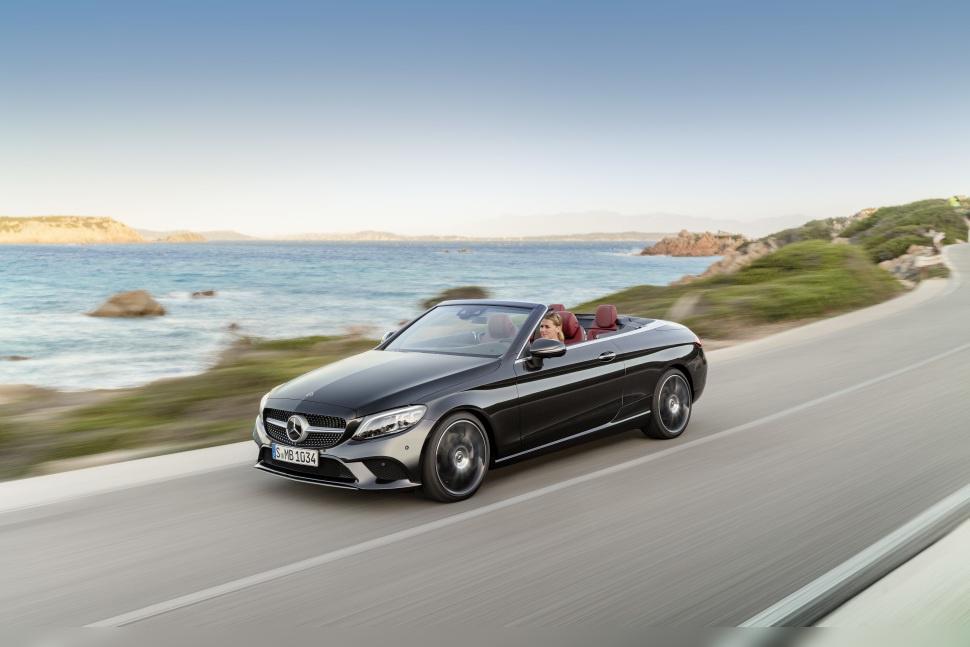
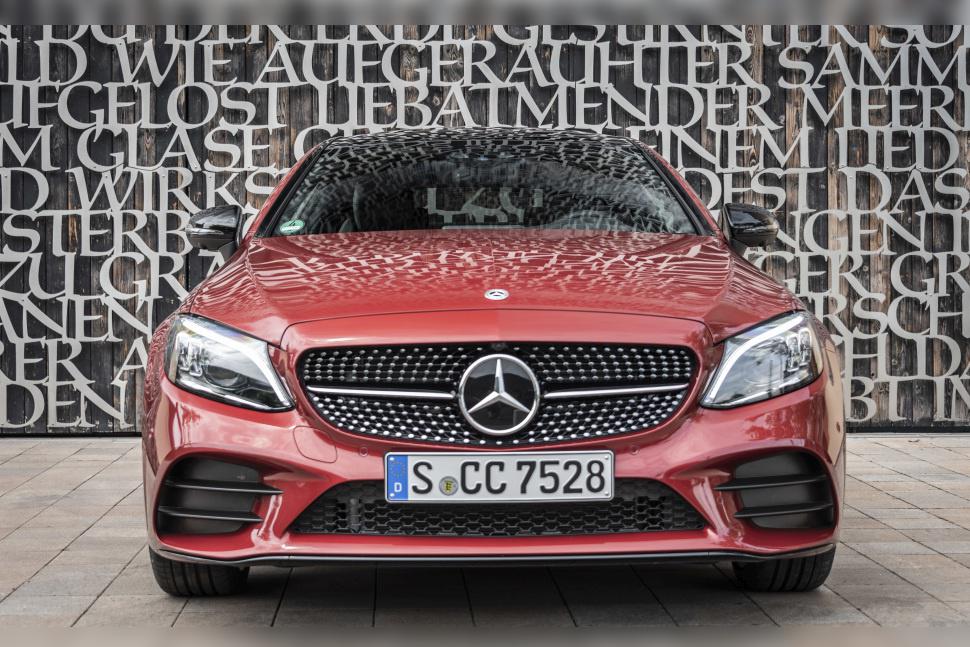
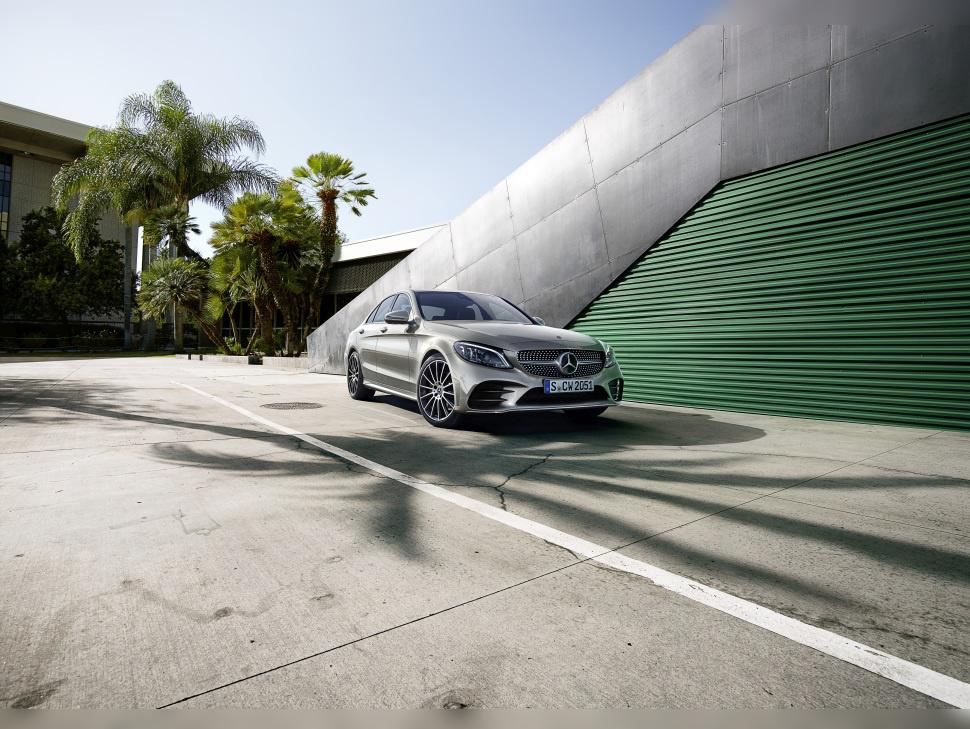
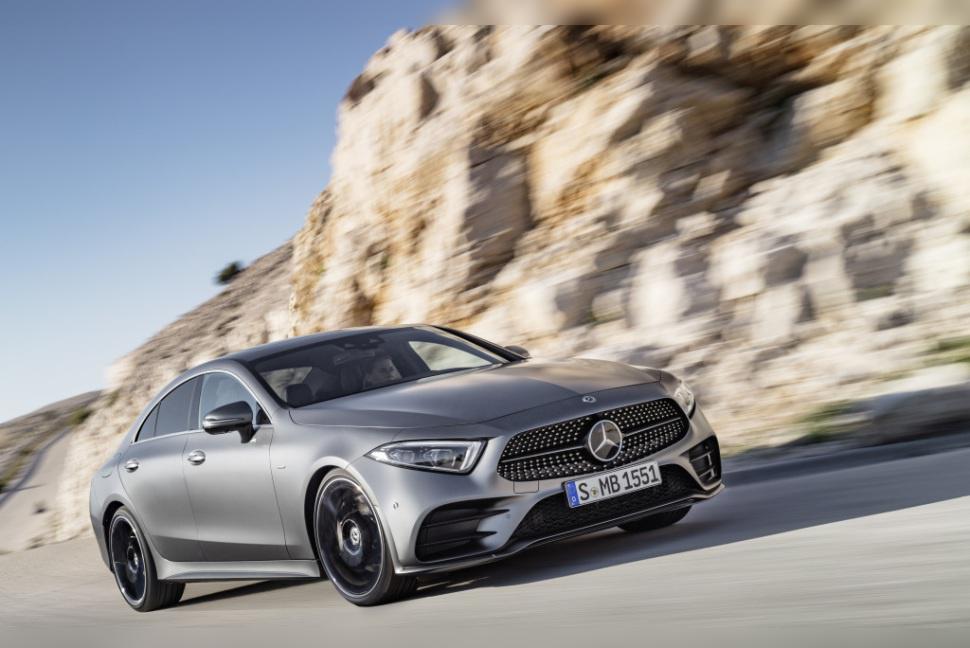
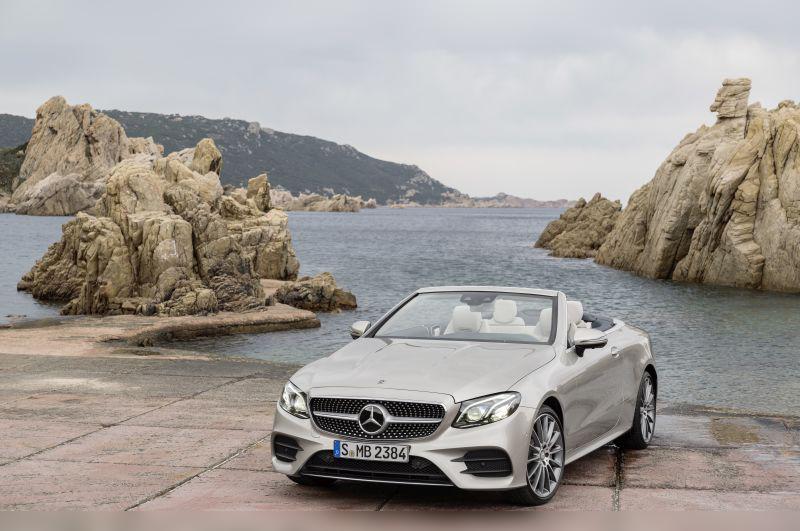
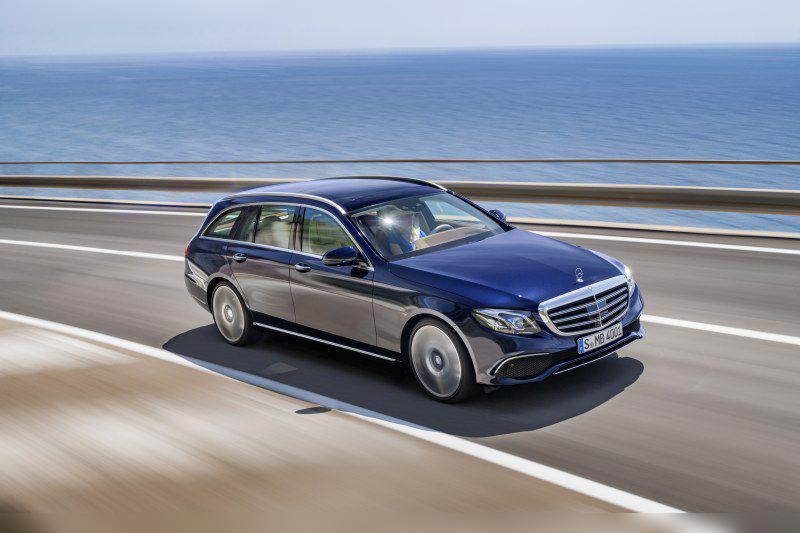
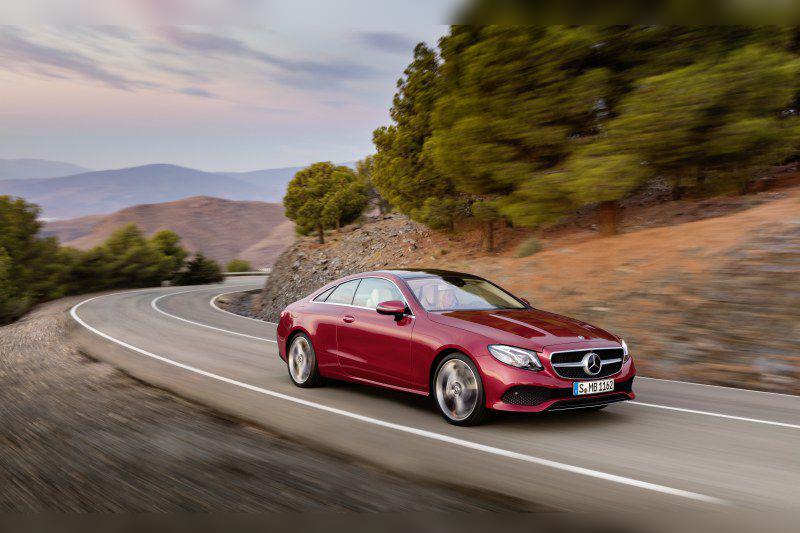
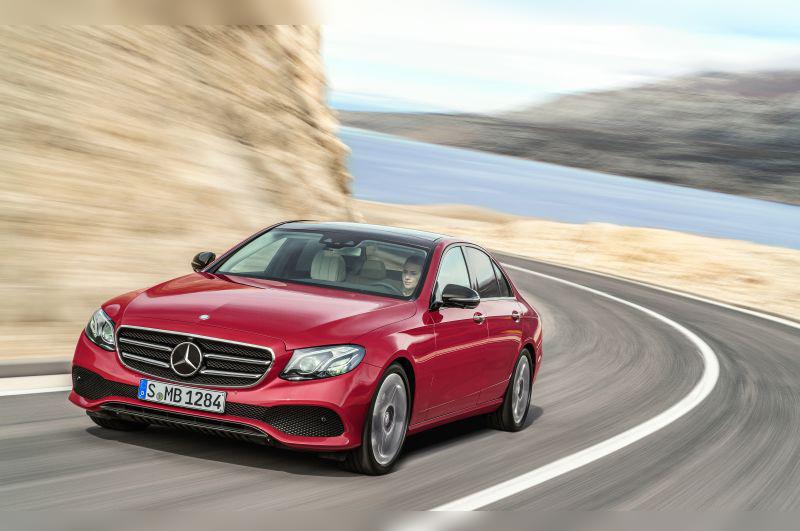
The engine with the code OM 654.920 represented a huge turning point for the German manufacturer. Conceived as the direct successor to the famous (but rough) OM 651 engine, this two‑liter unit brought a revolution in the form of a fully aluminum block combined with steel pistons and a Nanoslide cylinder coating. The "300d" badge does not mean there is a three‑liter V6 under the hood, but rather the most powerful iteration of this two‑liter four‑cylinder, delivering a serious 245 HP. It found its place across the entire range, from the C and E‑Class, through the elegant CLS, all the way to the heavy GLE SUV.
Technical specifications
| Characteristic | Data |
|---|---|
| Displacement | 1950 cc |
| Power | 180 kW (245 HP) |
| Torque | 500 Nm |
| Engine code | OM 654.920 |
| Injection type | Common Rail (piezo injectors, up to 2500 bar) |
| Turbo/Naturally aspirated | Bi‑turbo (two‑stage turbocharger) with intercooler |
Reliability and maintenance
Timing drive: belt or chain?
This engine uses a timing chain. In terms of design, the chain is placed at the rear of the engine (towards the cabin/gearbox). This means the front of the engine is more compact to allow better packaging of the exhaust after‑treatment system, but it also means that chain replacement is significantly more expensive because the labor usually involves removing the engine or the gearbox.
Most common failures
The OM 654 is generally very reliable on a mechanical level, but it suffers from issues related to its complex peripherals. The most common problems include:
- DPF temperature and pressure sensors: They can fail due to high thermal load.
- Valve rocker arms (roller rocker arms): On engines where oil changes have been neglected, the small bearings in the rocker arms can develop play, resulting in a characteristic "ticking" noise from the top of the engine.
- AdBlue system: Pumps and NOx sensors are notoriously sensitive.
Major and minor service
A classic "major service" with chain replacement is not strictly prescribed at a specific mileage in the official manual, but real‑world experience suggests that the condition of the chain, tensioner and guides should be checked, and a proactive replacement is recommended between 200,000 and 250,000 km. If you hear a metallic rattling noise for 2 to 4 seconds on cold start, that is a sign that the hydraulic tensioners and chain have worn and that replacement is urgent.
The engine takes about 6.0 to 6.3 liters of oil (depending on the oil pan used for a specific body style). Due to the advanced DPF system and Nanoslide technology, it is recommended to use only low‑ash synthetic oils with viscosity 0W‑20 (MB 229.71 spec) or, alternatively, 5W‑30 (MB 229.52). As for oil consumption, the operating tolerances of the Nanoslide coating allow consumption of 0.5 to 1 liter per 10,000 km, which is considered normal, especially if the car often cruises at high speeds on the highway.
Injector lifespan and reliability
The injection system uses top‑of‑the‑line Bosch piezo injectors that operate at extremely high pressure (up to 2500 bar). These injectors are very reliable and typically last over 200,000 to 250,000 km. However, if they fail (often due to poor fuel quality or condensation in the tank), symptoms include rough idle, increased black smoke under acceleration, and harder starting. Overhauling piezo injectors is complicated, and replacing them with new ones is very expensive (depends on the market).
Specific parts and costs
Dual‑mass flywheel and clutch
Since this specific 300d 245 HP version is supplied exclusively with the 9G‑TRONIC automatic gearbox, there is no conventional dual‑mass flywheel as found on manual gearboxes. Instead, torque is transmitted via a hydrodynamic torque converter. The converter contains a centrifugal pendulum to dampen crankshaft vibrations. Although more robust than a classic dual‑mass flywheel, overhauling the torque converter in case of shuddering and slipping is a very costly undertaking (depends on the market).
Turbochargers
The 245 HP version uses a sophisticated bi‑turbo (two‑stage) charging system. The smaller turbo is responsible for quick response at low revs to eliminate "turbo lag", while the larger one takes over at higher revs. The service life of the turbos is excellent, but the smaller turbo is exposed to extremely high temperatures. If the oil is not changed regularly or the engine is shut off when very hot after hard driving (without a cool‑down period), the oil passages can clog, leading to turbo bearing failure. Replacing or overhauling the bi‑turbo assembly is very expensive (depends on the market).
Emissions: DPF, EGR and AdBlue
The OM 654 was designed to meet the strictest emissions standards. It features an sDPF filter (a filter mounted very close to the engine for faster reaching of the operating temperature of around 600 °C for regeneration) and an advanced EGR valve. The EGR often clogs with soot if the vehicle is used 90% in city traffic, which causes the engine to enter limp mode (safety mode). Cleaning the EGR valve and intake manifold is recommended every 100,000 km.
This model has an AdBlue system (SCR technology). Unfortunately, this is its weakest point. The most common failures are the fluid heater in the tank and the system pump. The symptom is a warning on the instrument cluster counting down the kilometers until you will no longer be able to start the engine. SCR system parts are very expensive (depends on the market).
Fuel consumption and performance
City driving and engine "laziness"
Thanks to the massive torque of 500 Nm and the two‑stage turbo, the engine is absolutely not lazy. In models such as the C‑Class (W205) and E‑Class (W213), this engine delivers acceleration on the level of serious sports cars. Even in the massive GLE (V167) SUV, 245 HP is more than enough for safe, stress‑free overtaking. Real‑world city fuel consumption is around 7.0 to 8.5 l/100 km for the saloons, while in the heavier and less aerodynamic GLE it can range between 9.0 and 10.5 l/100 km.
Highway behavior
This is its natural environment. Combined with the fantastic 9G‑TRONIC gearbox, ninth gear is extremely long. On the motorway, at 130 km/h, the engine cruises at just 1,500 – 1,600 rpm (varies slightly depending on the differential ratio in a given model). In this mode, the cabin is very quiet, and average fuel consumption drops to an excellent 5.5 l/100 km (in the C and E‑Class).
Additional options and modifications
The 245 HP OM 654 offers an excellent base for software tuning (remapping). A standard Stage 1 remap can safely raise power to about 285 – 295 HP and torque to an impressive 580 Nm. The engine and gearbox (which is designed to withstand even higher torque in six‑cylinder versions) can easily cope with this output. However, you must keep in mind that more fuel means faster DPF loading, so "chipping" requires even stricter adherence to minor service intervals and more frequent oil changes to keep everything safe over a long mileage.
Gearbox and power delivery
Installed gearboxes and common issues
As mentioned earlier, this engine is paired exclusively with the 9G‑TRONIC automatic gearbox (with or without 4MATIC all‑wheel drive). Manual gearboxes are not available.
The nine‑speed automatic is a true masterpiece of engineering, but it is by no means immune to failures. The most common issues manifest as shuddering and harsh gear changes, especially when shifting from second to third gear, or when downshifting while decelerating. The usual cause of such behavior is old oil full of metal shavings and contaminants, which over time blocks the solenoid valves in the valve body (mechatronics). Replacing the valve body is expensive (depends on the market).
Gearbox service
The myth of "lifetime" oil has long been debunked. The official recommendation (also shared by experienced mechanics) is that the oil in the 9G‑TRONIC gearbox, together with the integrated filter in the gearbox pan, must be changed every 100,000 km or at least every 5 years, whichever comes first. If the car is driven mostly in the city or used for towing, the interval should be shortened to 80,000 km.
Buying used and conclusion
What to check before buying?
- Cold start: Ask the seller not to start the car before you arrive. At the first start, carefully listen to the rear of the engine near the bulkhead. Metallic rattling indicates a worn timing chain.
- Exhaust tips: The advantage of the DPF system is that the inside of the exhaust pipes should be completely dry and clean (grey/metallic). If you run your finger along the inside of the exhaust and it comes out completely black with oily soot, be aware that the DPF filter is cracked, removed, or not functioning properly.
- Diagnostics: Always connect proper diagnostics and check the operating pressures of the injectors, as well as the ash content in the DPF filter and the fault history for the AdBlue system.
- Gearbox test drive: During the test drive, accelerate gently up to 5th gear, then lift off the throttle and let the car slow down on engine braking all the way to a stop. Downshifts must not be harsh.
Who is this engine for?
Mercedes’ OM 654.920 with 245 HP is a fantastic machine for business users and families who cover high mileage on open roads. It offers a level of refinement that older diesels lacked, combined with brutal in‑gear acceleration and modest fuel consumption. However, a potential owner must be financially prepared. High technology comes with high maintenance costs. If you need a car exclusively for house‑to‑office trips in dense city centers, you should seriously consider a petrol or hybrid option, because the diesel emissions systems on this powerful engine will very quickly turn into an unplanned, expensive problem on the service ramps.