Mercedes-Benz OM 656.929 (350d): Experiences, problems, fuel consumption and used car buying guide
Key points (TL;DR)
- Inline six-cylinder: A fantastic return of Mercedes to the inline configuration; extremely smooth operation and excellent balance.
- Timing system: Uses a timing chain located at the rear of the engine, which makes any replacement more expensive.
- Performance: With 286 hp and as much as 600 Nm of torque, it easily copes even with the heaviest bodies such as the G-Class.
- Emissions (AdBlue/DPF): The biggest weak spots are the NOx sensors and the complex SCR/AdBlue system – sensitive to city driving.
- Transmission: Paired exclusively with the 9G-TRONIC automatic, which is reliable if the oil is changed on time.
- Injector reliability: Piezo-electric injectors are extremely durable, but their replacement is very expensive (Depends on the market).
- Maintenance: Requires regular servicing and high-quality oil; out-of-warranty repairs are not cheap.
Contents
- Introduction to the OM 656 engine
- Technical specifications
- Reliability and maintenance
- Specific components and potential costs
- Fuel consumption and performance
- Additional options and modifications
- Transmission and power delivery
- Buying used and conclusion
Introduction to the OM 656 engine
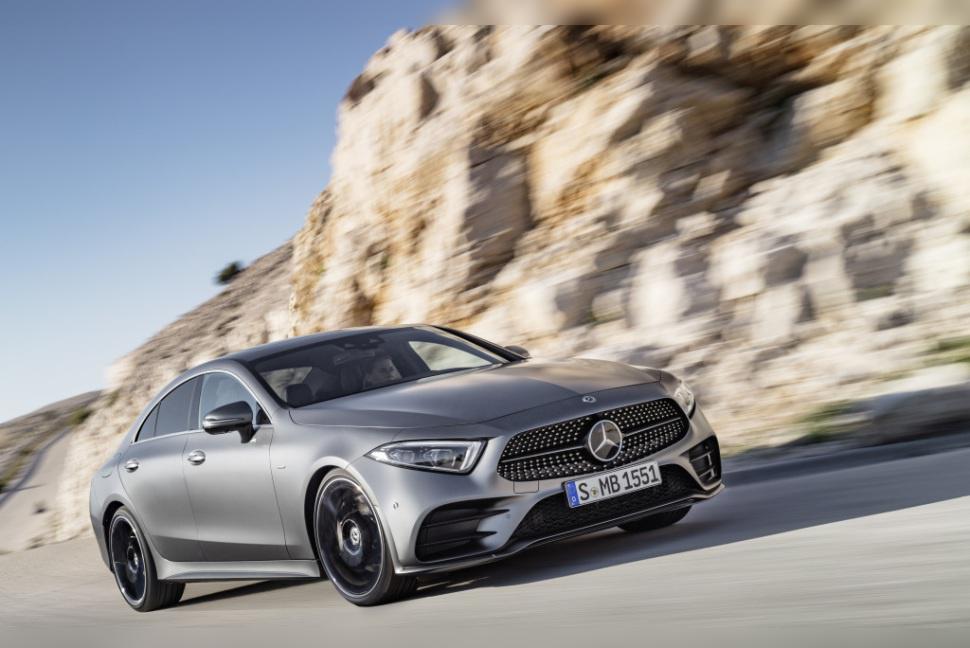
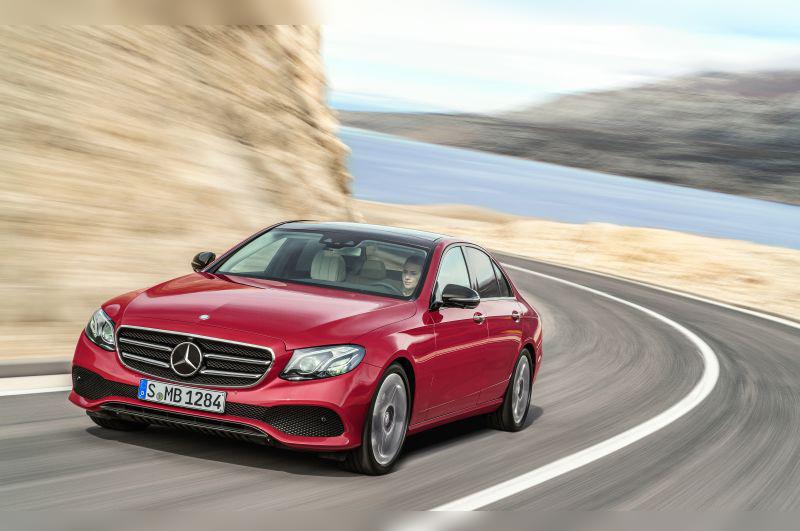
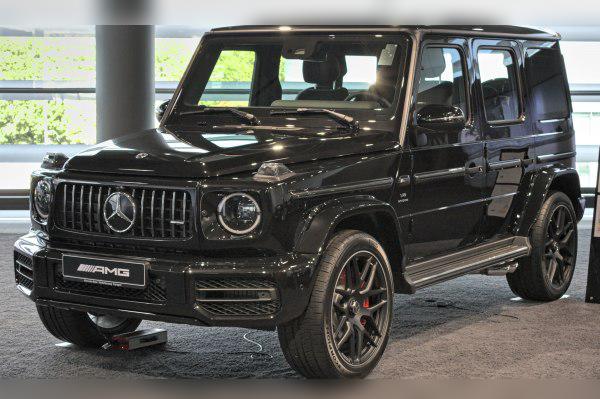
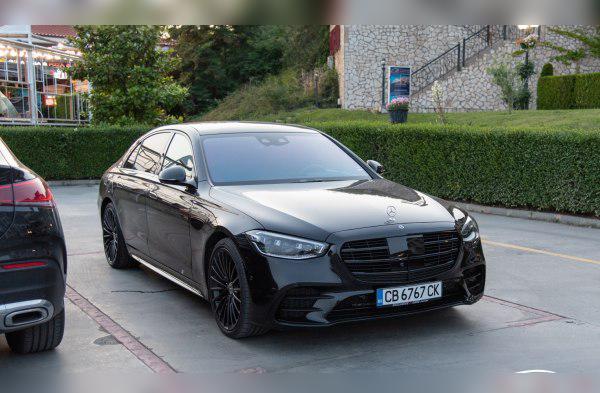
After years of dominance of V6 diesel engines (such as the famous OM 642), Mercedes-Benz returned to its roots with the OM 656 series. This is an inline six-cylinder diesel engine that represents a masterpiece of modern engineering. The version designated OM 656.929, better known under the commercial badge 350d, delivers 286 hp. It was installed in the most prestigious models from the Stuttgart manufacturer: from the elegant CLS (C257) and E-Class (W213), through the luxurious S-Class (W222, W223), all the way to the unstoppable G-Class (W463). This engine was designed to meet the strictest Euro 6d standards while providing maximum refinement and brutal pulling power at low revs.
Technical specifications
| Parameter | Value |
|---|---|
| Engine code | OM 656.929 |
| Engine displacement | 2925 cc |
| Configuration | Inline 6 (R6 / I6) |
| Power | 210 kW (286 hp) |
| Torque | 600 Nm |
| Injection type | Common Rail direct injection |
| Charging system | Turbocharger (two-stage), intercooler |
Reliability and maintenance
Timing system: Chain in an awkward position
This power unit uses a timing chain to drive the camshafts. From a design standpoint, engineers placed the chain at the rear of the engine (towards the transmission). Although the chain is designed to last as long as the engine itself, in practice, due to poor maintenance or harsh driving style, it can stretch after 250,000 km. Because of its specific position, chain replacement is very expensive (Depends on the market), as it requires removing the engine or taking the entire transmission off the vehicle.
Most common failures
Although the mechanicals (block, crankshaft, pistons) are extremely robust, the OM 656 suffers from peripheral and electronic issues. The biggest headaches for owners are caused by the complex exhaust aftertreatment systems (which will be covered in the next section). In addition, on earlier models, slight coolant leaks from the water pump have been observed. On cars that are driven aggressively when cold, there have been recorded problems with valve rockers, which manifest as metallic rattling at startup.
Service intervals and lubrication
A minor service (oil and filter change) in practice needs to be done at a maximum of 15,000 km, even though the factory sometimes optimistically specifies 25,000 km. Due to the demanding chain and DPF, clean oil is imperative. The engine takes about 8.5 liters of oil, and the recommended grade is 5W-30 or 0W-30, which must comply with the MB 229.52 specification (low-ash oil due to the DPF).
As for oil consumption between services, inline six-cylinders are very "tight". Tolerance is minimal; consumption of up to 0.5 liters per 10,000 km is considered normal, and anything above that may indicate a problem with the piston rings or a leak at the turbocharger.
Major service
Since the engine has a chain, a classic "major service" (timing belt replacement) does not exist. However, at around 100,000 to 120,000 km it is necessary to replace the auxiliary (serpentine) belt set with all idler pulleys, tensioner and water pump. If you hear a rhythmic squeaking noise from the engine bay, this is the first sign that the belt tensioner is worn out.
Injector longevity
Given that this is a high-end diesel power unit, it uses top-class piezo-electric injectors. The injectors have proven to be extremely reliable and, if quality fuel is used, they can cover more than 250,000 km without any signs of fatigue. Symptoms of faulty injectors include rough idling, increased smoke (although the DPF often masks it) and harder starting in winter. Replacing the injectors with new ones is very expensive (Depends on the market).
Specific components and potential costs
Dual-mass flywheel vs. torque converter
Since this engine is fitted exclusively with an automatic transmission, it does not have a conventional dual-mass flywheel and clutch kit like manual cars. The role of connecting the engine and transmission is taken over by the torque converter (commonly known among mechanics as the wandler). The torque converter is very robust, but if the transmission starts to shudder under acceleration at certain revs (usually between 1500 and 2000 rpm), this is a sign of wear. Overhauling the torque converter is expensive (Depends on the market).
Turbocharger
The air charging system is complex. The OM 656 uses an advanced multi-stage turbocharging system. Thanks to water cooling and excellent lubrication, the service life of the turbo is impressive (often over 300,000 km with regular maintenance). The biggest enemy of the turbo is switching the engine off immediately after hard driving – always wait about a minute for the oil to cool down.
DPF, EGR and AdBlue system
This is also the Achilles' heel of this model. Engineers had to perform a miracle to get the engine through emissions tests. The system is combined (sDPF – a particulate filter with an integrated SCR catalyst).
- EGR valve: Often clogs with soot if the car is driven exclusively in the city. Symptoms are loss of power and an illuminated "Check Engine" light.
- DPF filter: It is relatively durable, but if you ignore problems with the EGR or injectors, the DPF will quickly become overloaded with ash.
- AdBlue system: Causes the most problems. AdBlue pumps in the tank and fluid heaters are prone to failure. Also, NOx sensors fail relatively often due to moisture and soot. Repairing these components is very expensive (Depends on the market). The driver will notice this as a message on the dashboard with a countdown of the remaining mileage before the engine start is blocked.
Fuel consumption and performance
Real-world fuel consumption
Considering this is a 3.0-liter engine, fuel consumption varies depending on the body style. In city traffic:
- E-Class and CLS: 8.5 to 10 l/100km.
- S-Class: around 9.5 to 11 l/100km.
- G-Class (W463): 12 to 14 l/100km due to aerodynamics and huge weight.
On-road performance and driving behavior
Is 286 hp sluggish for heavy bodies? Not in the slightest! Thanks to the huge torque of 600 Nm available from just 1,200 rpm, each of these models pulls convincingly and effortlessly. The drive is silky smooth; in the city it is barely audible, and 0–100 km/h acceleration is under 6 seconds for the lighter models.
The motorway is this engine’s natural habitat. At a cruising speed of 130 km/h, the transmission is in ninth gear and the tachometer is resting at just 1,400 to 1,500 rpm. At that point, fuel consumption is impressively low – on the open road, the E-Class can use less than 6 l/100km.
Additional options and modifications
Engine remapping (Stage 1)
The potential of this engine is huge. The 286 hp model shares a large portion of its mechanical components with the more powerful "400d" version (340 hp). With a quality Stage 1 software remap, the OM 656.929 can easily and without compromising reliability reach 330–350 hp and around 730 Nm of torque. This is probably one of the most rewarding platforms for chiptuning currently on the market, because the block itself, the transmission and the thermal management system have a high tolerance margin.
Transmission and power delivery
9G-TRONIC: Near perfection with a few quirks
Manual transmissions have long disappeared from this class. The OM 656 is paired exclusively with Mercedes’ 9G-TRONIC automatic transmission (often combined with 4MATIC all-wheel drive). Power delivery is lightning-fast and seamless.
Transmission failures and maintenance
This transmission is mechanically extremely durable. The most common problems are not catastrophic mechanical failures, but software glitches or contamination in the mechatronics (valve body). If the transmission "jerks" when shifting from second to third gear, this is the first sign that something is wrong (either dirty oil or a drop in pressure).
Transmission service: Mercedes does not specify "lifetime" oil. The transmission oil, together with the filter (which is integrated into the transmission pan), must be changed every 80,000 to 100,000 km. The cost of this service is high (Depends on the market), but still much cheaper than overhauling the entire transmission.
Buying used and conclusion
What to check before buying?
When buying a used vehicle with the 350d engine, pay attention to the following:
- Cold start: Start a completely cold car. If you hear a brief metallic rattle (a second or two), the chain tensioner is at the end of its life and a major repair is ahead.
- Diagnostic check (Star Diagnosis): At a specialist, be sure to read the DPF filter saturation level (amount of ash) and the operating hours of the AdBlue system. These are the most common hidden costs.
- Visual inspection of the engine: Remove the plastic engine cover; if you notice traces of oil around the injectors or intake manifold, this may indicate failed sealing points.
- On-road behavior: During acceleration from a standstill without "full throttle", check whether the car vibrates. If it does, the torque converter or suspension components are due for service.
Conclusion
The Mercedes-Benz OM 656.929 (350d) is one of the best diesel engines on the market. It is extremely refined, powerful and economical on open roads. Who is it for? It is the ideal solution for drivers who cover more than 25,000 km per year, mostly on regional roads and motorways. It is not recommended as a car used exclusively for short city trips (to work and back), because the complex eco-systems (DPF, EGR, AdBlue) will punish such use financially due to frequent interruption of regeneration.