Mercedes-Benz OM 656.929 (400d) – Experiences, problems, fuel consumption and used-car buying tips
Key points (TL;DR)
- New inline-six (R6): A return to the roots, replacing the old V6 (OM642) and bringing an incredible level of refinement.
- Brutal torque: With 700 Nm and 340 hp, this engine plays effortlessly with the heavy S- and E-Class bodies.
- Chain-driven timing: The chain is located at the rear of the engine, which makes any potential replacement very complicated and expensive.
- Achilles’ heel – Emissions systems: The DPF, EGR and especially the AdBlue system (NOx sensors) cause the most headaches, particularly if the car is not regularly driven on the open road.
- Automatic only: It is paired exclusively with the fantastic 9G-Tronic transmission, which cruises at very low revs.
- Costs: Maintenance is very expensive (Depends on the market), and requires only premium parts and top-quality oil.
Contents
- Introduction: The return of the diesel king
- Technical specifications
- Reliability and maintenance
- Specific parts and costs
- Fuel consumption and performance
- Additional options and modifications
- Transmission and drivetrain
- Buying used and conclusion
Introduction: The return of the diesel king
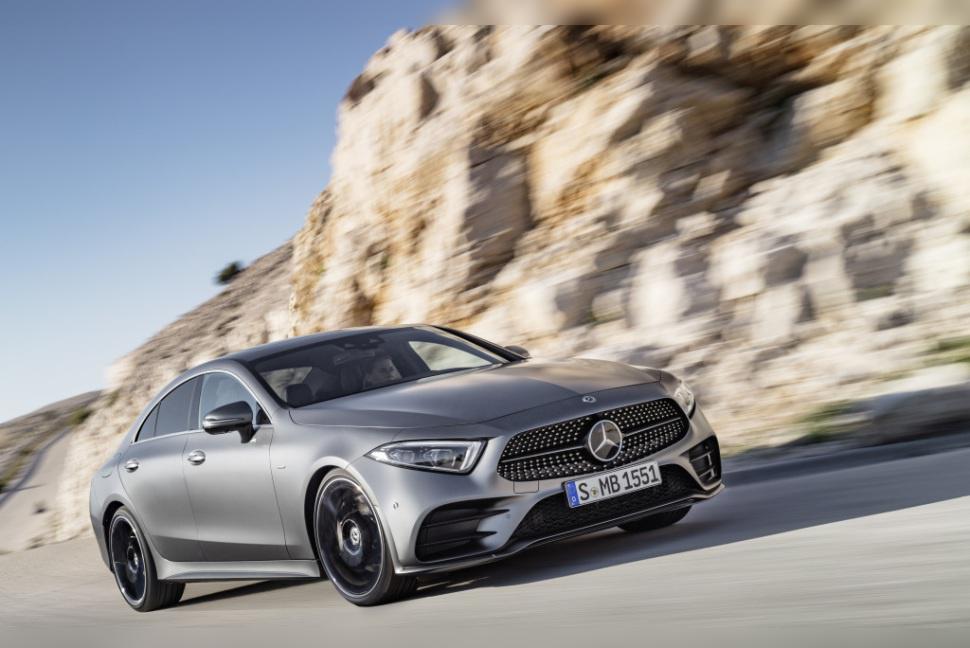
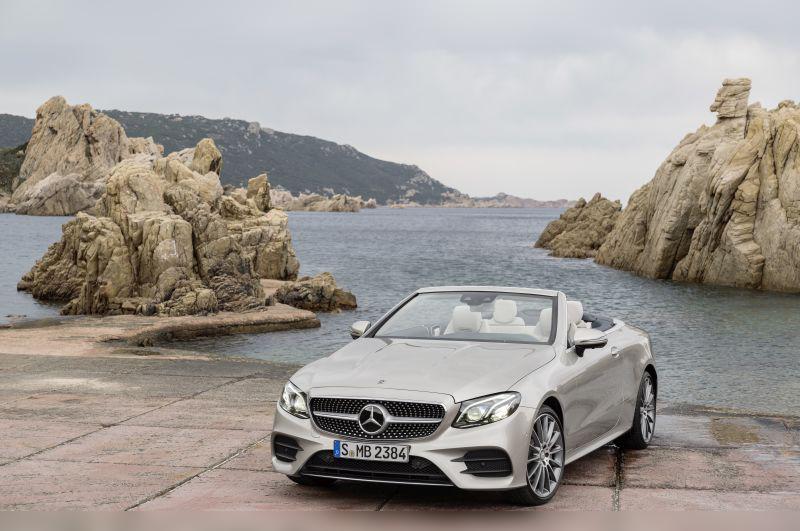
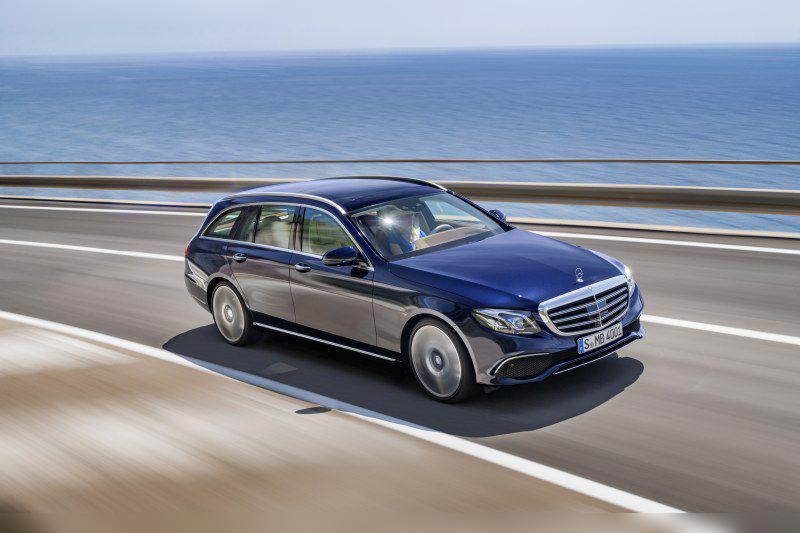
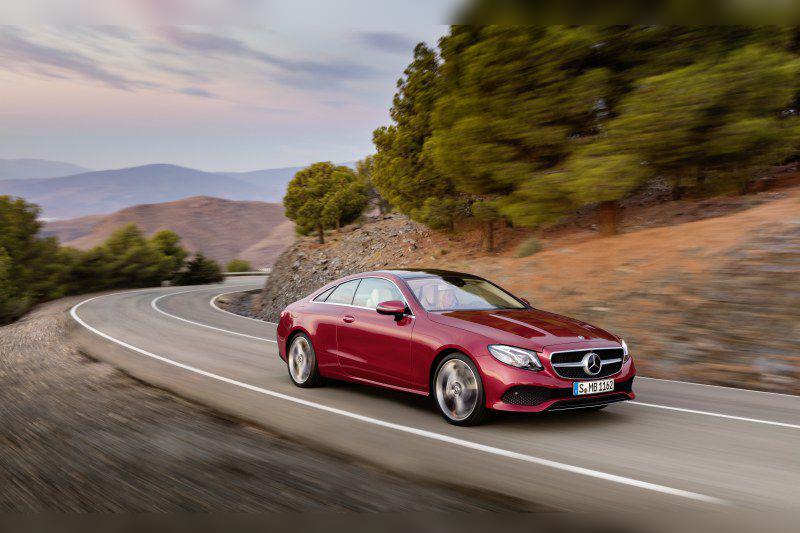
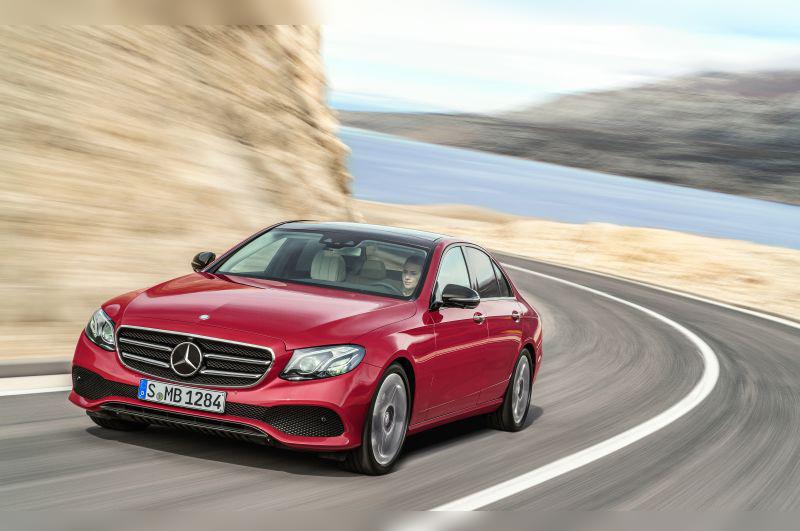
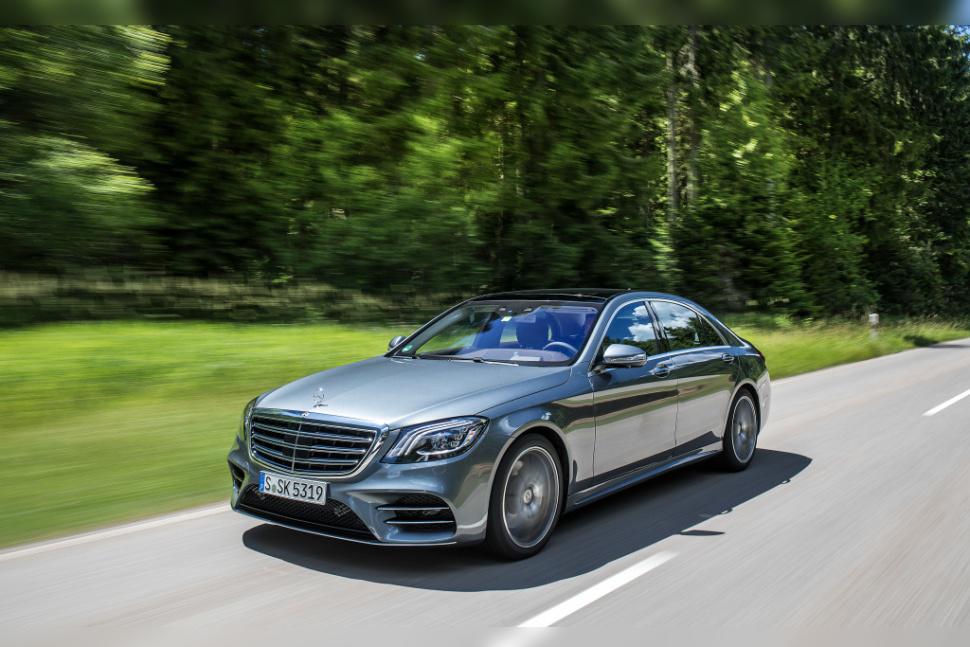
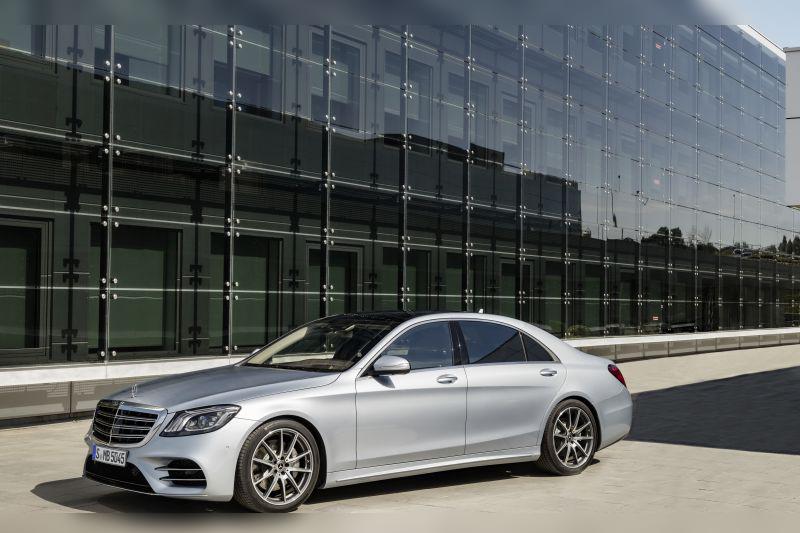
With the OM 656 engine, Mercedes-Benz took a historic step backwards, but in the best possible way – it returned to the inline six-cylinder layout after decades of pushing V6 engines. The OM 656.929 variant, badged as the 400d, represents the very top of the diesel engine range. This engine is an engineering masterpiece that uses steel pistons, an aluminum block with Nanoslide cylinder coating and a sophisticated injection system. It was installed in premium cruisers such as the CLS (C257), E-Class (W213/S213/C238/A238) and the flagship S-Class (W222 facelift), usually in combination with 4MATIC all-wheel drive. If you are looking for a diesel that goes like a sports car while sounding and running quietly, this is the engine.
Technical specifications
| Specification | Data |
|---|---|
| Engine displacement | 2925 cc (2.9L) |
| Configuration | Inline six-cylinder (R6) |
| Power | 250 kW (340 hp) |
| Torque | 700 Nm |
| Engine code | OM 656.929 |
| Injection type | Common Rail (piezo injectors up to 2500 bar) |
| Charging system | Sequential twin-turbo (two turbochargers) + intercooler |
Reliability and maintenance
Timing belt or chain?
This engine uses a chain to drive the camshafts. The engineering decision that gives mechanics headaches is that the chain is located at the rear of the engine (towards the transmission). Because of this, any potential replacement requires removing the engine or seriously dismantling the drivetrain. Fortunately, the chain is extremely robust and rarely breaks, but it does require regular oil changes so that the tensioners do not lose pressure.
Most common failures
The engine’s core mechanics (crankshaft, pistons, block) are incredibly robust and rarely fail. The problems that do appear are mostly peripheral:
- Emissions systems: Exhaust gas pressure sensors, NOx sensors and AdBlue pumps.
- Intake flaps: They can get clogged with soot due to the EGR if the car is used mainly for stop-and-go city driving.
- Oil leaks: Occasional sweating around the oil cooler and valve cover, but much less frequently than on the old V6 engine.
Service intervals and oil
This engine does not have a classic “major service” with timing belt replacement. Inspection of the chain and replacement of the auxiliary drive belt (serpentine belt) that drives the accessories is recommended at around 150,000 to 200,000 km. The engine takes about 8.5 liters of oil. It is mandatory to use oil that meets the MB 229.52 specification (usually 0W-30 or 5W-30), specially formulated for engines with DPF and for chain wear protection.
Oil consumption
Unlike some of its petrol counterparts, the OM 656 is not known for burning oil. A loss of 0.5 liters per 10,000 km is considered completely normal. If the engine consumes more, the problem usually lies in vapors passing through the oil separator (PCV valve) or, more rarely, oil leakage through the turbocharger seals.
Injector longevity
The system uses top-of-the-line Bosch piezo injectors operating at a staggering 2500 bar. Although very advanced, they have proven to be reliable. With quality fuel, the injectors easily last over 250,000 km. When they start to fail, symptoms include rough idle, increased “clicking” noise (knocking under acceleration) and smoke from the exhaust during regeneration. A new injector is very expensive (Depends on the market), and rebuilding piezo elements is often impossible or not cost-effective.
Specific parts and costs
Turbochargers
The 400d badge means that the engine has two turbochargers in a sequential layout (one smaller for low revs and one larger for high revs). This completely eliminates the so-called “turbo lag” and provides linear acceleration. The lifespan of the turbos depends entirely on oil quality and proper cooling before shutting the engine off. In practice, they last a very long time (over 300,000 km), but if the smaller turbo starts to “whistle” due to worn bearings, repairing the entire module is financially demanding.
EGR, DPF and AdBlue
This is a Euro 6d-TEMP engine, and its “cleanliness” comes at the price of complexity.
DPF filter and EGR: They work excellently as long as the car is driven on the motorway. In stop-and-go traffic, the EGR quickly clogs the intake manifold, and the DPF requires frequent regenerations that dilute the engine oil with diesel.
AdBlue (SCR system): This is the weakest point of the vehicle. The urea injection system is problematic – the heaters in the AdBlue tank, the pump, or the expensive NOx sensor electronics in the exhaust tend to fail. When the system fails, a warning appears on the dashboard stating that after a certain number of kilometers you will not be able to start the car. Repairing these components is very expensive (Depends on the market).
Fuel consumption and performance
Fuel consumption
Although brochures promise fairy tales, in real-world conditions an S-Class or CLS with this engine and 4MATIC all-wheel drive will use between 9.5 and 11.5 l/100 km in city driving. On the open road and highways, consumption drops dramatically to around 6 to 7 liters, which is phenomenal for a two-ton vehicle.
Performance: Is the engine lazy?
Absolutely not! With 340 hp and 700 Nm available from just 1200 rpm, this engine tears up the tarmac. Throttle response is instant, and it launches heavy saloons to 100 km/h in under 5 seconds. The sense of acceleration is massive yet incredibly smooth.
Motorway: Its natural habitat
This engine is built to devour hundreds of kilometers without breaking a sweat. Thanks to the excellent 9-speed transmission, at a speed of 130 km/h on the motorway the engine cruises at barely 1300 to 1400 rpm in ninth gear. At these revs the engine is virtually inaudible in the cabin, and component wear is minimal.
Additional options and modifications
Remapping (Stage 1)
The OM 656 is a fantastic platform for software tuning. A safe Stage 1 remap usually raises power to around 390 to 410 hp, and torque goes to over 800 Nm. The engine block itself and the injection system can handle this without issues, but the main limiting factor becomes the automatic transmission, so the tuner must also adjust the torque limiters in the transmission software (TCU remap) to prevent the internal clutches from slipping.
Transmission and drivetrain
9G-Tronic: The only and best option
There is no manual transmission option with this engine. It is fitted exclusively with the 9G-Tronic (nine-speed automatic), which perfectly matches the engine’s character. The vast majority of these engines are also paired with 4MATIC all-wheel drive.
Transmission failures and maintenance
The transmission is extremely reliable mechanically, but drivers sometimes complain about harsh shifts from first to second gear when cold. This is usually a software issue that is resolved by updating and adapting the mechatronics. The transmission does not use a conventional dual-mass flywheel and clutch, but a robust torque converter with an internal lock-up clutch. There is no classic clutch kit replacement.
Transmission service: The manufacturer once claimed the oil is “lifetime fill”, but any serious mechanic will tell you that the oil, filter and transmission pan must be replaced every 60,000 to 80,000 km. The service is expensive (Depends on the market) because the lower pan, which contains the integrated filter, is usually replaced as well.
Buying used and conclusion
What must you check?
Before you hand over a large sum of money for a used car with the 400d engine, do the following:
- Cold start: Listen to the engine during the first start in the morning. A metallic rattle lasting a few seconds from the rear of the engine indicates a stretched chain or weak tensioners.
- Factory diagnostics (XENTRY): It must be connected to dedicated Mercedes diagnostics. Check the DPF filter saturation (ash content) and look at the history of AdBlue warnings.
- Test drive: The transmission must shift completely smoothly under full throttle and on downhill engine braking. Harsh jolts indicate problems with the valve body (mechatronics).
- Oil traces: Due to plastic covers it is hard to see the block, but insist on an inspection on a lift to determine whether there are leaks around the oil pan or at the engine–transmission junction.
Final verdict: Who is this engine for?
Mercedes’ OM 656.929 (400d) is probably one of the best six-cylinder diesels of today. However, this is not an engine for short city trips to the supermarket. Short journeys will kill its emissions system and clog the intake with soot. This engine is intended for people who drive tens of thousands of kilometers on motorways every year and want V8 petrol performance with diesel economy. If you are prepared to invest in expensive regular maintenance, the 400d will reward you with hundreds of thousands of kilometers of endless torque and driving pleasure.