Nissan HR16DE 1.6 Engine (110 HP): Owner Experiences, Issues, Fuel Consumption and Buying Used
- Reliable naturally aspirated petrol engine with a timing chain, known for its durability.
- Cheap to maintain regularly: No fragile turbocharger, dual-mass flywheel, or DPF filter.
- Spark plug replacement is labor-intensive because it requires removing the intake manifold.
- LPG (autogas) conversion carries risks because the engine has no hydraulic valve lifters.
- On the motorway it is noisier at 130 km/h due to short gear ratios.
- CVT automatic gearboxes require meticulous maintenance, while the manual is almost indestructible.
Contents
- Introduction: Get to Know the HR16DE
- Technical Specifications
- Reliability, Maintenance and Common Issues
- Specific Parts and Costs
- Fuel Consumption and Performance
- Extras, LPG and Modifications
- Gearbox: Manual, Automatic and CVT
- Buying Used and Conclusion
Introduction: Get to Know the HR16DE
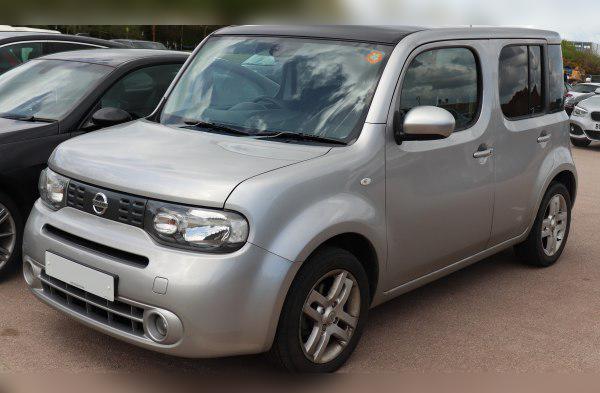
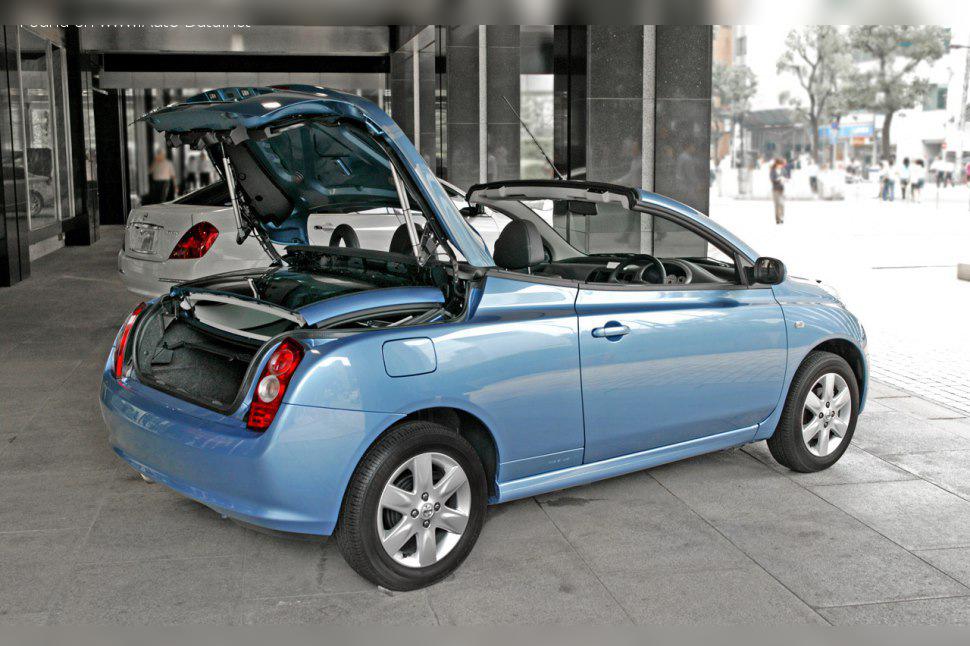
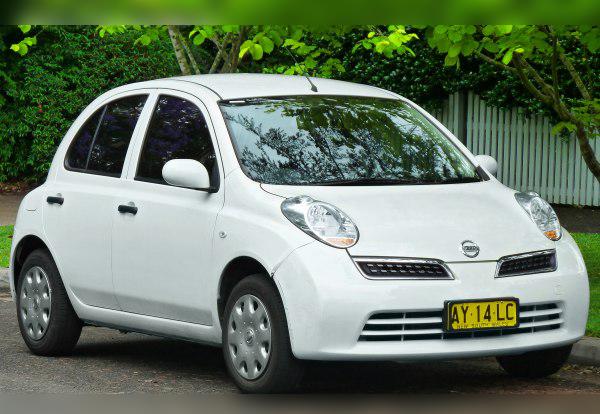
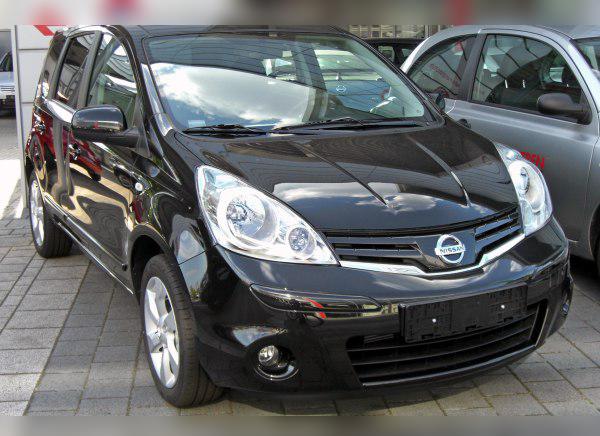
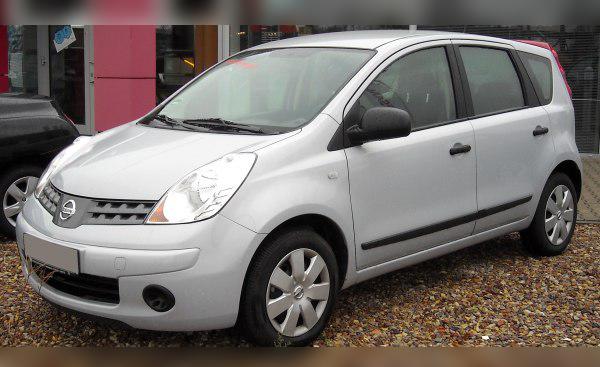
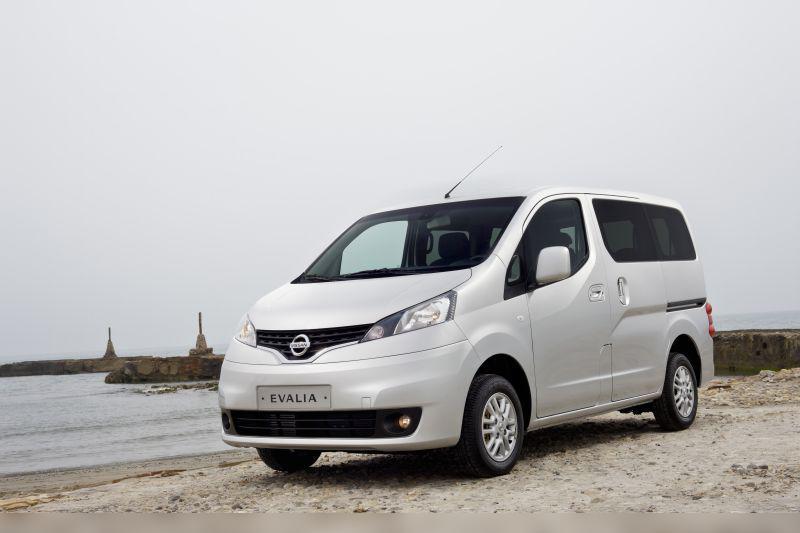
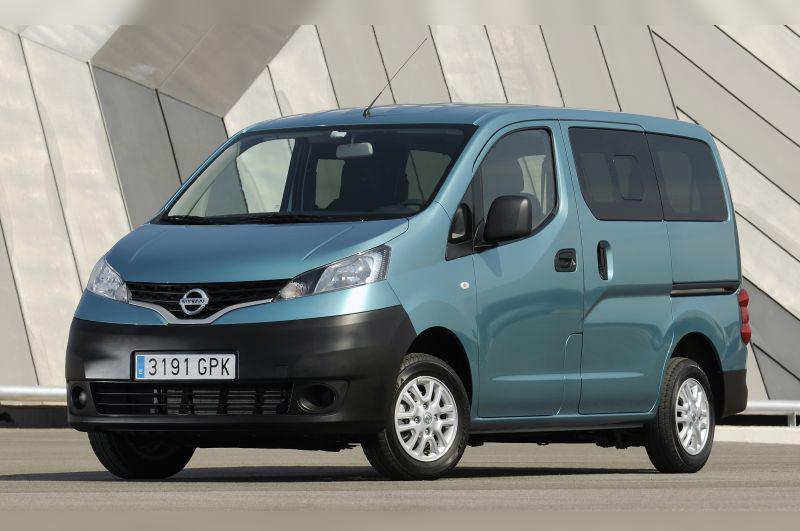
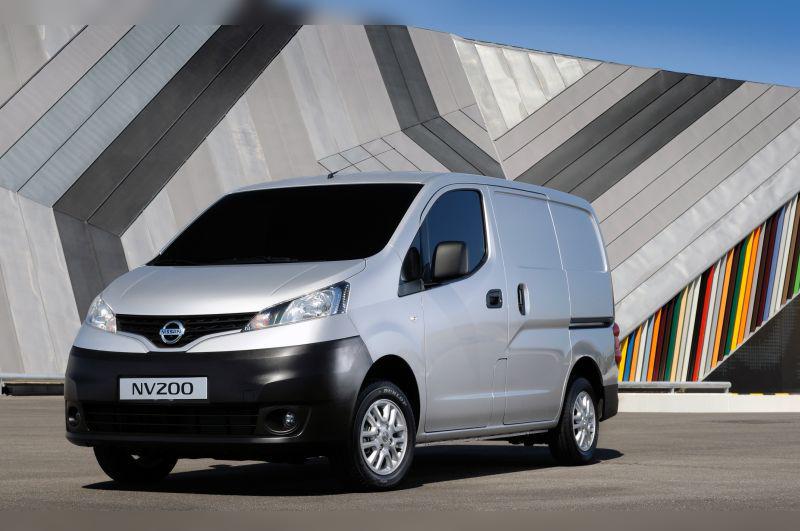
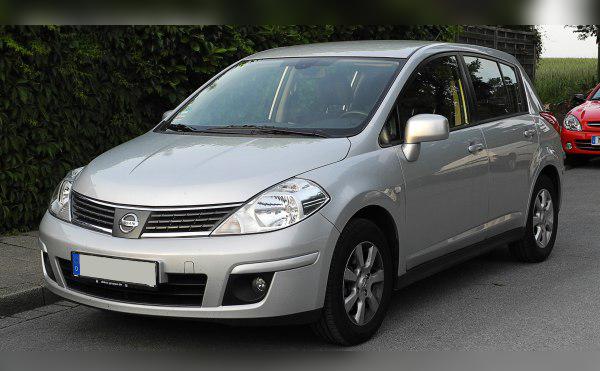
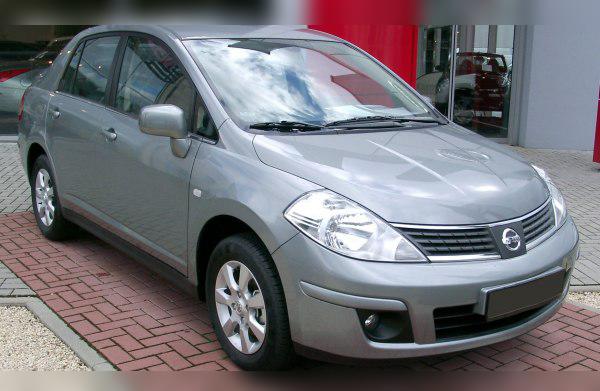
The engine with the code HR16DE (known within the Renault group as H4M) is one of the most widely used naturally aspirated petrol engines in Nissan’s range during the first two decades of the 21st century. From city runabouts like the Nissan Micra (K12) and the practical Note (E11), through the quirky Cube (Z12) and the family Tiida hatchback, all the way to the workhorse and passenger van NV200 Evalia, this 1.6‑liter unit with 110 HP has carried a heavy load on its shoulders.
The reason for its widespread use lies in its simple design. In an era when everyone was switching to complex downsized turbo engines, the HR16DE offered proven naturally aspirated technology, multipoint injection and reliability that is appreciated worldwide.
Technical Specifications
| Specification | Data |
|---|---|
| Engine displacement | 1596 cc |
| Engine power | 81 kW (110 HP) |
| Torque | 147 Nm |
| Engine code | HR16DE (Renault code: H4M) |
| Injection type | MPI (Multipoint sequential port injection) |
| Turbo / Naturally aspirated | Naturally aspirated engine |
| Fuel type | Petrol |
Reliability, Maintenance and Common Issues
When mechanics or owners start talking about the HR16DE, the first sentence is usually positive. Does this engine have a timing belt or a chain? The answer is a chain, and a fairly robust one at that. A classic “major service” in the sense of replacing the belt and tensioners simply doesn’t exist here. The chain is designed to last as long as the engine itself, but in practice, at around 200,000 to 250,000 km it can stretch if the engine has been run low on oil or if oil change intervals have been extended. Symptoms of chain stretch include metallic rattling on cold start and the “Check Engine” light coming on with crankshaft and camshaft sensor errors.
For a regular minor service this engine takes around 4.3 liters of engine oil (including the filter), and the recommended grade is 5W‑30 or 5W‑40, depending on climate. Interestingly, oil consumption between services on a healthy engine up to about 150,000 km is almost non‑existent. However, at higher mileage, due to wear of piston rings or valve stem seals, the engine can start consuming oil. A loss of up to 0.5 liters per 1,000 km is considered acceptable according to factory specs, but anything above that calls for diagnostics.
The biggest peculiarity (and downside in the eyes of owners) concerns spark plug replacement. At what mileage are the plugs changed? Although these are iridium or platinum plugs with a service life of around 60,000 to 90,000 km, the problem arises when it’s time to replace them. By design, the intake manifold runs directly over the coils and spark plugs. To replace the plugs, the mechanic has to remove the intake manifold and throttle body, which significantly increases labor cost. At the same time, it is recommended to replace the intake manifold gasket and clean the throttle body, because a dirty throttle causes unstable idle and engine hesitation.
Since this is a petrol engine, diesel injector issues don’t apply here, and the petrol injectors have proven to be extremely durable, rarely causing problems unless the car is run on very poor‑quality fuel.
Specific Parts and Costs
Maintaining the 1.6 HR16DE is generally very affordable, which is one of its biggest selling points. The sensitive and expensive components that plague diesel owners simply don’t exist here. This engine does not have a dual‑mass flywheel (with the manual gearbox it uses a conventional solid flywheel), which means clutch replacement is inexpensive – clutch kit prices range from low to moderate (depending on the market).
There is also no turbocharger whose overhaul would be painful, no DPF filter that would clog in city driving, and of course it doesn’t use an AdBlue system or suffer from those kinds of issues. The injection system is standard MPI (multipoint), where injectors rarely fail. There is an EGR valve in the system, but it is far less prone to clogging than on diesel engines; occasional cleaning of the PCV valve (crankcase ventilation system) will be enough to prevent oil leaks at gaskets due to excess crankcase pressure.
Fuel Consumption and Performance
Performance largely depends on the body style this engine has to move. With 110 HP and 147 Nm of torque, it’s not an athlete, it’s a workhorse.
In city driving the engine behaves smoothly. In lighter models such as the Nissan Micra (especially the 160 SR version) and the Note, this unit offers very good agility. However, if you put it in a heavy Nissan NV200 (especially the 7‑seater version fully loaded with passengers), the engine becomes noticeably “sluggish”. For anything resembling dynamic driving in the van you have to rev it high, which drastically increases fuel consumption. Real‑world city consumption ranges between 8 and 9.5 l/100 km, depending on vehicle weight and gearbox type (automatics use more).
How does the engine behave on the motorway? This is where the HR16DE shows its limitations due to the five‑speed manual gearbox. At a cruising speed of 130 km/h in fifth gear, the engine spins at a fairly high 3,800 to 4,000 rpm (depending on the model). The result? A lot of noise transmitted into the cabin and a noticeable jump in fuel consumption to over 7.5 liters of petrol per 100 km on the open road.
Extras, LPG and Modifications
One of the most common questions is: Is the HR16DE suitable for LPG (autogas) conversion? Experienced mechanics answer: It is not recommended unless you really know what you’re doing.
The reason is that this engine does not have hydraulic valve lifters. Valve clearance is adjusted mechanically by changing so‑called “buckets”, which is a very expensive and labor‑intensive process (it requires removing the camshafts). Running on LPG generates higher combustion temperatures, which wear out the valve seats faster. If clearances are not checked and adjusted regularly (and very few people do this because it’s expensive), exhaust valves can burn. If LPG is installed anyway, it is absolutely essential to fit a valve lubrication system (so‑called “drippers” or Flashlube) and a precisely calibrated LPG system.
As for remapping (Stage 1), this is a naturally aspirated engine. Software “tuning” of this engine is basically a waste of money. In the best case you might gain a safe 5 to 8 HP and a slightly better throttle response. If you want significantly more power from an HR16DE, you bought the wrong car.
Gearbox: Manual, Automatic and CVT
Nissan paired the HR16DE with three different types of gearboxes, and the choice of gearbox drastically changes the ownership and maintenance experience.
Manual gearbox (5‑speed)
Reliable, precise, with extremely rare failures. As already mentioned, it does not have a dual‑mass flywheel, so clutch replacement costs are minimal (parts are not expensive, depending on the market). The oil in it (usually 75W‑80) is recommended to be changed every 80,000 to 100,000 km, although many drivers never do it.
Conventional automatic gearbox (4‑speed)
Available mainly on the Tiida and earlier series. This is an old‑school torque‑converter automatic that is robust and almost indestructible with regular oil changes every 60,000 km. Its downside is that it has only 4 gears, which further stifles the engine and increases fuel consumption in city driving.
CVT (Continuously Variable Transmission)
Installed in newer series of the Note, Cube and some Tiida markets. The gearbox offers extremely smooth city driving without jerks, but its reliability depends entirely on maintenance. The oil in the CVT must be changed every 40,000 to 60,000 km. If this is neglected, the steel belt and pulleys wear out. The most common symptoms of failure are juddering when setting off, a feeling of “slipping” when you press the accelerator, and strange whining noises. Repairing a CVT gearbox is very expensive (depending on the market).
Buying Used and Conclusion
When looking at a used car with the 1.6 HR16DE engine, pay the most attention to a cold start. Ask the seller not to start the car before you arrive. At the first start, listen for characteristic metallic knocking and rattling from the engine area. If you hear it, the chain is nearing the end of its life and that’s an excellent reason to negotiate the price down. Then watch the tachometer needle at idle; if it “hunts” and fluctuates, the throttle body is dirty or the intake manifold is drawing false air somewhere.
Also, check the exhaust while someone blips the throttle. If you notice bluish smoke, the engine is losing compression or the valve stem seals have failed due to infrequent oil changes. If you are buying an automatic with a CVT, the test drive must include setting off from a standstill with stronger throttle input – acceleration must be completely linear, without any shuddering.
Who is this engine for? The HR16DE is ideal for drivers who want a highly reliable car for city and intercity use, with cheap regular servicing. If you can live with increased noise on the motorway and you don’t insist on LPG conversion, this Nissan (and Renault) naturally aspirated engine will be an extremely loyal companion without the hidden, expensive failures we often see on modern diesels.