Renault 2.0 16V M4R engine: Experiences, issues, fuel consumption and used-car buying tips
Key points (TL;DR)
- Basics: Reliable naturally aspirated engine developed in cooperation with Nissan (also known as MR20DE), without fragile turbochargers.
- Timing drive: Uses a timing chain instead of a timing belt, which reduces regular maintenance costs.
- Weak point: At higher mileage it tends to have increased oil consumption due to clogged oil control rings.
- Warning for mechanics: Very sensitive spark plug threads. Over-tightening spark plugs on a hot engine leads to cylinder head cracking!
- Performance: The engine is rather “lazy” in heavier bodies like the Laguna and Grand Scenic, as it lacks low-end torque.
- LPG: Not the happiest solution because it has no hydraulic tappets. Requires frequent valve clearance adjustment.
- Gearbox: Models with CVT automatic transmission require impeccable and regular oil changes, otherwise repairs are extremely expensive.
Contents
- Introduction: A naturally aspirated engine from the golden age of the Renault-Nissan alliance
- Technical specifications
- Reliability and maintenance
- Specific parts and costs
- Fuel consumption and performance
- Extras, LPG and modifications
- Transmissions: Manual vs CVT
- Buying used and conclusion
Introduction: A naturally aspirated engine from the golden age of the Renault-Nissan alliance
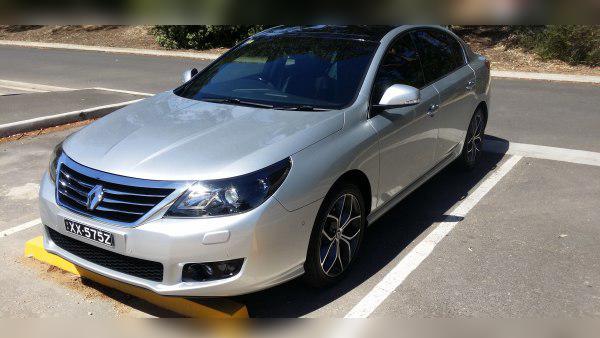
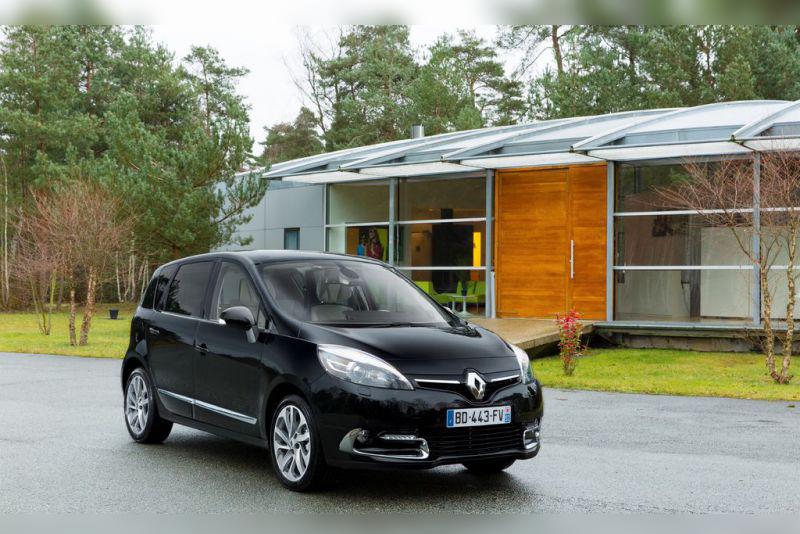
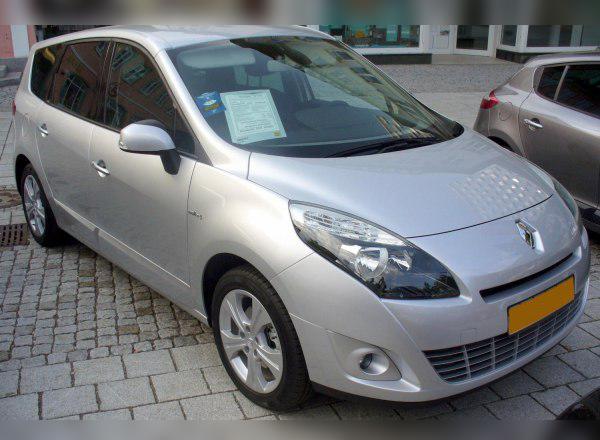
If you’re looking for a used Renault from the late 2000s or early 2010s, there’s a good chance you’ll find an engine with the code M4R under the bonnet. It’s a two‑litre naturally aspirated petrol unit (2.0 16V), created as a result of cooperation within the Renault-Nissan alliance. In Nissan’s range this engine is known as MR20DE and was widely used in models such as the Qashqai. In Renault’s line-up it powered a broad spectrum of vehicles: from the family saloon Fluence, through cruisers like the Laguna III and Latitude, all the way to heavy MPVs from the Scenic and Grand Scenic family.
This engine is proper old school – no turbo, no high-pressure direct injection, and on paper it looks like an indestructible machine. Still, like any mechanical assembly, it has its specific weaknesses, maintenance requirements and quirks that every potential buyer needs to be aware of.
Technical specifications
| Specification | Data |
|---|---|
| Engine displacement | 1995 cc |
| Engine power | 103 kW (140 hp) at 6000 rpm |
| Torque | 195 Nm at 3750 rpm |
| Engine code | M4R (Renault) / MR20DE (Nissan) |
| Injection type | Indirect, into the intake manifold (MPI - Multi-Point Injection) |
| Charging system | Naturally aspirated |
| Cylinder layout | Inline 4-cylinder (16 valves) |
Reliability and maintenance
Timing belt or chain?
This engine uses a timing chain instead of a conventional timing belt. The chain is generally very reliable, but not absolutely lifetime. Overly long oil change intervals can lead to wear of the tensioner and chain stretch. The first symptom that the chain is due for replacement is a specific “rattling” noise from the timing area during a cold start, which lasts a few seconds until oil pressure tightens the tensioner.
Most common failures and quirks
Although it has a reputation for being reliable, the M4R has two specific and quite serious issues that mechanics always warn about:
- Oil consumption due to stuck rings: Because of the engine’s design and European trends of 30,000 km oil change intervals, the so‑called oil control rings on the pistons lose their elasticity and get stuck in the piston grooves due to carbon deposits. The result is an engine that burns large amounts of oil.
- Cylinder head cracking due to spark plugs: This is the most bizarre weakness of this unit. The spark plug threads are extremely thin. If a mechanic changes the spark plugs on a hot engine or over-tightens them without using a torque wrench, microcracks appear in the cylinder head, connecting the coolant channel and the thread. The consequence? Coolant enters the cylinders, the engine misfires, and the repair is very expensive because it requires removing and machining (or replacing) the cylinder head. Spark plugs must be tightened to a maximum of 15 to 20 Nm, only on a completely cold engine!
Service intervals and oil
A classic “major service” is not done in the traditional sense. Inspection of the timing chain is recommended after around 200,000 km, when the cam timing is usually checked visually and via diagnostics, and a decision is made whether to replace the chain, guides and water pump.
The sump capacity is about 4.4 litres of oil. It is recommended to use fully synthetic oil of grade 5W-30 or 5W-40, and you should always do an oil service every 10,000 to 15,000 km to prevent ring issues.
Oil consumption: What is normal?
Yes, at higher mileage this engine almost as a rule consumes oil. A loss of 1 to 2 litres between two services (over 10,000 km) on a used car with more than 150,000 km is considered somewhat acceptable and does not require immediate engine teardown. However, if you notice thick bluish smoke from the exhaust when you suddenly floor the throttle, that’s a sign the engine is swallowing oil past the rings or valve stem seals and that it’s due for a refresh (a partial overhaul).
Spark plug replacement
Since this is a petrol engine, spark plugs are critical for proper operation. It is recommended to fit quality iridium or platinum spark plugs and replace them every 60,000 km. Again: make sure to tell your mechanic to do it carefully, with a torque wrench and on a cold engine.
Specific parts and costs
Unlike modern diesels, the M4R is largely spared from insanely expensive emissions-related components.
- Dual-mass flywheel: Good news! Almost all versions of this engine paired with a manual gearbox have a solid (conventional) flywheel. Because of that, replacing the clutch kit is not expensive (depends on the market) compared to modern turbo diesels.
- Fuel injection system: It uses standard port injection with 4 injectors located in the intake manifold (MPI). These injectors operate at very low pressure (around 3–4 bar), are not problematic and rarely get dirty. The cost of cleaning them in an ultrasonic bath is minimal.
- Turbocharger: This engine is purely naturally aspirated – there is no turbocharger, so there’s no turbo lag, no oil leaks around the intercooler, and no turbo rebuilds at high mileage.
- Emissions systems (DPF, EGR, AdBlue): DPF and AdBlue systems are fitted only to diesel vehicles, so they are not present here. There is also no typical troublesome EGR valve that would constantly clog with soot as on dCi engines. This petrol engine “breathes” cleanly.
Fuel consumption and performance
What this engine offers in reliability, it unfortunately takes back at the fuel pump. Performance and consumption largely depend on which body it is installed in.
How much does it really use?
If you drive in city traffic jams every day (stop‑and‑go driving on short trips), expect fuel consumption of 10.5 to even 12.5 l/100 km. On the other hand, on open roads consumption can drop to a more reasonable 6.5 to 7.5 l/100 km.
Is the engine “lazy”?
The short answer is: Yes, especially if you compare it with modern turbo engines. The M4R has 140 horsepower, but very low torque of only 195 Nm, available only at a high 3750 rpm. In lighter models such as the Megane it offers decent performance. However, in heavier vehicles like the Renault Laguna III, Latitude or the 7‑seat Grand Scenic (where kerb weight exceeds 1.5 tonnes), this engine feels sluggish and requires serious use of the throttle pedal to get up to speed. When overtaking, you’ll have to “drop a gear or two” and rev it high.
Motorway driving
At a cruising speed of 130 km/h, this engine with the 6‑speed manual gearbox spins at around 3200–3500 rpm. At that point the engine is not particularly quiet, you can notice increased cabin noise, while fuel consumption at that speed will be a solid 8 to 8.5 litres per 100 km.
Extras, LPG and modifications
Should you install LPG?
If you were planning to cut high fuel costs by installing an LPG system, here’s a warning: The M4R engine does not like LPG.
The main problem is that this engine does not have hydraulic tappets, and its valve seats are made of somewhat softer materials. Running on LPG creates higher temperatures in the combustion chamber. Because of this, the valves “sink” into the seats quickly, valve clearance disappears and compression drops.
If you still decide to install LPG, you must fit an electronic valve lubrication and cooling system (the so‑called “valve saver” or Flashlube). In addition, every 60,000 km you will have to measure and physically adjust the valve clearances, which is an extremely expensive and complicated job because it involves removing the camshafts and ordering precisely calibrated valve shims to the mechanic’s measurements.
Chiptuning (Stage 1)
To be blunt: remapping a naturally aspirated petrol engine is money thrown away. By “chipping” this engine you’ll gain at most 5 to 8 hp, with a barely noticeable difference in torque. Save that money for regular maintenance.
Transmissions: Manual vs CVT
Models with the M4R engine most commonly come with two transmission options: a conventional 6‑speed manual gearbox and a continuously variable automatic transmission (CVT).
Manual gearbox (TL4)
The 6‑speed manual gearbox in this model is very reliable, easy to use and trouble‑free.
As mentioned, it mostly comes with a solid flywheel (exact specification can only be checked by reading the VIN), so the cost of replacing the clutch disc, pressure plate and release bearing is quite reasonable and not high (depends on the market). It is recommended to change the oil in the manual gearbox preventively every 60,000 to 80,000 km to ensure smooth shifting in cold weather.
Automatic CVT gearbox (Jatco JF011E)
The Renault Latitude, Fluence and some Scenic versions were offered with a CVT gearbox. Although it provides incredibly linear and comfortable acceleration in the city (no jerks during gear changes), this gearbox carries major risks in used cars.
It operates using a specific pushbelt and cones. The biggest enemy of this gearbox is dirty oil! If the previous owner did not change the special CVT oil strictly every 60,000 km, metal shavings will damage the valves in the valve body, destroy the so‑called step motor (which controls the gear ratios), and the cone bearings themselves often fail and start to “whine” unpleasantly. Overhauling this gearbox falls into the “very expensive” category (depends on the market).
Buying used and conclusion
What to check before buying?
- Cold start: Ask the seller not to start the car before you arrive. When you crank it, listen carefully to the first three seconds of operation. If you hear metallic scraping or chain knocking before oil pressure builds up, prepare money for a timing replacement.
- Exhaust and blue smoke: Warm the engine up to operating temperature, then rev it past 4000 rpm while stationary. Bluish smoke from the exhaust is a sure sign that the rings are stuck and that the car will mercilessly consume oil.
- Service history (especially for CVT): Ask for proof (invoices, service book) of regular oil changes in the CVT gearbox. If there is no proof and the car jerks at low speeds or revs fluctuate at constant throttle, walk away from the purchase.
- Suspension: Since this engine was installed in heavy vehicles like the Grand Scenic, be sure to check the control arm bushes, links and ball joints, because the greater vehicle weight leads to faster wear of the front suspension on poor roads.
Conclusion: Who is this engine for?
The Renault M4R 2.0 16V engine is like a robust, honest old worker – it won’t leave you stranded on the road without any warning, but in return it demands that you respect basic maintenance rules and feed it well (in this case quality petrol, as it is thirsty).
It is primarily intended for drivers with a calmer driving style, who value comfort and mechanical simplicity over sporty performance. If you’re looking for a family car for the long haul and drive less than 15,000 km a year, you’ll avoid costly repairs and the headaches of turbochargers, DPF filters and dual‑mass flywheels that come with diesels, provided you find a well‑kept example with healthy piston rings.