Nissan MR20DD 2.0 (141 hp): Ownership Impressions, Common Issues, Fuel Consumption and Used-Buying Tips
Key points in short (TL;DR)
- Timing: Uses a reliable timing chain, not a timing belt.
- Injection: Direct gasoline injection (GDI) gives better performance but causes carbon buildup on intake valves.
- LPG: Because of direct injection, LPG conversion is expensive and complex (requires liquid phase or constant petrol enrichment).
- Transmission as a weak point: The naturally aspirated engine is long-lasting, but the Xtronic CVT automatic transmission requires strict maintenance and is prone to failures if mistreated.
- Performance: Don’t expect sporty acceleration; the engine feels somewhat “lazy” in heavier bodies like the Rogue or Qashqai.
- Turbocharger: There isn’t one – this is a purely naturally aspirated engine, which drastically reduces repair costs.
Contents
- Introduction: About the MR20DD Engine
- Technical Specifications
- Reliability and Maintenance
- Specific Parts and Costs
- Fuel Consumption and Performance
- Additional Options and Modifications
- Transmissions and Issues
- Buying Used and Conclusion
Introduction: About the MR20DD Engine
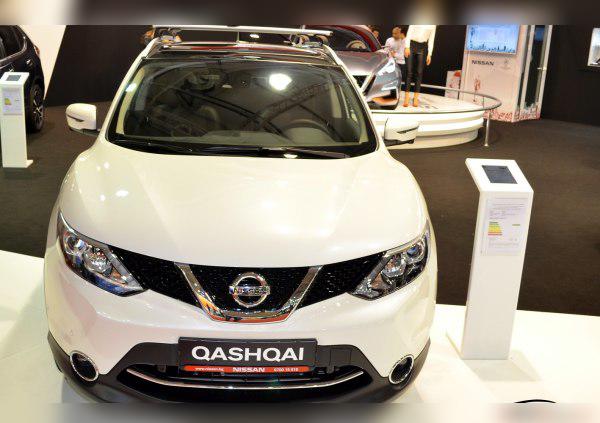
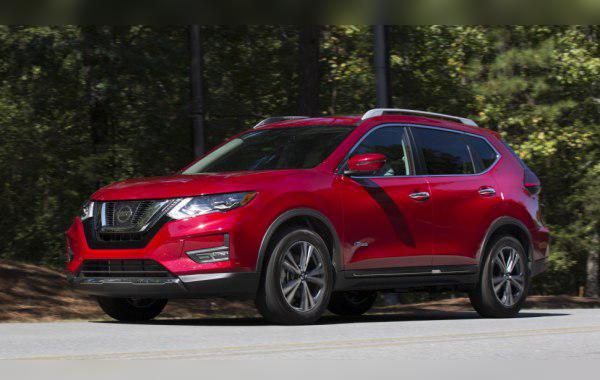
Nissan’s engine with the code MR20DD is a modernized evolution of the older MR20DE unit. The most important change compared to its predecessor is the introduction of direct fuel injection (hence the letter “D” in the code), as well as dual variable valve timing. This 2.0-liter petrol engine is used globally in popular crossovers and SUVs such as the second-generation Nissan Qashqai, Kicks and Rogue/Rogue Sport. It is designed for drivers who want linear power delivery and don’t want the headaches that come with complex turbo systems, but it does require a specific maintenance approach.
Technical Specifications
| Parameter | Data |
|---|---|
| Displacement | 1997 cc |
| Power | 104 kW (141 hp) *Hybrid versions with electric assistance up to 176 hp combined |
| Torque | 200 Nm |
| Engine code | MR20DD |
| Injection type | Direct injection (GDI) |
| Turbo / NA | Naturally aspirated |
Reliability and Maintenance
Chain or belt? “Major service”
This engine uses a timing chain. Because of that, the classic “major service” in the sense of regularly replacing a belt, tensioners and water pump every 100,000 km does not apply here. The chain is quite durable and designed to last as long as the engine itself. However, workshop experience shows that it should be visually and acoustically checked after 150,000 to 200,000 km. A sign that the chain is stretched is metallic rattling on cold start (until the hydraulic tensioner builds up oil pressure). Replacing the timing chain set, when the time comes, falls into the category of fairly expensive repairs (depends on the market).
Most common failures
Thanks to the absence of a turbocharger, the engine’s mechanicals are very robust. The biggest issue you’ll encounter with the MR20DD stems from the direct injection system. Since the fuel is injected directly into the cylinder and not into the intake manifold, the intake valves are not washed by petrol. As a result, a large amount of carbon builds up on them over time. Symptoms include rough idle, weaker throttle response and loss of power. It is recommended to perform “decarbonization” (intake valve cleaning with walnut shell blasting or chemicals) every 80,000 to 100,000 km.
Oil and spark plugs
The engine takes approximately 3.8 liters of engine oil (with filter change). The recommended viscosity is 0W-20 (for maximum efficiency and colder climates) or 5W-30 (a common real-world choice for higher-mileage vehicles). Engine oil must be changed strictly every 10,000 to 15,000 km. Some oil consumption between services is normal, but on a healthy engine it usually does not exceed 0.5 liters per 10,000 km. If you notice that the engine consumes more than 1 liter per 1,000 km, the problem usually lies in stuck piston rings, which is a consequence of infrequent oil changes.
As for ignition, the engine requires high-quality iridium spark plugs. It is recommended to replace them every 60,000 to 90,000 km. Worn spark plugs put direct stress on the ignition coils and can cause jerking under acceleration.
Specific Parts and Costs
Injection and exhaust system
As mentioned, the injection system is direct. The high-pressure injectors are generally durable but sensitive to low-quality fuel with too many impurities. The high-pressure pump (driven by the camshaft) can also show signs of wear over time (fuel leaking into the oil or loss of pressure). When replacement is needed, these parts fall into the category of very expensive components (depends on the market).
The engine does not have a turbocharger, which is a huge relief for the used-car owner’s wallet. Since it’s a petrol engine, it also does not have an AdBlue system, which is reserved for modern diesels. It does have an EGR valve, which can get dirty from the aforementioned soot, but it is easy to clean. Important: newer models for the European market (after 2018) may be equipped with a GPF filter (Gasoline Particulate Filter – the petrol counterpart to the DPF on diesels). Although it causes far fewer issues than a diesel DPF, driving exclusively in the city on short trips can lead to clogging, after which regeneration on an open road is necessary.
Fuel Consumption and Performance
Is 141 hp enough?
In lighter models such as the Nissan Kicks, the MR20DD offers perfectly adequate performance. However, when installed in larger and heavier vehicles (Nissan Rogue, Qashqai AWD), this engine can feel rather “lazy”. The 200 Nm of torque is available only at higher revs (around 4,400 rpm), which means you have to rev it high to get enough power for overtaking on an incline.
City driving and highway
Real-world fuel consumption in city driving ranges between 9.5 and 11 l/100 km, depending on traffic and how heavy your right foot is. The direct injection system slightly reduces consumption compared to older engine generations, but the weight of the crossover still takes its toll. On the highway, aerodynamics and the 4x4 system (if fitted) push consumption to around 7.5–8.5 l/100 km. When paired with the CVT transmission, cruising at 130 km/h is done at a very relaxed 2,200 to 2,500 rpm, which reduces cabin noise, although every time you press the accelerator the transmission will raise the revs and create that characteristic, droning sound (the so‑called scooter effect).
Additional Options and Modifications
LPG conversion
One of the most common questions is LPG conversion. On the MR20DD engine this is neither a simple nor a cheap project. Because the petrol injectors are located inside the cylinder, a conventional sequential LPG system cannot be installed. You need a specific system that simultaneously injects a small amount of petrol to cool the injectors, or a significantly more expensive liquid-phase LPG system that uses the factory injectors. The conversion is very expensive (depends on the market) and only pays off in the long run for drivers who cover very high annual mileage.
ECU remap (Stage 1)
If you were planning to fix the lack of power with a chip tune, forget it. On a naturally aspirated petrol engine without a turbo, a software change (Stage 1) will give you a marginal power increase of at most 5 to 8 hp, which you won’t even notice in real driving. It’s basically throwing money away.
Transmissions and Issues
The choice of transmission is a key factor when buying a vehicle with this engine.
Manual gearbox and dual-mass flywheel
A 6-speed manual gearbox was fitted on certain markets and versions (e.g. Qashqai FWD). The manual gearboxes are mechanically durable and there are rarely any expensive surprises there. Yes, some newer and larger models equipped with a manual gearbox can have a dual-mass flywheel to reduce vibrations, but on petrol engines it lasts incomparably longer than on diesels. If the time comes to replace the clutch kit and flywheel, the cost is quite high (depends on the market). Note: The exact information whether a specific VIN has a dual-mass flywheel must be checked via the parts catalog.
Xtronic CVT automatic – Be cautious
Most vehicles with the MR20DD engine on the road come with the Jatco CVT (Xtronic) continuously variable transmission. This transmission does not have a dual-mass flywheel or a conventional clutch (it uses a hydraulic torque converter). The CVT is great for smooth, jerk-free city driving, but it is also the biggest weak point of this drivetrain.
The most common Xtronic failures include: overheating on the highway, slipping of the steel belt (which leads to metal shavings in the oil) and valve body issues in the mechatronics. Symptoms of failure are noticeable jerks when taking off, fluctuating revs at steady speed and a warning light coming on (“limp mode”).
Rule number one: The oil in the CVT (Nissan NS-3 specification) and the filters MUST be changed at least every 50,000 to 60,000 km. If you buy a used car where the oil has never been changed up to 150,000 km, there is a high chance you are facing a full transmission overhaul, which is very expensive (depends on the market).
Buying Used and Conclusion
What to check before buying?
- Cold start: Ask the seller not to start the car before you arrive. When starting, listen for metallic rattling on the right side of the engine (chain).
- Test drive (transmission): Drive off gently and check for any jerks. The CVT must operate absolutely smoothly. If it shudders, walk away from the deal.
- CVT service history: Ask for invoices. If there is no proof that the transmission oil has been changed regularly, be prepared for a major risk.
- Diagnostics: Check the fuel pump operating pressure and ignition parameters for possible intake valve clogging.
Who is this engine for?
Nissan’s MR20DD, considered purely as a mechanical unit, is an extremely reliable piece of engineering. It is free from the teething problems that plague modern small turbo engines. However, the car around it largely dictates the overall ownership experience. This engine is ideal for calm drivers who want the reliability of a naturally aspirated petrol engine and cover moderate mileage, mostly on regional roads and highways. If you are buying a model with the Xtronic automatic transmission, always set aside money in advance for a full transmission service before you take the car on its first long trip.