Nissan 1.8 16V QG18DE: Experiences, issues, fuel consumption and used car buying tips
- No dual-mass flywheel, and no expensive components such as a turbocharger or DPF filter.
- Oil consumption is the biggest downside of this engine – stuck piston rings and valve stem seals are a common problem.
- The engine uses a timing chain that is prone to stretching, which requires attention when buying.
- It handles LPG (autogas) conversion very well, which drastically reduces running costs.
- Performance is satisfactory in the lighter Almera, but the engine feels quite “sluggish” in the heavier Primera.
Contents
- Introduction to the QG18DE engine
- Technical specifications
- Reliability, maintenance and common failures
- Specific parts and costs
- Fuel consumption and performance
- Additional options and modifications (LPG and remapping)
- Gearbox and drivetrain
- Buying used and conclusion
Introduction to the QG18DE engine
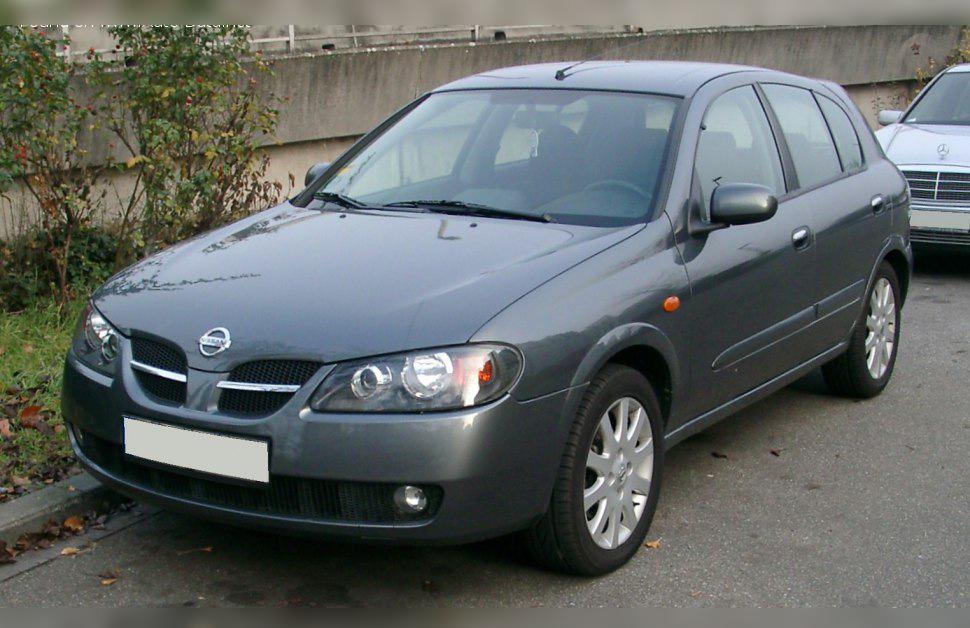
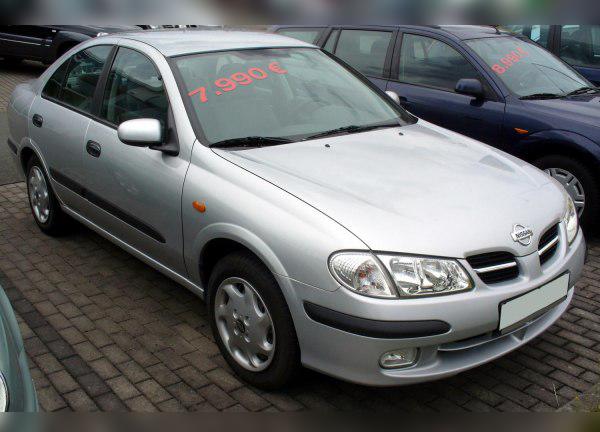
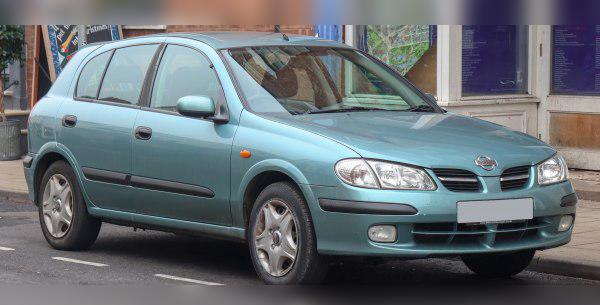
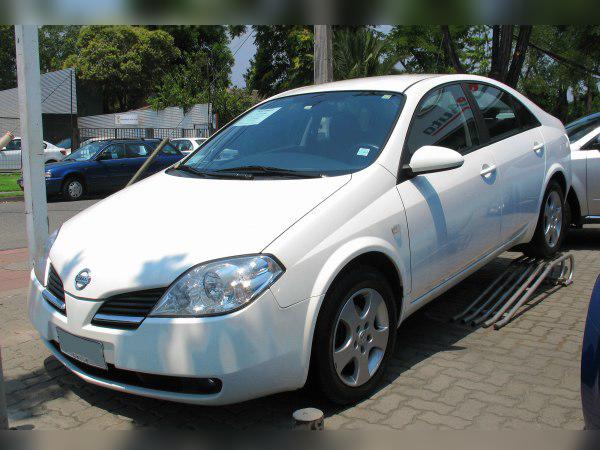
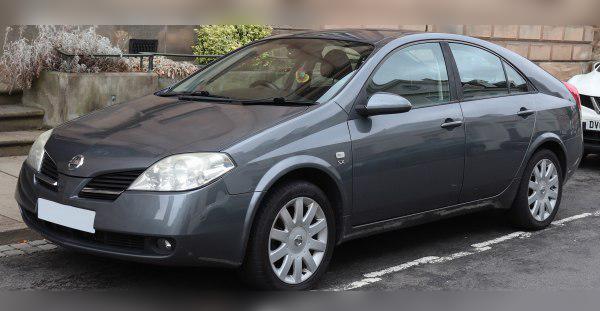
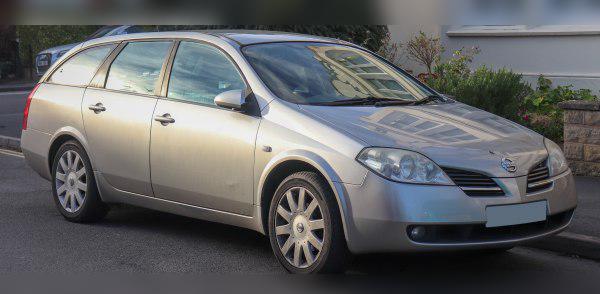
The QG18DE engine is a classic example of late-90s and early-2000s Japanese engineering philosophy. It is a 1.8-liter petrol unit designed for everyday use, with no pretensions toward sporty performance. You’ll most often find it under the bonnet of the Nissan Almera II (N16) and Nissan Primera (P12), where it represented a kind of “golden middle ground” in the engine lineup.
This unit is appreciated for its mechanical simplicity, but it also comes with several specific design flaws that every potential buyer needs to know about. As these cars are now quite old, the engine’s condition depends heavily on the maintenance history of previous owners.
Technical specifications
| Parameter | Value |
|---|---|
| Engine code | QG18DE |
| Displacement | 1769 cc |
| Power | 85 kW (116 hp) |
| Torque | 163 Nm |
| Injection type | Indirect (multi-point MPI) |
| Aspiration | Naturally aspirated |
Reliability, maintenance and common failures
Maintenance of this engine is generally affordable, but it hides a few traps. The QG18DE uses a timing chain, not a timing belt. In theory, the chain should last as long as the engine itself, but in practice it’s different. A frequent issue with this engine is chain stretch, especially on pre-facelift models (although it’s not rare on later ones either). Symptoms of a stretched chain include rough idle, harder starting and the “Check Engine” light coming on with crankshaft and camshaft sensor errors (P0335 and P0340). When this happens, a major service is required (replacement of chain, guides and tensioner), usually carried out between 150,000 and 200,000 km. The price of a chain kit ranges from moderate to high (depending on the market).
The second, and perhaps most serious weakness of this engine is oil consumption. Due to the specific piston design, the rings tend to get stuck from carbon deposits, and the valve stem seals lose elasticity over time. According to the manufacturer’s specification, anything up to 0.5 liters per 1000 km is considered normal, but in practice, a healthy engine shouldn’t use more than 0.1 to 0.2 liters per 1000 km. If the engine consumes 1 liter per 1000 km, it’s ready for a serious overhaul (new rings and cylinder head reconditioning).
What makes the oil situation even more dangerous is the oil pan capacity. This engine holds only about 2.7 to 2.9 liters of oil (recommended grades 5W-30 or 5W-40). With such a small oil quantity, if you don’t check the dipstick regularly, the engine can run completely “dry” and seize within just a few thousand kilometers. Regular checks are therefore an absolute priority.
As for the ignition system, the engine is equipped with coil-on-plug units for each cylinder, which occasionally fail; the symptom is running on three cylinders and jerking while driving. Spark plugs should be replaced every 60,000 km if you use the specified platinum or iridium plugs. With standard plugs, the interval is roughly half that.
Specific parts and costs
A major advantage of models with this engine for budget-conscious buyers is the absence of expensive modern systems. The engine has no dual-mass flywheel, but uses a conventional solid flywheel. Because of this, clutch kit replacement is very affordable and counts as one of the cheaper repairs in this class (depending on the market).
The fuel system is a classic indirect MPI setup. Petrol injectors are extremely robust and rarely cause headaches. If they do get clogged due to poor fuel quality, the issue is usually easily solved with ultrasonic cleaning. Also, since this is a petrol naturally aspirated engine, there is no turbocharger, no DPF filter, and no AdBlue system to cause expensive problems and require costly maintenance.
However, one specific risk should be mentioned. Models up to 2003 had an issue with the ceramic honeycomb in the first catalytic converter (located very close to the exhaust manifold) breaking up. When you suddenly lift off the throttle, a backpressure is created that can suck ceramic dust back into the cylinders, which permanently damages the cylinder walls and crankshaft. Many owners and mechanics solved this problem by physically removing this pre-catalyst.
Fuel consumption and performance
Realistic expectations are crucial with the 1.8 QG18DE engine. This is not an economical unit. Real-world city fuel consumption ranges between 9.5 and 11 l/100 km, depending on how heavy your right foot is and on traffic conditions (congestion significantly raises the average). On open roads it can drop to around 6.5 l/100 km.
When it comes to driving dynamics, the subjective feel depends on the body style. In the Nissan Almera N16, 116 hp provides perfectly adequate performance for everyday use and overtaking. However, the Nissan Primera P12 is noticeably heavier, and in it this engine feels quite “sluggish”. The 163 Nm of torque at 4000 rpm means you have to rev it high to get the car moving briskly, which further increases fuel consumption and noise.
On the motorway, the engine shows its age and the gearbox ratios. At a speed of 130 km/h in fifth gear, the engine spins at around 3600 to 3800 rpm. Because of this, high-speed cruising can be noisy, and motorway fuel consumption climbs to about 8 to 8.5 l/100 km.
Additional options and modifications
This unit has traditionally been popular in markets with high fuel prices, because it is excellent for fitting a sequential LPG system. The MPI injection does not require expensive liquid-phase injection systems. However, one important note: this engine does not have hydraulic valve lifters. When running on LPG, the valves run hotter, so it is necessary to check valve clearances every 40,000 to 50,000 km to prevent valve seat recession and burning.
If you’re thinking about a remap (Stage 1), the short answer is – don’t bother. Since this is a naturally aspirated petrol engine without a turbo, software modifications will bring almost nothing (a maximum of 5 to 8 hp). The investment is completely uneconomical and you won’t feel any real difference in driving.
Gearbox and drivetrain
Two types of gearboxes were fitted to the QG18DE: a conventional 5-speed manual gearbox and a 4-speed automatic gearbox. On both versions the oil should be changed – the service interval is 60,000 km, which many owners ignore.
The manual gearbox is basically solid, but suffers from one well-known issue. The bearings inside the gearbox (especially the input shaft bearing) tend to wear out. The symptom is a “whining” or “howling” noise while driving, which changes depending on throttle input and disappears when you press the clutch. The repair involves removing and opening the gearbox (bearing replacement is a moderately expensive job; depends on the market).
The automatic gearbox is a classic torque-converter automatic. Although it has only 4 gears, which makes it slow to respond and increases fuel consumption compared to the manual, this gearbox is incredibly reliable and long-lasting. If it hasn’t been abused and the oil has been changed on time, it rarely fails. Its biggest enemy is neglect and running on old, burnt oil, which leads to jerks when shifting.
Buying used and conclusion
Before buying a car with the 1.8 QG18DE engine, the most important tools you need are your eyes and ears. Make sure to arrange the inspection so that the engine is completely cold before you start it. During the first few seconds of operation, listen for any “rattling” of the metal chain from the front of the engine. If it lasts longer than a couple of seconds, the timing set is ready for replacement.
The second step is to check the exhaust. Have someone rev the engine high while you watch the tailpipe. Bluish smoke is a sure sign that the engine is burning oil and that the piston rings or valve stem seals are worn out. Also, pull out the dipstick – if the level is at minimum or the oil is thick like tar, this points to a careless previous owner.
Who is this engine for? This unit is intended for drivers who want cheap routine maintenance, don’t mind slightly higher fuel consumption and mostly drive within the speed limits without sporty ambitions. The biggest risk lies in buying a neglected example that drinks oil. Pairing it with a good LPG system in an Almera N16 is probably the best way to exploit the potential of this classic, but somewhat outdated Japanese engine.