VK56VD 5.6 V8 Engine (400 hp) – Owner experiences, issues, fuel consumption and used-buying tips
- A massive naturally aspirated V8 that goes against modern downsizing trends.
- The engine uses a timing chain which, in these newer 400 hp versions, is significantly more reliable than in earlier generations.
- Direct fuel injection carries the risk of carbon buildup on the intake valves.
- Fuel consumption is extremely high, especially in city driving where it easily exceeds 20 l/100 km.
- It was fitted exclusively with automatic transmissions, which means there is no conventional dual-mass flywheel.
- An extremely reliable and long-lasting powerplant, provided that oil is changed strictly on time.
- LPG (autogas) conversion is possible, but very expensive and technically demanding.
Contents
- Introduction and basic information
- Technical specifications
- Reliability, maintenance and common failures
- Specific parts and costs
- Fuel consumption and performance
- Extras, LPG and remapping
- Transmission and drivetrain
- Buying used and conclusion
Introduction and basic information
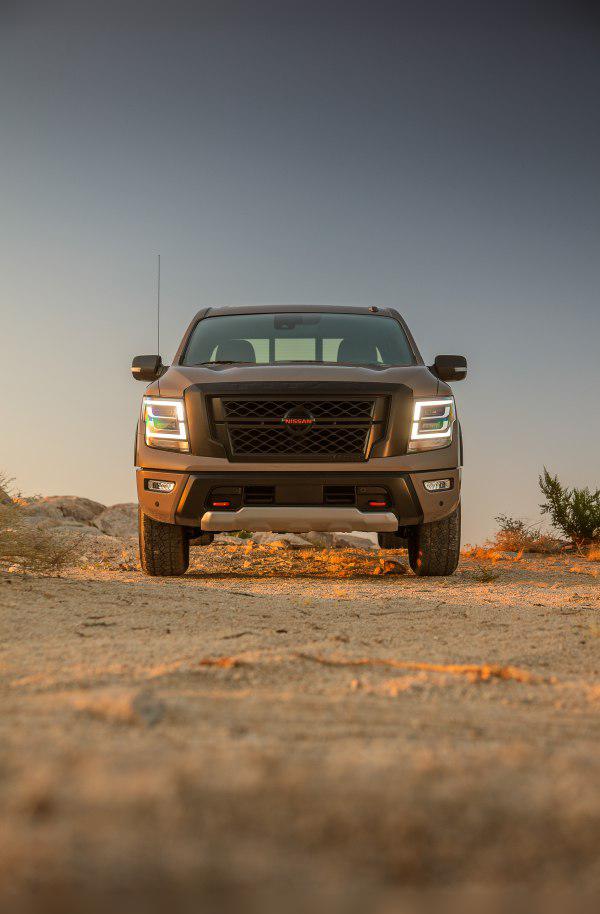
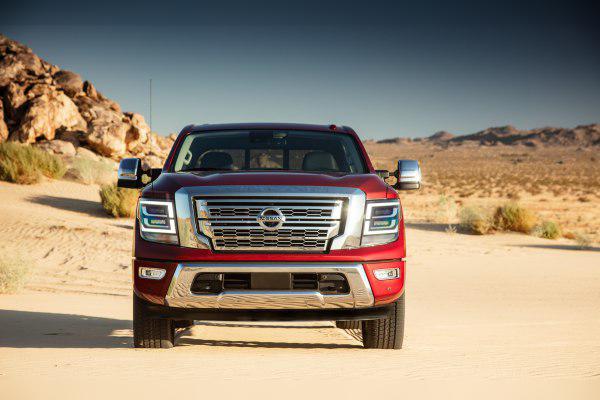
In an era of hybrids and small turbo engines, the VK56VD is a true engineering refreshment for fans of raw power. With an impressive 5.6 liters of displacement in a V8 configuration, this petrol engine delivers 400 hp and offers a monumental 560 Nm of torque without any help from a turbocharger. It was designed to power some of the heaviest and most luxurious SUVs and pickup trucks in the world, such as the Infiniti QX80, Nissan Armada, the legendary Nissan Patrol and the workhorse Nissan Titan.
It is important to note that the 400 hp version, which is installed in facelifted models (mostly from 2017 to today), has been significantly revised compared to older generations of this engine. Nissan implemented VVEL (Variable Valve Event and Lift) technology in combination with direct injection (DIG), which gives this giant excellent throttle response, but also imposes certain requirements when it comes to maintenance.
Technical specifications
| Parameter | Value |
|---|---|
| Displacement | 5552 cc |
| Power | 294 kW (400 hp) |
| Torque | 560 Nm |
| Engine code | VK56VD |
| Injection type | Direct injection (DIG) |
| Turbo/NA | Naturally aspirated |
Reliability, maintenance and common failures
Does this engine have a timing belt or a chain?
This V8 uses a massive timing chain to drive the camshafts. The good news for buyers of newer 400 hp models is that Nissan corrected a factory flaw found on earlier VK56VD versions (before 2013), where the oil squirters that lubricate the chain were poorly designed, which led to chain stretch and guide failure. On this revised version, the timing system is extremely reliable and a classic “major timing service” is not done at a fixed interval; instead, the condition of the chain is checked visually and via diagnostics at around 200,000 to 250,000 km.
Most common issues and symptoms
Although generally robust, the VK56VD has a few specific weak points. The first is carbon (soot) buildup on the intake valves. Since the engine uses direct injection (fuel is sprayed directly into the cylinder, not over the valves), petrol does not wash the intake valves. The driver will notice this as an unstable idle (shuddering), loss of performance and occasional “Check Engine” light due to poor combustion (misfire). Valve cleaning (so-called walnut blasting) is recommended every 80,000 to 100,000 km.
The second known issue is PCV valve (crankcase ventilation valve) failure. When this small and inexpensive part sticks, pressure in the engine block rises, which causes oil leaks at the crankshaft seals or increased oil consumption because the engine starts “drinking” it through the intake manifold.
You should also pay attention to the high-pressure fuel pump (HPFP) cam follower. It sits on the camshaft and is prone to wear if the oil is not changed regularly. The symptom is a specific metallic rattling noise from the top of the engine when you apply throttle.
Oil and regular servicing
For such a large displacement, the sump capacity is surprisingly modest – it holds about 6.5 liters of oil (with filter change). The manufacturer recommends 0W-20 or 5W-30, depending on the climate in which the vehicle is used (5W-30 is a better choice for summer conditions and towing). Oil changes must be done strictly every 10,000 to 15,000 km. Any extension of this interval is a death sentence for the VVEL system, which is extremely sensitive to dirty oil.
As for oil consumption, a completely healthy engine can use around 0.5 to 0.8 liters between two services, which is considered normal for a V8 of this size. If you notice that the engine consumes more than one liter per 5,000 km, first check the already mentioned PCV valve, and then the condition of the piston rings.
Since this is a petrol engine, spark plug replacement is something you must not ignore. The engine uses one iridium spark plug per cylinder (8 in total), and their service life is around 100,000 to 120,000 km. Replacement is necessary because a weak spark directly damages the expensive ignition coils and catalytic converters.
Specific parts and costs
Fuel injection system and emissions
The VK56VD has no turbochargers, which is fantastic news for maintenance – fewer moving parts, lower under-bonnet temperatures and a lower risk of expensive failures. The injection system is direct, operating at high pressure. The injectors themselves are reliable, but sensitive to poor fuel quality. Dirty fuel can cause injectors to drip when the engine is off, which makes cold starts harder and creates a smell of raw petrol from the exhaust.
Since this is a petrol engine, it has no DPF filter, no EGR valve (in the problematic diesel sense) and does not use AdBlue. The exhaust system relies solely on large and expensive catalytic converters and oxygen sensors. Make sure you do not drive with faulty spark plugs, because unburned fuel enters the exhaust and melts the catalyst substrate, and replacement is extremely expensive (depends on the market).
Fuel consumption and performance
On-road behavior and fuel consumption
Let’s be clear right away – if you are asking about this engine’s fuel consumption, it is probably not for you. Real-world city consumption for heavyweights like the Nissan Patrol or Infiniti QX80 rarely drops below 18 l/100 km, and with a slightly heavier right foot, air conditioning and stop-and-go traffic, be prepared for 22–25 l/100 km.
However, the engine is absolutely not “lazy”. Even though these vehicles weigh over 2.5 tons, the 560 Nm of torque, available over a wide rev range thanks to VVEL technology, launches the vehicle off the line with ease. Power delivery is linear, the sound is deep and aristocratic, without the “turbo lag” that plagues many modern rivals.
The true character of this engine shows on the highway. Thanks to modern multi-speed transmissions, at 130 km/h the engine “cruises” at a very low 1,800 to 2,000 rpm. In such conditions, the engine is barely audible in the cabin, and fuel consumption can drop to a more acceptable 12 to 14 l/100 km.
Extras, LPG and remapping
LPG conversion
Many owners get the idea of halving their fuel costs by installing an LPG system. Is it suitable? Yes and no. Due to direct injection (DIG), you cannot install a standard, cheap sequential LPG kit. You need a special system for direct-injection engines which, while the engine runs on gas, simultaneously injects a small amount of petrol (around 10–20%) to cool the petrol injectors located in the combustion chamber. The alternative is a liquid-phase LPG injection system (which uses the factory injectors), but such systems are very expensive (depends on the market) and there are very few specialists who can calibrate them properly. In practice, a poorly installed LPG system on this engine quickly burns the valves.
Remapping (Stage 1)
Since this is a naturally aspirated engine, “remapping” is a waste of money. By altering ignition and fuel maps (Stage 1) on a 5.6-liter non-turbo engine you can gain at most 15 to 25 hp and maybe 20 Nm of torque. In a vehicle that weighs almost 3 tons, the driver will hardly feel this on the road. Software modifications on this engine are mostly done to remove the speed limiter or to adjust the maps if the factory catalytic converter is removed.
Transmission and drivetrain
This 400 hp version of the engine was never paired with a manual gearbox. It is fitted exclusively with automatic transmissions. In most models (Armada, Patrol, QX80) this is the extremely durable 7-speed automatic (Jatco RE7R01B), while the latest iterations of the Nissan Titan can also be found with a newer 9-speed automatic.
Since this is a conventional automatic transmission with a torque converter, this setup has no dual-mass flywheel or conventional clutch disc. Consequently, there is no cost of replacing a clutch and dual-mass flywheel set, which is a common headache for owners of vehicles with manual or dual-clutch (DSG) transmissions.
Transmission maintenance and failures
The most common cause of failure on these transmissions is the belief in “lifetime fluid”. For the gearbox to run smoothly for half a million kilometers, the oil and filter in the transmission must be changed every 60,000 to 80,000 km. If the oil is not changed, metal particles from clutch wear clog the channels in the valve body (mechatronics). Symptoms of a faulty valve body are harsh shifts from second to third gear, or hesitation when engaging “Drive” or “Reverse”. Valve body overhaul or torque converter replacement falls into the category of expensive repairs (depends on the market).
Buying used and conclusion
What to check before buying?
When looking at a used vehicle with a VK56VD engine, a cold start is the most important test. Let the vehicle sit overnight and pay attention to the first few seconds after startup. A brief lifter noise is normal until the oil pump builds pressure, but any metallic rattling or scraping that lasts longer than two seconds indicates a problem with the chain tensioners. Also pay attention to the rear of the engine against the firewall (as much as plastics allow) and look for traces of oil leaks, which indicate an issue with the PCV valve or worn valve cover gaskets.
Always connect an OBD diagnostic tool, even if the warning light is off. Check the fault history – look for “misfire” codes (P0300 to P0308), which reveal problems with carbon on the valves, bad coils or injectors.
Conclusion: Who is this engine for?
The VK56VD (400 hp) is intended for drivers who need absolute reliability and power for towing heavy trailers, boats, or who simply want sovereign dominance on the highway and off-road, without fear of turbo failure. Maintaining the engine itself is not excessively expensive if you exclude the registration cost for this displacement, but fuel consumption is a huge ongoing expense. If your fuel budget is not an issue and you want a vehicle designed to last for decades with proper maintenance, this Japanese V8 is one of the best remaining “dinosaurs” on the global market.