Opel 12S engine (60 hp): Experiences, issues, fuel consumption and used car buying tips
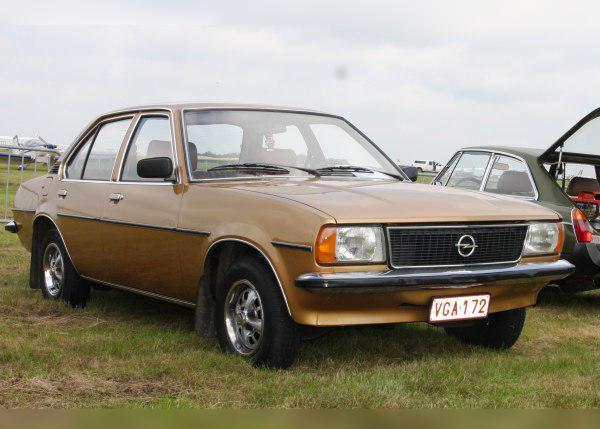
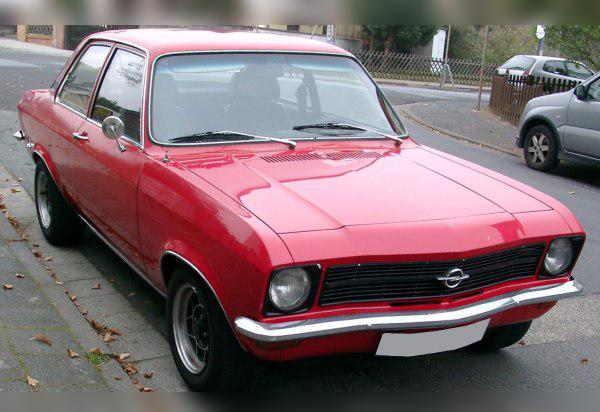
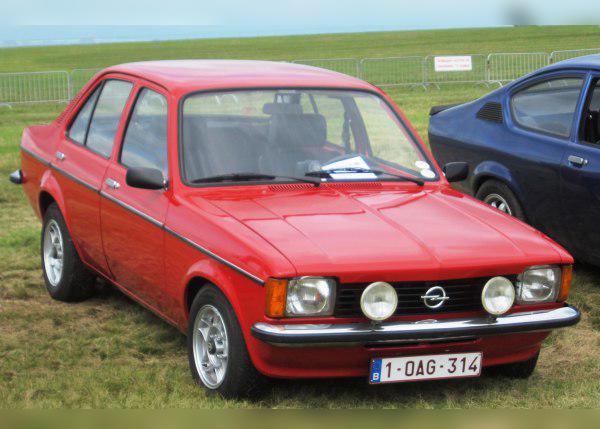
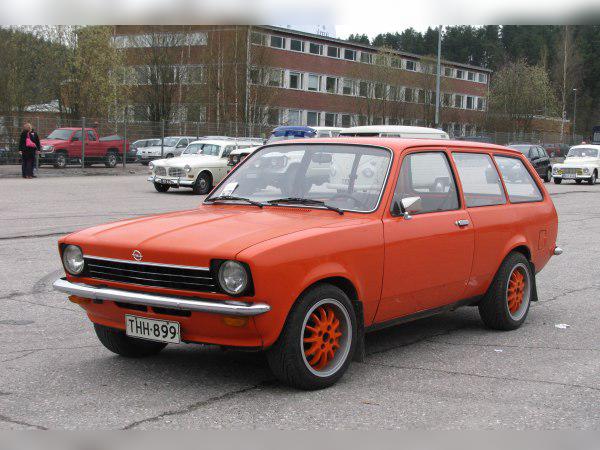
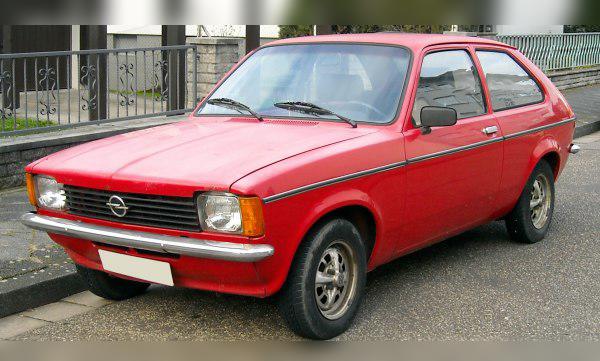
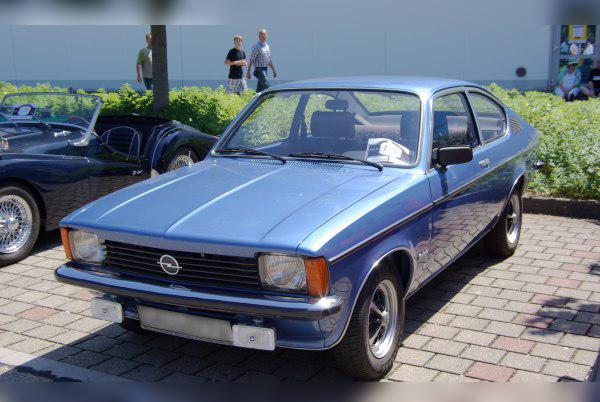
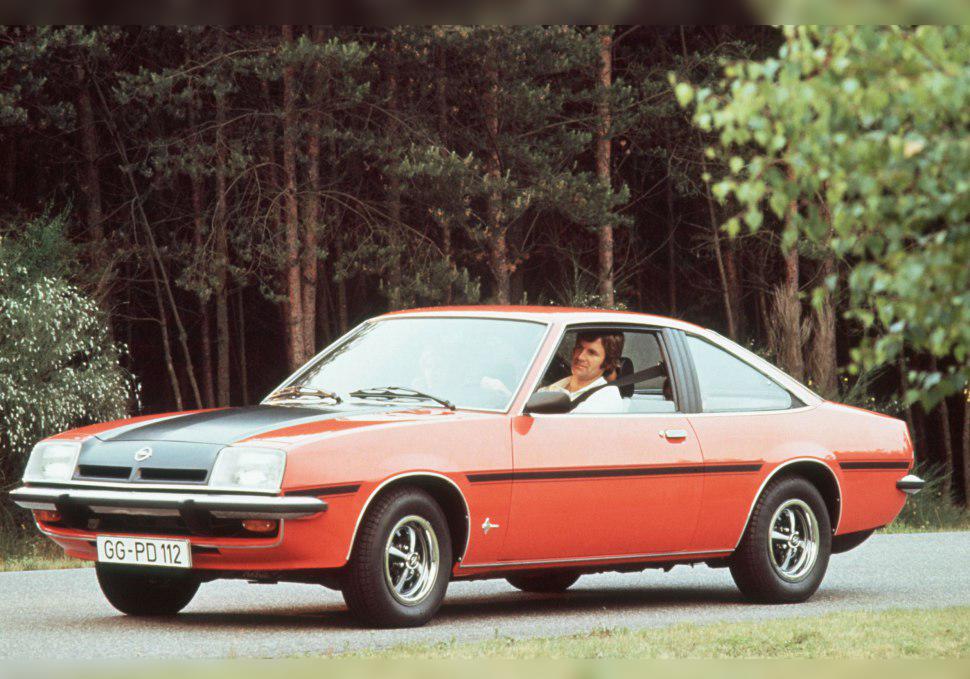
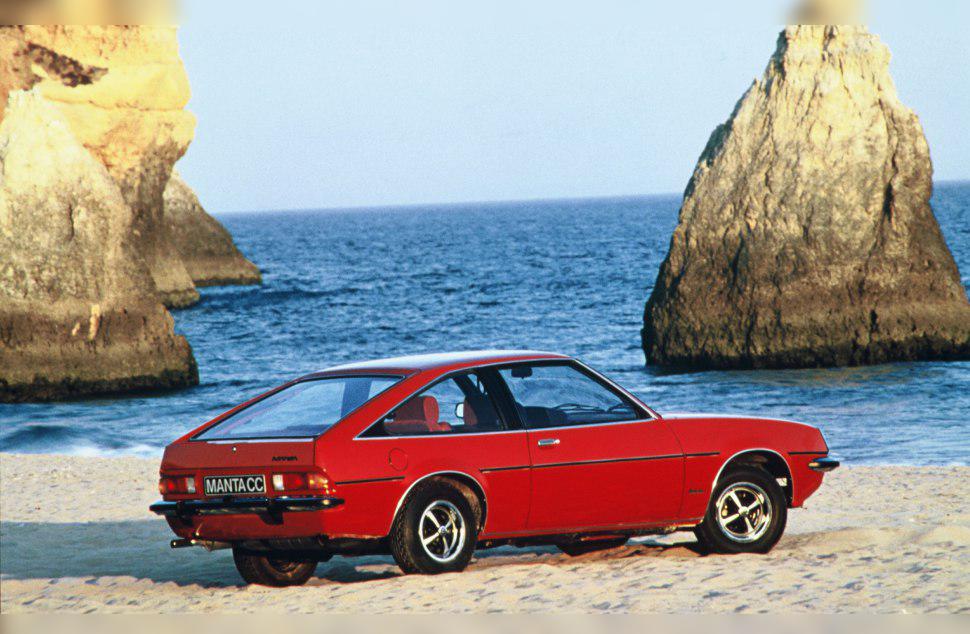
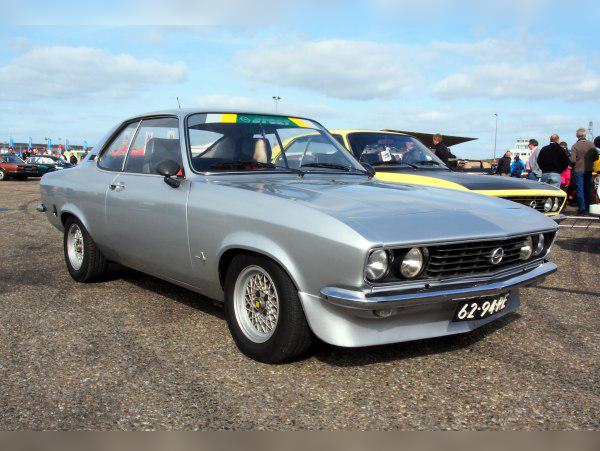
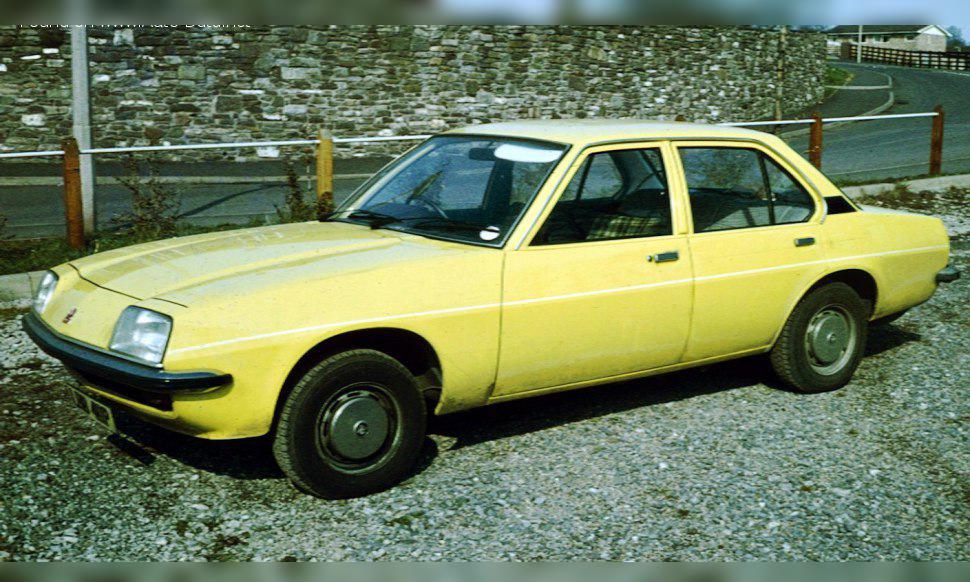
When we talk about old-school automotive engineering, few powerplants evoke as much nostalgia as the famous Opel 12S engine. Developed in an era when mechanics were simple and electronics in cars were kept to a minimum, this engine powered legends of the 1970s and 1980s. With its 60 horsepower (44 kW), it was the heart of rear-wheel-drive models such as the iconic Opel Kadett C, the elegant Manta A and B, as well as the reliable Ascona. Although by today’s standards it doesn’t offer impressive performance, its reliability and ease of maintenance make it a favorite among classic car enthusiasts. In this article, we’ll dissect it down to the smallest detail.
Key points (TL;DR)
- Exceptional mechanical durability: Old-school OHV engine architecture that is extremely resistant to wear.
- Timing chain drive: No timing belt, but a short and massive chain that rarely fails.
- No electronics: Relies on a carburetor and contact breaker points (distributor) – no expensive sensors or ECU.
- Excellent for LPG: Works perfectly with the simplest LPG systems.
- Sluggish in heavier bodies: While it provides decent driving in the Kadett C, it seriously struggles with the weight of the Manta and Ascona.
- Not a highway engine: With a 4-speed gearbox, driving over 100 km/h is noisy and uneconomical.
- Rust is a bigger problem than the engine: The bodies it was installed in deteriorate much faster than the mechanicals themselves.
Contents
- Technical specifications
- Reliability and maintenance
- Specific parts and costs
- Fuel consumption and performance
- Additional options and modifications
- Gearbox and drivetrain
- Buying used and conclusion
Technical specifications
| Specification | Data |
|---|---|
| Engine code | 12S (OHV - Overhead Valve) |
| Displacement | 1196 cc |
| Power output | 44 kW (60 hp) |
| Torque | 88 Nm at 3000 - 3400 rpm |
| Fuel type | Petrol (Gasoline) |
| Fuel system | Carburetor (most commonly Solex) |
| Aspiration | Naturally aspirated (no turbo) |
Reliability and maintenance
Does this engine have a timing belt or a chain?
This engine uses a timing chain. Since it is an OHV (Overhead Valve) design, the camshaft is located in the engine block itself, which means the chain is extremely short and robust. Chain failure on this engine is almost unheard of. Chain stretch can be noticed by a rattling noise from the front of the engine, but it often outlives the car’s body.
What are the most common failures on this engine?
The 12S engine is mechanically “indestructible”, but its peripherals can cause headaches. The most common issues include:
- Carburetor: Dirt, worn diaphragms or a sticking float lead to fuel flooding, uneven idle and hard starting.
- Ignition system: The distributor with contact breaker points (if it hasn’t been converted to electronic ignition) requires regular cleaning and gap adjustment. Symptoms of bad points are jerking while driving and backfiring through the exhaust.
- Valve clearance: This engine has mechanical valve lifters. Valve clearance must be adjusted manually. If you hear loud “tapping” from the valve cover area, it’s time for adjustment; otherwise, the camshaft or valves can be damaged.
- Oil leaks: Cork gaskets harden over time, so the engine often seeps oil from the valve cover and oil pan.
At what mileage is a major service required?
On this engine, a classic “major service” does not exist. There is no timing belt, no water pump driven by a timing belt, and no tensioners that must be replaced at a set mileage. The only preventive replacement is the V-belt that drives the alternator and water pump (when it cracks). The water pump is replaced only when it starts leaking or develops play. Regular maintenance comes down to changing oil, filters, spark plugs, and adjusting valves and carburetor.
How many liters of oil does this engine take and which viscosity is recommended?
The engine holds a modest 2.5 to 3.0 liters of oil (depending on whether the filter is changed). Considering the old tolerances and manufacturing technology, using modern synthetic oil is a big mistake. A thick mineral oil of 15W-40 or even 20W-50 for summer conditions is recommended. Modern thin oils will simply leak through old seals and burn in the cylinders.
Does it consume oil between services and what is considered normal?
Yes, by design these engines consume some oil, and given that they are now over 40 years old, oil consumption is to be expected. For a healthy engine, normal consumption is around 0.3 to 0.6 liters per 1000 km. If consumption exceeds 1 liter per 1000 km and you notice bluish smoke from the exhaust, the cause is usually hardened valve stem seals (very common due to age) or worn piston rings.
At what mileage should the spark plugs be replaced?
Since the ignition system is not as strong and efficient as in modern cars with coil-on-plug systems, spark plugs foul more quickly. It is recommended to replace the plugs every 15,000 to 20,000 kilometers. If the car runs on LPG, replacement intervals can be shortened to 10,000 to 15,000 km, because gas requires an ideal spark for proper combustion.
Specific parts and costs
Does the engine have a dual-mass flywheel?
No. It is fitted only with a solid (rigid) flywheel, which is great news. You won’t face the expensive repairs typical of modern cars.
What kind of fuel system does it have and are injectors problematic?
The 12S engine has no injectors and no electronic fuel injection. It uses a carburetor. Carburetor repair is not expensive (rebuild kits are very cheap), but the biggest problem is finding a mechanic who knows how to clean it properly, set the mixture and adjust the choke. A poorly tuned carburetor drastically increases fuel consumption and causes stalling at idle.
Does this engine have a turbocharger?
No, it is a purely naturally aspirated engine. No turbo, no intercooler, and therefore no failures related to those systems.
Does this model have a DPF, EGR valve or AdBlue?
Absolutely not. This is a petrol engine designed long before strict emission standards. There is no DPF, no EGR valve, and AdBlue is a system reserved for modern diesel engines. The exhaust system is reduced to a manifold, simple pipes and mufflers.
Fuel consumption and performance
What is the real fuel consumption in city driving?
Many expect a small engine to use little fuel, but that is not the case here. Due to old combustion technology and the weight of the bodies, in heavy city traffic consumption ranges from 8.5 to 11 liters per 100 km. If the carburetor is poorly adjusted, this figure can easily jump to 13+ liters.
Is this engine “sluggish” for the weight of the cars it was fitted to?
This is where we come to the key difference between models:
- In the Opel Kadett C (especially City and Coupe versions): The body weighs only about 800–850 kg. In this car, the 12S performs decently. It’s no sports car, but it’s lively enough for relaxed everyday driving.
- In the Opel Manta, Ascona and Vauxhall Cavalier: These cars are significantly larger and heavier (around 1000+ kg). In them, the engine is extremely sluggish. Overtaking on open roads has to be planned well in advance, and every steeper incline requires downshifting and high revs.
What is the engine like on the motorway and at what rpm does it cruise at 130 km/h?
Motorway driving is not this engine’s natural habitat. From the factory it was most often paired with a 4-speed manual gearbox. At 130 km/h, the engine is spinning at very high revs (often close to or above 4000 rpm). As a result, the cabin becomes very noisy, and fuel consumption rises exponentially. The ideal cruising speed for this engine is between 80 and 90 km/h.
Additional options and modifications
Is this engine suitable for LPG conversion?
Yes, absolutely. This is one of the most suitable engines for LPG installation. Since it uses a carburetor, the simplest so-called “venturi” LPG system is installed, which is very cheap to fit and maintain (depending on the market). The engine tolerates LPG very well, and given the high petrol consumption in city driving, an LPG conversion pays off very quickly.
How much can this engine be safely “chipped” (Stage 1)?
Chipping this engine is impossible. It has no ECU, no sensors; everything is purely mechanical. To increase power on a 12S engine, you have to resort to old-school mechanical tuning: fitting a twin-choke Weber carburetor, a sportier camshaft, porting and polishing the intake and exhaust ports in the cylinder head, and installing a freer-flowing exhaust. However, the cost-to-gain ratio is completely uneconomical. If you want a faster car from that era, it’s better to swap in a larger engine (for example Opel’s 2.0 CIH).
Gearbox and drivetrain
Which manual and automatic gearboxes were fitted to this engine?
The 12S is most commonly paired with a 4-speed manual gearbox. Less frequently (or as a later modification) you can find a 5-speed gearbox. There was also an option of a 3-speed automatic gearbox (the famous GM TH180 / Trimatic), which offered comfort but further killed the performance of this already weak engine.
What are the most common failures of the manual and automatic gearboxes?
The 4-speed manual gearboxes are incredibly durable. Failures usually come down to oil leaks at the seals and, after several decades of use, worn synchros (symptom: grinding when shifting into second or third gear). On the 3-speed automatic, the most common problems are ATF leaks and “slipping” (rising revs without acceleration), which is the result of infrequent oil changes in the past and burnt clutch packs inside the gearbox.
How much does clutch replacement cost?
A clutch kit for this engine is not expensive (depending on the market). Since the engine is mounted longitudinally and access to the gearbox from underneath is excellent (rear-wheel drive), labor costs for clutch replacement are usually very reasonable. The job is done quickly. Don’t forget – there is no dual-mass flywheel, so costs are minimal.
At what mileage should the gearbox be serviced and the oil changed?
For the manual gearbox, it is recommended to change, or at least check and top up, the oil every 60,000 kilometers. On the old 3-speed automatic, the oil and filter (strainer) must be changed much more frequently, every 40,000 to 50,000 kilometers, to maintain hydraulic pressure and prevent burning of the torque converter and clutch packs.
Buying used and conclusion
What must be checked before buying?
If you’re buying a classic with this engine, you need to focus on sounds and smells:
- First cold start: Check how it runs on choke. If it’s hard to start, blows black smoke at first and stalls, the carburetor or points are due for an overhaul.
- Exhaust smoke: Have someone rev the engine while you stand behind the car. Blue smoke means it’s burning oil (rings or valve stem seals). White smoke (when the engine is warm) indicates a blown head gasket.
- Engine noise: Mechanical rattling from the front points to a loose timing chain. Rattling from the top (under the valve cover) indicates that the valves are completely out of adjustment.
- Coolant and oil leaks: Look carefully around the water pump and oil pan.
- Rust: The most important point. You can fix a 12S engine cheaply, but repairing floors, sills and strut towers on a Kadett C or Manta can cost several times more than the car itself.
Final verdict: Who is this engine for?
The Opel 12S engine is absolutely not intended for people looking for a modern car for daily traffic jams and long holiday trips. It is slow, uses a fair amount of fuel and requires you to listen to the mechanics. However, it is a perfect engine for enthusiasts and a great entry point into the world of classic cars. It is so simple that, with a bit of will, you can do basic maintenance and adjustments yourself in a home garage. With regular oil changes, a bit of love and some patience on uphill stretches, this engine will serve you faithfully for years, carrying with it the charm of a truly analog automotive era.