Opel 1.3S (13SC) engine: Experiences, issues, fuel consumption and used-car buying tips
- Extremely robust old-school engine (from the famous GM Family 1 series).
- Uses a timing belt, and the major service is very cheap.
- Does not have complicated systems: no dual-mass flywheel, turbo, EGR, DPF or AdBlue.
- The biggest headaches usually come from worn-out carburettors (vacuum leaks) and the distributor.
- Prone to “sweating” and losing oil on the valve cover and oil pan gaskets.
- An ideal unit for a cheap installation of a classic LPG system.
- Due to its age, the biggest enemies of this engine are poor maintenance and worn seals.
Contents
- Introduction: An icon of the eighties
- Technical specifications
- Reliability and maintenance
- Specific parts (costs)
- Fuel consumption and performance
- Additional options and modifications
- Gearbox and drivetrain
- Buying used and conclusion
Introduction: An icon of the eighties
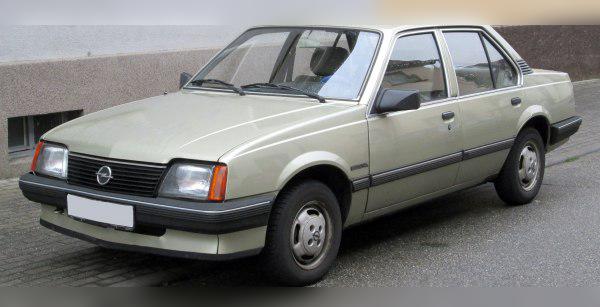
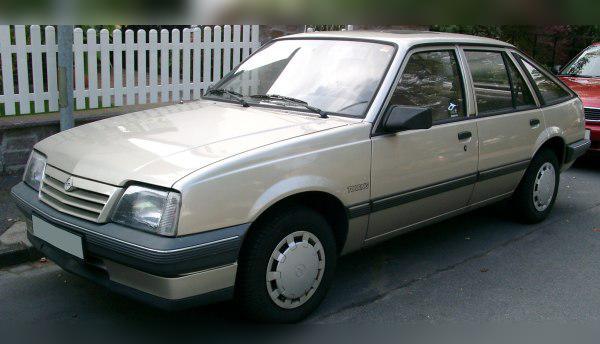
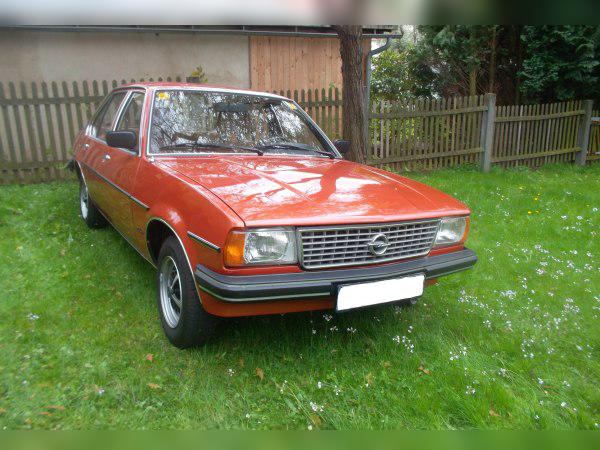
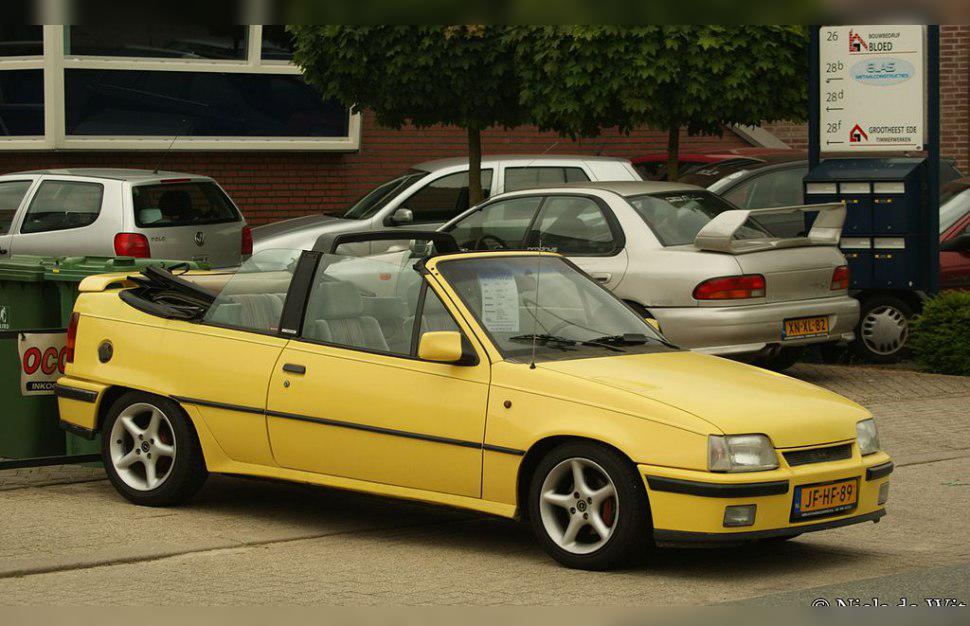
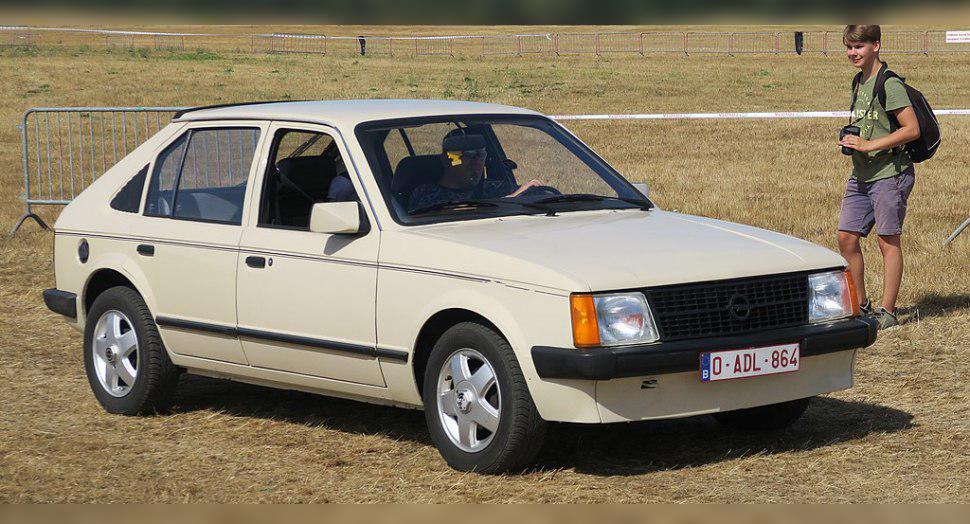
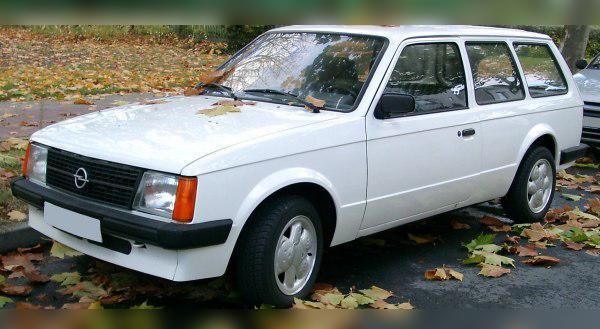
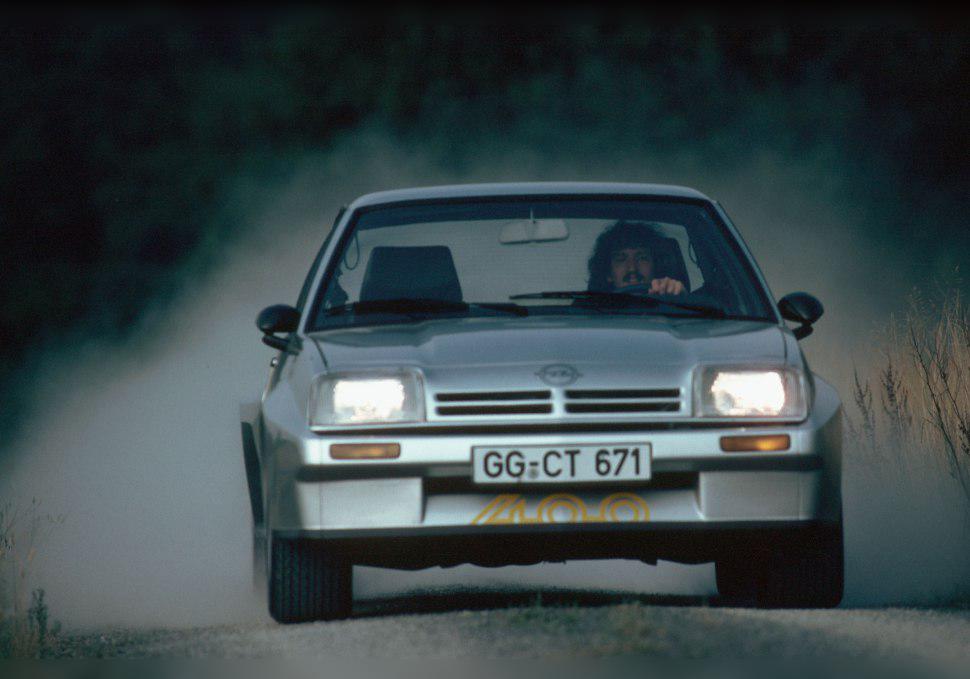
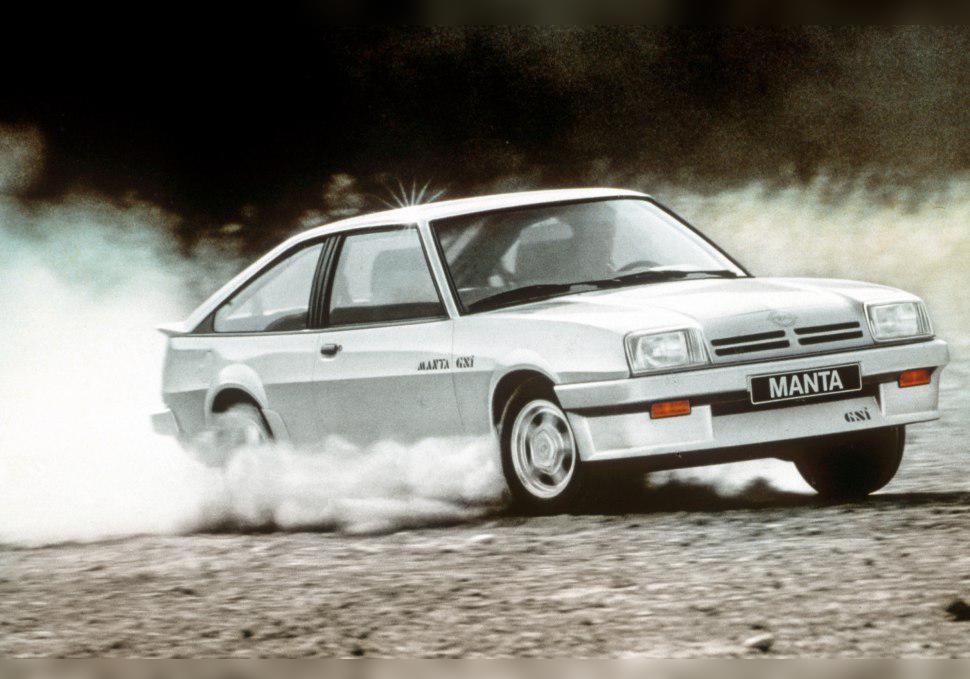
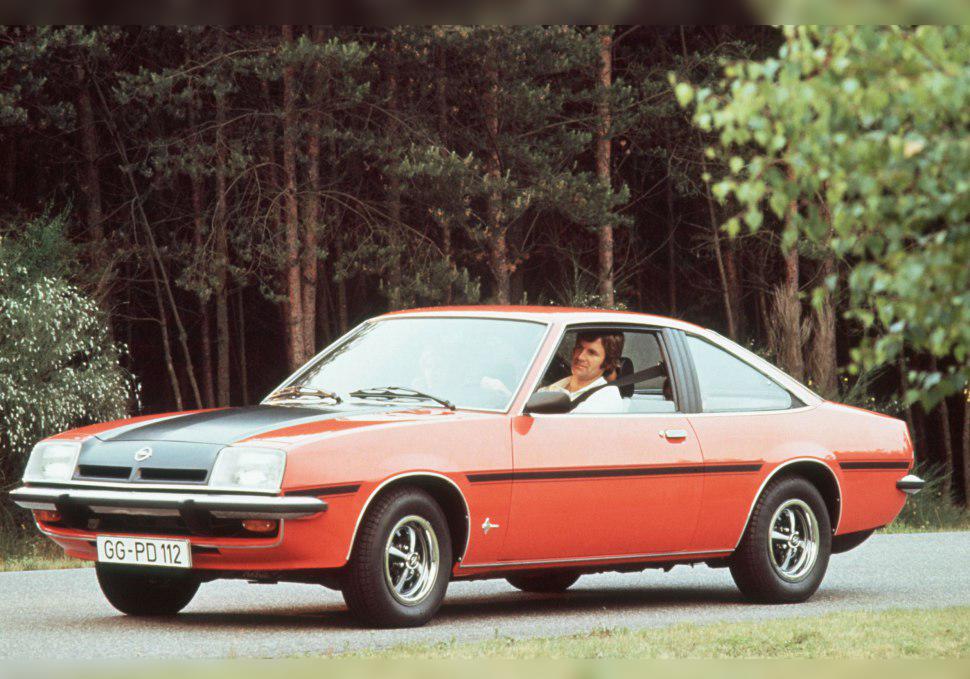
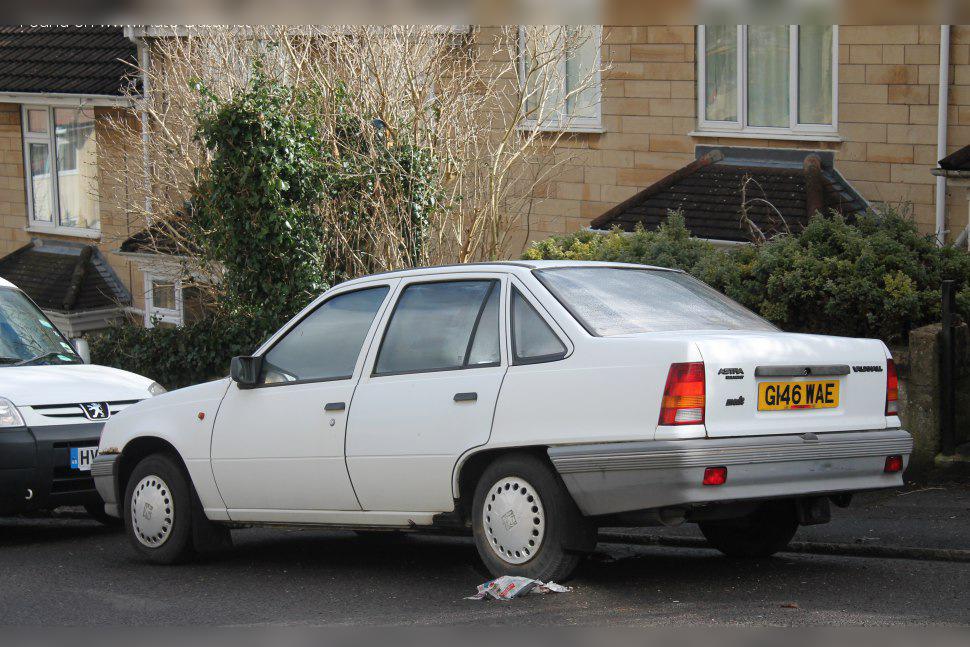
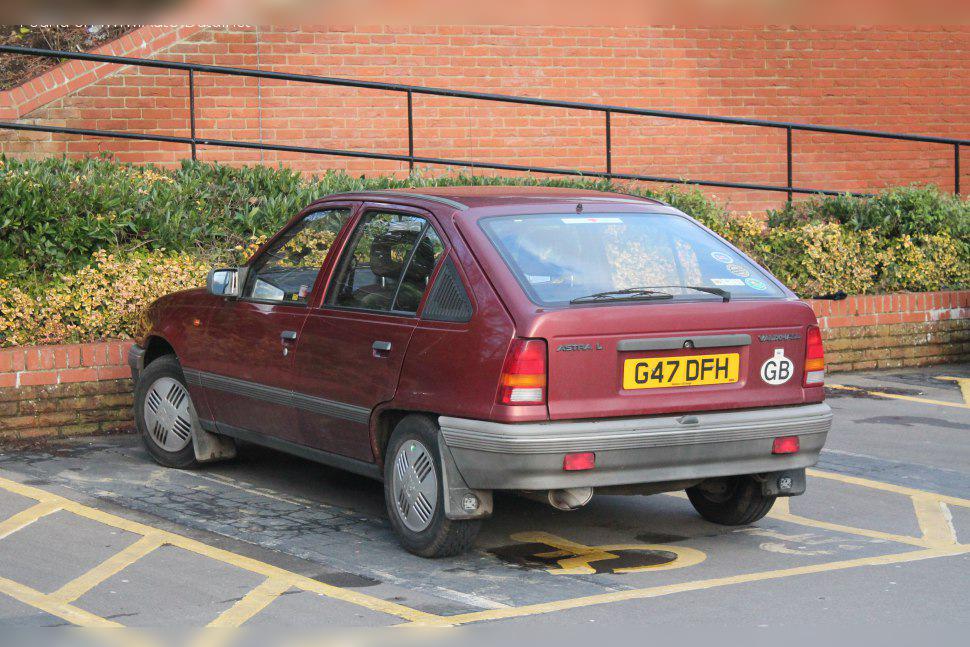
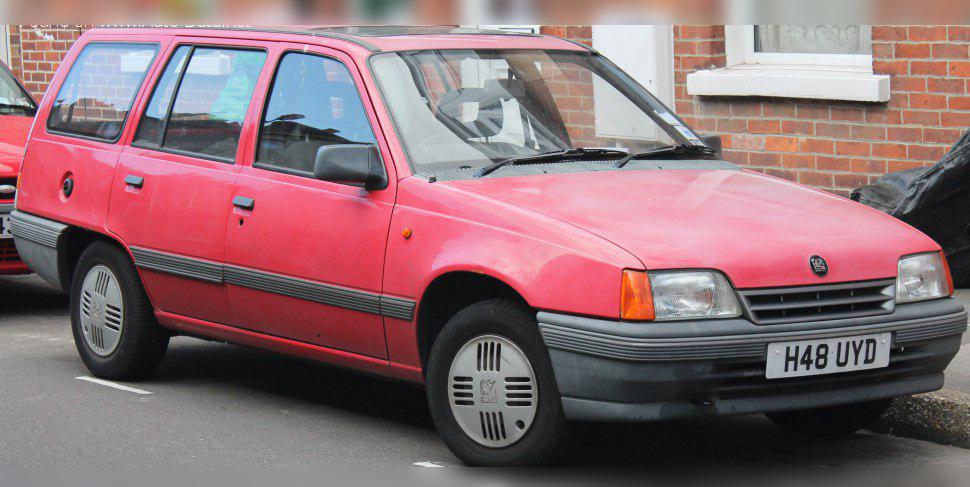
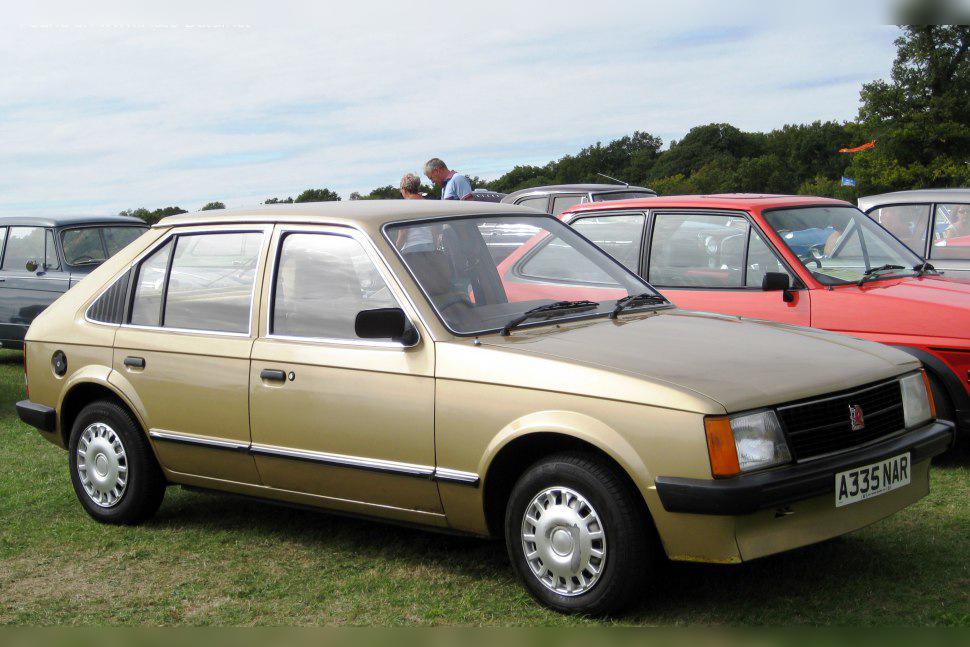
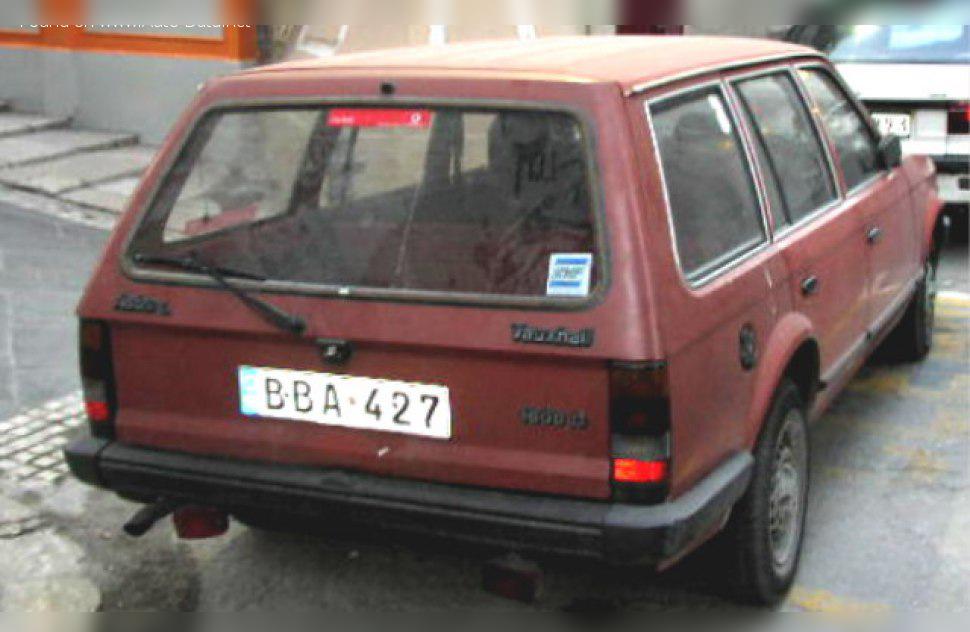
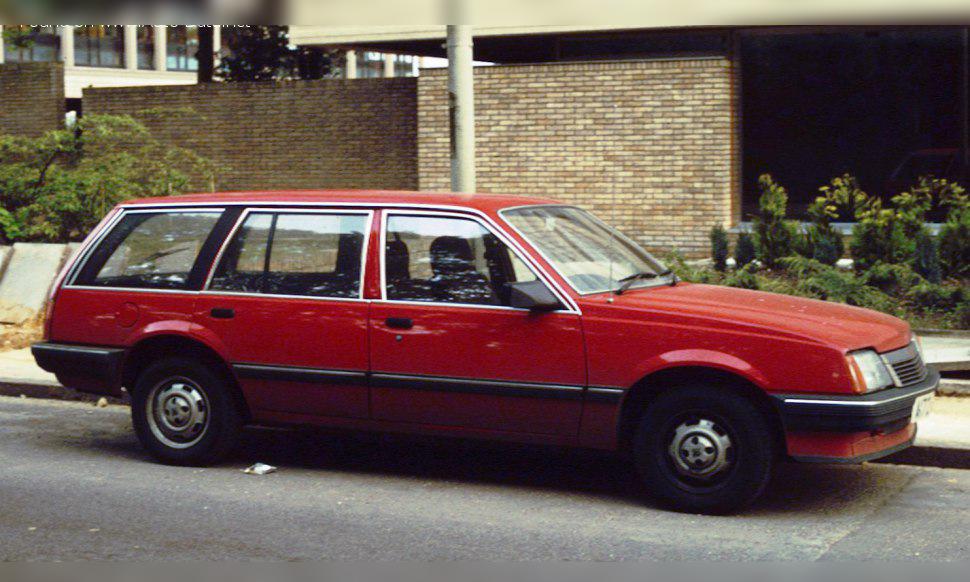
The engine designated as 13S (and its later 13SC modification) is one of the most important Opel and Vauxhall powerplants from the eighties. It belongs to the famous “Small Block” OHC (Overhead Camshaft) engine family. It was fitted to icons of its time such as the Opel Kadett D and E, Ascona B and C, the sporty Manta B, as well as their Vauxhall twins (Astra, Cavalier). Its goal was clear: to offer decent performance (for that era) with maximum simplicity of maintenance. This is a classic petrol engine with eight valves and a single overhead camshaft, which today we mostly see under the bonnets of oldtimers and youngtimers.
Technical specifications
| Specification | Data |
|---|---|
| Displacement | 1297 cc |
| Power | 55 kW (75 hp) |
| Torque | 96 Nm |
| Engine codes | 13S, 13SC |
| Fuel system | Carburettor (most often Pierburg or Solex) |
| Aspiration | Naturally aspirated |
Reliability and maintenance
Timing drive: timing belt
This engine uses a timing belt to drive the camshaft, not a chain. In terms of design, although some of the lower-powered engines from this series are “non-interference” (they don’t bend valves if the belt snaps), the 75 hp version, due to its higher compression ratio, usually requires serious attention, because a broken belt can lead to piston-to-valve contact. The major service (replacement of belt, tensioner and water pump) is, according to the factory, done at around 60,000 km or every 4 to 5 years. Parts for the major service are very cheap (depends on the market).
Most common failures and weak points
As an engine that is now in its third or even fourth decade, most problems are related to the age of components and peripheral devices, rather than the core bottom-end mechanics. The most common issues include: Carburettor problems: The automatic choke system often sticks, vacuum hoses crack, which leads to rough idle, hesitation when you press the throttle and increased fuel consumption. Oil leaks: Opel OHC engines from this period are known for the deterioration of the cork valve cover gaskets. They also often weep around the oil pan and the camshaft and crankshaft oil seals. Distributor issues: Contact breaker points (on the earliest versions) or the cap, rotor arm and ignition module on later ones are sensitive to moisture and wear, which results in misfiring and no-start conditions.
Oil and service intervals
This engine takes about 3.5 litres of engine oil. Due to older tolerances, it is recommended to use higher-viscosity oils such as 10W-40 (semi-synthetic) or even 15W-40 (mineral) during summer months for older examples with high mileage. The minor service is done every 10,000 km or once a year.
Oil consumption
Yes, the 1.3S definitely consumes oil between services. Due to hardened valve stem seals (typical for these engines), you may notice bluish smoke on cold start. Consumption of 0.3 to even 0.8 litres per 1000 km is often considered “normal” for such an old engine before the owner decides to overhaul the cylinder head (replace valve stem seals and piston rings).
Spark plugs
Since this is a petrol engine without modern coil-on-plug ignition, it uses classic copper spark plugs. Replacement is recommended every 20,000 to 30,000 km. Symptoms of worn plugs are hard cold starts, loss of power and jerking under load.
Specific parts (costs)
Clutch and fuel system
The engine is paired exclusively with gearboxes that use a solid (conventional) flywheel. So there is no expensive dual-mass flywheel, which greatly reduces maintenance costs. As for the fuel system, there are no high-pressure injectors here; the fuel–air mixture is prepared in a carburettor. Maintenance comes down to cleaning the jets in the carburettor and replacing the float and diaphragm.
Modern emission components
This engine is pure analogue mechanics. It has no turbocharger (let alone two), no intercooler, no DPF filter, no EGR valve (in the modern sense) and of course no AdBlue system. Consequently, there is absolutely none of the expensive emission and sensor systems that plague today’s drivers.
Fuel consumption and performance
Real-world fuel consumption
Depending on the condition of the carburettor, real-world consumption in city driving is between 8.5 and 10.5 l/100 km. On open roads (single carriageways), consumption can drop to a very reasonable 6.0 to 7.0 l/100 km.
Driving behaviour and motorway use
Is the engine “lazy”? That depends entirely on the car it’s installed in. In a Kadett D or E (weighing around 900 kg), 75 hp feels quite lively and the car responds well to the throttle. However, in heavier cars such as the Ascona C or Manta B, especially with passengers on board, the engine shows signs of lacking torque (only 96 Nm) and requires frequent downshifts on inclines.
On the motorway, at 130 km/h, this engine is not in its natural habitat. Due to short gearbox ratios (especially with 4-speed versions), at 130 km/h the revs are between 3500 and 4000 rpm. It is quite noisy in the cabin, and fuel consumption quickly rises above 8 l/100 km.
Additional options and modifications
LPG installation
This engine is perfect for LPG conversion. Since it has a carburettor and a metal intake manifold, the simplest and cheapest venturi LPG system (without electronic injectors) is installed. If the spark plugs and leads are in good condition, the engine runs very smoothly on gas and the economy is excellent. Installation costs are affordable (depends on the market).
Remapping (Stage 1)
Remapping this engine is absolutely impossible. The engine has no ECU (engine control unit) that manages mixture and ignition; everything is done mechanically via the carburettor and distributor. Power gains can only be achieved through classic mechanical tuning: installing a hotter camshaft, Weber twin-choke carburettors and a freer-flowing exhaust, which is reserved for enthusiasts.
Gearbox and drivetrain
Types of gearboxes and failures
The most commonly fitted units are the famous Opel F10 and F13 manual gearboxes (with 4 or 5 speeds). More rarely, in models like the Ascona, you can find the old 3-speed automatic gearbox (usually the THM180). The manual gearboxes are virtually indestructible when it comes to the actual gearsets. The most common failure is play in the gear selector linkage. Over time, the plastic bushes wear out, so the shifter becomes vague, as if you’re stirring a pot with a wooden spoon, and engaging first and second gear becomes difficult. On the automatics, age-related issues with the valve body and ATF leaks are the main problems.
Clutch and gearbox service
As mentioned, there is no dual-mass flywheel. One engineering masterpiece of Opel gearboxes from this era (especially the F10/F13 series) is that they have a service cover for quick clutch replacement. An experienced mechanic can replace the clutch disc and release bearing in under an hour, without removing the entire gearbox! The price of a clutch kit is very low (depends on the market). As for gearbox oil, although Opel once claimed it was “lifetime fill”, it is now recommended to change it every 60,000 km, or at least perform a thorough check and top-up if there are leaks at the driveshaft seals.
Buying used and conclusion
What to check before buying?
When buying a car with the 13S engine today (either for restoration or as an oldtimer), make sure to check the following:
- Cold start behaviour: Does the carburettor automatically raise the revs (choke) and then lower them once the engine warms up? If it stalls and dies, a carburettor overhaul awaits you.
- Blue smoke from the exhaust: Have someone drive behind you, especially during engine braking and then reapplying the throttle. If it blows a cloud of blue smoke, the valve stem seals and piston rings are worn.
- Oiliness on the engine: Check the area around the distributor and below the valve cover. Although it’s an easy fix, it lowers the car’s price.
- Cooling system: Squeeze the thick radiator hoses. If they are extremely hard, and there are traces of oil or a “mayonnaise-like” mixture in the coolant reservoir, the head gasket has failed.
Conclusion: Who is this engine for?
Opel’s 1.3S (13SC) engine is no longer suited to someone looking for a daily driver to cover 30,000 km a year on motorways. This is a powerplant for true lovers of retro cars, enthusiasts and hobby mechanics. It delivers that raw, unfiltered eighties driving feel, where every sound from under the bonnet has its own meaning. It is extremely easy to work on, parts are affordable, and thanks to its simple design, with regular oil and filter changes it will outlive many much more modern engines.