Opel 16S (75 HP) engine: Experiences, problems, fuel consumption and buying used
The most important in short (TL;DR):
- Indestructible CIH (Cam In Head) architecture with a timing chain that rarely fails.
- No expensive modern parts: no dual-mass flywheel, turbocharger, DPF or EGR valve.
- The fuel supply system is carbureted, which requires an old-school mechanic for proper adjustment.
- Fuel consumption is high by today’s standards, especially in city driving (10+ l/100km).
- Ideal for installing a cheap LPG system.
- Maintenance is very cheap, but finding specific body parts for the cars it was fitted to is becoming a challenge.
Contents
- Introduction: Old-school Opel engineering
- Technical specifications
- Reliability and maintenance
- Specific parts (costs)
- Fuel consumption and performance
- Additional options and modifications
- Gearbox and drivetrain
- Buying used and conclusion
Introduction: Old-school Opel engineering
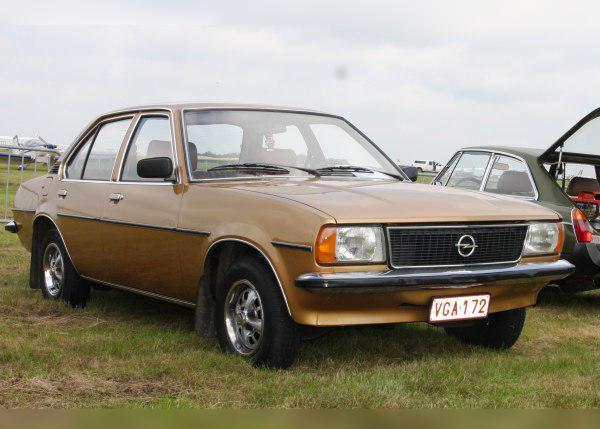
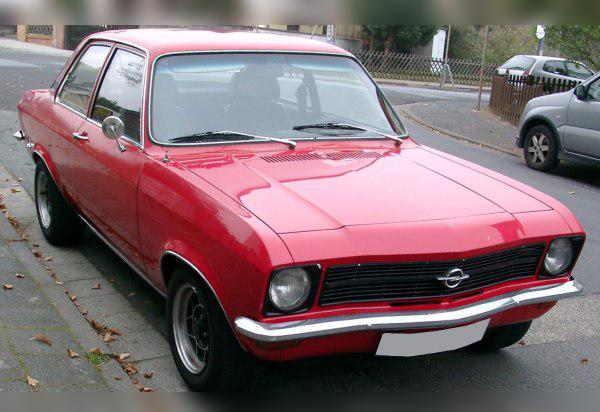
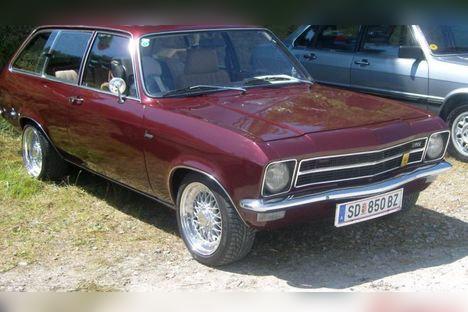
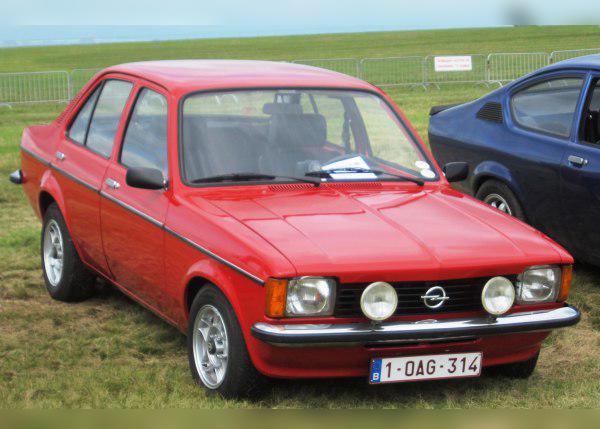
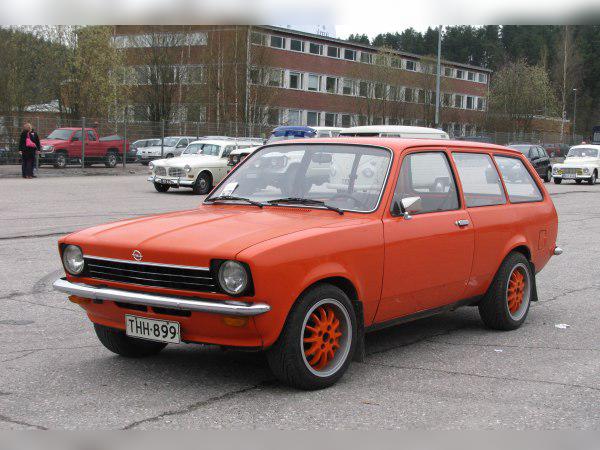
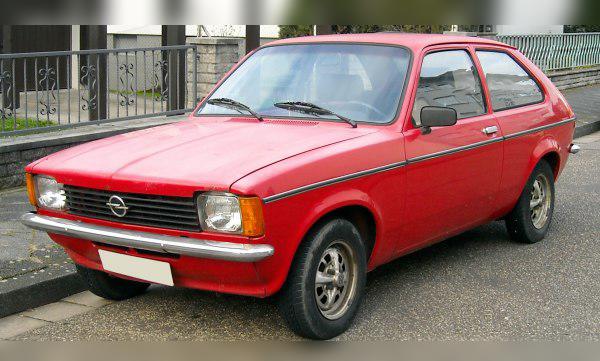
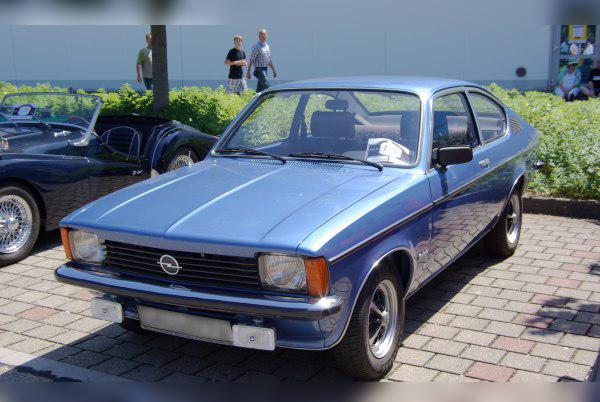
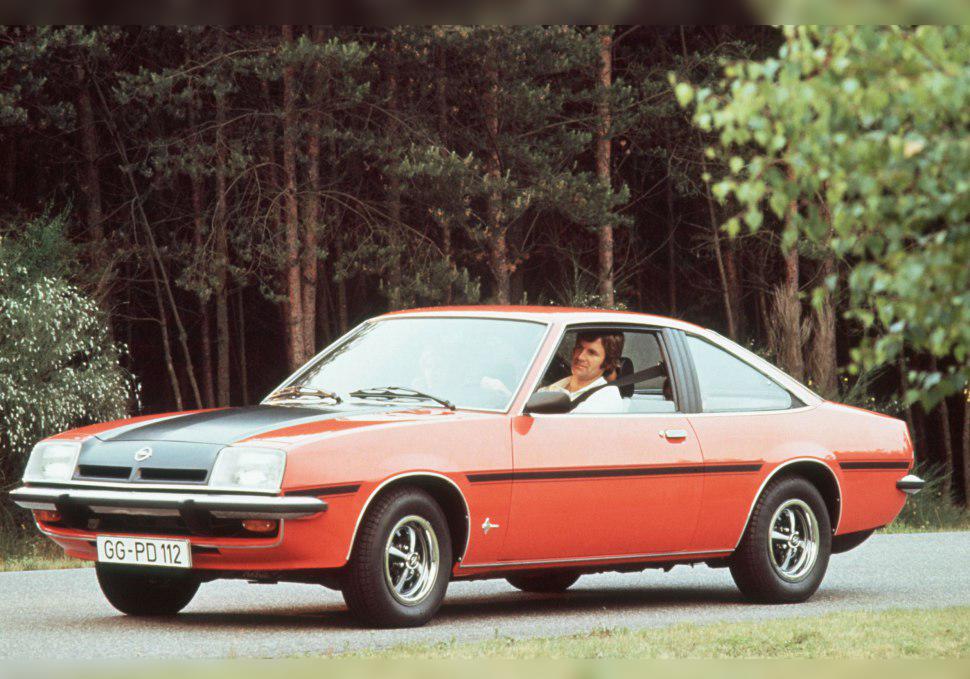
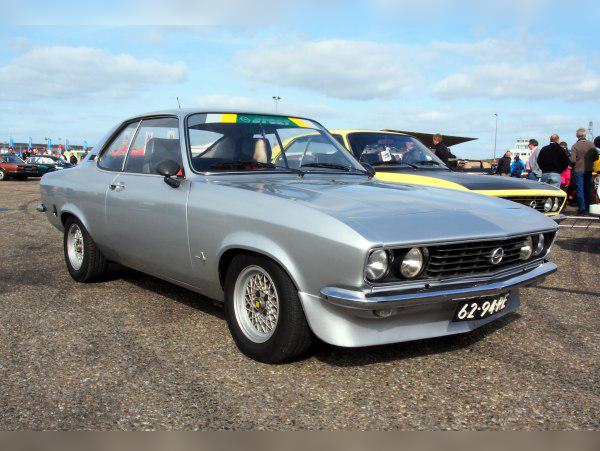
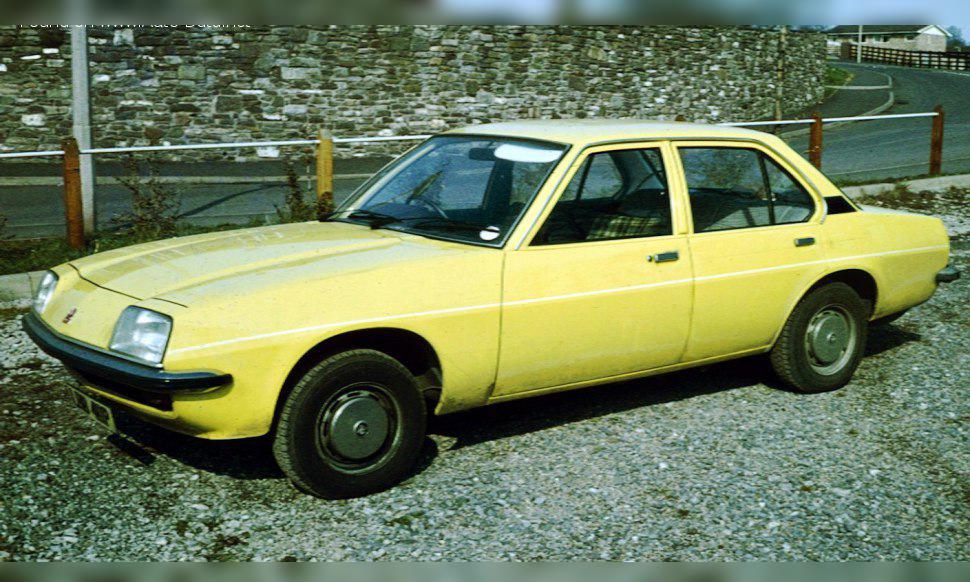
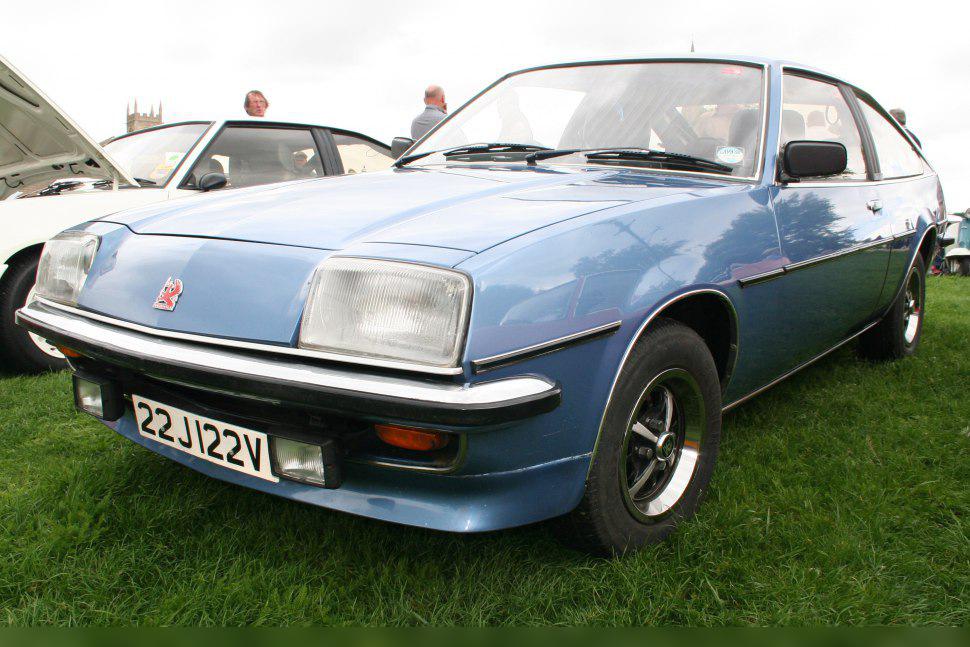
Opel’s 16S engine is a true mechanic’s classic from the seventies and eighties. The "S" designation stood for "Super", meaning a higher compression ratio compared to the weaker "N" (Normal) versions, which required higher-octane fuel of the time. This engine belongs to the famous CIH (Cam In Head) engine family, where the camshaft is located in the head, but next to the valves rather than directly above them. It was installed in legendary rear-wheel-drive models such as the Opel Kadett C, Ascona A/B, Manta A/B and Vauxhall Cavalier. Today these cars are considered classics, and the 16S engine is the heart that, with basic maintenance, still drives them reliably.
Technical specifications
| Parameter | Data |
|---|---|
| Engine displacement | 1584 cc |
| Power | 55 kW (75 HP) |
| Torque | 113 Nm |
| Engine codes | 16S (CIH) |
| Fuel system type | Carburetor (most often Solex or Zenith) |
| Intake type | Naturally aspirated |
Reliability and maintenance
Timing belt or chain?
This engine uses a massive, short duplex chain to drive the camshaft. The traditional "major service" as we know it on modern cars simply doesn’t exist here. The chain is designed to last as long as the engine itself. It is replaced only if a specific metallic rattling noise appears, which is rare and usually happens only at enormous mileage. A major service basically comes down to replacing the V-belt that drives the water pump and alternator, which is an extremely cheap job.
Most common failures
This engine is mechanically almost indestructible, but time takes its toll. The most common problems are related to the peripherals. The distributor (contact breaker points and condenser) requires regular adjustment of the gap. Due to material age, the valve stem seals often harden, causing the engine to burn oil and emit bluish smoke when you release the accelerator pedal. Also, membranes and gaskets in the carburetor can fail, leading to fuel flooding, hard starting and rough idle.
Oil and spark plugs
The engine takes about 3.5 to 3.8 liters of oil. Because of the older tolerances and design, it is absolutely recommended to use thicker mineral oils, most commonly 15W-40 or 20W-50. Synthetic oils can cause leaks on old seals and a loss of oil pressure. Some oil consumption is normal; the factory used to tolerate up to 1 l/1000 km, but on a healthy engine you can expect around 0.2 to 0.5 liters between changes (every 7,000 to 10,000 km). Spark plugs are replaced relatively often due to the older ignition system – recommended every 15,000 to 20,000 km.
Specific parts (costs)
If you’re coming from the world of modern cars, the 16S will amaze you with its simplicity.
- Flywheel and clutch: There is no dual-mass flywheel. A classic, heavy solid flywheel is used. A clutch kit (pressure plate, disc, release bearing) is affordable and replacement is not expensive (depends on the market).
- Fuel system: There are no high-pressure injectors or sensitive pumps. A carburetor is responsible for mixing fuel and air. Rebuilding the carburetor (replacing jets, float and gaskets) is cheap in terms of parts, but the main problem is finding an experienced mechanic who knows how to adjust and synchronize it properly.
- Emissions and turbo: This engine has no turbocharger, no DPF filter, no EGR valve and no AdBlue system. It’s pure, raw mechanics, which drastically reduces potential maintenance costs.
Fuel consumption and performance
City driving and body weight
Although 75 HP on paper sounds modest today, 113 Nm of torque available at low revs provides decent flexibility. In lighter models such as the Opel Kadett C (weighing around 900 kg), this engine is very lively and agile. In heavier bodies (Ascona, Manta, Cavalier), the engine isn’t "lazy", but don’t expect sports-car acceleration – it plays the role of a reliable workhorse instead. Real-world consumption in city conditions easily reaches 10 to 12 l/100km, depending on the condition of the carburetor and how heavy your right foot is.
Behavior on the motorway
This engine was not designed for modern motorway cruising at high speeds. Combined with the then-standard 4-speed gearboxes, at a speed of 130 km/h the engine spins at a high 3,800 - 4,200 rpm (depending on the final drive ratio). Cabin noise then becomes quite pronounced and fuel consumption rises sharply. The natural comfort zone for this engine on open roads is around 90–100 km/h.
Additional options and modifications
LPG installation
Given that this is a carbureted engine with an iron head and block, it is extremely suitable for LPG conversion. The simplest "venturi" (vacuum) system is used, installed directly on the carburetor. The installation cost is very low, and the engine runs very smoothly on gas. The valves are thick and durable, so there is no need for additional valve lubrication systems (Flashlube).
Chipping (Stage 1)
Forget about "chipping". This engine has no ECU (engine control unit), which means there is no map that could be altered via software. Power increases are done exclusively by mechanical means: installing twin Weber carburetors (e.g. DCOE 40), hotter camshafts, cylinder head work (porting) and a sports exhaust system. This kind of mechanical tuning is enthusiast-oriented and can be very expensive (depends on the market).
Gearbox and drivetrain
Types of gearboxes and maintenance
The 16S was most commonly paired with robust 4-speed manual gearboxes, while later versions (or owner modifications) received 5-speed Getrag gearboxes. A 3-speed automatic gearbox (usually GM TH180) was also available. Manual gearboxes are extremely durable; the most common issues are oil leaks at the seals and worn-out rubber bushings on the shift linkages (which causes imprecise shifting). On old automatics, the main problem is age – they become sluggish and fuel consumption increases with them. The oil in the manual gearbox (most often SAE 80W or a similar old specification) should be checked and is best replaced every 60,000 km or every 5–6 years due to moisture absorption. The automatic gearbox requires ATF oil and filter changes every 40,000 to 50,000 km.
Buying used and conclusion
When buying a car with an Opel 16S engine, there is no OBD cable diagnostics. Your senses are the only diagnostic tools:
- Listen to the engine when cold: If you hear strong rattling from the front, the chain or chain tensioner is due for replacement. Ticking from the top of the engine indicates that the valve clearances need adjustment.
- Watch the exhaust: Accelerate, then suddenly release the throttle. If you see a cloud of blue smoke, the valve stem seals and guides are worn out. Black smoke indicates an overly rich mixture and a poorly adjusted carburetor.
- Check the coolant: Due to age, the block can corrode from the inside if plain water was used instead of antifreeze. Check whether there is brown sludge in the radiator.
Conclusion: Opel’s 16S engine is not for someone looking for economical point A to point B transport in today’s traffic conditions. This is an engine for classic-car enthusiasts, hobbyists and DIY mechanics. Failures are simple and can be fixed with a screwdriver, a hammer and a 13 mm spanner. If you find a sound body – because on these models the bodywork rusts far faster than the engine wears out – you get a car with huge character, a wonderful sound and reliable mechanics that helped write automotive history.