Opel 16SH 1.6 engine (90 hp) – Experiences, problems, fuel consumption and buying used
Key points in short (TL;DR)
- Old-school mechanics: Extremely simple naturally aspirated petrol engine without complicated electronics.
- Carburetor as the main weak point: Mostly uses Varajet II or Pierburg carburetors whose automatic choke and vacuum hoses have been causing headaches for decades.
- Excellent for LPG: Due to the absence of direct injection, it works perfectly with the simplest and cheapest LPG systems.
- No expensive parts: It has no dual-mass flywheel, turbocharger, DPF, or newer-type EGR valve.
- Oil consumption: Hardened valve stem seals are a common cause of blue smoke and increased oil consumption.
- Performance: A very lively engine for its time, considering it was installed in light bodies (under one ton).
Contents
- Introduction: A legend from the eighties
- Technical specifications
- Reliability and maintenance
- Specific parts and costs
- Fuel consumption and performance
- Additional options and modifications
- Gearbox and drivetrain
- Buying used and conclusion
Introduction: A legend from the eighties
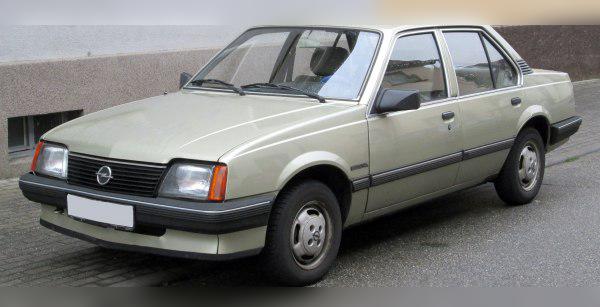
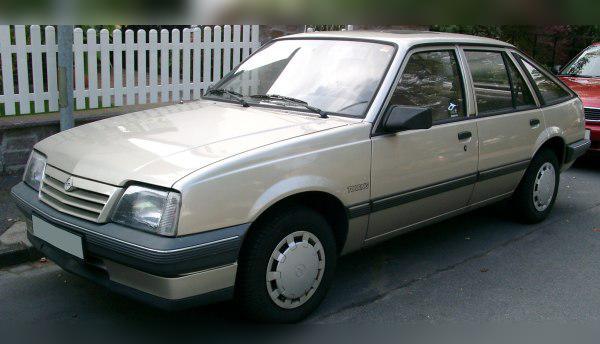
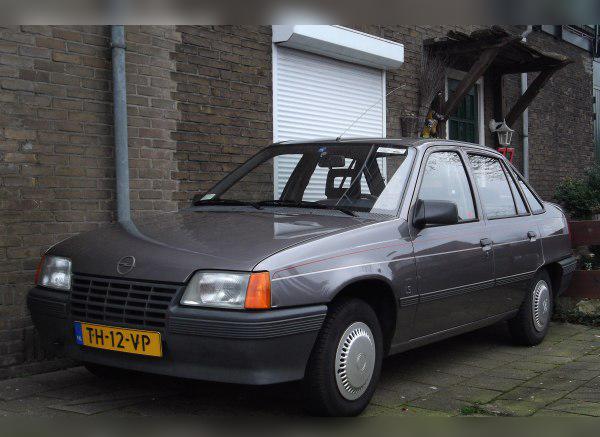
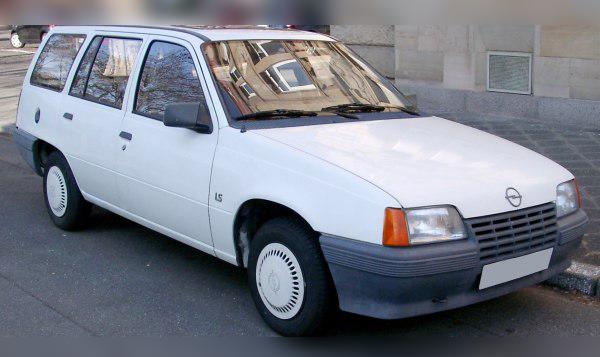
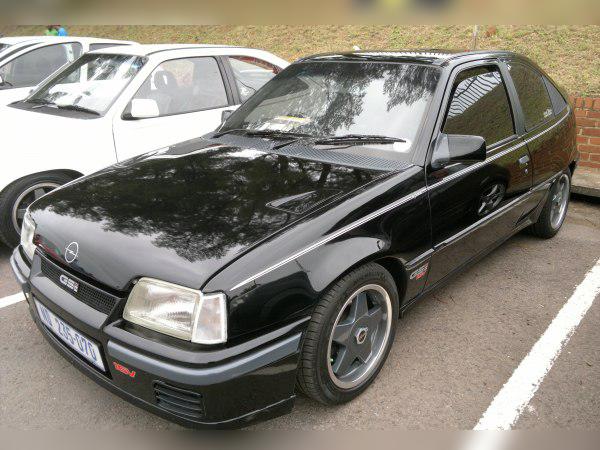
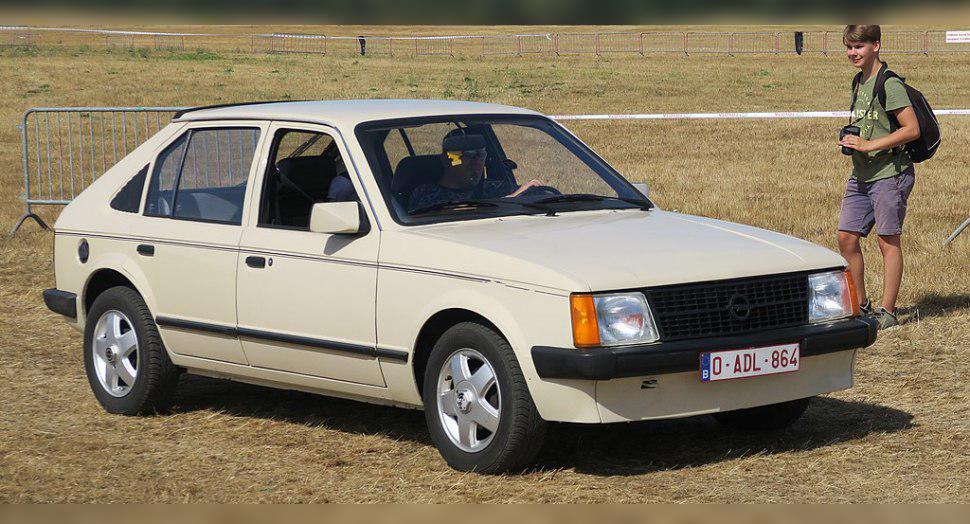
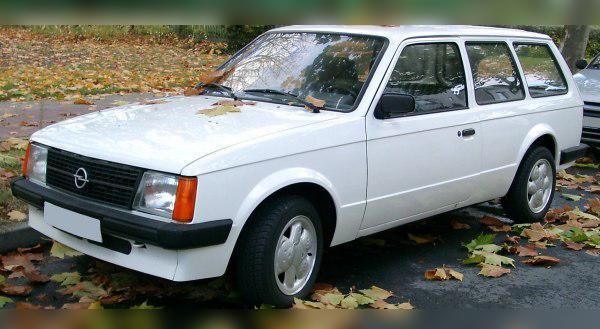
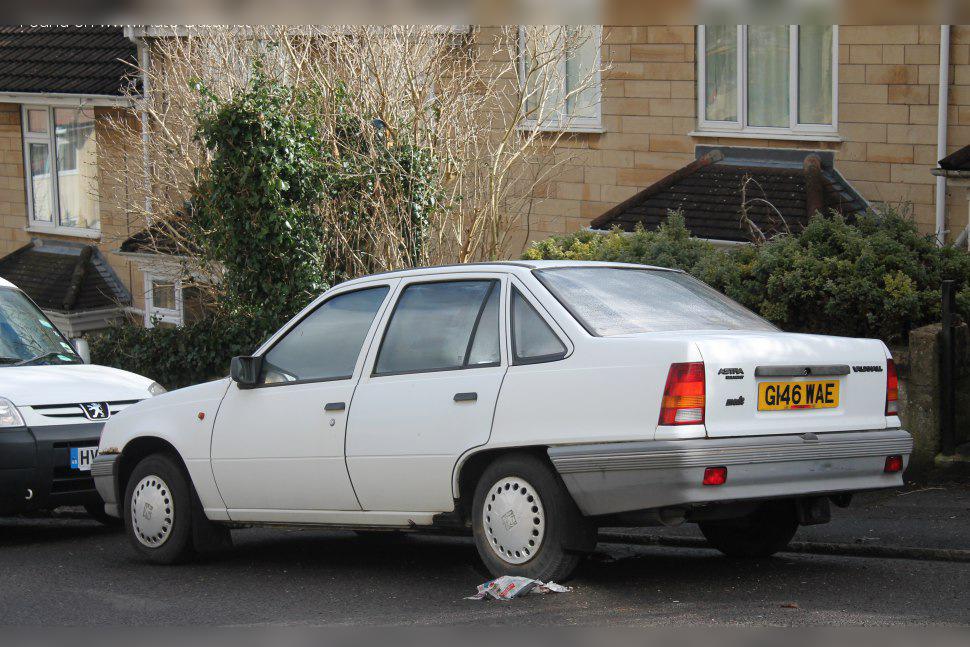
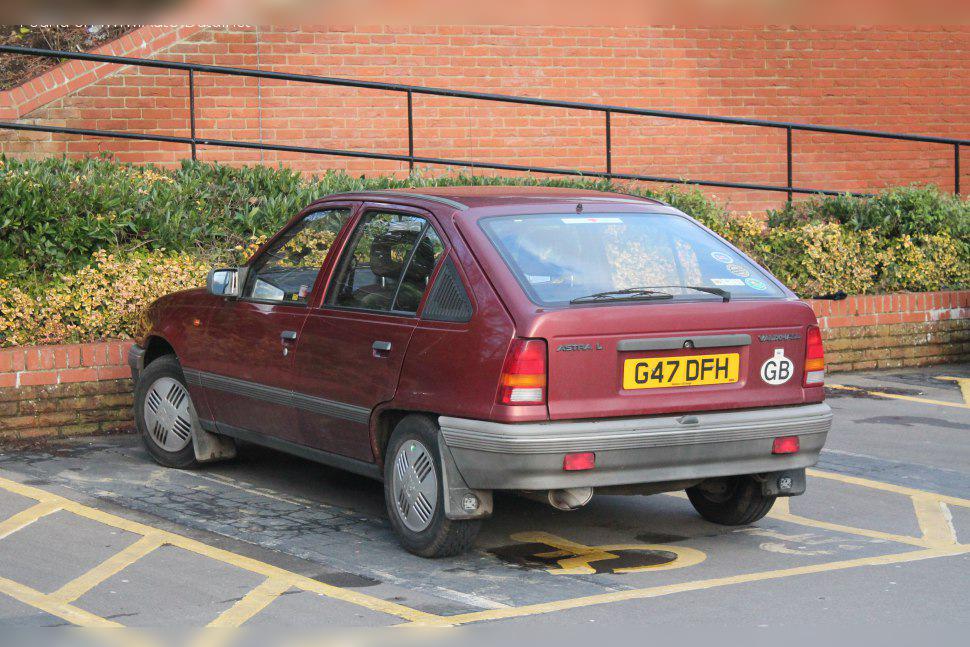
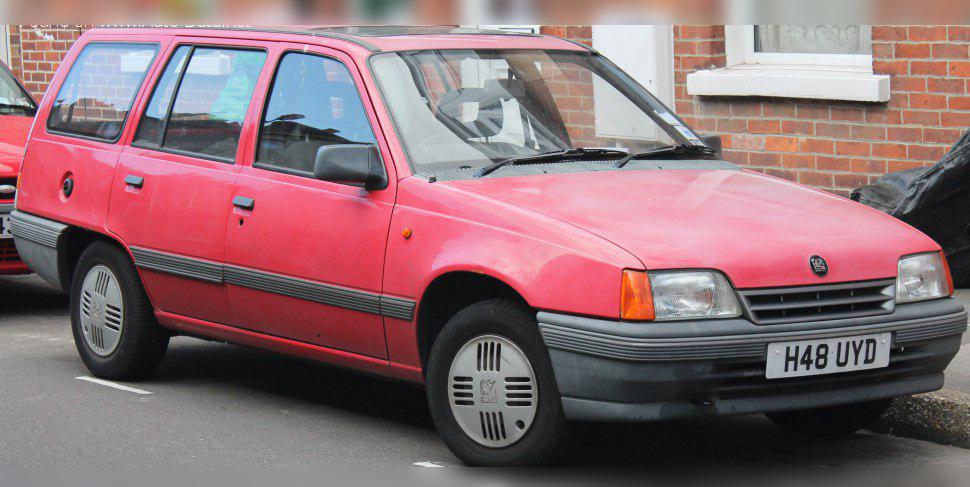
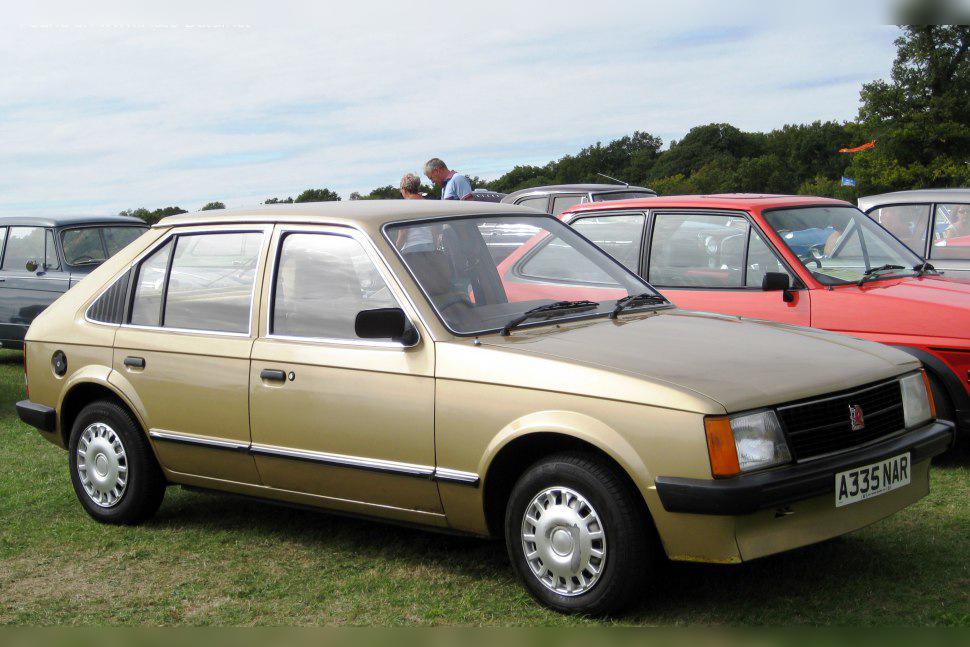
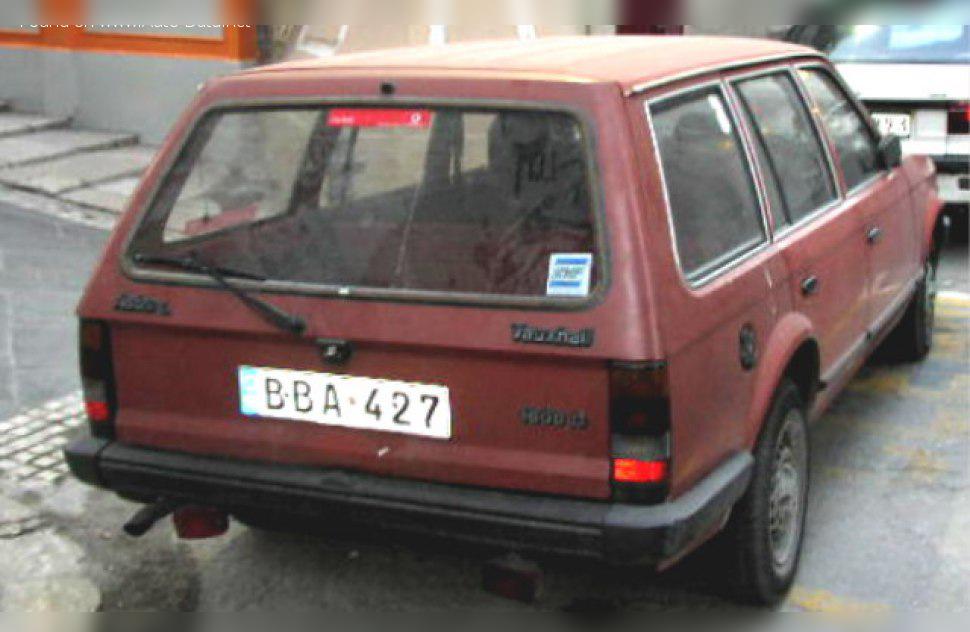
When we talk about the engine with the code 16SH, we go back to the golden age of automotive mechanics. It belongs to Opel’s famous "Family II" (OHC) generation of overhead camshaft engines. During the eighties, this unit was the heart of many popular models such as the Opel Kadett D and E, Ascona C, as well as their British twins from the Vauxhall range (Astra Mk II, Belmont). The letter "S" in the code indicates a higher compression ratio compared to standard versions, while "H" suggests higher output. For that time, extracting 66 kW (90 hp) from a 1.6-liter displacement without a turbocharger was a sign of serious engineering. Although today it is a relic of the past, understanding this engine is crucial for classic car enthusiasts and those who keep these indestructible machines alive.
Technical specifications
| Specification | Data |
|---|---|
| Displacement | 1598 cc |
| Engine power | 66 kW (90 hp) |
| Torque | 123 Nm |
| Engine code | 16SH |
| Fuel system | Carburetor (most commonly GM Varajet II or Pierburg 2E) |
| Intake type | Naturally aspirated |
| Camshaft drive | Timing belt |
Reliability and maintenance
The 16SH engine is structurally extremely robust, but given its age, maintenance is everything. Valve timing is driven by a timing belt. Replacement intervals used to be more forgiving, but due to material aging and structural fatigue, a major service is now strictly recommended every 60,000 km or at most every 5 years. If the belt snaps, most OHC engines of this generation can suffer valve-to-piston contact, so this is not something to gamble with.
The oil sump capacity is about 4.0 liters of oil (including the filter). The factory-recommended grade is 10W-40 semi-synthetic, although many mechanics pour 15W-40 mineral oil into worn engines to reduce consumption. And when it comes to oil consumption – it is almost guaranteed. The most common mechanical failure is valve stem seals, which harden with age. Because of this, the engine draws oil into the combustion chamber, which the driver notices as heavy blue smoke from the exhaust on cold start or when accelerating after engine braking. Consumption of 0.5 liters per 1000 km on engines this old is often considered "normal", but it is a sign that it’s time to refresh the cylinder head. Piston rings also wear, but the bottom end (crankshaft, bearings) is known for its longevity.
Since this is an older-generation petrol engine, the ignition system includes a distributor, leads and spark plugs. Spark plugs should be replaced every 30,000 km to avoid jerking while driving and to protect the ignition coil. The system does not use injectors as we know them from modern cars, so there are simply no issues with expensive injectors.
Specific parts and costs
One of the biggest advantages of this engine compared to modern units is the absence of expensive, sensitive components. The 16SH has no dual-mass flywheel – power is transmitted to the gearbox via a classic, durable solid flywheel and a simple clutch kit, which is very affordable – replacement is not expensive (depends on the market).
As mentioned, there are no modern injectors. Fuel mixture preparation is handled by a carburetor. And this is actually the most problematic point of this engine. Whether it is the original GM Varajet II or a replacement Pierburg, over the years problems arise with the automatic choke, misadjusted float, membranes and cracked vacuum hoses. Symptoms include rough idle, stalling when the engine is cold, bogging on sudden throttle input and high fuel consumption. Repair often requires a specialized carburetor mechanic, who are increasingly rare today.
This unit breathes air naturally – it has no turbocharger. As expected for an engine from a period when ecology was not a major concern, it has no DPF filter, no AdBlue system, and no complex electronic EGR valves like those seen from Euro 3 standards onwards.
Fuel consumption and performance
A 90 hp engine in a body weighing only about 950 to 1050 kg (such as a Kadett E or Ascona C) means that this car is absolutely not sluggish. In fact, throttle response (thanks to the mechanical cable and carburetor) is instant, and in city driving the car feels very eager. However, the technology of its era takes its toll at the pump. Real-world city fuel consumption rarely drops below 9.5 to 11 l/100 km, especially in winter when the choke stays on longer.
On the motorway, the situation largely depends on the type of gearbox (some models had only 4 gears, while later ones got 5). With a five-speed gearbox, cruising at 130 km/h happens at a fairly high 3500 to 3800 rpm. The engine then becomes noisy in the cabin, and consumption rises above 8 liters on the open road. It is most comfortable on main roads at speeds up to about 90 km/h.
Additional options and modifications
This engine is a dream for LPG conversion. Since it uses a carbureted system, you can fit the simplest and cheapest Venturi (vacuum) LPG kit (also known as a "mixer" system). If the ignition is properly set, the engine will cover huge mileages on gas without any issues, making driving extremely cheap.
When it comes to tuning, it is important to stress: this engine CANNOT be "chipped" (Stage 1) in the usual sense. It does not have an ECU (engine control unit) that manages fuel maps. Any power increase must be done mechanically – by changing the jets in the carburetor, installing Weber twin carburetors, porting and polishing the intake and exhaust ports in the cylinder head, or fitting a camshaft with a more aggressive profile. Such modifications are expensive today and are done exclusively by fans of old-school tuning.
Gearbox and drivetrain
The 16SH engine was most commonly paired with the famous Opel F16 manual gearbox (in 4- or 5-speed versions, the popular "Wide Ratio" for lower fuel consumption or "Close Ratio" in sportier versions). As an option, there was also a 3-speed automatic gearbox (most often the GM-built THM 125).
The manual gearboxes are virtually indestructible when it comes to gear mechanics. The most common problem is the external linkage – the gear selector (linkage and plastic bushings). Over time, the plastic deteriorates, so the gearbox develops too much play, making it difficult to engage first or second gear (the gear lever "floats"). The repair is quick and falls into the "not expensive (depends on the market)" category. With automatic gearboxes, the problem is age – oil leaks from seals and harsh, rough shifting due to worn friction plates inside the gearbox.
Gears and clutch: As mentioned, there is a solid flywheel. Replacing the clutch kit (pressure plate, disc, release bearing) is a standard procedure and is among the cheaper jobs. As for maintenance, for the manual gearbox it is recommended to visually check the level and replace the gearbox oil at around 80,000 km. For the old automatic, changing the oil and filter in the gearbox is mandatory every 40,000 to 50,000 km to avoid torque converter failure.
Buying used and conclusion
Buying a car with a 16SH engine today is a search for a classic vehicle, not everyday transport. Before you open the hood, the biggest enemy of these cars is not the engine – but rust on the bodywork. As for the engine itself, when buying, check:
- Cold starting in winter: Does the engine start immediately with the choke pulled/active, or does it struggle for air and stall? Problems point to the carburetor.
- Exhaust smoke: Blue smoke when accelerating clearly indicates worn valve stem seals or piston rings.
- Condition of oil and coolant: Check the oil filler cap. A white, mayonnaise-like residue indicates a blown head gasket – which is not uncommon if the engine has been overheated.
- Oil leaks: Crankshaft seals and the valve cover gasket are prone to leaking due to age.
Who is this engine for? It is not for a driver who expects a car with a diagnostic port where a computer tells you what is wrong. The 16SH is for lovers of classic cars, people who want a simple mechanical setup on which they can learn the basics of mechanics themselves. If you find an example with a sound body (Kadett, Ascona) and a properly tuned carburetor (or LPG installed), you will get a reliable, exceptionally long-lived machine – a witness to a time when cars were built to last for decades.