Opel 17DR 1.7 D (60 HP): Experiences, problems, fuel consumption and used car buying guide
- Old-school engine, virtually indestructible and simple to maintain.
- Does not have a dual-mass flywheel, DPF filter, or sensitive electronics.
- Performance is extremely modest; the engine is quite “lazy” by today’s standards.
- Fuel consumption in the city is decent, but on the highway it becomes noisy and inefficient.
- Maintenance and spare parts are very affordable (Depends on the market).
- When buying, the most important things to check are compression on a cold start and the condition of the bodywork.
Contents
- Introduction: A nineties icon
- Technical specifications
- Reliability and maintenance
- Specific parts and systems
- Fuel consumption and performance
- Additional options and modifications
- Gearbox and clutch
- Buying used and conclusion
Introduction: A nineties icon
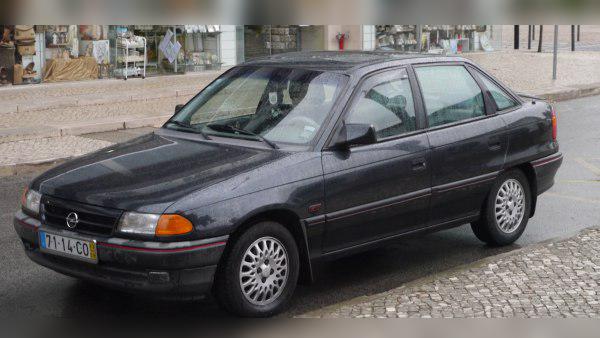
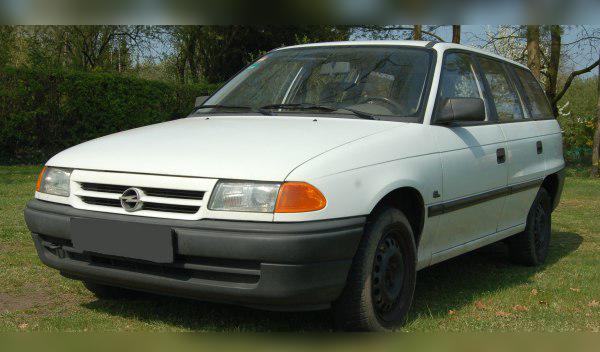
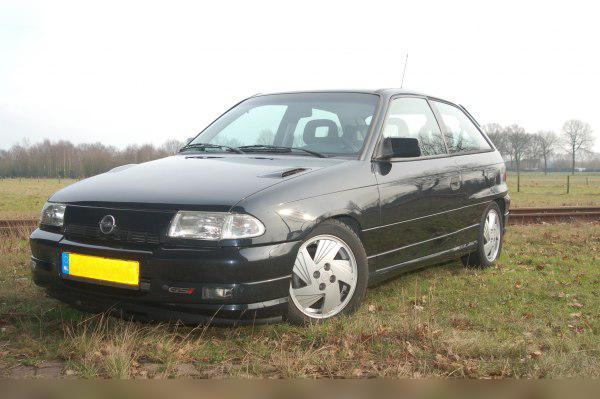
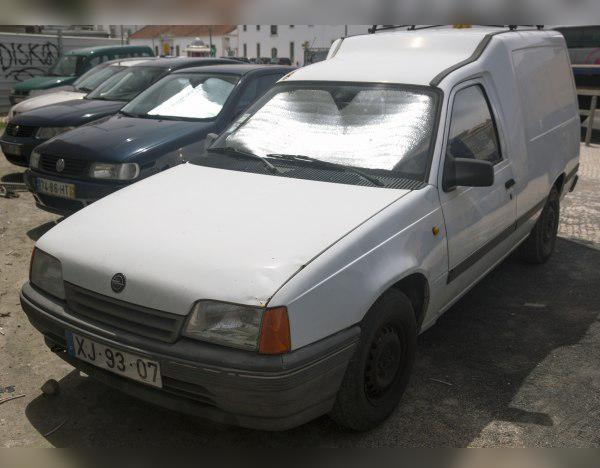
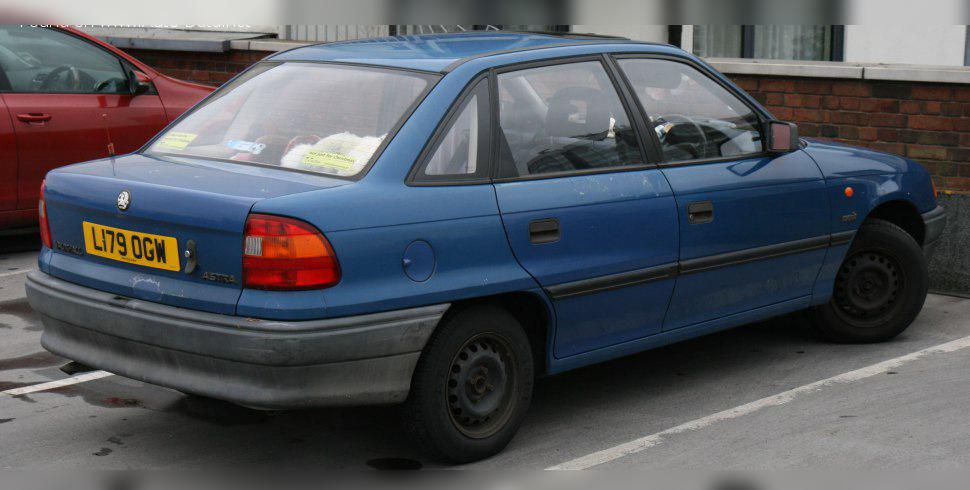
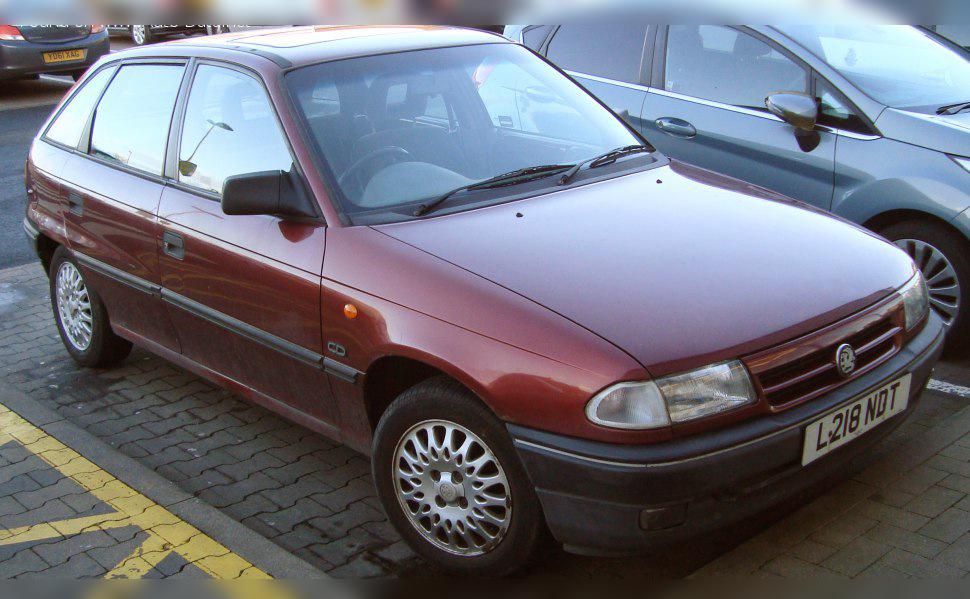
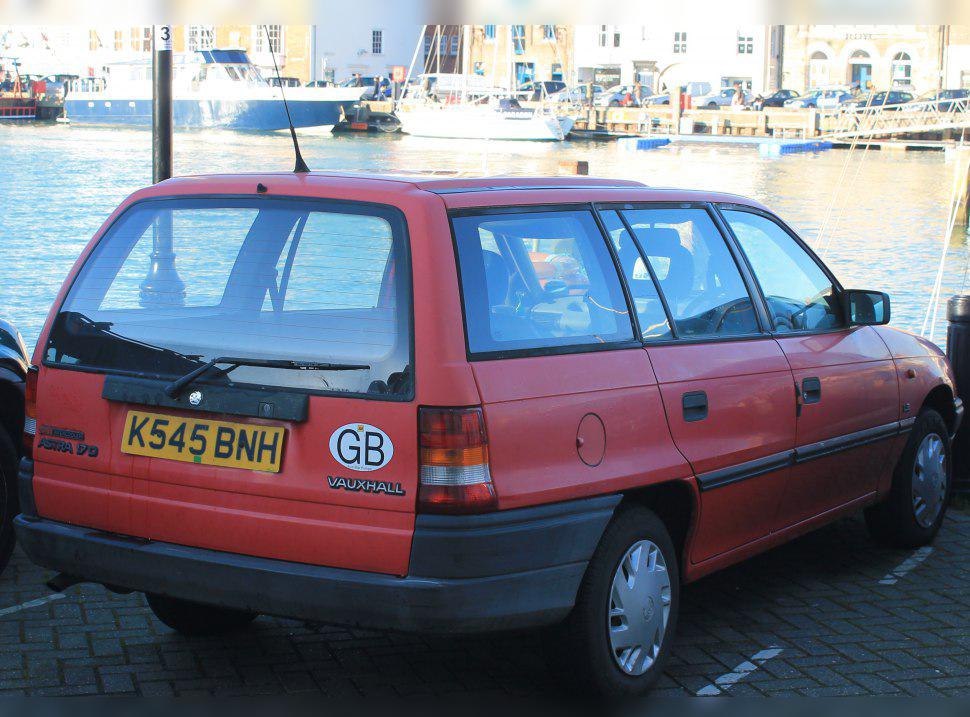
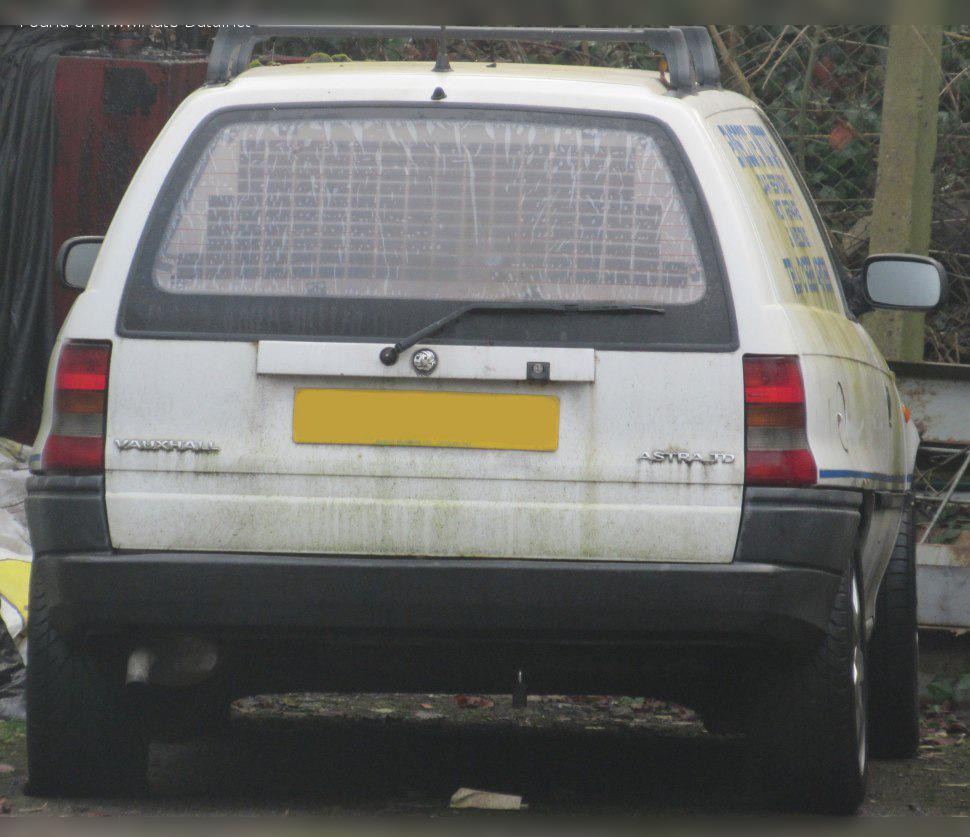
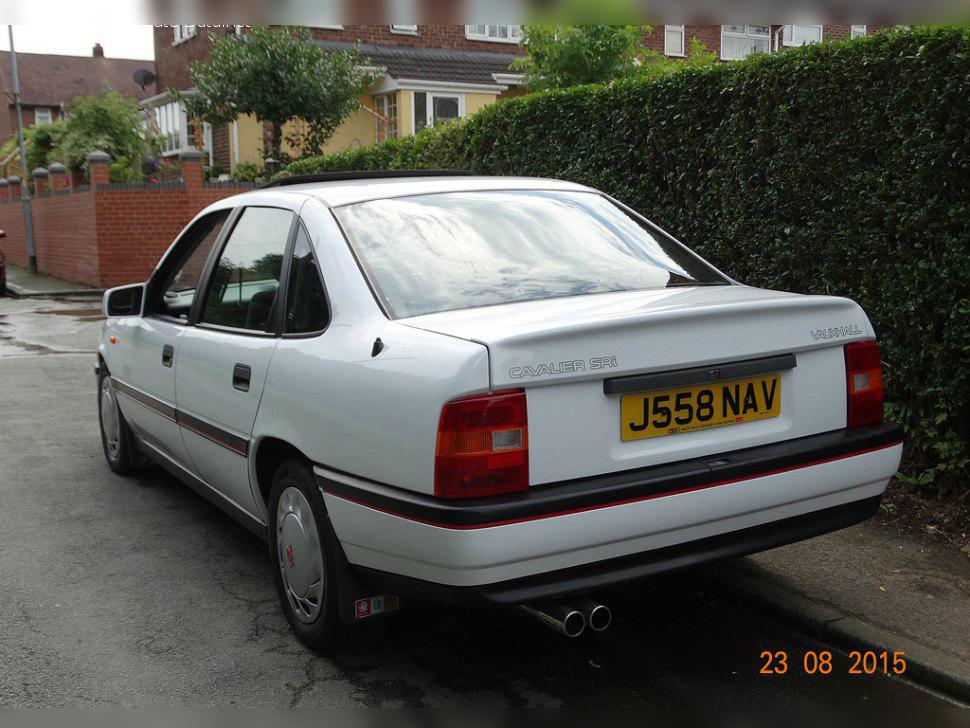
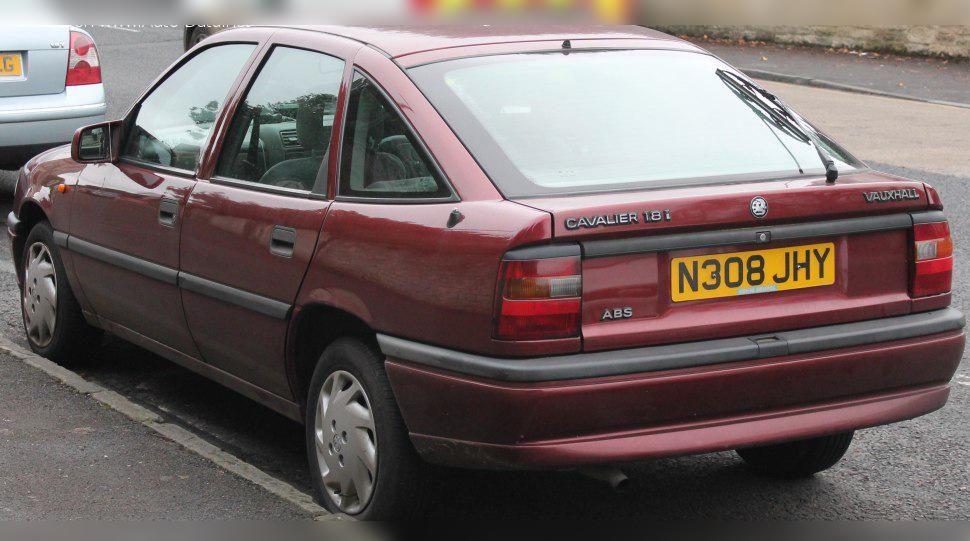
The engine designated as 17DR is a classic naturally aspirated diesel unit with a displacement of 1686 cc that marked an entire era of Opel (and Vauxhall) models throughout the nineties. It is most commonly found under the bonnet of models such as the Opel Astra F (including Caravan and Classic versions), Kadett E Combo, as well as related Vauxhall models (Astra Mk III, Cavalier Mk III). This is an engine from the period before the boom of turbochargers and strict emission standards, designed with a single goal: to cover a huge mileage with minimal maintenance costs. It is intended for drivers for whom reliability is the absolute priority, while speed and driving dynamics are at the very bottom of the list.
Technical specifications
| Parameter | Data |
|---|---|
| Engine displacement | 1686 cc |
| Engine power | 44 kW (60 HP) |
| Torque | 205 Nm |
| Engine codes | 17DR |
| Injection type | Indirect injection (mechanical pump) |
| Intake type (Turbo/Naturally aspirated) | Naturally aspirated |
Reliability and maintenance
Timing system and intervals
This unit uses a timing belt to drive the camshaft. Since this is an older generation engine, it is recommended to perform a major service (replacement of timing belt, tensioner, idler pulleys and water pump) every 60,000 km or at least every 5 years. If the belt snaps, the valves and pistons will collide, which requires serious and costly machining of the cylinder head. Regular maintenance is crucial for longevity.
Most common failures and symptoms
From a mechanical standpoint, the engine block, crankshaft and piston assembly are virtually indestructible. The most common failures are peripheral in nature. Over time, oil leaks appear at the valve cover gasket and the oil pan. Also, the glow plugs can fail, which manifests as difficult starting in winter, accompanied by white or greyish smoke until the engine warms up. The alternator and starter motor are also components that, after a few hundred thousand kilometres, usually require an overhaul due to worn brushes and bearings.
Lubrication and oil consumption
The engine takes about 4.5 litres of oil. Due to the older design, it is recommended to use semi-synthetic oil of 10W-40 grade, and on engines that have covered truly huge mileage, mechanics often switch to mineral 15W-40 to reduce leaks and consumption. Oil consumption between two minor services (which should be done every 10,000 km) is normal. A loss of up to 0.5 litres per 1,000 km is considered acceptable for such old diesels and is often the result of worn valve stem seals or piston rings.
Injectors and injection system
Since this is a diesel engine, it is important to note that the injectors are fully mechanical. Their service life is extremely long, often exceeding 300,000 km without any intervention. When they wear out, the symptoms include difficult cold starting, rough idle (the engine shakes), and increased black smoke from the exhaust when accelerating. Replacing injector nozzles and calibrating them is very affordable (Depends on the market) compared to modern Common Rail systems.
Specific parts and systems (Costs)
Flywheel and clutch
Excellent news for potential owners: this engine does not have a dual-mass flywheel! It uses a classic, solid flywheel that practically never fails. Because of this, the clutch kit (pressure plate, disc, release bearing) is extremely cheap to replace. Maintaining the drivetrain falls into the category of: very inexpensive (Depends on the market).
Turbocharger and emissions
The “naturally aspirated” designation means that this engine does not have a turbocharger. The absence of a turbo means one big potential failure less. Air is drawn in by natural vacuum, which directly results in modest performance but maximises reliability.
As for emission control systems, the engine does not have a DPF filter and does not use AdBlue fluid, as it was designed decades before these systems became mandatory. Some later models may have a very primitive, pneumatically controlled EGR valve. If it clogs up with soot, the engine loses power and smokes, but cleaning is mechanical, simple and cheap, and many drivers simply block it off permanently with a plate.
Fuel consumption and performance
City driving
In stop-and-go city traffic, real-world fuel consumption is around 6 to 7 litres per 100 km. At low revs the engine is quite rough and noisy, transmitting vibrations to the body, but it delivers enough torque for gentle pull-offs from traffic lights.
Dynamics and open-road driving
Is this engine “lazy”? Absolutely yes. With only 60 HP, installed in a body such as the Opel Astra F Caravan, which often carries cargo, acceleration is slow and requires patience. Overtaking on single carriageway roads must be carefully judged, as the engine has no power reserves at higher revs.
On the motorway, the 17DR does not cope well. The gearbox is relatively short-geared, so at a speed of 130 km/h the engine is spinning at high revs (usually over 3500 rpm). At that speed, cabin noise is extremely high and fuel consumption rises sharply, as the engine struggles against air resistance. Its ideal cruising speed is between 90 and 100 km/h.
Additional options and modifications
When it comes to so-called “chipping” (Stage 1 remap), with this engine it cannot be done electronically. Since it has a mechanical Bosch pump and no electronic control unit (ECU) that manages injection parameters, OBD tuning is not an option. The only modification is to mechanically turn the screw on the pump to enrich the mixture, but this brings a negligible power increase while drastically increasing fuel consumption and black smoke emissions. Modifications to this engine are absolutely not recommended.
Gearbox and clutch
Manual and automatic gearboxes
This engine was typically paired with a 5-speed manual gearbox (most often from the F13 series). Automatic gearboxes are extremely rare in combination with this basic diesel and are practically impossible to find in real life.
Gearbox maintenance and failures
The manual gearboxes are reliable, but after several decades of use, the most common problems include worn synchro rings (especially in second gear, resulting in grinding when engaging) and damaged gear selector linkages (the gear lever has too much free play).
The oil in the manual gearbox is not “lifetime”, despite old manufacturer claims. It is recommended to change the gearbox oil every 80,000 to 100,000 kilometres to preserve the bearings and synchros. Clutch replacement, as already mentioned, is cheap because it uses a solid flywheel.
Buying used and conclusion
What exactly to check before buying?
When inspecting a car with the 17DR engine, the most important test is the cold start. Ask the seller not to start the car before you arrive. If the engine fires up “on half a turn” after the glow plug light goes out, without prolonged cranking and clouds of blue smoke, compression is most likely in good condition. Operating temperature also reveals a lot: carefully loosen the oil filler cap while the engine is running – if a large amount of white smoke under high pressure comes out (so-called “blow-by”), the piston rings are worn. Do not forget to check the condition of the bodywork and sills, because the cars this engine was fitted to (such as the Astra F and Kadett) suffer from serious rust issues.
Who is this engine for?
Opel’s 17DR 60 HP diesel is an engine for a very specific type of driver. It is not for motorways, nor for those who enjoy dynamic driving and getting to their destination quickly. This is a workhorse. It is intended for people who need cheap, reliable transport for tools, construction materials or agricultural goods on local routes. Its maintenance costs are incomparably lower than those of any modern diesel, making it a perfect choice for drivers on a tight budget who do not care about looks and speed, but exclusively about reliability and low cost per kilometre.