Opel 19S engine (90 hp): Experiences, issues, fuel consumption and used-car buying tips
- Legendary Opel CIH (Cam In Head) engine, known for its indestructible mechanics.
- Driven by a massive timing chain, which eliminates the need for classic major timing services.
- No modern and expensive components: no dual-mass flywheel, turbocharger, DPF, or complex injectors.
- Main drawbacks are age-related: oil leaks (cork gaskets), worn valve stem seals and tired carburetor.
- Fuel consumption is high by today’s standards, but it works great with a cheap LPG conversion.
- On the highway it’s noisy due to old 4-speed gearboxes, while in the city it prefers a calmer driving style.
Contents
- Introduction: The golden era of Opel engines
- Technical specifications
- Engine reliability and maintenance
- Specific parts and technology
- Fuel consumption, performance and driving feel
- Extras, LPG and “chipping”
- Gearbox and power transfer
- Buying used and conclusion
Introduction: The golden era of Opel engines
When we talk about the engine designated as 19S, we’re really going back to the golden age of mechanics. This unit belongs to the famous Opel CIH (Cam In Head) engine family, which was produced for decades and earned a reputation as one of the most reliable in automotive history. The camshaft is located in the cylinder head, but on the side, so it operates the valves via rocker arms. With its 90 horsepower from just under 1.9 liters of displacement, it was considered a serious performer in its day, especially in light rear-wheel-drive bodies.
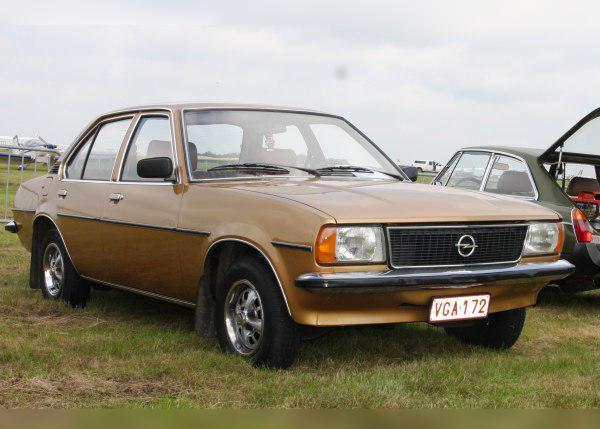
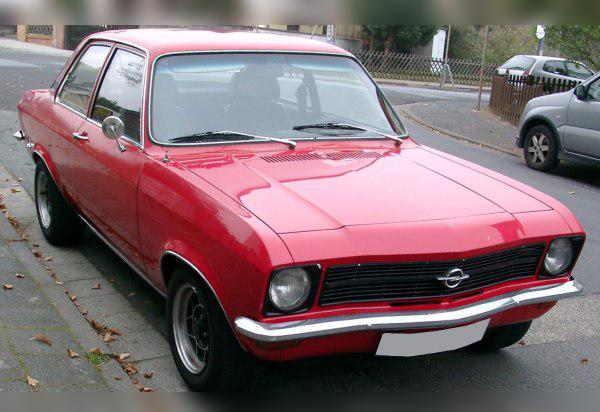
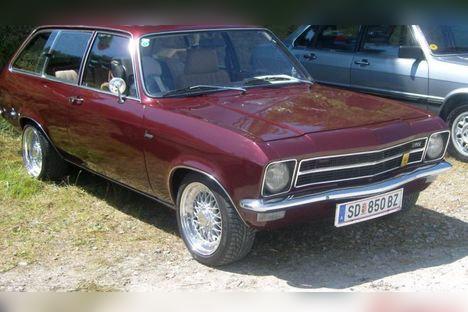
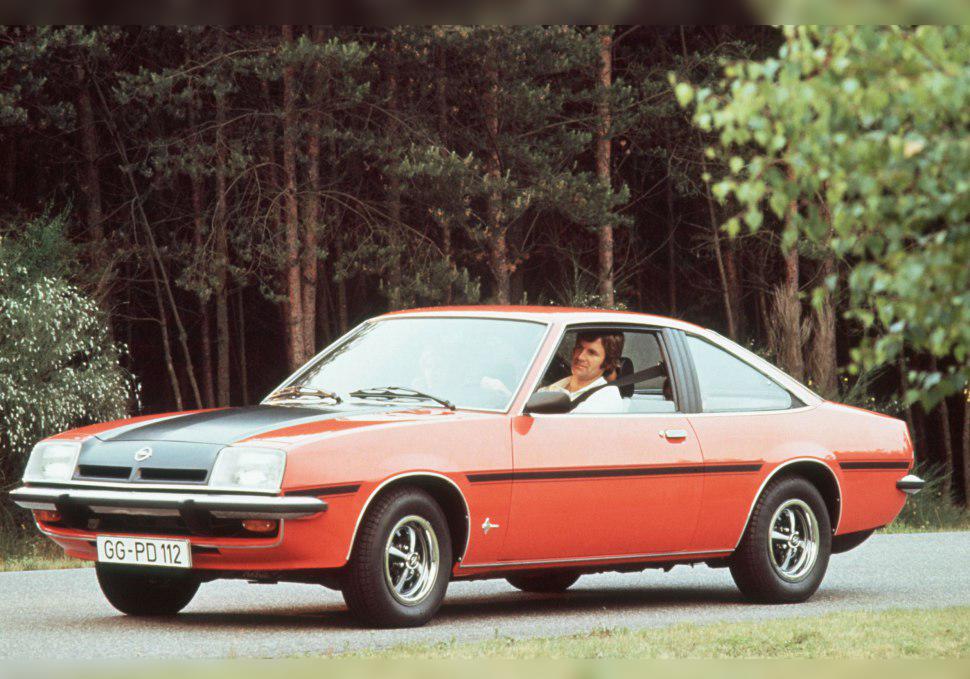
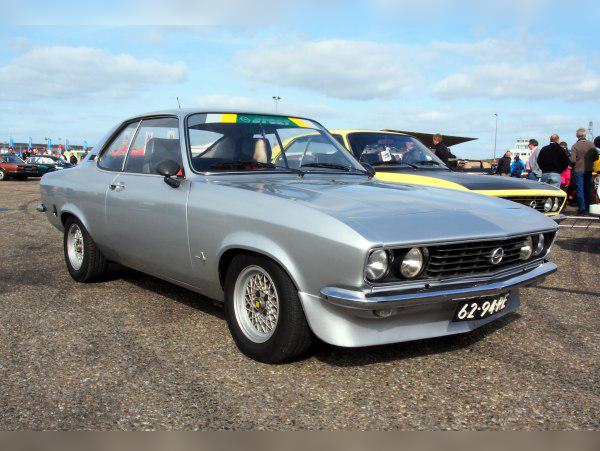
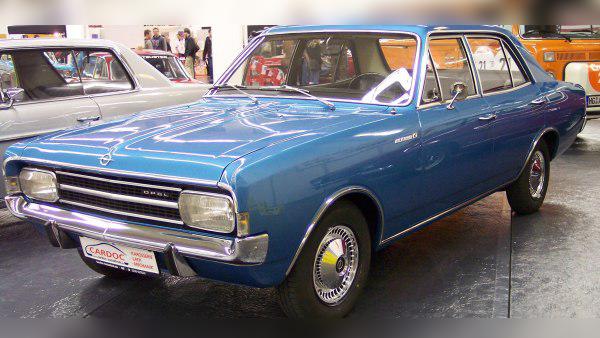
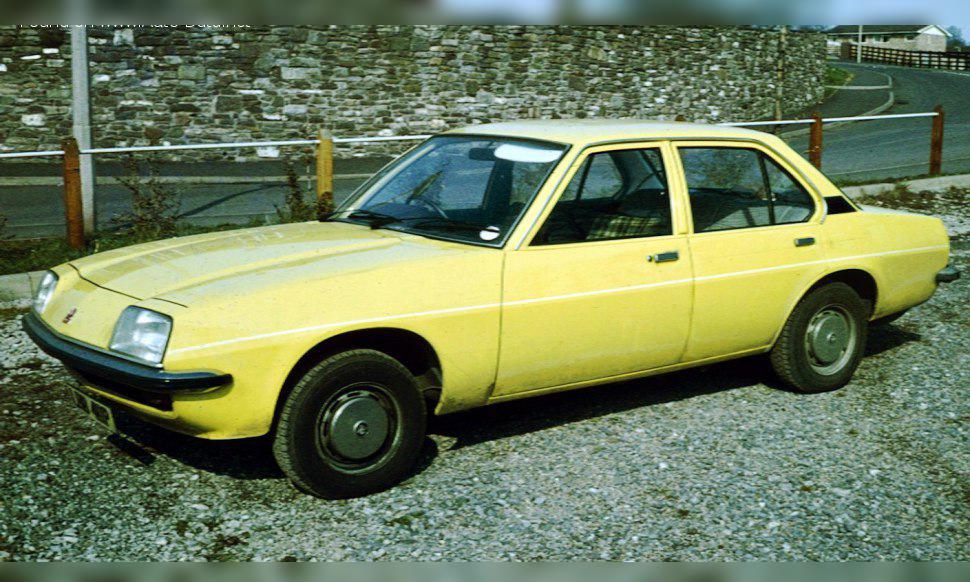
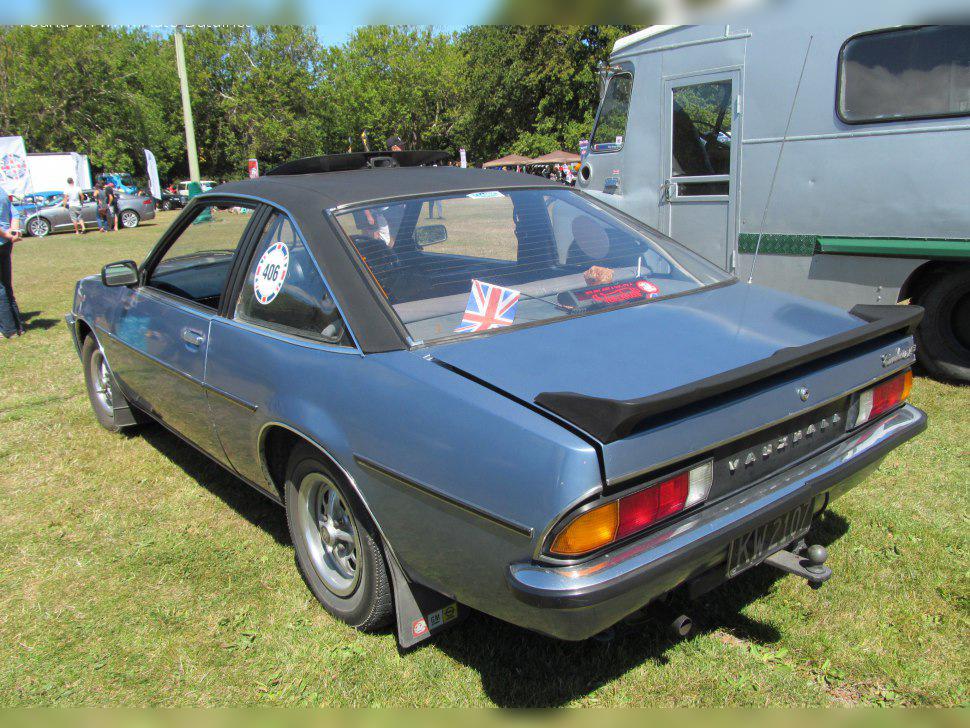
This indestructible naturally aspirated petrol engine was widely installed in 1970s icons, including the Opel Ascona A and B, the sporty Manta A and B, as well as executive saloons like the Opel Rekord C and its British twin, the Vauxhall Cavalier. If you’re looking for a classic today, there’s a good chance this “iron” heart will be beating under the bonnet.
Technical specifications
| Specification | Data |
|---|---|
| Displacement | 1897 cc |
| Engine power | 66 kW (90 hp) |
| Torque | 146 Nm |
| Fuel and injection | Petrol / Carburetor |
| Aspiration | Naturally aspirated (No turbocharger) |
| Valve timing drive | Chain (CIH architecture) |
Engine reliability and maintenance
Timing drive: Belt or chain?
This engine uses a massive timing chain instead of a timing belt. Thanks to old-school engineering, this chain is designed to outlive the car itself. A major timing service in the modern sense is not done at a fixed mileage here. The chain is only checked visually and by sound. If it starts to “rattle” on cold start, that’s when it’s time to replace it, which usually happens only after 250,000 to 300,000 km. Regular maintenance comes down to replacing the V-belt that drives the water pump and alternator.
Most common failures and weak points
Given that the engine is half a century old, failures are more a consequence of material fatigue than bad design. The most common headaches for owners are related to oil leaks. The valve cover gaskets are traditionally made of cork and harden over time, which often leaves the engine “oily”.
Also, the valve stem seals tend to dry out. Once they’re worn, the engine starts drawing oil into the combustion chamber. The driver will notice this as a cloud of blue smoke from the exhaust when accelerating, especially after engine braking. Fortunately, the repair is not complex.
Lubrication: Oil consumption and oil type
The 19S engine takes roughly 3.5 to 4 liters of oil (depending on the exact model and sump shape). Forget modern thin oils for this unit; it needs old-school, “thick” mineral grades, most commonly 15W-40 or 20W-50 for warmer climates. As for oil consumption, an engine of this age will almost certainly use some oil. Consumption of up to 0.5 to 1 liter per 1000 km is considered acceptable and “normal” for such old engines, provided that ring compression is still within limits.
Ignition: Spark plugs and distributor
As a classic petrol engine with a mechanical distributor, it requires regular attention. Spark plugs should be replaced every 20,000 to 30,000 km. In addition to the plugs, on original versions the contact breaker points and condenser in the distributor must be adjusted and replaced regularly. Many owners today retrofit electronic ignition to get rid of this chore and to achieve a smoother idle.
Specific parts and technology
It’s a real relief to know what this engine DOESN’T HAVE. If you’re used to the costly failures of modern cars, the 19S will delight you with its simplicity. No dual-mass flywheel (it uses a classic solid flywheel). No turbocharger to fail, no DPF filter, no EGR valve, and no AdBlue system. This is pure, straightforward mechanics.
Fuel system: The glory and pain of carburetors
Fuel is delivered to the cylinders via a carburetor (most often Solex or Zenith models, depending on the series). Since there are no modern electronic injectors or high-pressure pumps, there are no failures of that kind either. However, carburetors have their own “quirks”. The main problems arise from worn diaphragms, clogged idle jets due to dirty fuel, and issues with the automatic choke (on versions that have it). Symptoms include stalling at idle, a “flat spot” when opening the throttle, and difficult cold starts. Rebuilding a carburetor is not expensive (depends on the market), but the biggest problem today is finding a mechanic who actually knows how to tune it properly.
Fuel consumption, performance and driving feel
Real-world city consumption
There’s no point in pretending – an engine designed in the 1960s is not economical. In heavy stop-and-go city traffic, real-world petrol consumption rarely drops below 11 to 13 l/100 km, and with a heavy right foot or a poorly tuned carburetor it can reach 14 liters.
Is the engine “lazy”?
The answer depends on the car it’s installed in. In an Opel Manta or Ascona, which weighed only about 900 to 1000 kg, 90 hp and 146 Nm of torque provide fantastic, lively driving with easy “tail-happy” behavior. Thanks to the CIH design, the engine pulls very well from low revs. On the other hand, in the heavier Opel Rekord C, performance is more “cruising-oriented” – the engine isn’t exactly lazy, but don’t expect sports-car acceleration. The solid torque ensures you won’t have to reach for the gear lever too often on uphill sections.
On the highway: Short gearing woes
If you find yourself on the motorway doing 130 km/h, be prepared for a high noise level. Most of these engines are paired with factory 4-speed gearboxes. At 130 km/h, the engine spins at a fairly high 3800 to 4200 rpm (depending on the differential). By modern standards it wasn’t designed for long-distance cruising at high speeds; its comfort zone on open roads is around 90 to 100 km/h.
Extras, LPG and “chipping”
LPG conversion
This is an ideal candidate for running on autogas. Since it uses a carburetor, installing an LPG system is extremely simple and requires only the most basic (so-called Venturi) system with a mixer mounted above the carburetor. Installation is very cheap (depends on the market), and given the high petrol consumption, the investment pays off quickly. The engine handles LPG very well and the valves do not tend to burn easily.
Stage 1 “chipping” on the 19S engine?
If you’re hoping to plug in a laptop and gain 20 hp – forget it. This engine has no ECU (engine control unit), so classic electronic chiptuning is physically impossible. Any power increase (i.e. tuning) on this engine is purely mechanical: porting the cylinder head, fitting twin Weber carburetors, a sport camshaft and a freer-flowing exhaust. Such modifications are expensive, but can extract over 120–130 hp from this block.
Gearbox and power transfer
Types of gearboxes and common issues
Over the generations, several types of transmissions were paired with the 19S. The standard is a 4-speed manual gearbox. On early Rekord versions there were 3-speed and 4-speed manuals with a column shifter. For automatic fans, there were old GM 3-speed automatic gearboxes (TH180), and even archaic 2-speed units in the earliest models.
The manual gearboxes are known for extremely durable gears, but their synchronizers wear out (especially 2nd and 3rd gear), which manifests as grinding when shifting quickly. On automatics, the biggest enemy is neglected maintenance. If the oil hasn’t been changed for decades, the clutches inside the gearbox start to slip and the transmission “jerks” when shifting.
Clutch replacement and maintenance
Since the engine uses a simple solid flywheel, clutch replacement is absolutely painless financially. A clutch kit (pressure plate, disc, release bearing) is not expensive and the job is straightforward for any local mechanic (depends on the market). As for maintaining the transmission itself, the oil in the manual gearbox as well as in the differential should be changed every 60,000 km or every 5 years, although many owners unjustly neglect this.
Buying used and conclusion
What exactly to check before buying?
When buying a classic with a 19S engine, focus on the following under-bonnet details:
- Cold start: Ask the seller not to start the car before you arrive. When you start it, listen carefully to the front of the engine. Metallic rattling indicates a loose and stretched chain.
- Exhaust smoke: After the car has warmed up, give it a sharp throttle blip and then release. If it throws out a cloud of blue smoke, the engine is crying out for new valve stem seals or, in the worst case, new piston rings.
- Oil pressure: Over time, CIH engines suffer from oil pump wear (gear mechanism in the front cover). If the car has an oil pressure gauge on the instrument panel, the pressure at hot idle must not drop into the critical red zone.
- Signs of leaks: Inspect the oil pan and the area around the distributor. These are the most common places for oil to seep out.
Who is this engine for?
The Opel 19S (90 hp) is not an engine for drivers seeking modern efficiency and silence. This is a unit for true classic-car lovers and enthusiasts. Its design is raw, noisy and occasionally requires rolling up your sleeves (tuning the carburetor and ignition). Still, its unmatched mechanical robustness, the absence of expensive sensors and computers, and that specific, raw exhaust note make it one of the most cost-effective and reliable engines for entering the world of “oldtimers”. If you find a healthy example with regular oil and filter changes, this engine will serve you for decades to come.