Opel 20E (110 hp) CIH: Experiences, problems, fuel consumption and buying used
Most important in short (TL;DR)
- Legendary CIH (Cam-in-Head) architecture: The engine is extremely robust, built in the old-school way where the mechanicals are tolerant and long-lasting.
- No dual-mass flywheel or expensive eco-systems: Forget about DPF, EGR, AdBlue and turbochargers. It’s all raw mechanics.
- Chain-driven timing: The timing is driven by a robust chain that rarely snaps, but over time requires tensioner inspection.
- High fuel consumption: By today’s standards the engine is quite thirsty, especially in city driving where it easily exceeds 12 l/100 km.
- Bosch L-Jetronic injection: Reliable, but due to its age it suffers from cracked vacuum hoses and air flow meter issues (false air).
- Excellent for enthusiasts: It’s no longer a daily-driver engine due to age and consumption, but rather a heart for restored classics (Manta, Ascona, Kadett C).
Contents
- Introduction: A legend from Rüsselsheim
- Technical specifications
- Reliability and maintenance
- Specific parts (costs)
- Fuel consumption and performance
- Additional options and modifications
- Gearbox and drivetrain
- Buying used and conclusion
Introduction: A legend from Rüsselsheim
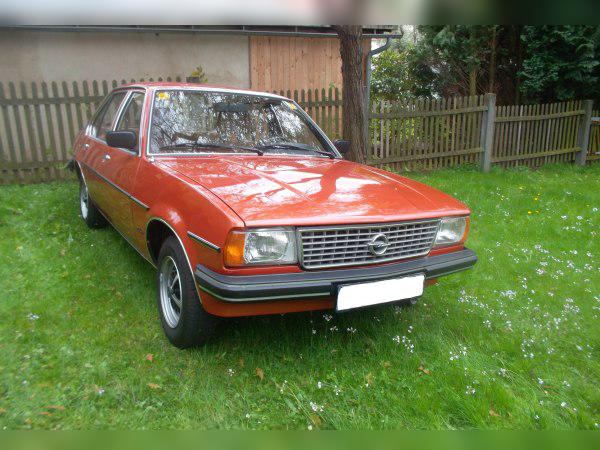
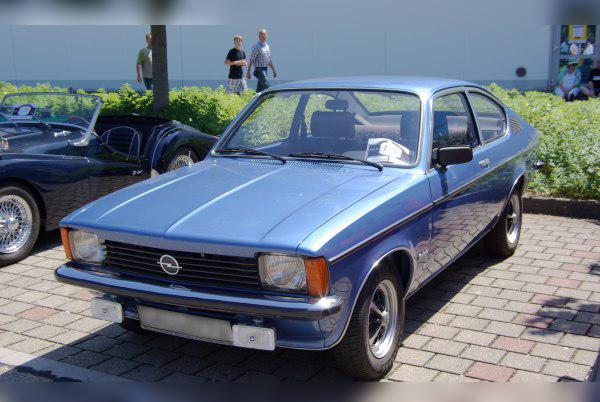
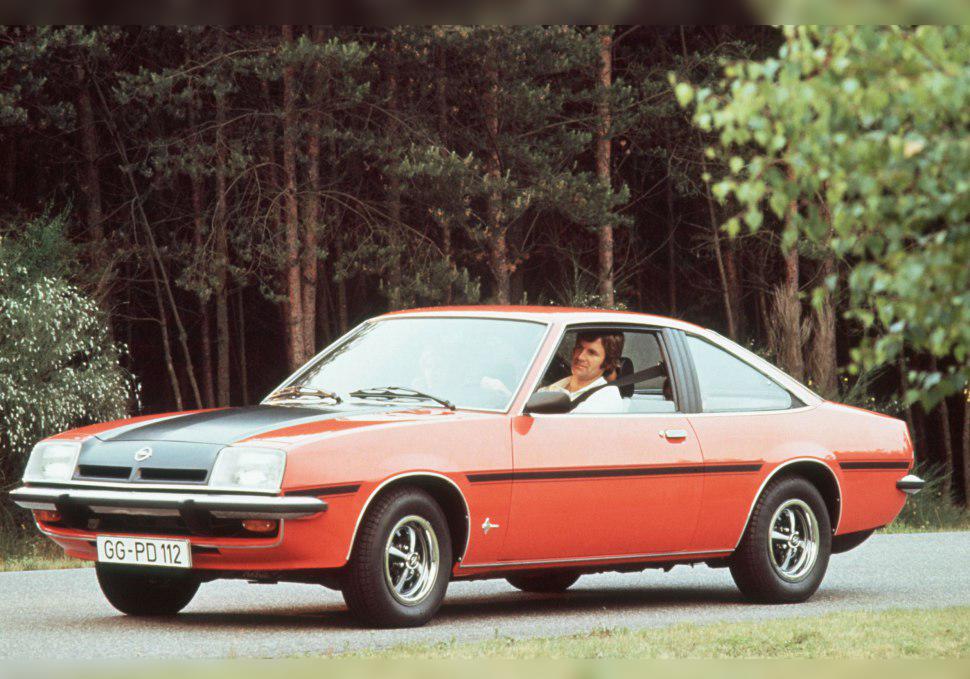
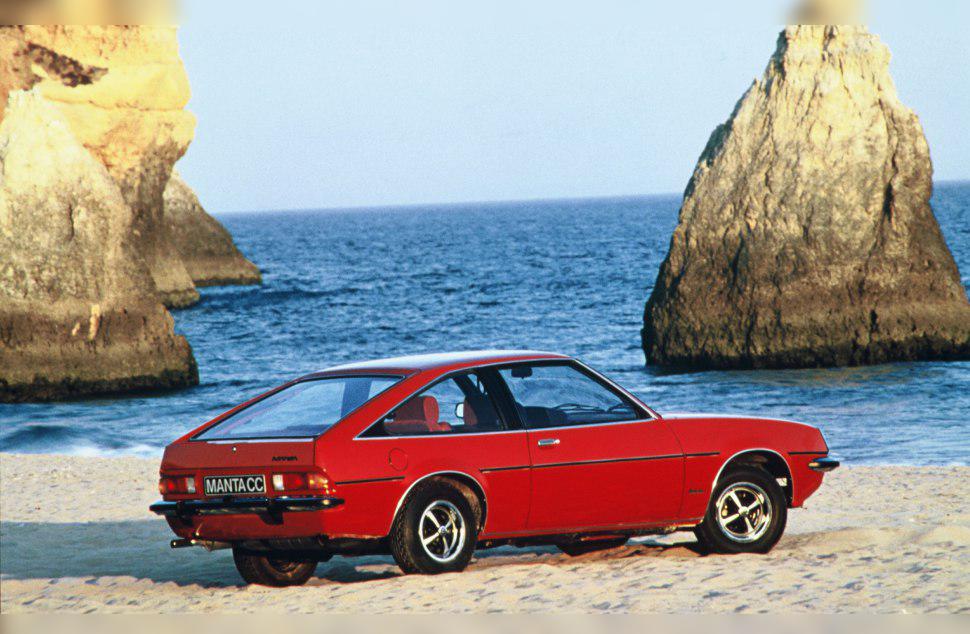
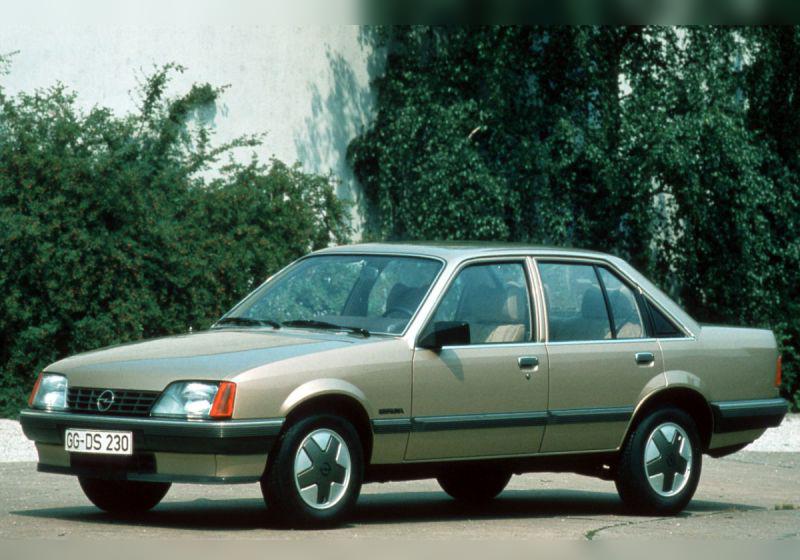
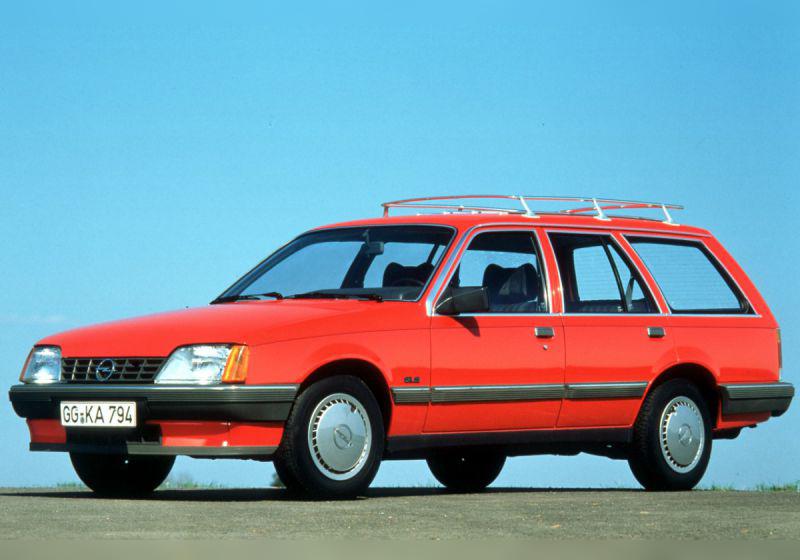
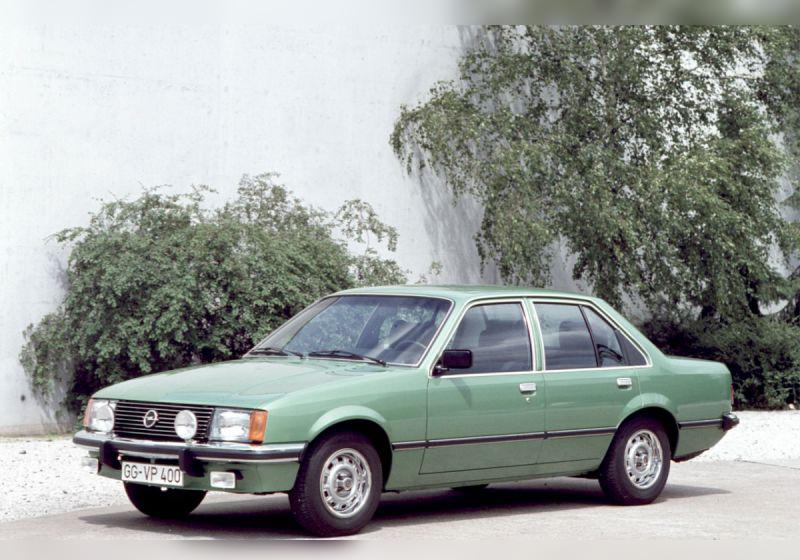
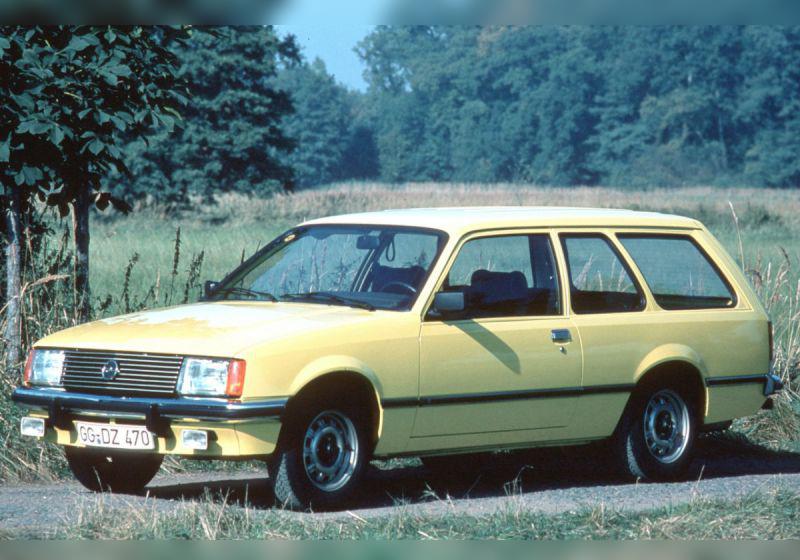
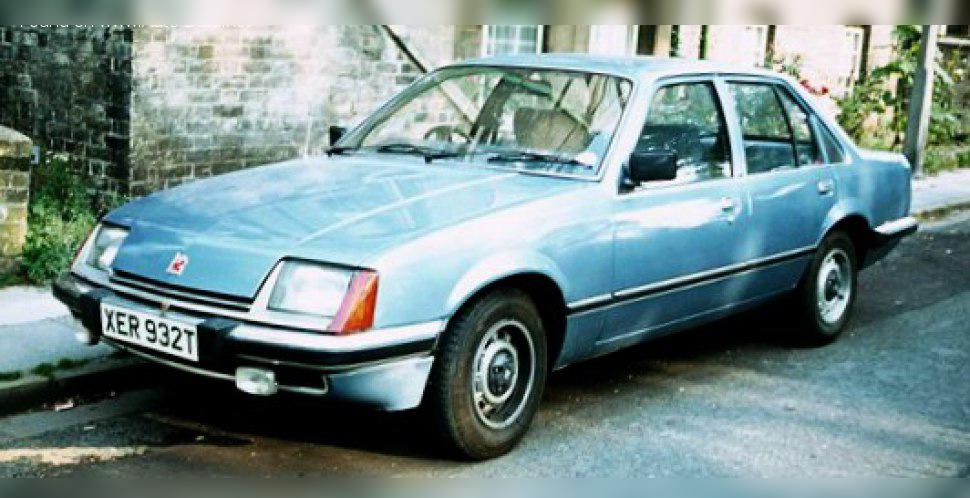
When we talk about the old school of Opel engineers, the 20E engine from the CIH (Cam-in-Head) family is a true gem of the late seventies and early eighties. The letter “E” in the designation stands for Einspritzung (injection), which at the time was a huge technological leap compared to carbureted versions. It was installed in automotive icons such as the Opel Ascona B, Manta B, Kadett C Coupe Rallye, but also in heavier cruisers like the Opel Rekord E and Vauxhall Carlton Mk II.
This two-liter unit with its round 110 hp offered serious performance for its era. Today we look at it through the lens of the classic-car scene, where it is valued for the indestructibility of the block and the ease of wrenching on it. Still, time takes its toll, so maintaining this engine today requires specific knowledge of old-school craftsmanship.
Technical specifications
| Specification | Data |
|---|---|
| Engine name | 20E (CIH family) |
| Engine displacement | 1979 cc |
| Power output | 81 kW (110 hp) |
| Torque | 159 Nm |
| Fuel type | Petrol (Gasoline) |
| Injection type | Electronic fuel injection (Bosch L-Jetronic) |
| Aspiration | Naturally aspirated |
Reliability and maintenance
Timing: Chain instead of belt
This engine uses a chain to drive the camshaft. The CIH (Cam-in-Head) design means that the camshaft is located in the cylinder head itself, but beside the valves rather than directly above them, which makes it quite specific. The chain is massive, double-row or single-row (depending on the exact production year) and extremely reliable. The modern concept of a “major timing service” practically doesn’t exist here. A major service in the sense of chain replacement is done only when the engine starts to “rattle” on cold start, which usually happens at mileages over 250,000 to 300,000 km. Regular maintenance comes down to changing the auxiliary belt (for the water pump and alternator) and inspecting the chain tensioner.
Most common failures and typical issues
The mechanics of the block and crankshaft are virtually indestructible, but the peripherals suffer from age. The biggest enemy of this engine today is so-called “false air”. Rubber intake hoses and vacuum lines become brittle and crack over time, causing rough idle, hesitation and loss of power. Also, the air flow meter (flap-type AFM) within the Bosch L-Jetronic system often has worn graphite tracks, which the driver notices as a “flat spot” when applying throttle. Another common problem is worn valve stem seals and guides – when they are done, the engine starts burning oil and emits bluish smoke on cold morning starts.
Lubrication and ignition systems
As for oil, this engine takes about 3.8 to 4.0 liters of oil. Do not pour modern thin synthetic “water” into it! This engine needs old-school oil – mineral oil of 15W-40 or 20W-50 grade, because the clearances in the engine were designed for thicker lubricant. Regarding oil consumption, due to the age of piston rings and valve stem seals, consumption of around 0.5 up to even 1 liter of oil per 1000 km is nowadays considered a normal operating tolerance. Since this is a pure petrol engine, spark plugs should be replaced every 20,000 to 30,000 km, with a mandatory check of the leads, rotor arm and distributor cap, which are a frequent cause of misfires in damp weather.
Specific parts (costs)
If you’re coming from the world of modern cars, this engine will be a real relief for your wallet when it comes to complex components.
- Dual-mass flywheel: This engine does not have a dual-mass flywheel. It uses a simple, solid flywheel, so clutch kit replacement is very straightforward and absolutely not expensive (depends on the market).
- Injection system: The injectors are classic electromagnetic units and rarely fail completely, but due to age they may “dribble” instead of properly atomizing fuel. Ultrasonic cleaning usually solves the problem. Replacement injector prices can be high if you insist on original Bosch parts, but alternatives from newer Opel engines are easy to find.
- Turbochargers, EGR and DPF: None of this exists on the 20E engine. The early basic versions don’t even have a catalytic converter, let alone AdBlue. Fewer parts – fewer headaches.
Fuel consumption and performance
City and everyday driving
This is an engine from an era when petrol wasn’t very expensive and when aerodynamics and weight were not strictly optimized for the sake of emissions. Real-world consumption in city driving ranges between 11 and 14 l/100 km. If the injection system is not perfectly tuned, this figure can go significantly higher.
Is the engine “lazy”?
Performance largely depends on the body it’s installed in. If the 20E is in a Opel Kadett C Coupe or Manta B, it makes for a very lively, eager and fun car thanks to the light body and rear-wheel drive. On the other hand, in heavy models such as the Opel Rekord E Caravan or Vauxhall Carlton, the engine feels quite “lazy” and needs to be revved high to get the mass moving. In that case, 159 Nm of torque barely keeps up with today’s traffic.
Motorway and cruising
Driving on the motorway at 130 km/h reveals the age of this powertrain. Due to the lack of aerodynamics and usually old four-speed gearboxes, at 130 km/h the engine runs at high revs (often close to 4000 rpm). Because of this, the cabin can be quite noisy, and motorway fuel consumption hardly drops below 8.5 to 10 l/100 km. Cruising at 100–110 km/h suits it much better.
Additional options and modifications
LPG (autogas) conversion
This unit handles LPG very well. However, since it uses a specific intake manifold with the Bosch L-Jetronic system, installing a so-called “backfire valve” (safety valve) is mandatory. If a simple Venturi (vacuum) LPG system is installed and a backfire occurs in the intake manifold, the pressure will instantly destroy the flap inside the expensive air flow meter. A properly installed LPG system makes driving dramatically cheaper.
Chipping and “Stage 1” tuning
This is not an engine from the TDI or TSI era. Classic “chipping” (ECU remap) is not possible! The L-Jetronic electronics (computer) is a primitive analog board. To extract more than the stock 110 hp from the 20E, you have to resort to old-school mechanical tuning: porting and polishing intake and exhaust ports, fitting a hotter camshaft, a freer-flowing exhaust manifold (tubular header) or even completely removing the injection system in favor of twin Weber carburetors.
Gearbox and drivetrain
Types of gearboxes
Depending on trim level and model year, the 20E was paired with three basic types of gearboxes:
- 4-speed manual: Extremely durable, but limits comfort on fast roads.
- 5-speed manual (e.g. Getrag 240): A highly sought-after gearbox. It matches the engine very well, lowers revs on open roads and reduces fuel consumption.
- 3-speed automatic (GM TH180): An old hydraulic automatic. It “steals” a lot of engine power, increases fuel consumption by at least 2 liters and makes driving clumsy by modern standards.
Gearbox failures and maintenance
The manual gearboxes are very robust, but after decades of use the synchros in second and third gear often wear out (symptom: the gearbox “crunches” when shifting quickly from first to second). Gear selector and driveshaft seals are often oily. With the automatic gearbox, the problem usually arises because previous owners never changed the oil – symptoms are “slipping” when setting off and harsh jolts when changing gear.
Service interval: Regardless of what manufacturers once claimed (“lifetime fill”), in old gearboxes the oil should be changed every 60,000 km or at the latest every 5 to 7 years. Replacing the clutch kit on a manual gearbox with a solid flywheel is not an expensive job (depends on the market).
Buying used and conclusion
What to check carefully when buying?
Considering that the youngest engine of this type is around 40 years old, you’re not just buying a car, but someone’s (often neglected) project. Be sure to pay attention to the following:
- Cold start: Ask the seller not to start the engine before you arrive. If it blows a cloud of blue smoke on cold start, the valve stem seals or piston rings are done.
- Idle noise: Open the bonnet and listen to the timing at the front. If you hear rattling or metal scraping, the chain and tensioner are due for replacement.
- Smooth running: L-Jetronic should idle smoothly as soon as it warms up a bit. If the revs fluctuate, it stalls, or raises idle to 1500 rpm, the problem lies in vacuum leaks (false air) or a faulty auxiliary air valve.
- Cooling system: Check the hoses under pressure. Old engines from the CIH series are known to blow a head gasket if they’ve been overheated due to a clogged radiator or bad water pump.
Who is this engine for?
The Opel 20E (110 hp) CIH is no longer a realistic option for everyday commuting, simply because of its fuel consumption and the fact that injection system parts have become rare and somewhat expensive in original form. However, for someone buying a Manta, Ascona or Kadett C for weekend drives, this engine is absolutely perfect. It is extremely resistant to mechanical abuse, has a fantastic retro sound and delivers that raw, mechanical driving feel that modern cars have lost forever.