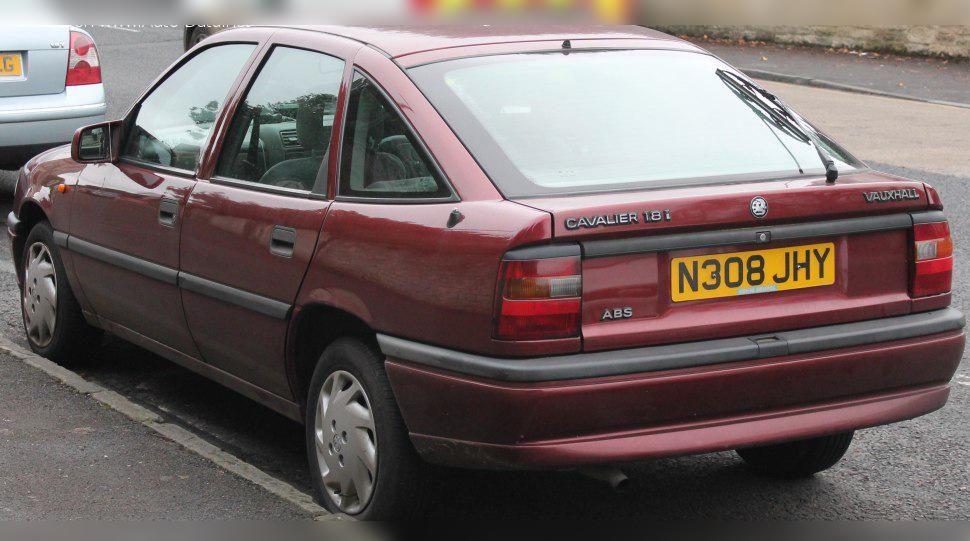
Opel 20NE 2.0i (115 hp): Experiences, problems, fuel consumption and used car buying tips
- No piston-to-valve contact: Famous for the fact that when the timing belt snaps, it doesn’t destroy the engine.
- Legendary reliability: Old-school 8-valve design, virtually indestructible mechanism and engine block.
- No expensive parts: No dual-mass flywheel, no turbocharger, no DPF.
- Excellent for LPG: Handles LPG perfectly and doesn’t require expensive systems.
- Oil leaks: The main downside are gaskets and seals that give up under the pressure of age.
- Fuel consumption: Can be higher in city driving, but is justified by its robustness.
- Cheap maintenance: Parts are extremely affordable and not expensive (depends on the market).
Contents
- Introduction: An icon of Opel engineering
- Technical specifications
- Reliability, maintenance and failures
- Specific parts and costs
- Fuel consumption and driving performance
- LPG and remapping
- Gearbox and clutch
- Used car buying tips and conclusion
Introduction: An icon of Opel engineering
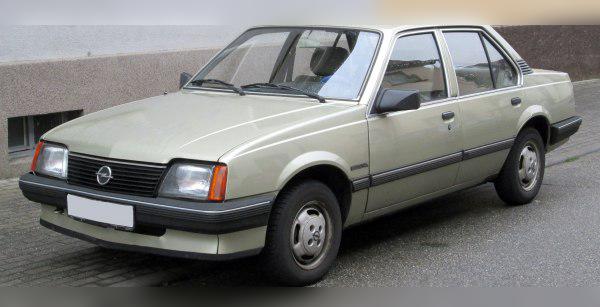
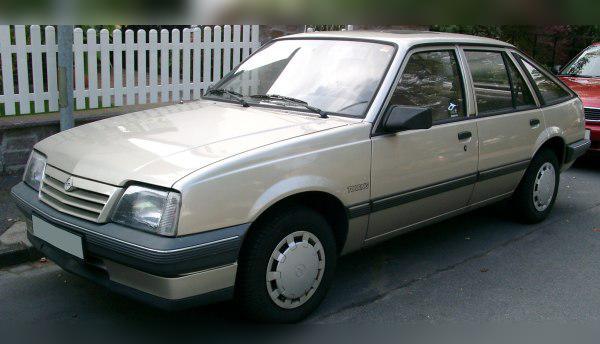
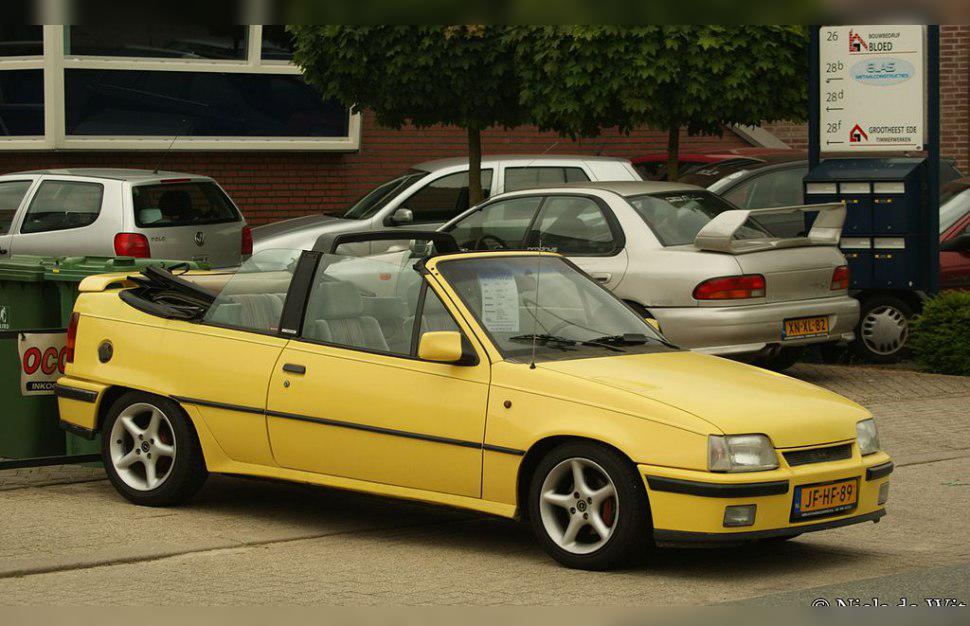
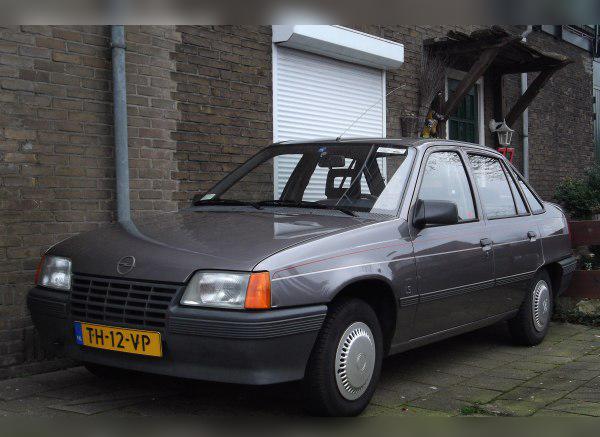
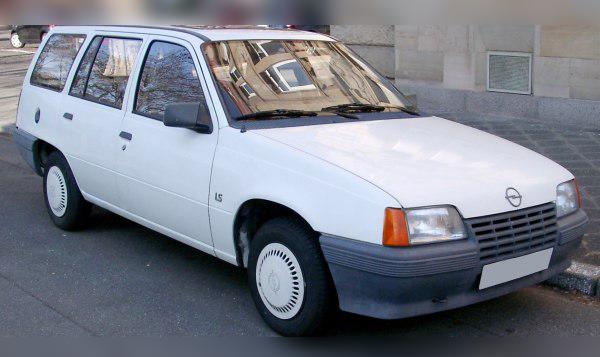
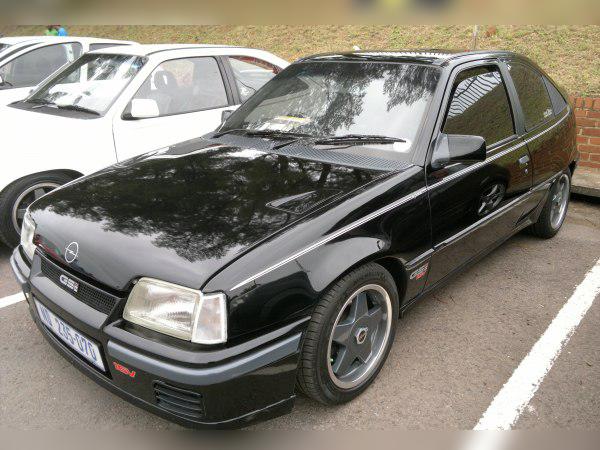
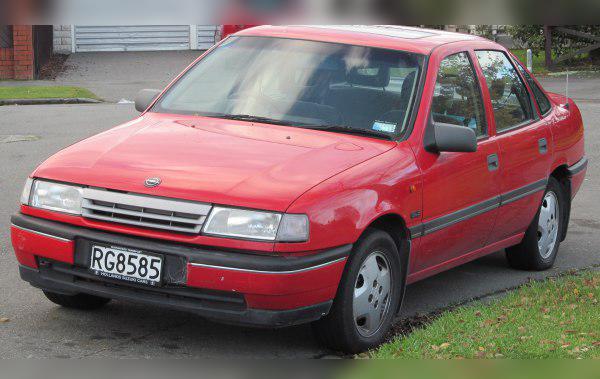
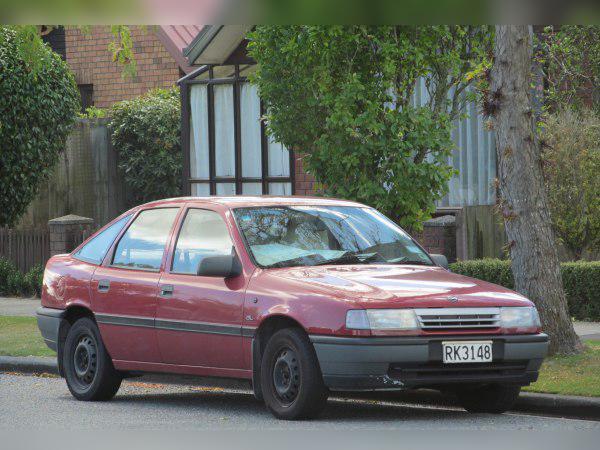
The engine designated as 20NE is one of the most famous units from Opel’s renowned “Family II” series. Introduced in the 1980s, it was installed in automotive icons such as the Kadett E (including GSI versions), Ascona C and early Vectra A models (as well as their Vauxhall twins). With a displacement of 2.0 litres, 8 valves and a single overhead camshaft (OHC), this engine is synonymous with raw mechanics and longevity. That’s why it is still respected today by mechanics, retro car enthusiasts and drivers who want an engine that simply doesn’t quit.
Technical specifications
| Parameter | Data |
|---|---|
| Displacement | 1998 cc |
| Power | 85 kW (115 hp) |
| Torque | 170 Nm |
| Engine code | 20NE |
| Injection type | Multi-point (Bosch Motronic) |
| Aspiration | Naturally aspirated |
Reliability, maintenance and failures
Timing belt and “freewheeling” design
This engine uses a timing belt. Its biggest advantage over 99% of modern engines is the so-called “freewheeling” design. In practice, this means that if the timing belt snaps while driving, the valves and pistons will not collide. The driver just ends up at the side of the road, the mechanic fits a new belt, sets the timing, and the engine continues to run without any damage. Still, the major service (replacement of belt, tensioner and water pump) should be done preventively every 60,000 km. The price of parts for the major service is rated as: not expensive (depends on the market).
Oil consumption and recommended grade
The sump holds a little over 4 litres of oil (including the filter). Due to the age of the design, a semi-synthetic oil of grade 10W-40 is recommended. Does it consume oil? Yes. Consumption of 0.2 to 0.5 litres per 1,000 km is considered normal for this type of engine. The most common causes are hardened valve stem seals (the driver will notice blue smoke from the exhaust on cold start in the morning or when you get back on the throttle after engine braking) and leaks from the valve cover gasket and oil pan gasket. Gaskets on OHC engines of this type are considered consumables.
Spark plugs and leads
As a classic petrol engine with a distributor (or early coil packs depending on the exact year), it is sensitive to spark quality. Spark plugs should be replaced every 30,000 to 40,000 km. Also, due to age, ignition leads often start to break down, which results in jerking under acceleration at lower revs. If the car jerks while driving, first check the distributor arm, cap and leads.
Specific parts and costs
One of the biggest reasons why people love the 20NE is what it doesn’t have. This engine does not have a dual-mass flywheel, but uses a classic solid flywheel. The clutch is extremely cheap and is replaced when the friction disc starts to slip, which is rated as: not expensive (depends on the market).
The engine is naturally aspirated (no turbo, and therefore no intercooler or expensive associated air pressure sensors). There is no DPF filter, no AdBlue system, and pure 20NE versions usually don’t even have an EGR valve (EGR became standard on later variants and C20NE models with catalytic converters for emissions reasons).
The injection system relies on the legendary Bosch Motronic (often L-Jetronic on earlier units or Motronic ML4.1). The injectors are old-school, quite crude, but indestructible. The only specific part that can cause trouble is the air flow meter (AFM with flap). Due to wear of the graphite track inside the AFM, the car may idle roughly or hesitate under acceleration.
Fuel consumption and driving performance
With 115 hp and 170 Nm of torque, the 20NE is anything but sluggish. The key to its success is the way it delivers power – maximum torque is available at a very low 2,600 to 3,000 rpm. In light bodies such as the Opel Kadett E, this engine offers acceleration that can put many much newer cars to shame. In heavier vehicles like the Vectra A 4x4, the engine behaves adequately, providing smooth overtaking without the need for frequent downshifts.
However, the old-school concept takes its toll at the fuel pump. Realistic city consumption is between 10 and 12 l/100 km, especially in winter when the choke/enrichment runs longer. On the motorway, things are better at around 7 to 8 litres. At 130 km/h in fifth gear, the crankshaft spins at about 3,500 to 3,800 rpm (depending on gearbox type). Because of this, cabin insulation becomes important, as engine noise is clearly audible at these revs.
LPG and remapping
Is it suitable for LPG?
This engine is absolutely ideal for LPG installation. Thanks to its robust valves and simple intake manifold, it can run perfectly on old (venturi/vacuum) LPG systems as well as on more modern sequential systems. The valve seats are not particularly sensitive, so running on LPG is the most cost-effective way to use this engine.
Can it be remapped?
The short answer: It’s not worth it. As a classic naturally aspirated 8-valve petrol engine, a Stage 1 software tune can bring at most 5 to 8 hp, which is practically imperceptible in real driving. To achieve a noticeable power increase on this engine, mechanical modifications are required (a hotter camshaft from the 18E engine, head work, larger exhaust), but this is done only in enthusiast projects.
Gearbox and clutch
Depending on the model, the 20NE was paired with several types of transmissions:
- Manual gearboxes (F16 or less commonly F20): They have 5 gears. They are extremely strong and durable. The most common problem is play in the gear selector mechanism, which can make engaging first or second gear more difficult and require “hunting” for the gear. This is solved by replacing the plastic bushings in the linkage system. Although the manufacturer claims the oil is lifetime, mechanics usually recommend changing the gearbox oil every 80,000 to 100,000 km to prolong synchro life.
- Automatic gearboxes: Usually 4-speed hydraulic units (Aisin or ZF, depending on the year). By today’s standards they are very slow and noticeably increase city fuel consumption (up to 14 litres). However, they are very reliable if not abused when cold. Maintenance of such automatics requires changing the oil and filter every 60,000 km. If it jerks and clunks when shifting (from P to R or D), the valve body in the gearbox is already on its last legs.
As mentioned, manual versions have a solid flywheel, so a clutch kit (friction disc, pressure plate and release bearing) is very affordable and falls into the category: not expensive (depends on the market).
Used car buying tips and conclusion
What to check before buying?
Considering that vehicles with this engine have mostly moved into classic/oldtimer status or are working cars at the end of their service life, the focus before buying must be on the mechanics, but even more on the bodywork.
- Body condition: Opels from this period (Kadett E, Vectra A) are notorious for rust problems (arches, sills, strut towers). A perfect 20NE engine is useless if the chassis and suspension mounting points have rotted away.
- Cooling system: Old hoses tend to burst and the radiator can start leaking. Check the colour of the coolant. If you see rust and “sludge” inside instead of clean antifreeze, be aware that a system flush awaits you, and possibly replacement of the core plugs in the block.
- Blue smoke: Have someone rev the engine while you watch the exhaust. If it throws out a cloud of bluish smoke on a sharp throttle blip, the engine is “ripe” for a head-off job, head machining and replacement of valve stem seals.
- Oil leaks: Look at the lower part of the block around the crankshaft. Replacing the crankshaft oil seal is cheap as a part, but removing the gearbox to get to it costs significantly more than the seal itself.
Conclusion
The 20NE engine is a relic from a time when engineers designed mechanics to last for decades, not just until the warranty expires. Who is it for? Today it is mostly bought by enthusiasts restoring old Opels, or by people who need a dependable workhorse for everyday hard use on a farm or in transport, and who have no intention of paying astronomical bills for EGR valves, DPFs and high-pressure injectors. If you don’t mind slightly higher fuel consumption and an old-fashioned engine feel, the 20NE will serve you faithfully with minimal maintenance.