Opel 20S Engine (100 hp): Experiences, Problems, Fuel Consumption and Used Car Buying Tips
Key points in short (TL;DR)
- Exceptional mechanical durability: Belongs to the famous CIH (Cam-in-Head) generation with a cast-iron block and head.
- Timing chain drive: No timing belt; the chain rarely snaps, but needs replacement once it becomes noisy.
- No modern complications: No dual-mass flywheel, turbocharger, DPF, EGR valve or direct injection.
- Achilles’ heel: The carburetor (most often Varajet II) is prone to going out of adjustment and issues with false air.
- Fuel consumption: Quite high by today’s standards, but the engine is fantastic for LPG (autogas) conversion.
- Oil consumption: Due to age and design, valve stem seals and piston rings often wear out, leading to blue smoke.
Contents
Introduction and engine history
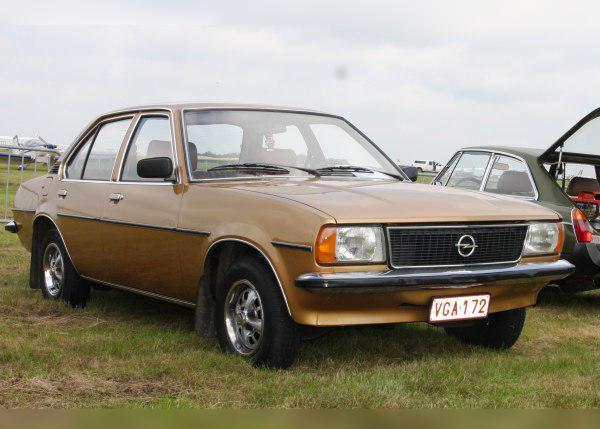
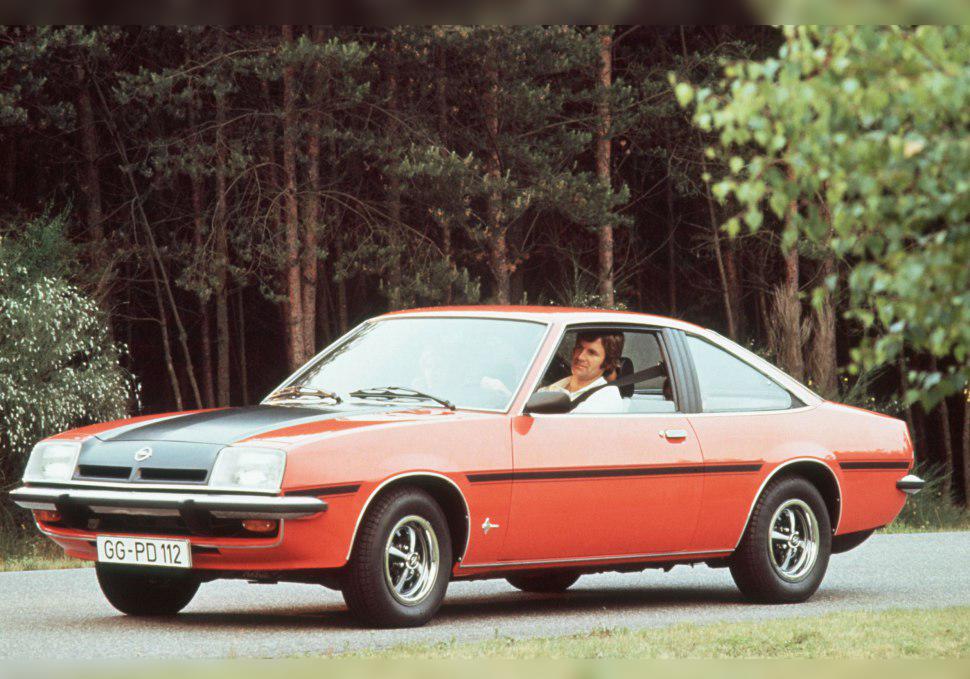
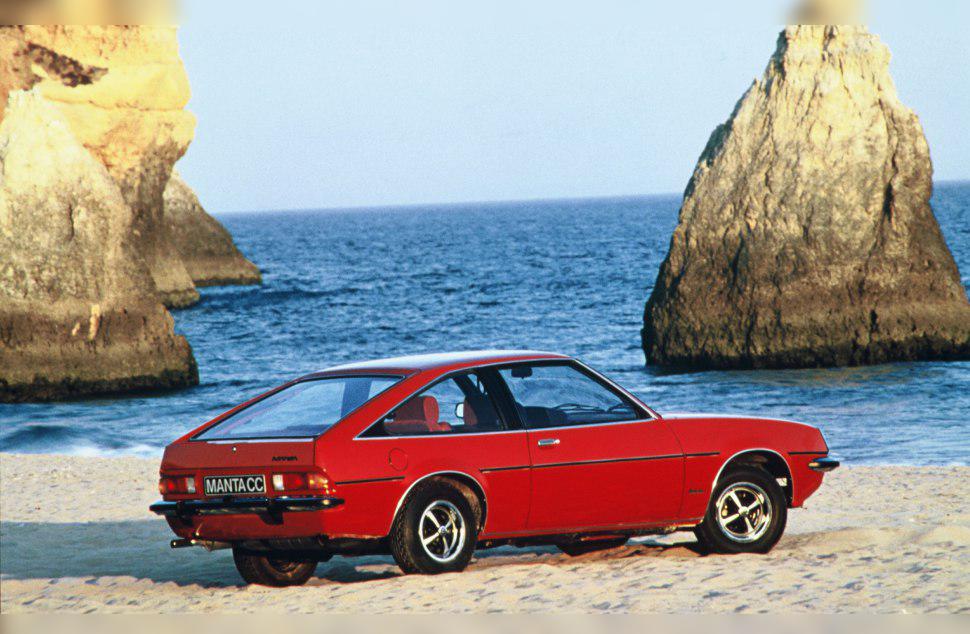
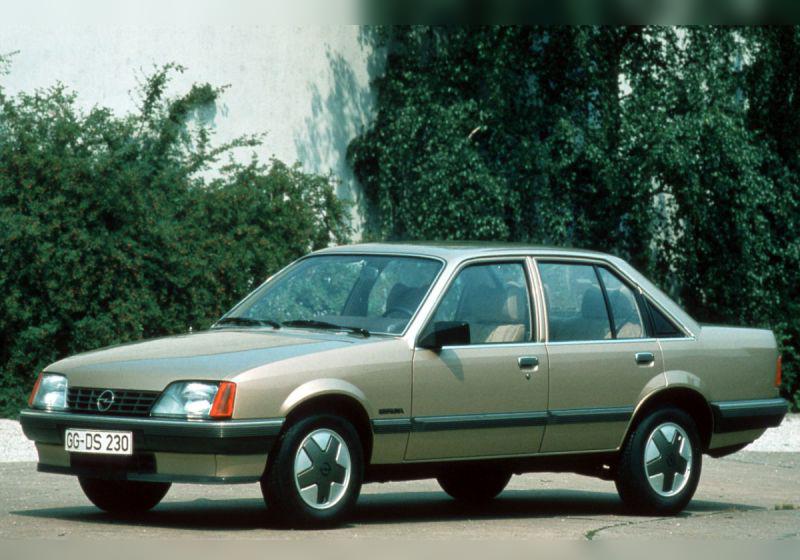
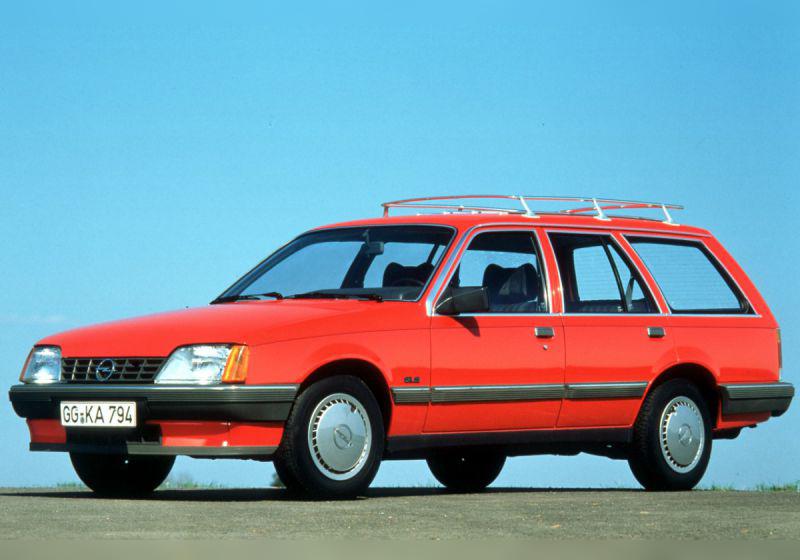
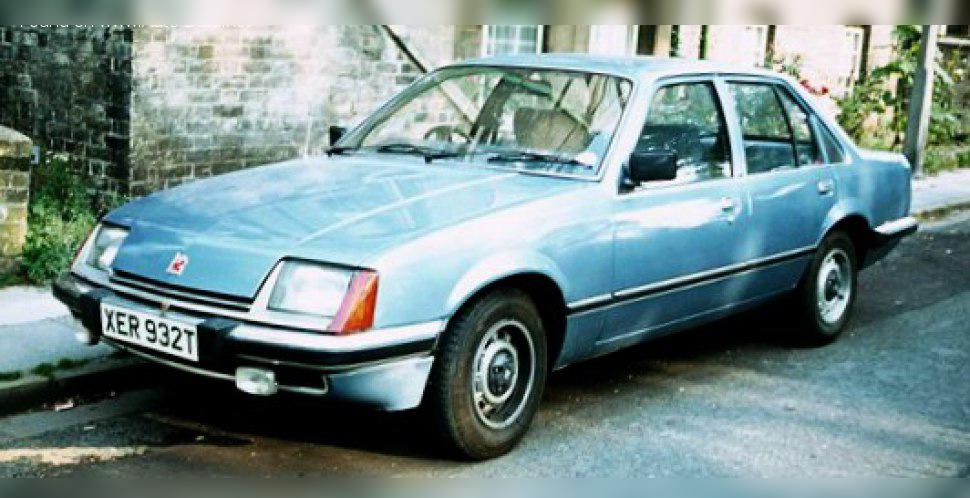
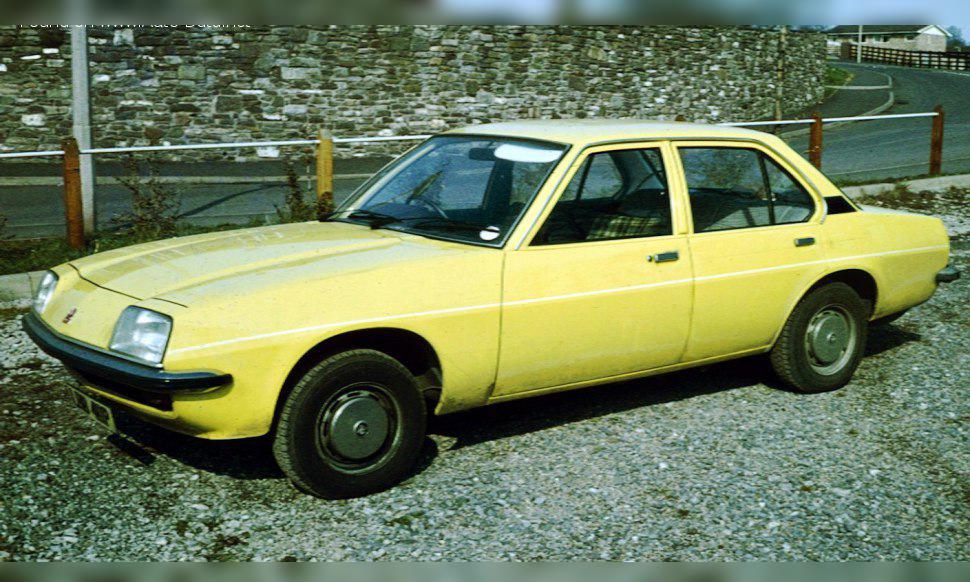
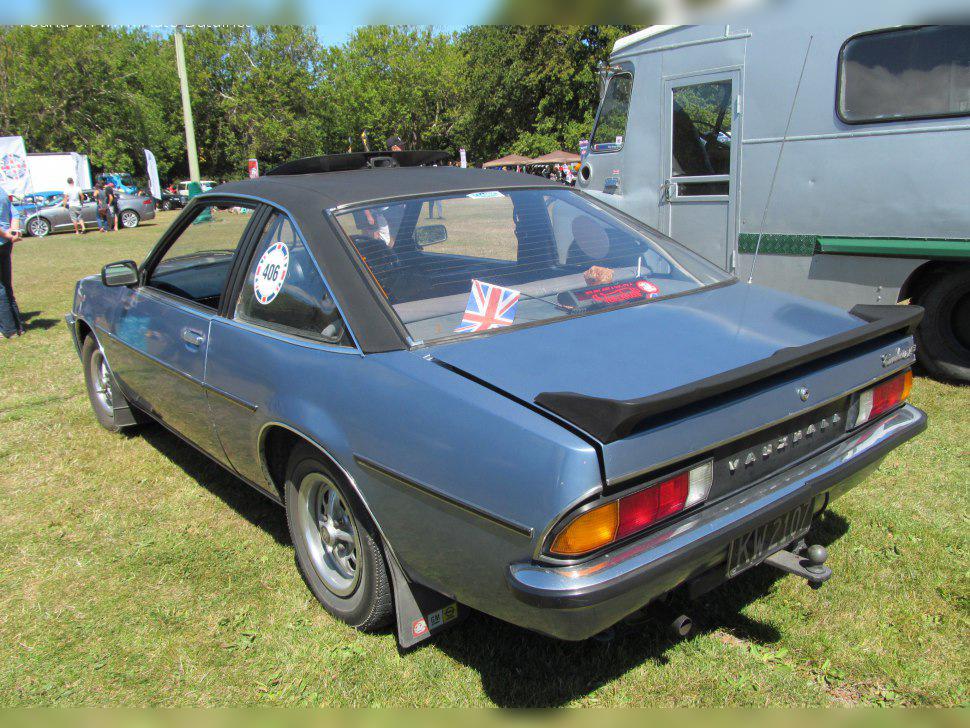
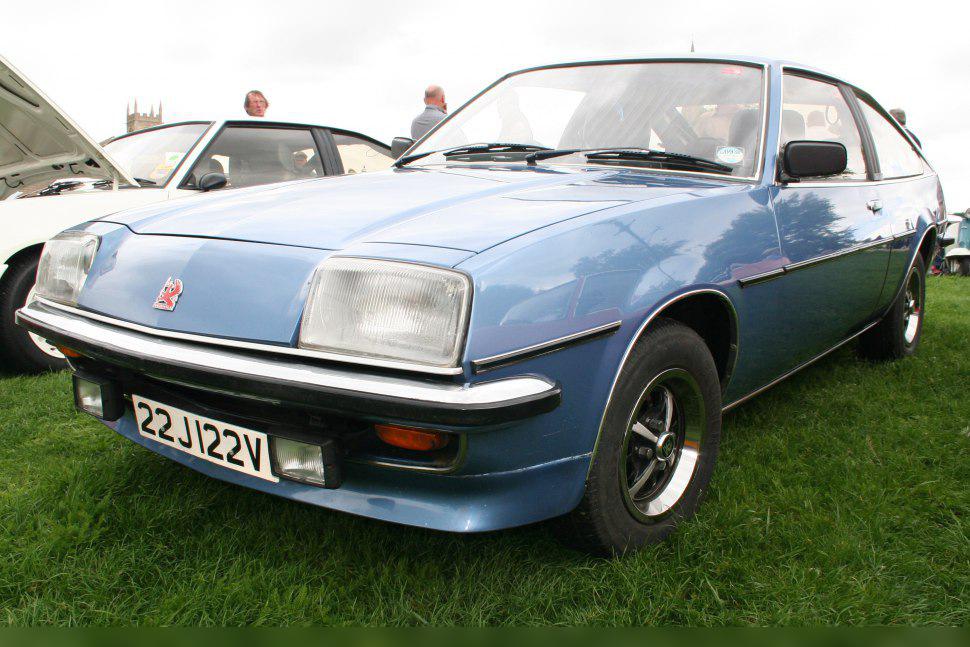
The engine designated as 20S is one of the most important powerplants from Opel’s famous CIH (Cam-in-Head) engine family. Developed in an era when reliability was the absolute priority, this two-liter, 100-horsepower engine was installed in legendary rear-wheel-drive models throughout the 1970s and 1980s. It served as a dependable heart in sporty coupés such as the Opel Manta B, saloons like the Ascona B and Rekord E, as well as in Vauxhall models (Carlton, Cavalier) for right-hand-drive markets.
The "S" in the name stands for "Super" – meaning the engine had a higher compression ratio compared to the weaker "N" (Normal) version, and therefore originally required higher-octane petrol. Today it is a true classic, loved by enthusiasts for its ease of repair and virtually indestructible engine block.
Technical specifications
| Specification | Data |
|---|---|
| Displacement | 1979 cc |
| Engine power | 74 kW (100 hp) |
| Torque | 158 Nm at 3800 rpm |
| Engine code | 20S (CIH architecture) |
| Fuel system | Carburetor (most often twin-choke Zenith 35/40 INAT or Varajet II) |
| Aspiration | Naturally aspirated |
| Fuel type | Petrol (Gasoline) |
Reliability, Maintenance and Failures
Timing belt or chain?
The Opel 20S engine uses a timing chain to drive the valvetrain (camshaft in the head). The chain is of an old-school, heavy-duty design and is extremely durable. Because of this, the typical "major service" in the modern sense does not exist. The chain is replaced only when it stretches, which manifests as rattling and metallic knocking on cold start or at idle. In practice, these chains easily exceed 250,000 km before they need attention.
Most common failures and symptoms
The core mechanics (block, crankshaft, pistons) are virtually indestructible, but peripheral systems cause problems due to age:
- Carburetor issues: Models equipped with the Varajet II carburetor suffer from housing deformation due to heat. Symptoms include unstable idle, fuel leaks, smell of unburnt petrol and hesitation when you press the throttle. It often draws "false air" at the gaskets under the carburetor.
- Valve stem seals: Due to age and high operating temperatures, valve stem seals harden. The driver notices this as a cloud of blue smoke from the exhaust when lifting off the throttle (engine braking) or on cold start in the morning.
- Distributor (points and rotor arm): The contact points and distributor cap usually fail, which leads to jerking while driving and hard starting in damp conditions.
- Water pump and viscous fan: Coolant leaks at the pump or failure of the fan’s viscous coupling, which can cause overheating in traffic jams.
Minor service and oil consumption
This engine takes about 3.8 liters of engine oil. Due to the older design clearances, it is recommended to use only mineral or semi-synthetic oil of 15W-40 or 10W-40 grade. Thinner fully synthetic oils will leak past every seal.
Yes, this engine uses oil between services, and that is structurally normal for its era. Oil consumption of 0.3 to 0.8 liters per 1000 km is considered normal. If it uses more than 1 liter per 1000 km and constantly blows blue smoke under load, it is a sign that the piston rings are worn.
Spark plugs
As a classic old-school petrol engine, it requires spark plug replacement every 20,000 to 30,000 kilometers. Standard copper spark plugs are used (not expensive, depends on market). If the engine burns oil or the carburetor runs too rich, the plugs will foul with soot quickly and need earlier replacement.
Specific Parts and Systems
This engine is a dream for any mechanical enthusiast because it does not have any of the expensive systems that plague modern cars:
- Dual-mass flywheel: NO. The engine has a simple, solid flywheel that practically never fails.
- Fuel injection system: No high-pressure injectors and no electronic injection. The mixture is formed purely mechanically in the carburetor. Maintenance comes down to cleaning the carb jets and adjusting the mixture screw.
- Turbocharger: NO. It is a purely naturally aspirated engine. Throttle response is linear.
- Emission control systems: Forget about DPF filters, EGR valves that clog up, or AdBlue fluid. This engine breathes freely and has no emission-related restrictions, which also means no warning lights on the dashboard to annoy you.
Fuel Consumption and Performance
Real-world fuel consumption and city driving
If you expect fuel efficiency, you will be disappointed. In pure city driving, with constant stop-and-go traffic, consumption ranges from 11 up to 14 liters of petrol per 100 km, especially if the carburetor is not perfectly tuned. On open roads and highways, with a light right foot, consumption drops to around 8 to 9 liters.
Driving dynamics and sense of weight
Is the engine "sluggish"? That depends entirely on the body it is installed in. In lighter models such as the Opel Manta or Ascona (weighing around 1000 kg), 100 hp and 158 Nm provide very decent, even fun rear-wheel-drive dynamics. However, in the heavier Opel Rekord E estate, the engine feels more strained, and power reserves can be lacking when overtaking uphill with a fully loaded car. Torque is available early, which means you do not need to rev the engine high to get the car moving.
Behavior on the motorway
This heavily depends on the gearbox. If paired with the old 4-speed gearbox, at 130 km/h the engine spins at a high 4000 rpm, which creates serious cabin noise and significantly increases fuel consumption. With a 5-speed gearbox (often retrofitted later), revs drop to about 3200 rpm at 130 km/h, allowing for much more comfortable cruising.
Additional Options and Modifications (LPG and Tuning)
LPG (autogas) conversion
This engine is an ideal candidate for LPG conversion. Since it uses a carburetor, the simplest (and cheapest) "Venturi" system with a mixer plate is installed. The installation is inexpensive (depends on market), and the engine handles LPG very well. The only downside is that driving exclusively on gas for many years can lead to valve seat recession, but with occasional driving on petrol, the engine will last for years. LPG consumption is usually about 1 to 2 liters higher compared to petrol.
"Chipping" potential (Stage 1)
Can this engine be chipped? No. Absolutely not. It is a 100% mechanical engine with no ECU (engine control unit) managing fuel injection. Forget about electronic tuning.
If you want more power from the 20S, tuning is done the "old-school" way: fitting twin Weber DCOE carburetors, porting and polishing the cylinder head, installing a hotter camshaft and a freer-flowing exhaust system. Such modifications are very expensive (depends on market) and are done only by true enthusiasts.
Gearboxes and Drivetrain
Types of gearboxes and failures
From the factory, the 20S engine was paired with:
- 4-speed manual gearbox: Very robust, but unsuitable for motorway use. The most common issues are grinding when shifting into 2nd or 3rd gear due to worn synchros, as well as oil leaks from the seals.
- 5-speed manual gearbox (Getrag 240): Introduced later and highly sought after today. Sensitive to low oil level and rough drivers; bearings can become noisy (whining while driving).
- 3-speed automatic gearbox (GM TH180): A classic torque-converter automatic. Very slow and increases fuel consumption. The most common problems are harsh shifts between gears and clutch pack slippage inside the gearbox due to irregular ATF changes.
Clutch price and maintenance
Since it does not have a dual-mass flywheel, the clutch kit (pressure plate, disc, release bearing) is standard and replacement is not expensive at all (depends on market). On old Opels, clutch replacement can be done fairly easily on a lift without dropping the entire front subframe.
In manual gearboxes, the oil is usually changed preventively every 80,000 to 100,000 km, while in the 3-speed automatic, ATF fluid and the filter in the transmission pan require servicing every 40,000 to 60,000 kilometers to avoid burning up the transmission.
Buying Used and Conclusion
What to check before buying?
Since cars with this engine are now classic vehicles (oldtimers or youngtimers), OBD cable diagnostics do not exist. Your best tools are your ears, eyes and an experienced mechanic.
- Visual inspection under the bonnet: Check for "mayonnaise" (sludge) on the oil filler cap and oily spots in the coolant reservoir. The head gasket often fails due to age.
- Cold start: Listen to the engine immediately on startup. If you hear loud rattling from the front of the engine that disappears after a few seconds, the timing chain needs replacement.
- Test drive: While driving, accelerate and then suddenly lift off the throttle and look in the rear-view mirror. If you see blue smoke, the valve stem seals need replacing. If it smokes while you keep heavy throttle, the piston rings are worn out.
- Carburetor: If the engine idles unevenly, shakes or bogs down when pulling away, be prepared for a painstaking search for carburetor rebuild parts, which today can be a challenge worldwide.
Final verdict: Who is it for?
The Opel 20S engine is not a powerplant for everyday commuting in stop-and-go traffic, because it is thirsty and requires adjustment. This is an engine for enthusiasts, automotive history lovers and weekend drivers who want mechanics they can maintain themselves in their own garage with basic tools and good knowledge. If you find an example whose bodywork has not been eaten away by rust (which is a much bigger problem on old Opels than the engine itself), the mechanics of the 20S unit, with regular use of good oil and a bit of patience with the carburetor, will never leave you stranded.