Opel 1.4 Turbo A14NEL Engine (120 HP) – Experiences, issues, fuel consumption and used-car buying tips
- Timing chain instead of timing belt: The timing is driven by a chain, but it is not lifetime. Replacement depends on driving style and lubrication quality.
- Manual gearbox issues: The notorious M32 gearbox is a common weak point; the bearings fail and a rebuild is required.
- Injection system ideal for LPG: The indirect injection (MPI) makes this engine perfect and cost-effective for LPG conversion.
- Sensitivity to oil type: Due to the risk of piston cracking (LSPI phenomenon), only a specific oil type must be used.
- Lack of power in heavier vehicles: It feels lively in the Corsa, but in the heavy Astra J and Zafira it can seem quite sluggish when accelerating.
- Expensive clutch replacement: It has a dual-mass flywheel whose replacement is a significant expense.
Contents
- Introduction and basic information
- Technical specifications
- Reliability, maintenance and failures
- Specific components and emissions
- Real-world fuel consumption and performance
- LPG conversion and remapping (tuning)
- Gearbox and clutch issues
- Used-car buying tips and conclusion
Introduction and basic information
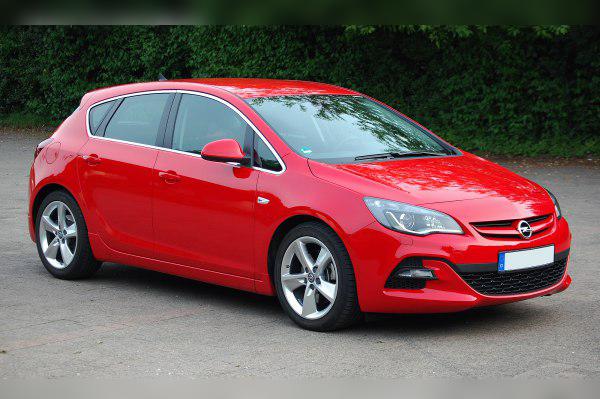
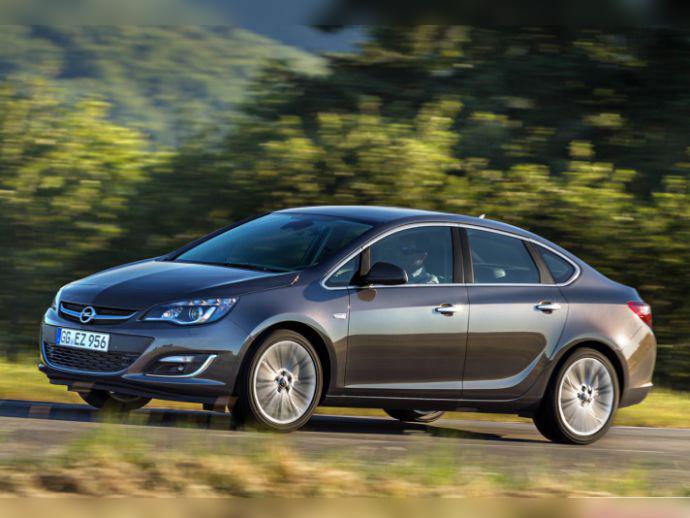
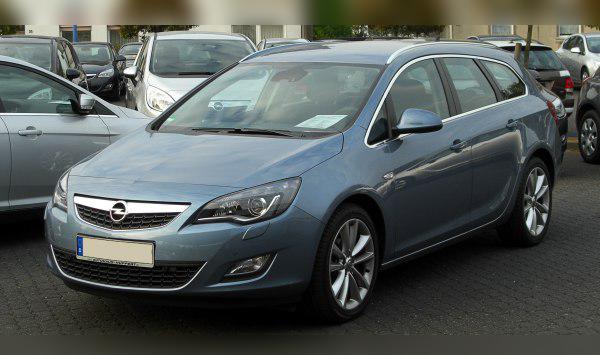
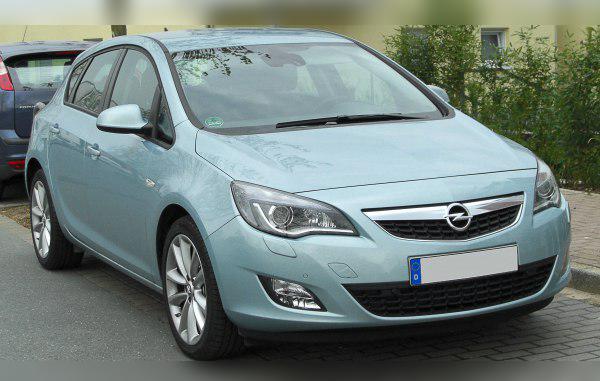
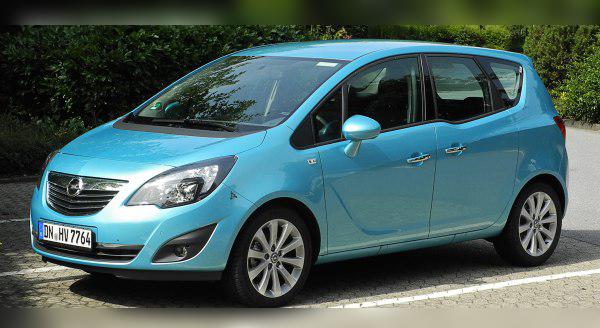
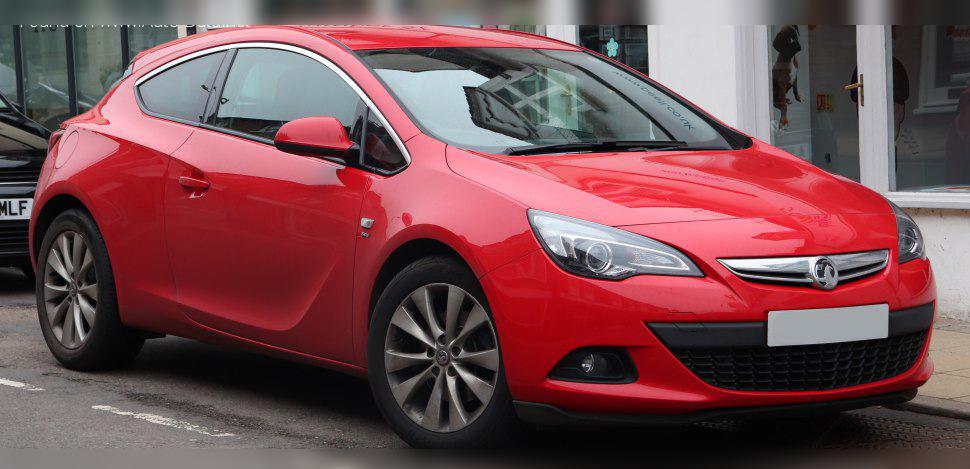
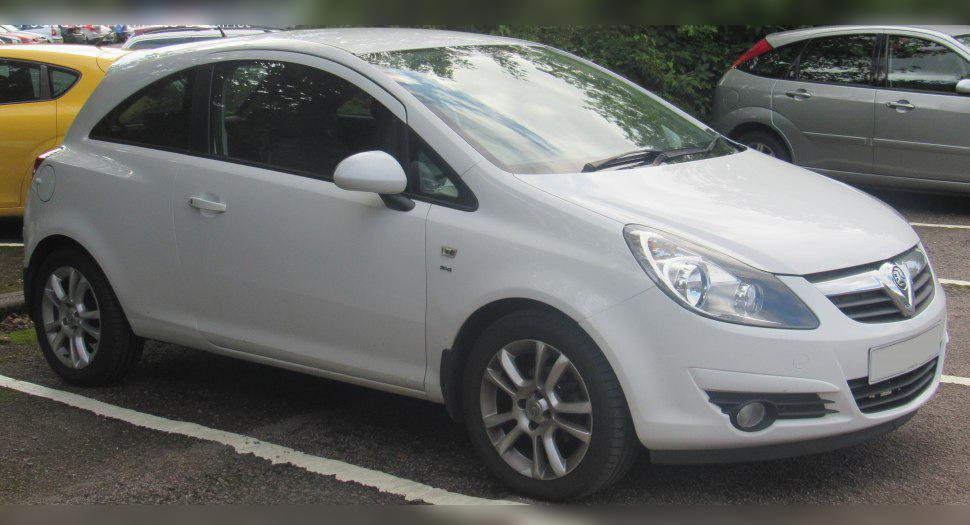
The engine designated A14NEL is Opel’s (GM) well-known 1.4‑liter turbo petrol unit producing 120 horsepower. It was developed in the era of “downsizing” (reducing displacement while adding a turbocharger) and represents a detuned version of the more powerful A14NET engine with 140 HP, with which it shares almost all mechanical components. This powerplant was widely used across Opel’s compact and family range, from the Corsa D and Astra J (Hatchback, Sedan, Sports Tourer, GTC), through the Meriva B, all the way to the large Zafira Tourer C. Its primary goal was to replace older naturally aspirated, larger-displacement engines by offering better torque at lower revs.
Technical specifications
| Parameter | Value |
|---|---|
| Engine code | A14NEL |
| Displacement | 1364 cc |
| Engine power | 88 kW (120 HP) |
| Torque | 175 Nm |
| Fuel type | Petrol (Gasoline) |
| Injection type | Multi-point indirect injection (MPI) |
| Charging | Turbocharger with intercooler |
Reliability, maintenance and failures
The timing system of this engine is driven by a chain, which in theory reduces maintenance costs compared to a timing belt. However, in practice the chain is not lifetime. It is prone to stretching, while the guides and tensioners wear out. There is no fixed interval for a major timing service (chain replacement); it is done when the engine starts rattling at cold start or while running, which usually happens between 120,000 and 150,000 km. The price of a timing chain kit with labor ranges from moderately expensive to expensive (depending on the market).
The lubrication system requires particular attention. The engine holds about 4.0 liters of oil. Due to the well-known issue of low-speed pre-ignition (LSPI), which can cause piston cracking, the manufacturer revised its recommendations. It is mandatory to use 5W‑30 oil that meets Dexos1 Gen2 (or Gen3) specification. Using older Dexos2 oils in this petrol engine is strongly discouraged. Some oil consumption between services is present; up to 0.5 liters per 1,000 km is considered within factory tolerance, but in practice a healthy engine should not consume more than 1 to 1.5 liters between services (over 10,000 km). The oil change interval should definitely be shortened to 10,000–15,000 km.
Among the most common specific failures is coolant leakage. The water pump is prone to leaking, as is the thermostat housing, along with the plastic coolant junction and the expansion tank itself, which often cracks due to age and temperature. Another very common problem is the PCV valve (crankcase ventilation system), which is integrated into the plastic valve cover. When the membrane inside it tears, the engine starts running roughly, loses power and produces a characteristic whistling sound (like a kettle). The solution is to replace the entire valve cover, which is not excessively expensive (depending on the market), but is unavoidable.
As with any petrol engine, the ignition system is crucial. Spark plugs should be replaced every 60,000 km. High-quality iridium spark plugs are recommended. Skipping this interval directly leads to coil pack failure (the coils come as one block), which leaves you stranded with an engine running on three cylinders and a lit “Check Engine” warning.
Specific components and emissions
This engine relies on indirect injection (MPI), which is excellent news. The injectors are extremely reliable and very rarely cause problems. They are not expensive to clean or replace compared to direct-injection systems.
The engine is equipped with a single BorgWarner turbocharger. The turbo’s lifespan is quite good if the owner changes the oil regularly and does not switch the engine off immediately after hard driving on the motorway (to allow the oil in the turbo to cool down). However, a known issue is the rattling of the wastegate arm on the turbo when the shaft wears due to thermal stress. This often does not affect engine operation immediately, but over time it leads to loss of boost (underboost) and requires a turbo rebuild, which is expensive (depending on the market).
Since the A14NEL is an older-generation petrol engine, it does not have a DPF filter and does not require AdBlue. Emissions control relies on a conventional catalytic converter and lambda sensors. There is no classic mechanical EGR valve on most versions, as GM achieves exhaust gas recirculation by smart control of variable valve timing (VVT system via solenoids and cam phasers on the camshafts).
Real-world fuel consumption and performance
Real fuel consumption is a sensitive topic. In city driving, depending on how heavy your right foot is and on traffic conditions, you can expect between 8.5 and 10.5 liters per 100 km. Although the engine has a turbocharger, the displacement is small and the cars it powers are surprisingly heavy. For example, the Opel Astra J often weighs over 1,400 kg.
For that weight, a 120 HP and 175 Nm engine can feel quite “sluggish” at low revs, before the turbo fully spools up (below 2,000 rpm). The driver often has to press the accelerator harder to keep up with traffic, which increases fuel consumption. On the other hand, in the lighter Corsa D this engine delivers great, almost sporty performance.
On the motorway the situation improves. The engine cruises comfortably, and thanks to the 6‑speed gearbox, at 130 km/h it runs at a pleasant 2,800–3,000 rpm. Cabin noise is minimal, and motorway fuel consumption is around 6.5 to 7.5 liters per 100 km. There is not enough power for brutal overtakes on uphill sections, so timely downshifting is required.
LPG conversion and remapping (tuning)
The A14NEL is one of the best modern turbo engines for LPG (autogas) conversion. Thanks to MPI injection, the installation is straightforward, the LPG kit is not overly expensive, and the engine runs flawlessly on gas. The manufacturer itself offered factory LPG versions (e.g. Meriva B LPG). The only note is to check valve clearances regularly at higher mileages if the system is not perfectly tuned, although the cylinder heads are quite robust.
As for power upgrades, this engine is a tuner’s dream. Since it is almost hardware-identical to the A14NET (140 HP and 200 Nm), with a safe Stage 1 software remap this engine easily, reliably and without overstressing components reaches 160–165 HP and around 240 Nm of torque. With this upgrade, vehicle weight ceases to be an issue and the car becomes dramatically more responsive, without a negative impact on fuel consumption in normal driving.
Gearbox and clutch issues
This is the section that worries potential buyers the most. With this engine, the manual versions are paired with the notorious M32 6‑speed manual gearbox. Its factory flaw lies in undersized bearings and insufficient cooling of the rear shaft in the casing. Symptoms of failure are whining/humming while driving in 1st, 2nd, 5th or 6th gear, as well as visible fore‑aft movement (jerking) of the gear lever when you press and release the throttle. Rebuilding the gearbox (replacing bearings and synchros) is an expensive to very expensive job (depending on the market). Preventive maintenance means changing the gearbox oil every 60,000 km, with experienced mechanics filling about 2.2–2.4 liters of quality oil (e.g. Fuchs or OEM GM), which is slightly above the factory recommendation so that the top bearing is properly lubricated.
The automatic gearbox is a 6‑speed conventional torque‑converter unit (mostly GM 6T40 series). The automatic is comfortable and relatively reliable if serviced regularly. It requires mandatory oil changes every 60,000–80,000 km. It does not tolerate excessive loads and sporty driving.
Regarding the clutch, manual models with this engine have a dual‑mass flywheel. Its job is to dampen vibrations, but over time the springs inside it weaken (symptoms: shuddering when pulling away and knocking noises when switching the engine off). The clutch kit (pressure plate, disc, hydraulic release bearing) combined with the dual‑mass flywheel is a very costly item (depending on the market), so pay special attention to this when buying used.
Used-car buying tips and conclusion
During a test drive and inspection, make sure to pay attention to the following:
- Listen to the engine on cold start: If you hear a sharp metallic rattle in the first few seconds, the timing chain is due for replacement.
- Test the M32 gearbox: Drive in 5th and 6th gear, press and release the throttle. If the gear lever moves noticeably back and forth, the gearbox bearings are worn out.
- Listen under the bonnet: If the engine produces a whistling sound that disappears when you pull out the dipstick, the valve cover membrane has torn.
- Inspect the cooling system: Look for white or pink traces of dried coolant around the expansion tank, thermostat and water pump.
- Check the service history (oil): If Dexos1 Gen2 oil has not been used, there is a slight risk of piston damage.
Conclusion: Who is this engine for?
The A14NEL engine is an excellent choice for the average family driver looking for reliable and comfortable transport while avoiding the complexity of diesel engines (DPF, AdBlue). Its biggest advantage is the easy conversion to cheaper LPG and the huge potential for remapping to compensate for vehicle weight. Although it has its known weaknesses, repairs to the cooling system and PCV valve are not overly expensive. The main risks lie in the M32 gearbox and the dual‑mass flywheel. If you find a well‑maintained example and factor in a budget for timing chain replacement in the foreseeable future, this engine will serve you faithfully for many years.