Engine A16LET (1.6 Turbo 180 HP) – Experiences, problems, fuel consumption and used-car buying tips
Key points (TL;DR)
- Older-style fuel injection: Unlike newer SIDI engines, the A16LET has MPI (indirect) injection, which makes it an excellent candidate for LPG (autogas) conversion.
- Weak point – Manual gearbox: It is paired with the notorious M32 manual gearbox whose bearings often fail.
- Fuel consumption: Due to the high weight of the models it is fitted to (Astra J, Insignia), city fuel consumption is high (easily over 11 l/100 km).
- Performance: Although it has 180 HP on paper, in real driving it doesn’t feel that explosive because of the heavy body of the car.
- Maintenance: It uses a timing belt (major service is not too expensive), but it is sensitive to oil quality. It is essential to use oil that prevents LSPI (Low Speed Pre-Ignition).
- Common failures: PCV valve membrane failure (in the valve cover), ignition module (coil pack) problems and potential piston ring failure on poorly maintained examples.
Contents
- Introduction: About the A16LET engine
- Technical specifications
- Reliability and maintenance
- Specific parts and costs
- Fuel consumption and performance
- Additional options and modifications (LPG and remapping)
- Gearbox (M32 and automatic)
- Buying used and conclusion
Introduction: About the A16LET engine
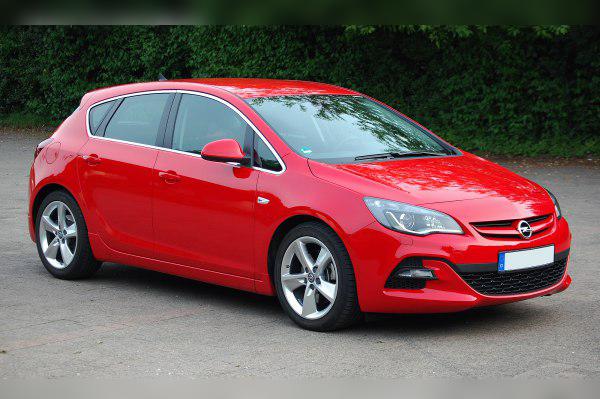
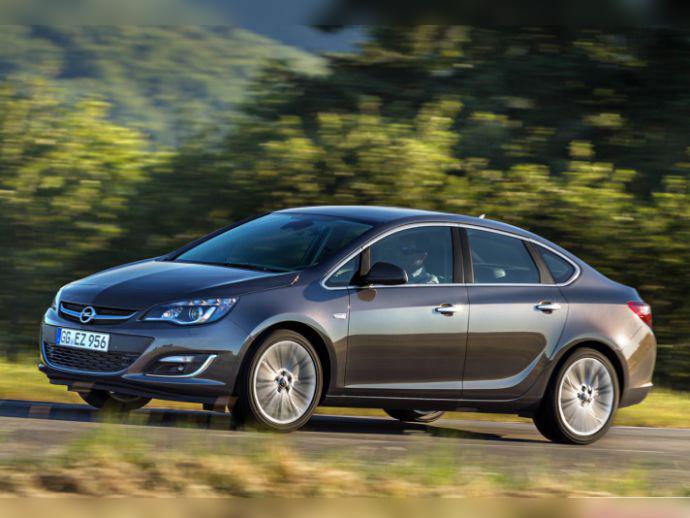
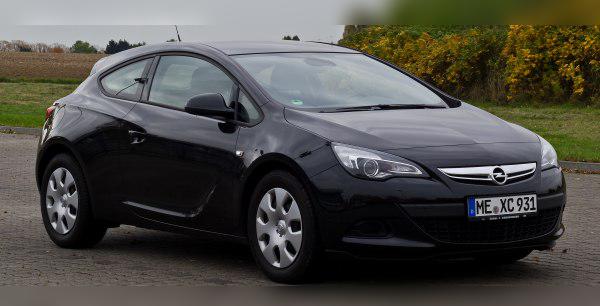
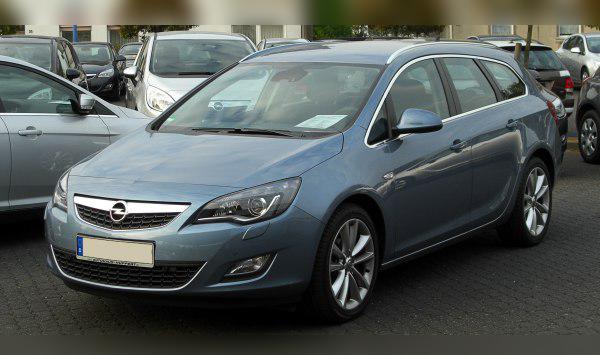
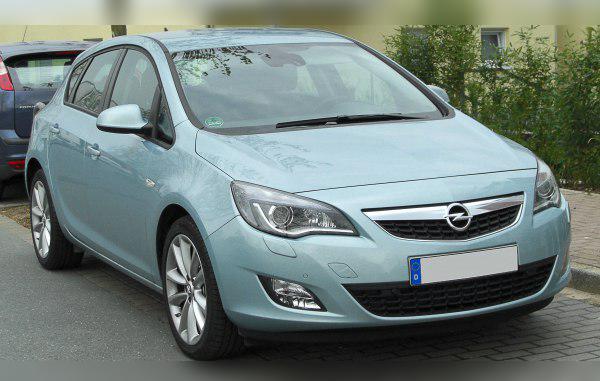
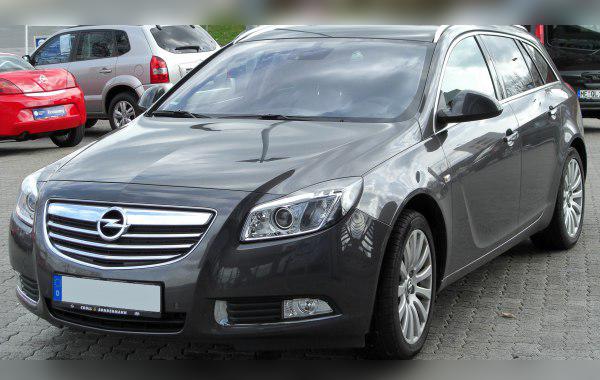
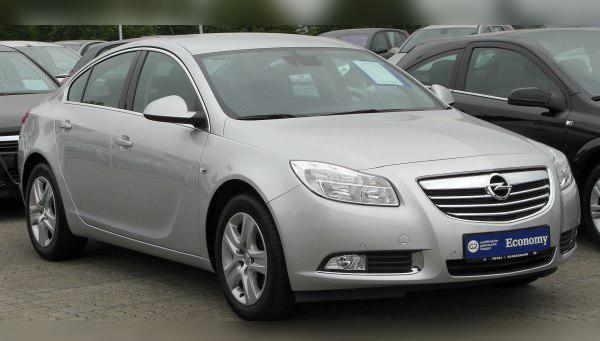
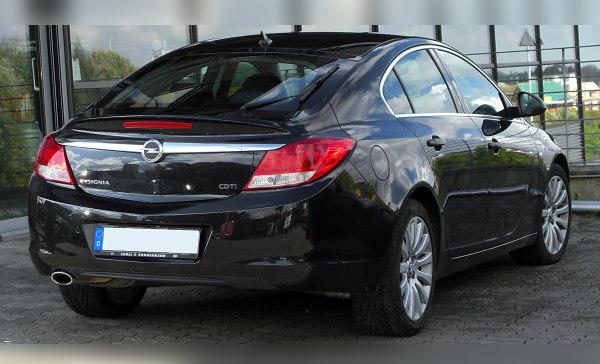
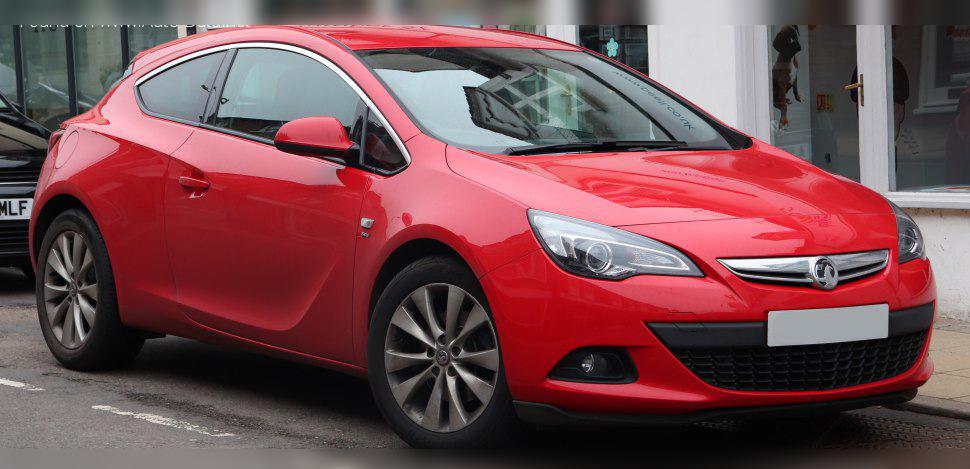
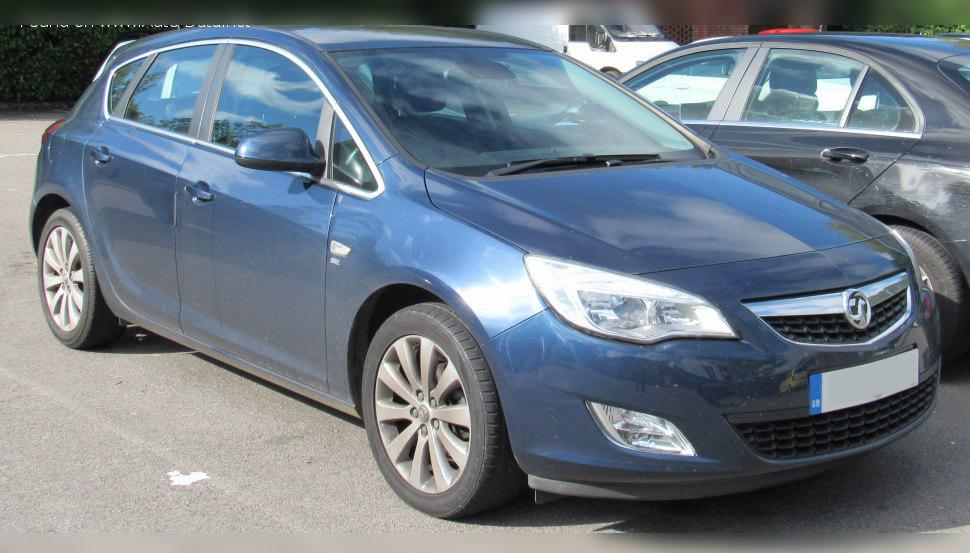
The engine designated as A16LET represents a transitional generation of Ecotec turbo petrol engines from the General Motors group (Family 1). It was primarily installed in heavy C and D segment models such as the Opel Astra J (in all body styles) and Opel Insignia A, as well as their Vauxhall twins. Its task was to replace larger naturally aspirated engines (such as the old 2.2-litre), offering better torque with the help of a turbocharger.
It is important to emphasize that this is not a direct-injection (SIDI) engine that came later (A16XHT). The A16LET uses classic multipoint (MPI) injection, which drastically changes the story when it comes to reliability and running costs.
Technical specifications
| Specification | Data |
|---|---|
| Displacement | 1598 cc |
| Power | 132 kW (180 HP) at 5500 rpm |
| Torque | 230 Nm (from 2200 rpm) |
| Engine code | A16LET |
| Injection type | Multipoint (MPI) – Indirect |
| Aspiration | Turbocharger with intercooler |
| Timing system | Timing belt |
| Emission standard | Euro 5 |
Reliability and maintenance
Timing belt or chain?
Unlike the smaller 1.4 Turbo engines from the same manufacturer, the A16LET has a timing belt. This is good news for owners because belt replacement is far more predictable and cheaper than the complicated replacement of a stretched chain. The factory interval for the major service is an optimistic 150,000 km or 10 years, but any experienced mechanic will tell you that the major service (belts, rollers, tensioners, water pump) should be done at a maximum of 90,000 to 100,000 km. The price of the major service ranges from low to moderate (depends on the market).
Most common failures and symptoms
When this engine fails, the following issues are most common:
- PCV valve membrane (crankcase ventilation system): This is by far the most common problem. The PCV valve is integrated into the valve cover. When the membrane tears, the engine starts to draw in unmetered air and to consume excessive oil. Symptoms are a distinct “whistling” sound from the engine bay and difficulty removing the oil filler cap while the engine is running (due to high vacuum). The solution is to replace the entire valve cover. Do not try to “patch” the membrane, as it rarely works in the long term.
- Ignition module (coil pack): The A16LET uses a single module for all four spark plugs (a “DIS module”). When it fails, the engine starts to jerk under acceleration, runs on three cylinders and turns on the “Check Engine” light. The most common cause of module failure is spark plugs that have not been changed for too long.
- Oil and coolant leaks: The oil cooler seals can fail due to thermal stress, which can lead to oil and coolant mixing (sludge appears in the expansion tank). Also, coolant leaks from plastic junctions and the thermostat housing are a standard occurrence after 10 years of use.
- Piston and ring failure (LSPI): This engine is sensitive to so-called Low Speed Pre-Ignition (pre-ignition at low revs), a phenomenon that can physically break a piston or rings (most often on cylinder no. 4). Because of this, owners are required to use strictly specified oil.
Oil and service intervals
The engine takes about 4.5 litres of oil. The most important thing with the A16LET is to switch to Dexos 1 Gen 2 or Gen 3 oil specification (5W-30 grade), which General Motors later prescribed specifically to prevent the aforementioned LSPI effect. Previously Dexos 2 was used, but it is no longer recommended for this turbo petrol engine.
The engine is factory-known to “drink” a bit of oil. Consumption of up to 0.2–0.3 litres per 1000 km is considered normal. If it consumes more than half a litre per 1000 km, this points to a problem with the turbo, valve stem seals, a clogged PCV valve or worn piston rings.
Spark plugs
Iridium spark plugs must be replaced every 60,000 km. Do not postpone this replacement because, as mentioned, a bad plug means higher resistance, which burns out the expensive ignition module.
Specific parts and costs
Does it have a dual-mass flywheel?
Yes. Versions with a manual gearbox are equipped with a dual-mass flywheel. Since a petrol engine produces fewer vibrations than a diesel, this flywheel lasts quite a long time (often over 200,000 km). Replacing the complete clutch kit with the dual-mass flywheel is expensive (depends on the market).
Fuel injection system
As already mentioned, the engine uses an MPI system with injectors that spray fuel in front of the intake valves into the intake manifold. These petrol injectors are very reliable and rarely cause problems. There is no expensive high-pressure pump (BOSCH pump) as in direct-injection engines, and the intake valves are constantly washed with fuel, so there is no carbon build-up on them, which is a big advantage.
Turbocharger
The A16LET has a single turbocharger (BorgWarner/KKK K03). Its service life is average, around 150,000 to 200,000 km, depending on driving style. The problematic area is often the turbine housing and exhaust manifold (cast as a single piece). Over time, small cracks can appear in the exhaust manifold (due to high EGT – Exhaust Gas Temperature), as well as play in the “wastegate” valve shaft, which results in a metallic rattle when lifting off the throttle and loss of boost pressure. Turbocharger overhaul is moderately expensive (depends on the market).
DPF, EGR and AdBlue?
Since this is a petrol engine, it does not have a DPF filter or an AdBlue system. Also, this engine does not have a classic external EGR valve that constantly clogs up. Exhaust gas recirculation is performed internally, via variable valve timing (VVT). VVT solenoids (actuators) can, over time, have their screens clogged with fine metal particles from the oil, so they sometimes need to be cleaned or replaced (symptoms: the car is harder to start, loses power, runs rough and reports camshaft sensor errors).
Fuel consumption and performance
Real-world fuel consumption and city driving
This is an old-school engine. Installed in the Astra J (which often exceeds 1,400 kg) or Insignia A (over 1,500 kg), it has to haul serious weight. Because of this, city fuel consumption is high. In stop-and-go traffic, do not expect less than 10 to 12 litres per 100 km. If you have a heavy right foot, consumption easily exceeds 13 litres.
Is the engine sluggish for this body?
Out of the 180 HP on paper, on the road you will feel maybe 140–150 HP. The high kerb weight simply “eats up” those 180 HP. The engine is not “sluggish”; it can pull very well when needed and overtaking on country roads is easy and safe, but it does not have that sporty “kick in the back” you might expect from the rated power. Power delivery is quite linear.
On the motorway
This is its natural habitat. The engine does not struggle at high speeds. At a cruising speed of 130 km/h in 6th gear, the engine spins at a comfortable 2800–3000 rpm (depending on the specific gearbox ratios). The cabin is quiet, and motorway fuel consumption is around 7.5 to 8.5 litres, provided you do not push it much over 130 km/h. The Insignia’s aerodynamics help save fuel here.
Additional options and modifications
LPG conversion (autogas)
It handles LPG very well! Thanks to MPI injection, conversion to LPG is straightforward and not too expensive (depends on the market). It does not require costly liquid-phase systems or systems that inject petrol in a certain percentage (as direct-injection engines do). The only things to pay attention to: since this is a turbo engine, the LPG system and vaporizer must be sized for over 200 HP, and the maps must be perfectly tuned so that the mixture is not lean at high revs (which would raise temperatures and burn the valves). Some specialists also recommend installing a valve lubrication system as a preventive measure.
Remapping (Stage 1)
The engine has 180 HP from the factory. A safe Stage 1 remap raises power to about 205–215 HP, and torque from 230 Nm to around 280–300 Nm. The difference is quite noticeable and the car becomes much more agile at low revs. However, the limiting factor is not the injectors or turbo, but the clutch and the aforementioned sensitive pistons. Do not go for “aggressive maps” that push huge turbo pressure at low revs, as this can destroy the manual gearbox or break a piston (LSPI).
Gearbox: The Achilles’ heel of this model
Manual gearbox (notorious M32)
Most models with this engine (Astra J, less often Insignia) are paired with a 6-speed manual gearbox with the code M32. This is the biggest weakness of this car. The design and cooling of this gearbox are poor, so the bearings inside the gearbox often wear out (the most vulnerable is the shaft bearing for 1st, 2nd, 5th and 6th gear).
Failure symptoms: Noticeable humming/whining while driving in 1st or 5th and 6th gear. The clearest test is to drive in 1st gear, apply throttle and then suddenly release it – if you notice the gear lever physically moving (jerking back and forth), the bearings are about to fail. Overhauling this gearbox is expensive (depends on the market).
Automatic gearbox
The automatic fitted is a conventional torque-converter automatic made by Aisin (most commonly AF40-6) with 6 speeds. Unlike the M32, this gearbox is very durable and reliable. It does not have a dual-mass flywheel. Failures are rare and gear changes are smooth (although a bit slower compared to modern DSG gearboxes). The only downside of the automatic is that it further increases already high city fuel consumption by about 1 litre.
Gearbox servicing
- Manual (M32): Do not believe in “lifetime oil”. To extend its life, change the oil at a maximum of 60,000 km. The trick used by experienced Opel mechanics is to use top-quality synthetic gearbox oil (75W-85) and to fill 200 to 300 ml more than the factory-specified level (a total of about 2.4 litres) to ensure better immersion and cooling of the problematic upper bearings.
- Automatic: Requires an oil change every 60,000 km (a static change refreshes part of the oil; dynamic flushing at specialized workshops is recommended).
Buying used and conclusion
What to check before buying (inspection):
- Listen to the gearbox (M32): Be sure to test-drive the car. Release the clutch in neutral (do you hear the dual-mass flywheel rattling?), and monitor the gear lever behaviour under load in first, second and fifth gear.
- Valve cover membrane: While the engine is idling, pull out the dipstick or try to unscrew the oil filler cap. If there is a huge vacuum pulling the cap back and you hear hissing, the membrane is torn and you are facing a valve cover replacement.
- Check for leaks: Look at the coolant in the expansion tank – if it is dirty or has a brown emulsion, walk away from that car or ask for a big discount (blown head gasket or failed oil cooler).
- Exhaust manifold / turbo leaks: Start the engine cold. If you hear metallic rattling from the turbo area or smell strong exhaust fumes under the bonnet, the manifold is probably cracked.
Who is this engine for?
Opel’s 1.6 Turbo (A16LET) is an excellent choice for people who want a comfortable and substantial saloon or hatchback for long journeys and open roads, and who also plan to install a quality LPG system to offset the high fuel consumption in city driving. This is not a “racing” engine for street show-offs, but a reliable and flexible cruiser. If you drive a lot of kilometres and are afraid of modern diesel failures (DPF, expensive injectors, pumps), a model with this engine – especially if you find a version with an automatic gearbox or if the previous owner has already overhauled the M32 gearbox – represents a rational and cost-effective purchase.