Opel 1.6 Ecotec (A16XER) 115 HP: Experiences, problems, fuel consumption and used car buying tips
- No expensive components: The engine has neither a dual-mass flywheel (with manual gearboxes) nor a turbocharger, which reduces the risk of very costly failures.
- Sensitive oil cooler: Frequent mixing of oil and coolant due to deterioration of the seals on the oil cooler.
- Variable valve timing (VVT): A “diesel-like” sound at cold start indicates worn camshaft phasers.
- Performance and weight: The engine is quite “lazy” because the bodies it is installed in (Astra J, Insignia) are too heavy for 155 Nm of torque.
- Caution with LPG: The engine has no hydraulic tappets, so LPG installation requires regular valve clearance adjustment and a valve lubrication system.
- F17 gearbox: The 5-speed manual gearbox has sensitive bearings; checking for bearing noise and regular oil changes is mandatory.
Contents
- Introduction: Old-school workhorse in heavy armor
- Technical specifications
- Reliability, maintenance and common failures
- Specific parts and repair costs
- Real-world fuel consumption and performance
- Extras: LPG conversion and remapping
- Transmissions: F17 and automatic gearboxes
- Buying used and final verdict
Introduction: Old-school workhorse in heavy armor
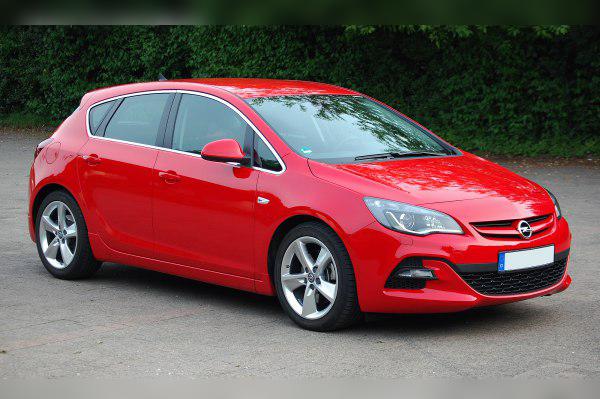
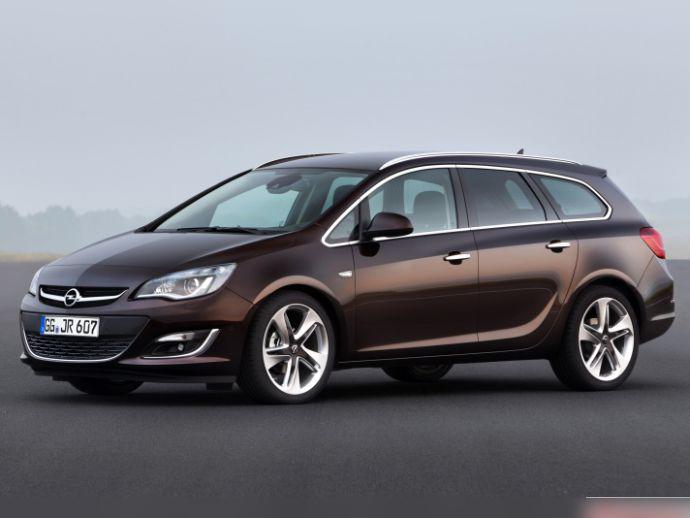
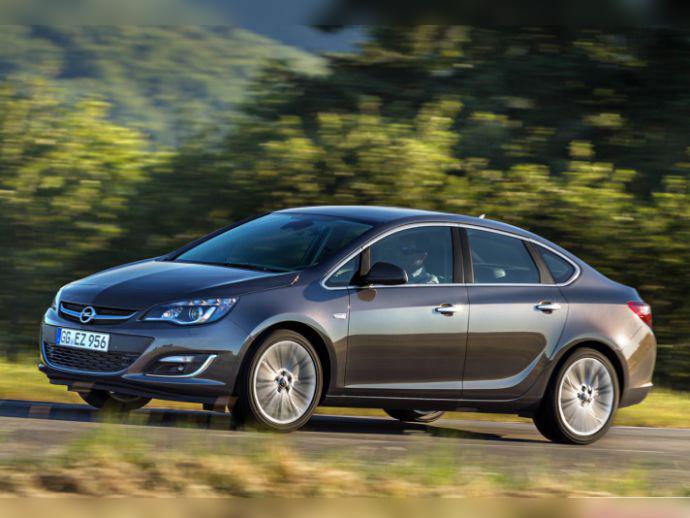
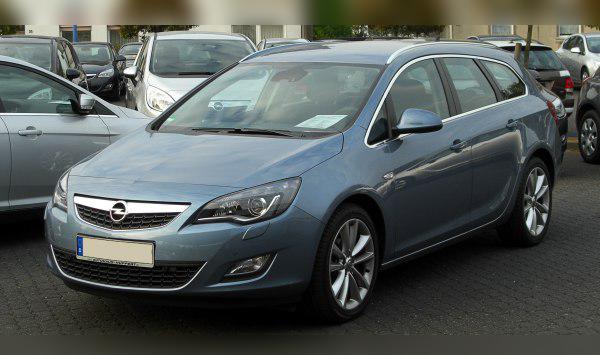
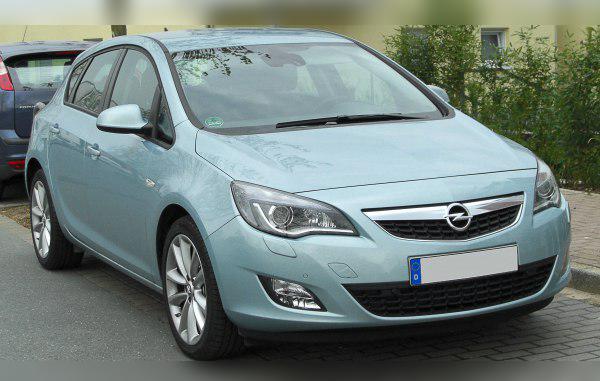
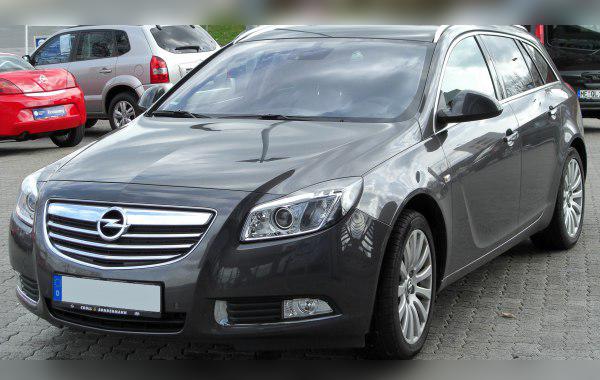
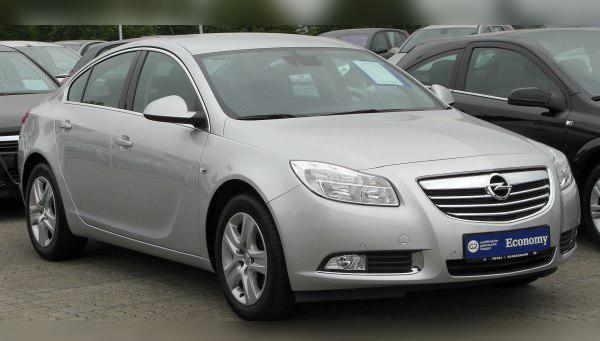
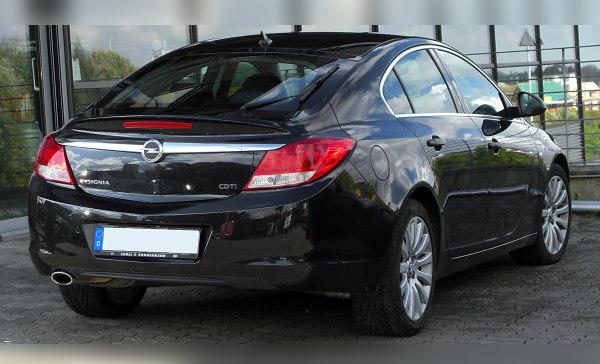
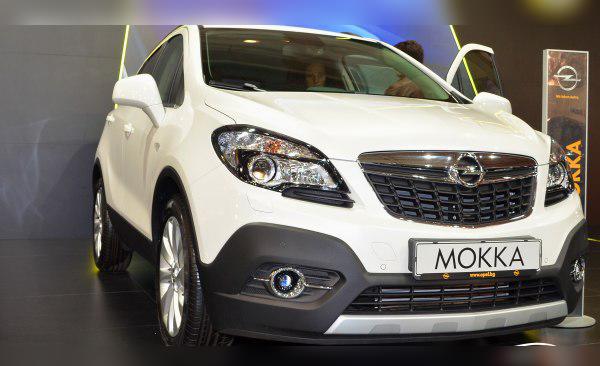
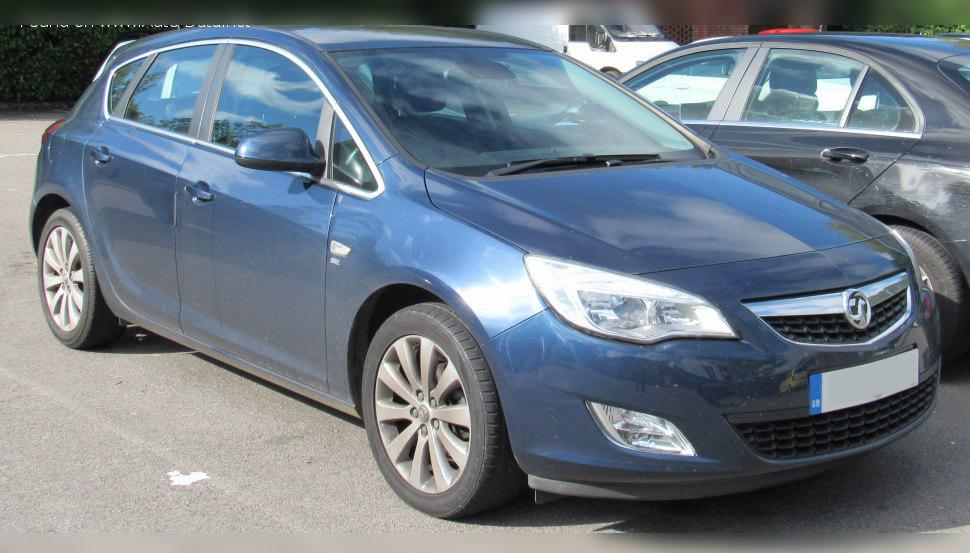
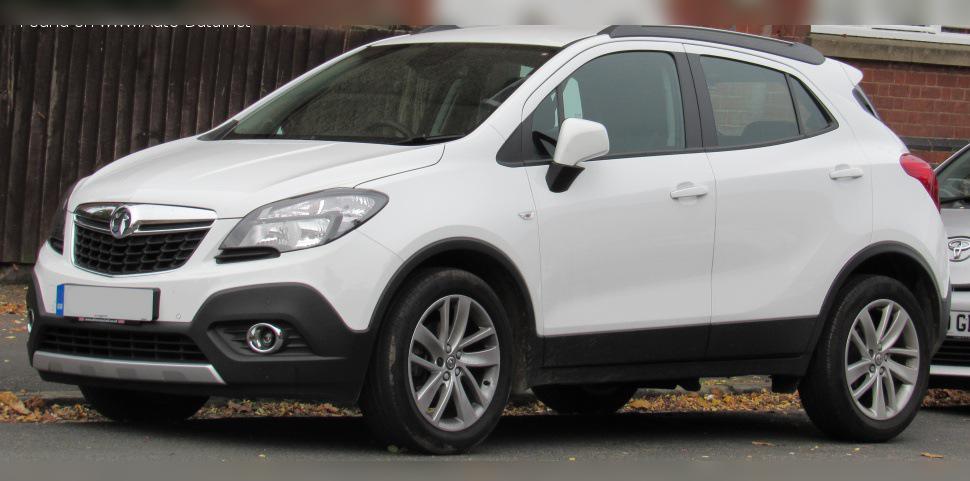
The A16XER engine belongs to GM’s Ecotec family and is one of the most common petrol units in Opel’s (and Vauxhall’s) lineup from the period when the industry was moving into the “downsizing” and turbo era. It was installed in a large number of models, including the Astra J (hatchback, estate and sedan), Mokka SUV, and even the sizeable Insignia A. The main characteristic of this engine is its naturally aspirated design – no turbocharger, which makes it mechanically simpler from the outset. Although this makes it more reliable in terms of avoiding very expensive failures, this unit really has to be “revved out” to move the heavy bodies of modern Opel vehicles, which has certain consequences for fuel consumption and driving dynamics.
Technical specifications
| Parameter | Value |
|---|---|
| Displacement | 1598 cc |
| Power | 85 kW (115 HP) at 6000 rpm |
| Torque | 155 Nm at 4000 rpm |
| Engine code | A16XER |
| Injection type | Multi-point indirect injection (MPI) |
| Aspiration | Naturally aspirated engine |
Reliability, maintenance and common failures
Timing belt and major service
The A16XER uses a timing belt rather than a chain. The factory interval for the major service (replacement of belt, rollers, tensioner and water pump) used to be very optimistic, but experienced mechanics recommend doing this at around 90,000 to 100,000 km (or every 5 years). A snapped belt leads to serious contact between valves and pistons, so this is not something to gamble with.
Oil and regular servicing
The sump holds about 4.5 liters of oil, and the recommended grade is 5W-30 (meeting the Dexos 2 standard). Because the engine’s operating temperature is quite high (the thermostat opens only at 105 °C to meet strict emissions standards), the oil degrades faster. It is therefore wise to do an oil service every 10,000 to 12,000 km at most. As for oil consumption, the internal clearances are somewhat larger. The manufacturer tolerates consumption up to 0.6 l per 1000 km, but a realistic and healthy figure is around 1 to 1.5 liters per 10,000 km between services. If it consumes more than that, the problem usually lies in stuck oil control rings or hardened valve stem seals due to the high operating temperature.
Most common “childhood diseases”
This engine has a solid base, but it is accompanied by specific issues that can test the driver’s patience, although fixing them is usually not extremely expensive:
- Oil cooler (heat exchanger): This is by far the most common issue. It is located behind the exhaust manifold and, due to high temperatures, the seals and gaskets deteriorate. Symptom: A greasy emulsion (“mayonnaise”) appears in the coolant expansion tank. If not resolved in time, the oil can destroy all rubber hoses in the cooling system.
- Variable valve timing (VVT system): The variable valve timing is controlled by solenoid valves and camshaft phasers. When the oil is not changed regularly or the screens on the solenoids get clogged, the phasers are starved of oil pressure. Symptom: On cold start, the engine rattles and sounds like an old diesel for the first 3–5 seconds. Repair requires replacing the cam phasers during the major service (the cost can range from moderate to high, depending on the market).
- Ignition coil pack and spark plugs: The ignition module on Ecotec engines is a single-piece coil pack and it often fails. Symptoms include jerking under load (misfiring), loss of power and the “Check Engine” light. To protect the coil pack, it is essential to replace the spark plugs every 40,000 to 60,000 km at most.
- Electronic thermostat: The thermostat, which opens only at around 105 °C, often fails, gets stuck open (the engine cannot reach operating temperature) or triggers a thermostat heater fault code on diagnostics.
Specific parts and repair costs
The good news for buyers of this engine is the absence of astronomically expensive assemblies. This engine has no turbocharger, and therefore no intercooler or costly boost pressure sensors. Also, since it is a pure petrol engine, there is no DPF filter, no sensitive EGR valve that clogs with soot, and no AdBlue system, all of which are a nightmare on modern diesels.
The injection system is indirect (MPI – Multi Point Injection) into the intake manifold. The petrol injectors on this engine are extremely reliable, rarely fail and are not as sensitive to poorer fuel quality as injectors on direct injection engines (GDI/SIDI). If they do get clogged due to short city trips, simple ultrasonic cleaning is a very cheap solution (not expensive, depending on the market).
Real-world fuel consumption and performance
This is the section where the A16XER receives the most criticism. The Opel Astra J and especially the Insignia are very heavy cars (often weighing around 1400–1500 kg empty). With only 155 Nm of torque, available only at a high 4000 rpm, the engine behaves very “lazy” in real life. For any safe overtaking, you have to shift down and rev the engine above 4000 rpm, at which point it becomes quite loud.
Because you constantly have to press the accelerator harder to get the mass moving, real-world city fuel consumption is between 9 and 11 l/100 km, depending on traffic and driving style. Using the air conditioning in town further “chokes” the engine when pulling away from traffic lights.
On the motorway the situation is not ideal due to the gear ratios. In versions with the 5-speed manual gearbox, at 130 km/h the engine spins at a high 3800 to 4000 rpm. As a result, cabin noise becomes noticeable and motorway consumption rarely drops below 7.5 to 8.5 l/100 km.
Extras: LPG conversion and remapping
Is it suitable for LPG?
The short answer is: It requires special caution. Unlike older Opel engines, the A16XER does not have hydraulic tappets (the valve “buckets” are fixed). LPG burns at a higher temperature than petrol, which leads to rapid valve seat recession. If LPG is installed, it is necessary to check and, if needed, manually adjust the valve clearances every 30,000 to 40,000 km (this requires removing the camshafts, changing the buckets and can be expensive). When fitting a sequential LPG system to this engine, installing a quality valve seat lubrication system (so‑called “drippers” such as Flashlube) is strongly recommended.
Is a “Stage 1” remap worth it?
As a classic naturally aspirated engine, the A16XER is absolutely not worth Stage 1 chiptuning. By altering the ignition map you can gain at most 5 to 8 HP, which the driver will hardly notice in practice. You might achieve a slightly better throttle response (removing electronic throttle lag), but the actual performance will not fundamentally change. Don’t waste your money.
Transmissions: F17 and automatic gearboxes
Manual gearbox (F17) – A weak point
The standard manual gearbox paired with this engine is the notorious 5-speed GM F17. Its biggest weakness is the bearing clusters, which are prone to premature wear, especially given the vehicle’s weight. The symptom is a faint whining or humming in first, second or fifth gear when accelerating or lifting off the throttle. To extend the life of the gearbox, it is recommended to change the gearbox oil (it holds just under 2 liters) every 60,000 km.
The upside is that this manual gearbox does not use a dual-mass flywheel. The clutch is conventional, with a solid flywheel, and the price of a clutch kit and concentric slave cylinder (release bearing) is very reasonable and not expensive (depending on the market).
Automatic gearboxes
Automatic versions use a conventional torque-converter automatic (GM 6T30/6T40, 6 speeds). These gearboxes provide comfortable driving, but make the engine feel even more sluggish and add about one liter to city fuel consumption. Failures most often occur due to irregular maintenance – valves in the valve body fail. It is necessary to perform a partial or machine ATF change every 60,000 to 80,000 km. With the automatic you avoid the issues of the F17 manual, but you get slightly higher routine maintenance costs and higher fuel consumption.
Buying used and final verdict
What to check before buying?
- Coolant expansion tank: Unscrew the cap while the engine is cold and dip your finger in. If you find a thick brownish cream-like substance (“mayonnaise”), the oil cooler has failed.
- Cold start: Ask the owner not to start the car before you arrive. On the first crank, listen to the left side of the engine (where the belts are). If it rattles or clatters for a few seconds like a diesel, prepare to invest in new cam phasers.
- Oil leaks: The engine tends to weep oil from the valve cover gasket. The oil often runs straight into the spark plug wells, which quickly kills the coil pack. Visually inspect the top of the engine block.
- Gearbox noise: During the test drive, in second gear lift off the throttle and carefully listen for any humming or whining from the gearbox.
Who is this engine for?
Opel’s A16XER 1.6 Ecotec with 115 HP is not made for drivers who enjoy dynamic driving and hard acceleration for overtaking. It is a true workhorse, intended for relaxed driving from point A to point B, primarily in flat regions or for city and suburban use. Thanks to the absence of a dual-mass flywheel, turbocharger, DPF and complex injectors, unexpected maintenance costs are significantly lower than on modern CDTI diesels. If you don’t mind somewhat higher fuel consumption and the engine’s sluggishness, and your priority is mechanical simplicity and longevity, an Astra J or Mokka with this engine can be a very cost-effective and sensible used-car purchase.