Opel C14NZ engine (1.4i 60 hp): Experiences, problems, fuel consumption and used-car buying tips
- Engine known for extreme durability and simplicity; the so‑called “indestructible” Opel block.
- Uses a timing belt and is specific in that it does not bend valves if the belt snaps.
- Features single-point injection (Multec SPI) which is simple, but can suffer from minor electronic gremlins.
- Maintenance is extremely cheap, and spare parts are available everywhere.
- Absolutely perfect for installing a cheap LPG system.
- Performance is very modest – excellent for lighter cars (Corsa), but rather “lazy” in wagon versions.
- Not intended for fast highway driving due to lack of power and short gear ratios.
Contents
- Introduction
- Technical specifications
- Reliability and maintenance
- Specific parts (costs)
- Fuel consumption and performance
- Additional options and modifications
- Gearbox
- Buying used and conclusion
Introduction
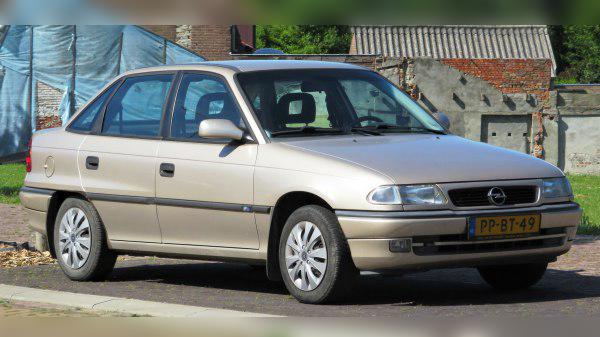
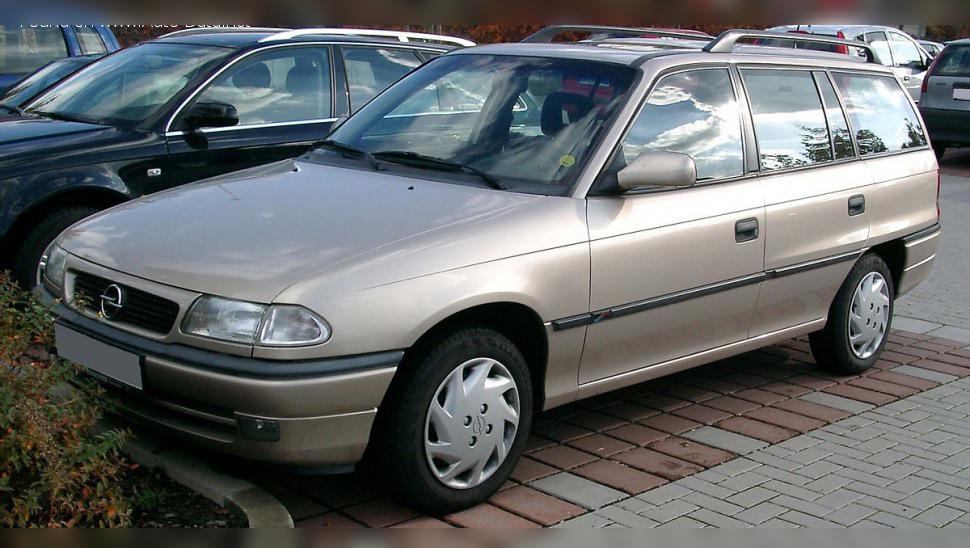
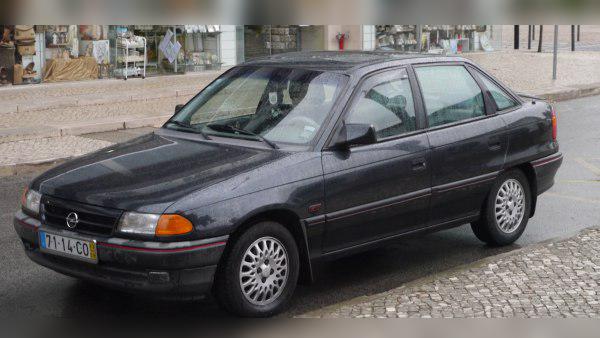
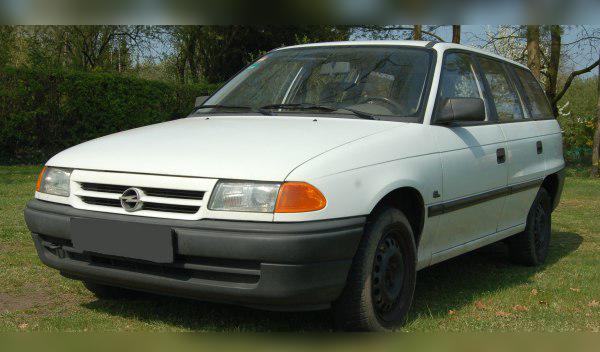
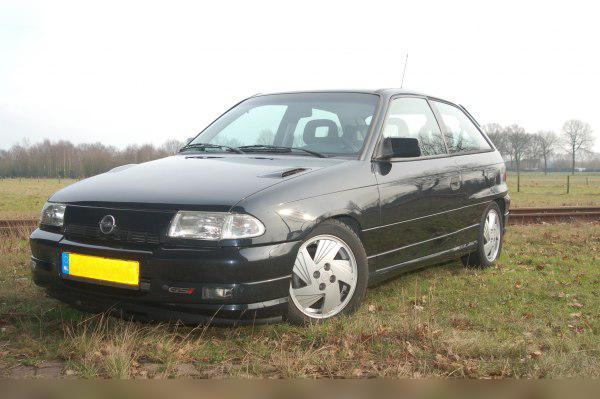
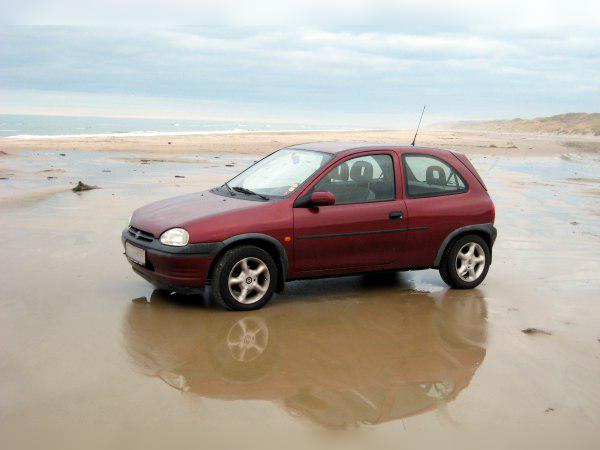
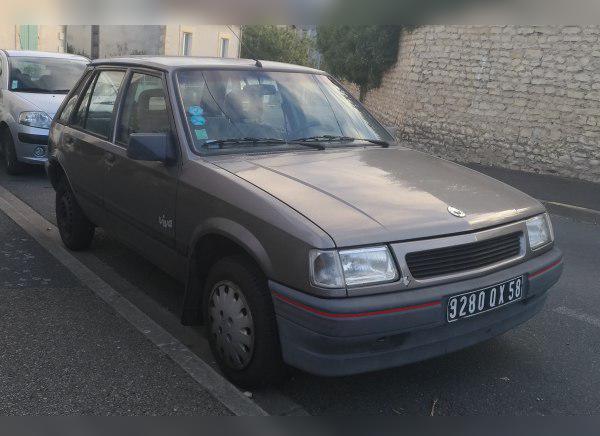
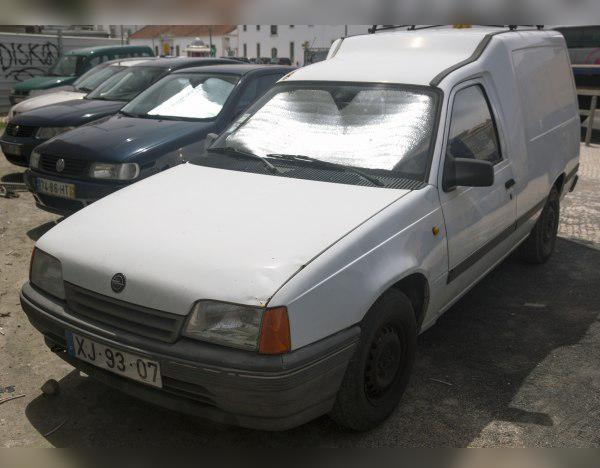
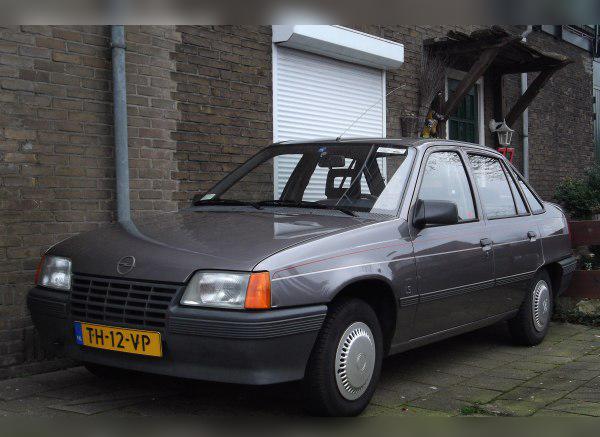
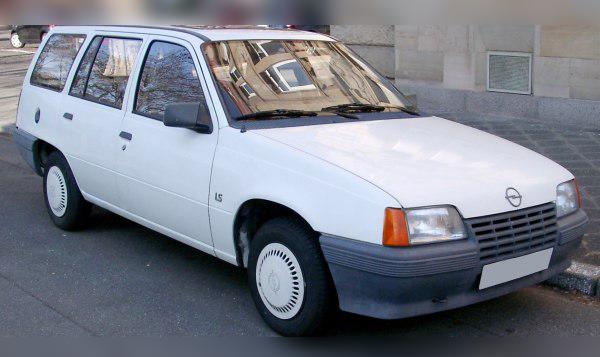
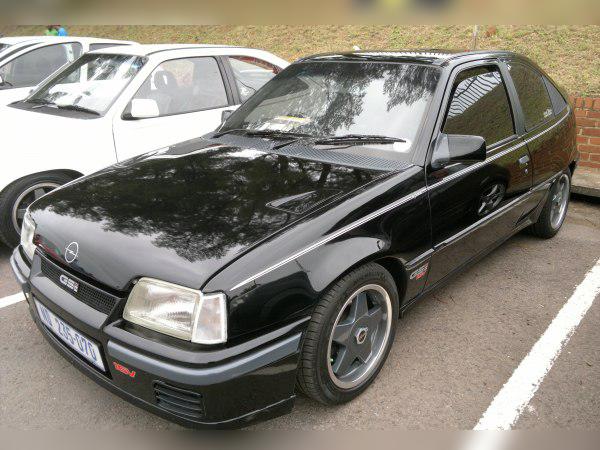
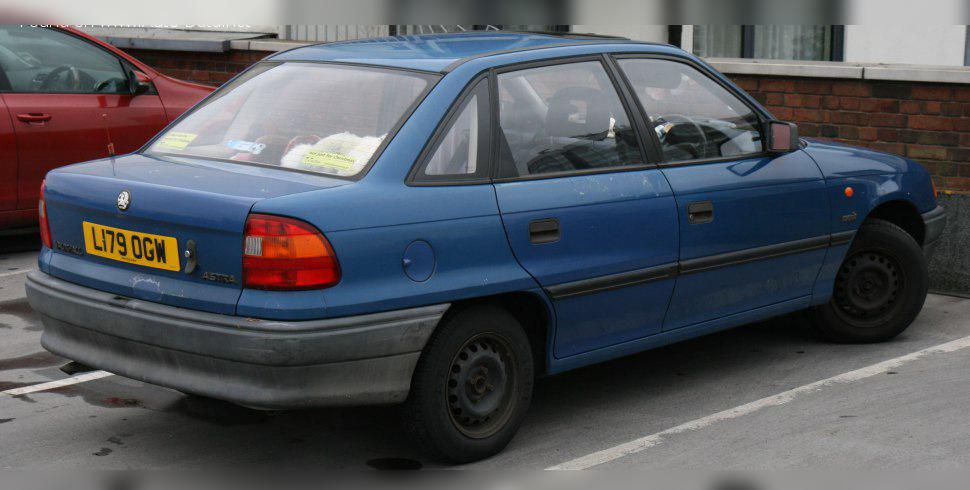
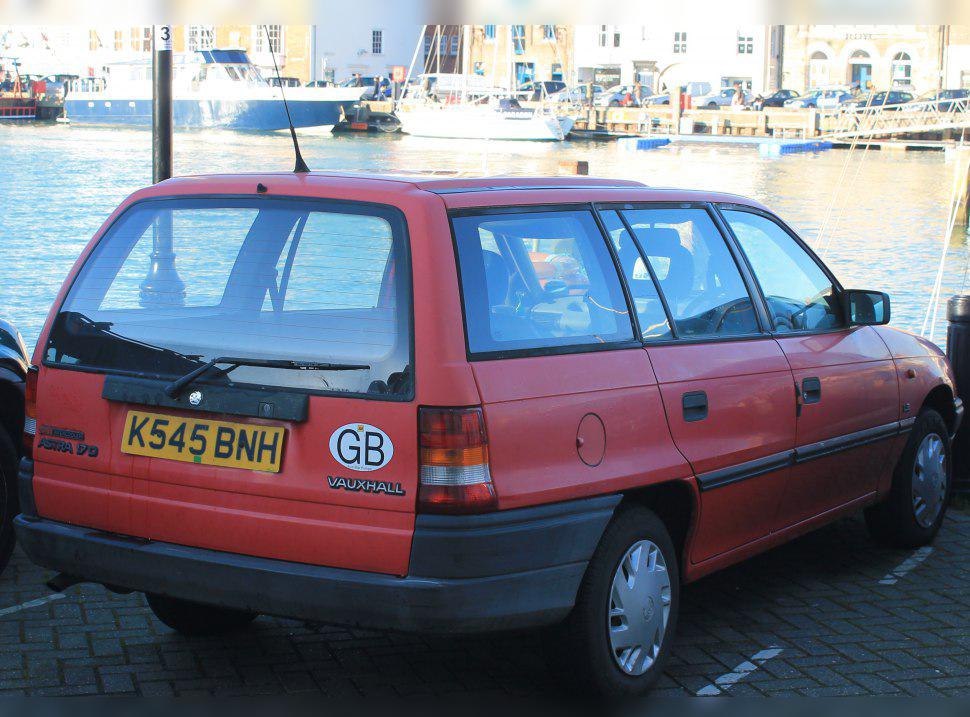
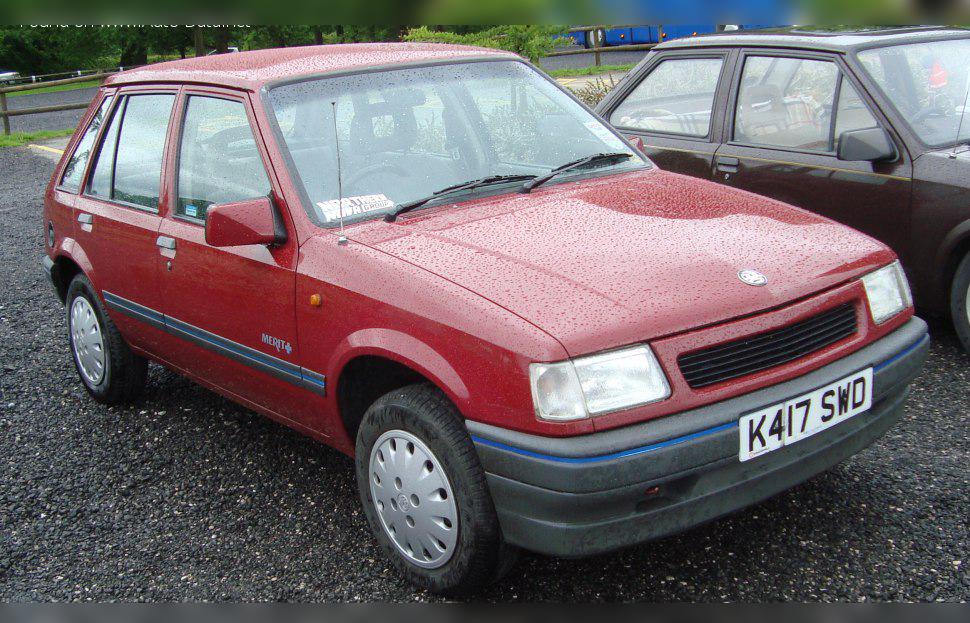
The engine designated as C14NZ is one of Opel’s best-known powerplants from the late eighties and nineties. This engine literally motorized the whole of Europe, being installed in a wide range of vehicles, from city runabouts like the Opel Corsa A and B, through the legendary Kadett E, all the way to the popular Astra F. It is a petrol engine with eight valves (OHC layout) and single-point fuel injection. Although technologically outdated by today’s standards, its essence lies in the fact that it is robust, tolerates owner neglect and offers driving with minimal maintenance costs. It is important to note that, given the age, most of these engines have covered huge mileage, so the condition of the specific unit is more important than the design itself.
Technical specifications
| Specification | Data |
|---|---|
| Engine displacement | 1388 cc |
| Power | 44 kW (60 hp) |
| Torque | 103 Nm |
| Engine code | C14NZ |
| Injection type | Single-point injection (Multec SPI) |
| Turbo/Naturally aspirated | Naturally aspirated engine |
Reliability and maintenance
When it comes to the timing system, the C14NZ uses a timing belt. What makes this engine legendary among mechanics is the so‑called freewheeling design (it is a non‑interference engine). If the timing belt snaps due to irregular maintenance, the pistons and valves will not collide. All that is needed is to fit a new belt and the engine will start again, which makes this unit an extremely reliable choice for those on a tight budget.
Although the mechanical side is bulletproof, the most common failures are related to aging of small peripheral components. The ignition module located in the distributor is a frequent weak point; the symptom is that the car simply stalls while driving and will not start again until it cools down. Also, the idle air control valve regularly collects carbon deposits, which manifests itself as fluctuating idle speed (the engine “revving up” on its own) or stalling at traffic lights. Oil leaks are a standard occurrence on old Opels, especially at the valve cover gasket and oil pan, which drivers notice as an oily engine block and spots under the car.
The major service on this engine is recommended every 60,000 km or every 4 to 5 years, since parts lose elasticity over time. The engine takes about 3.5 liters of oil, and the recommended grade is 10W-40 (semi‑synthetic), although many owners switched to 15W-40 (mineral) due to increased clearances in the engine block itself.
Does the engine consume oil? Yes, and quite often. Consumption of up to 0.5 l/1000 km is considered an acceptable tolerance for engines this old. The main cause of oil consumption is not the piston rings, but hardened valve stem seals. The symptom of bad seals is a puff of bluish smoke from the exhaust on the first cold start in the morning. Since this is a petrol engine, the spark plugs are typically replaced every 30,000 km, and it is recommended to check the ignition leads because arcing directly causes engine misfire and jerking while driving.
Specific parts (costs)
This engine is the very definition of simplicity, so we can proudly say that it does not have a dual‑mass flywheel, but uses a classic solid flywheel. Maintenance of the drivetrain is therefore very affordable. The expected replacement cost is low – it is not expensive (depends on the market).
The injection system is the aforementioned Multec SPI, which means the engine has only one injector that sprays fuel centrally into the intake manifold. The injector itself is extremely durable and rarely fails, but the throttle position sensor can cause problems. There is no turbocharger on this engine; it is purely naturally aspirated, which from the outset eliminates potentially high costs of turbo and high‑pressure hose repairs.
As for emissions, the engine has no DPF filter (that’s for diesels), nor an AdBlue system. However, it does have an early, primitive mechanical‑vacuum EGR valve. It tends to get stuck due to soot build‑up, which causes jerking at low revs. In practice, many mechanics simply block off this EGR valve with a plate, after which the engine often runs more smoothly, and since the vehicle meets older Euro standards (mostly Euro 1 or Euro 2), this does not cause issues at inspections where regulations are more lenient for older cars.
Fuel consumption and performance
Real‑world fuel consumption in city driving is between 8 and 9.5 l/100 km, depending on which body style the engine is in and how congested the city is. It may sound like a lot for a 1.4‑liter engine, but keep in mind that this is technology from the eighties.
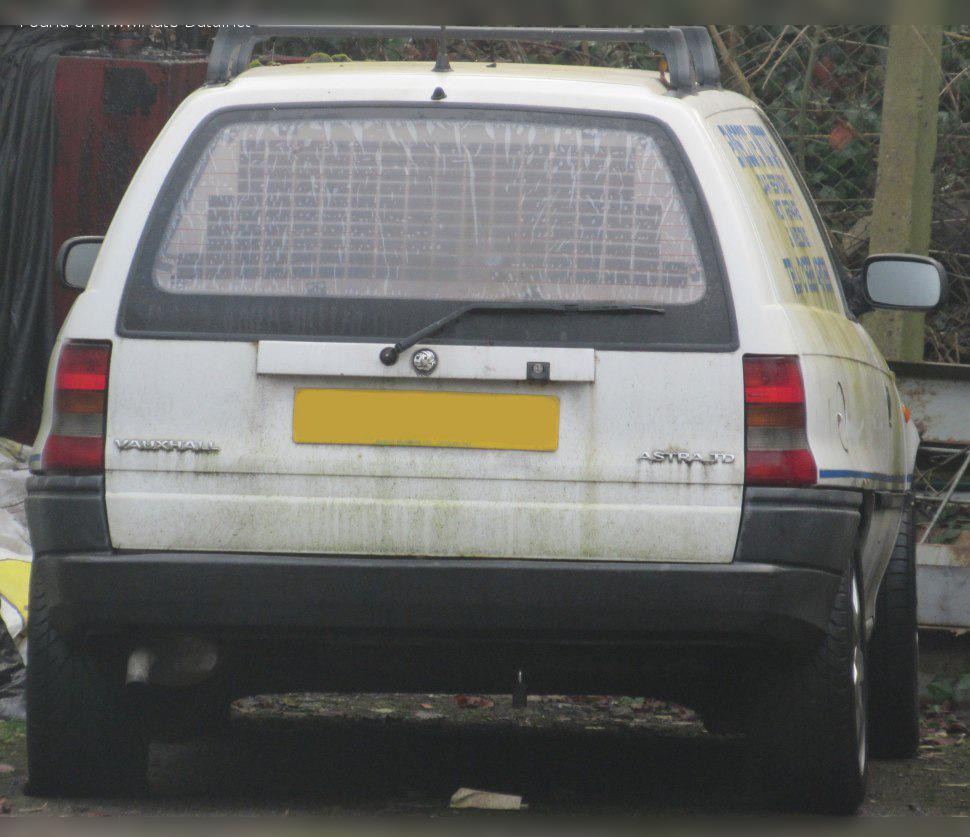
Is the engine “lazy”? Absolutely. With only 60 hp and 103 Nm, this engine was created solely for gentle driving from point A to point B. In smaller and lighter models like the Opel Corsa A or B, performance is tolerable for city use. However, in models such as the Astra F Caravan or Kadett E Caravan, the engine is seriously underpowered for the weight of the body. Acceleration and overtaking require good judgment, high revs and early downshifts, especially if the vehicle is loaded with passengers or cargo.
When it comes to highway driving, the C14NZ is out of its comfort zone. Due to the short gearbox ratios, at a speed of 130 km/h the engine is spinning at a high around 4000 rpm (depending on the specific gearbox type on the model). This results in a significant noise level in the cabin and a drastic increase in fuel consumption. Its optimal cruising speed on open roads is around 100 to 110 km/h.
Additional options and modifications
This unit is an ideal candidate for LPG installation. Moreover, it does not require expensive sequential gas systems. It works successfully and reliably with the old‑type so‑called venturi system. With properly tuned LPG, the power loss is barely noticeable, while running costs become incomparable. LPG installation for this engine is very cheap – it is not expensive (depends on the market).
Attempts at “chipping” (Stage 1) this engine are a complete waste of money. Since it is a small naturally aspirated engine with single‑point injection, software modification can yield at most 2 to 3 hp, which the driver will not feel in practice. Anyone who needs more power in an Opel from this era is better off switching to factory more powerful versions with multi‑point injection (such as the 1.4 Si or 1.6i).
Gearbox
The C14NZ engine was most commonly paired with five‑speed manual gearboxes designated F10 or F13 (on the very earliest series you can even find 4‑speed units). Automatic gearboxes (Aisin) with 3 or 4 speeds were available as an option in the Astra F and Corsa, but they are extremely rare and technologically archaic.
The manual gearboxes are known to be virtually indestructible, with gears that rarely fail. However, they do have a specific flaw: over time they develop play in the gear selector linkage. The driver notices this as a “wobbly” gear lever and difficulty engaging first or second gear. The fix is a simple replacement of the plastic bushings and rubber parts in the linkage. The automatic gearboxes from that period, on the other hand, suffer from clutch pack wear due to infrequent ATF changes, so buying one today is considered a risky investment.
For manual gearbox maintenance, the manufacturer once claimed the oil was fill‑for‑life, but mechanic experience suggests that the gearbox oil should be changed every 100,000 km. The specified oil is 75W-90 (about 1.6 liters). An interesting convenience with old Opel gearboxes (such as the F10/F13 on certain models) is that they allow clutch replacement through a small “inspection window” under the bell housing, without fully removing the entire gearbox, which drastically reduces labor costs.
Buying used and conclusion
When buying a car with a C14NZ engine, you must check two things on the engine: its behavior on the first cold start in the morning (look for blue smoke that reveals worn valve stem seals) and idle stability on a warm engine (if it bogs down and hesitates, the idle air control valve is dirty or a vacuum hose is drawing so‑called false air). Open the oil filler cap while the engine is running and check whether there is excessive blow‑by (signs of worn piston rings).
However, a much bigger problem than the engine itself is the condition of the bodywork of the vehicles it was installed in. Astra F, Kadett and Corsa B are notorious for rust issues on wheel arches, sills and rear suspension mounts. Sound bodywork on these models is more crucial for purchase than the condition of the engine itself.
Conclusion: The 60 hp Opel C14NZ is an absolutely reliable workhorse from the last century. It is intended solely for drivers to whom performance, looks and speed are completely irrelevant, and who are looking for the cheapest possible way to get around on short journeys with minimal maintenance and registration costs. With the addition of a simple LPG system, few engines can offer a lower cost per kilometer.