Opel 1.4 Si (C14SE) engine: Experiences, problems, fuel consumption and used-car buying guide
- No turbochargers, dual-mass flywheels or expensive emission systems – the very definition of simplicity.
- Handles LPG (autogas) conversions very well.
- Prone to oil leaks and increased oil consumption due to worn valve stem seals.
- Very lively in smaller models (Corsa), but not powerful enough for fully loaded estate cars.
- Maintenance is very affordable and parts are widely available.
- The biggest enemy of cars with this engine today is – body corrosion.
Contents
- Introduction: Old-school Opel engineering
- Technical specifications
- Reliability and maintenance
- Specific parts and costs
- Fuel consumption and performance
- Additional options and modifications
- Gearbox and drivetrain
- Buying used and conclusion
Introduction: Old-school Opel engineering
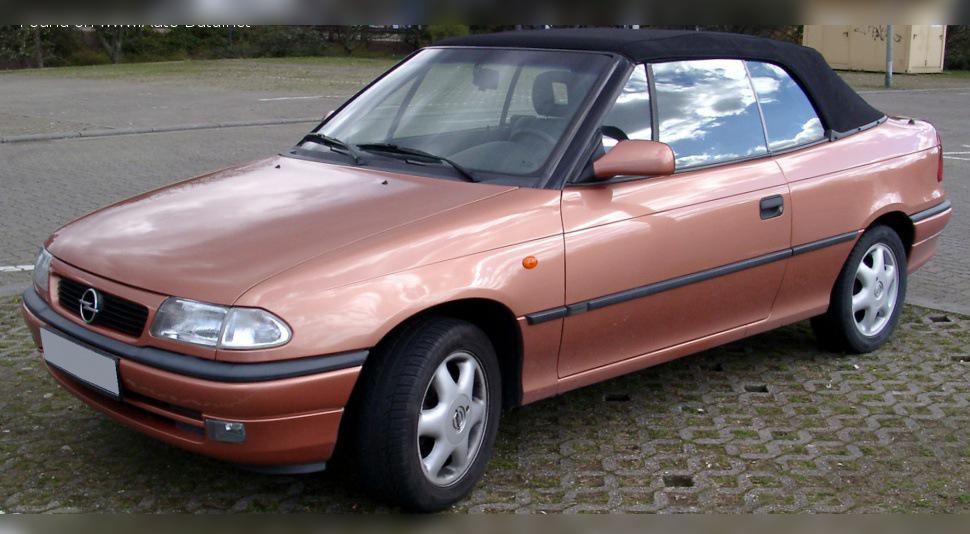
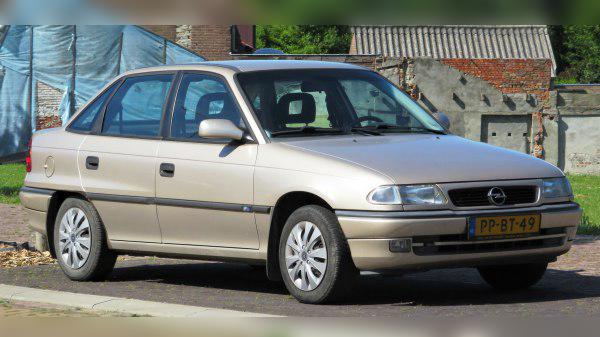
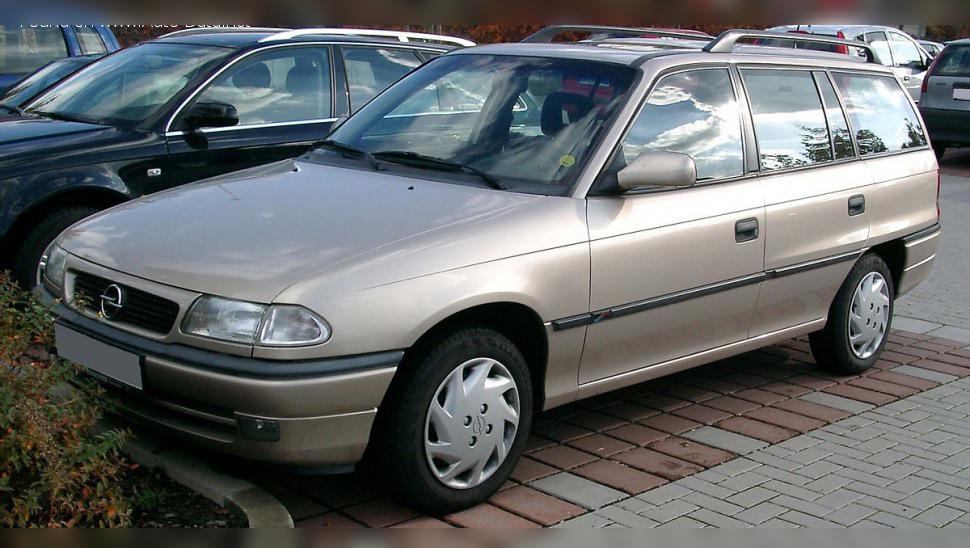
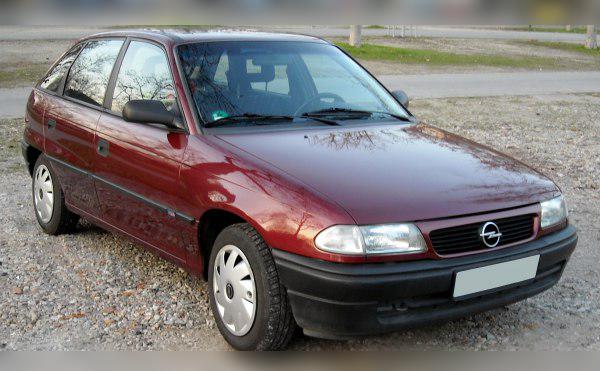
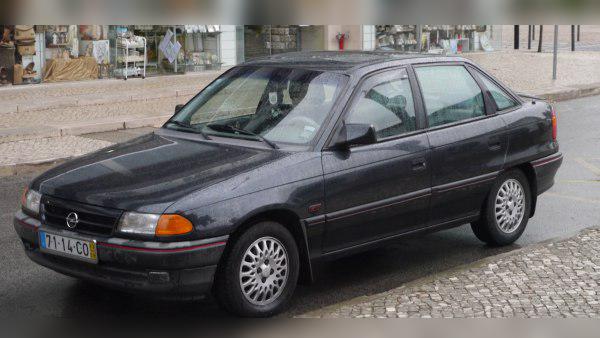
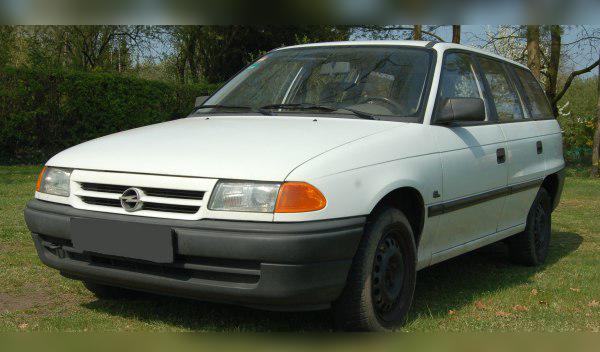
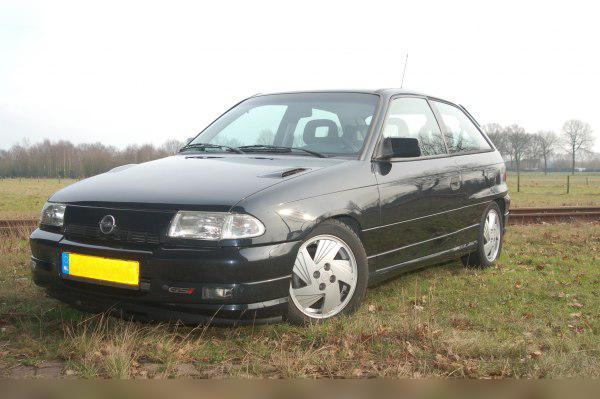
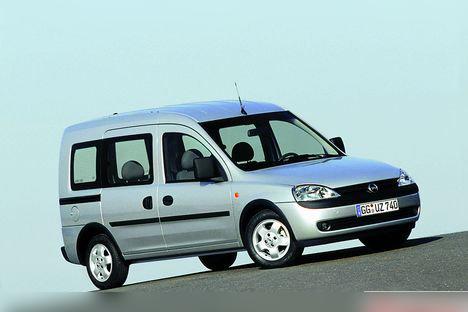
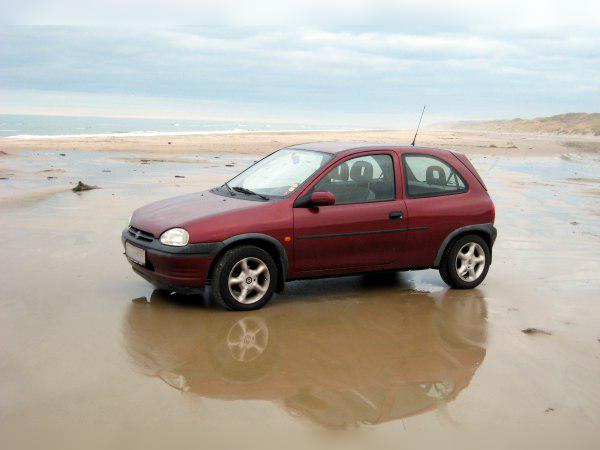
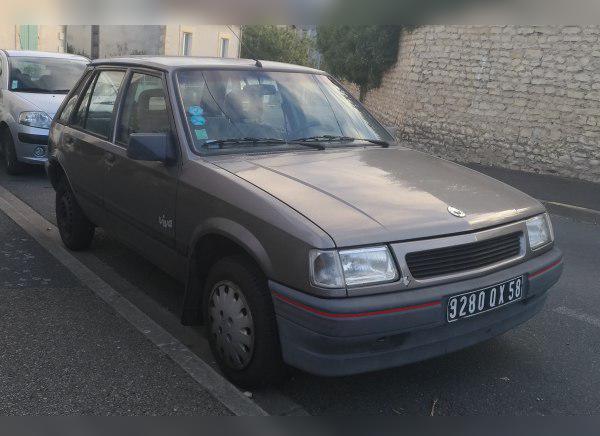
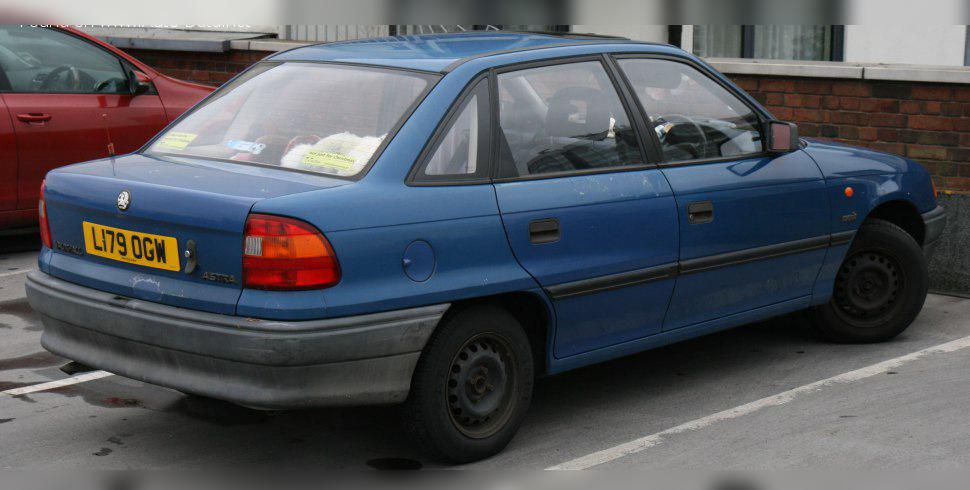
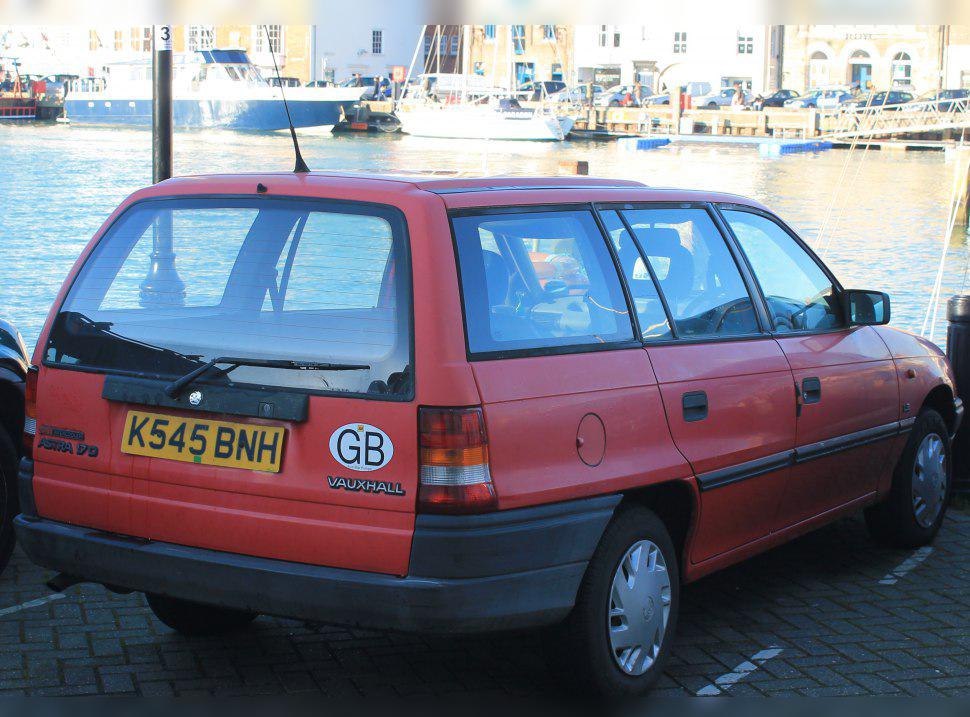
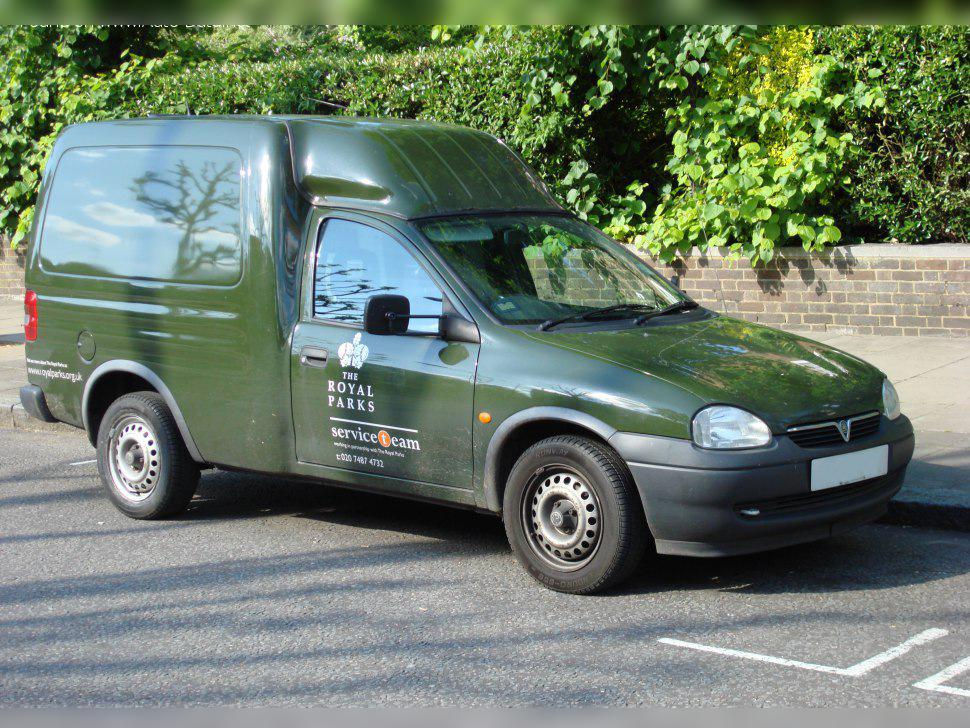
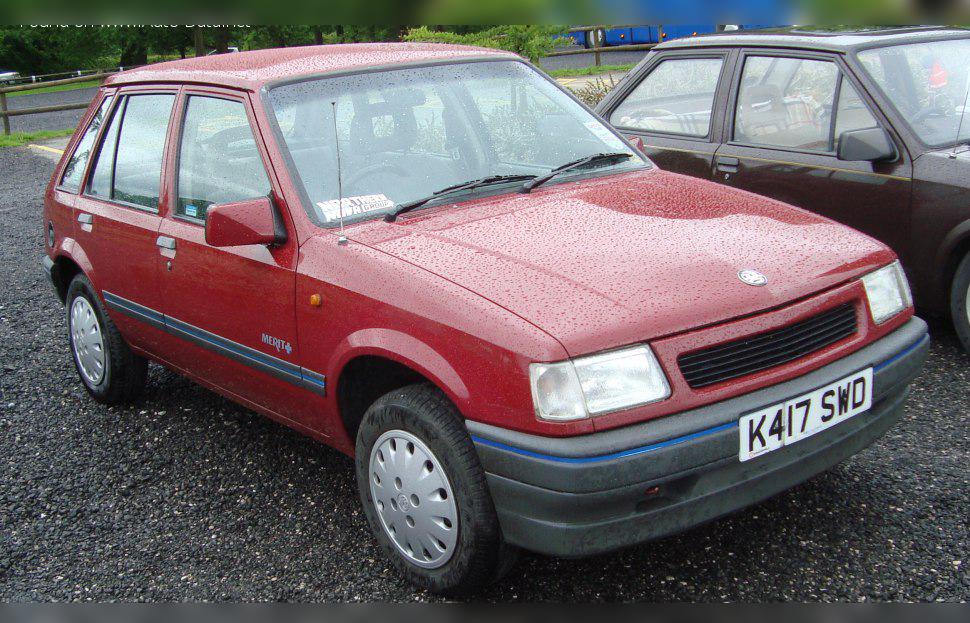
When the C14SE engine is mentioned, car enthusiasts from the nineties know it refers to the famous 1.4 Si unit from GM’s "Small Block" family (Family 1). This engine was installed in a wide range of vehicles, from the Opel Corsa A and B, through the Combo, all the way to the Astra F in all body styles (hatchback, sedan, convertible, estate). The letter "C" in the code denotes the presence of a catalytic converter (Euro 1 standard), "14" is the displacement, and "SE" indicates the presence of Multi-Point Injection (Multec-M) instead of the older Single-Point (Monopoint) system used in its weaker sibling, the C14NZ. Thanks to this, this small engine delivers a respectable 82 hp, which made it a very desirable choice for everyday driving with a touch of sporty sharpness in lighter bodies.
Technical specifications
| Specification | Data |
|---|---|
| Displacement | 1389 cc |
| Power | 60 kW (82 hp) |
| Torque | 113 Nm |
| Engine code | C14SE |
| Injection type | Multi-Point Injection (MPI) |
| Aspiration | Naturally aspirated |
| Fuel type | Petrol |
Reliability and maintenance
One of this engine’s biggest advantages is its mechanical simplicity. For the timing system, the C14SE uses a timing belt. It is very important to emphasize that this is an interference engine where a broken timing belt will cause the pistons and valves to collide (catastrophic engine failure). Because of this, the major service must be done every 60,000 km or every 4 to 5 years, whichever comes first. Along with the belt, the tensioner must also be replaced, as well as the water pump, which is often driven by the same system.
When it comes to engine oil, the system holds about 3.5 liters of oil. Due to the age and design of the engine, semi-synthetic oil of 10W-40 grade is most commonly recommended. Does it consume oil? Yes, absolutely. Due to wear of the valve stem seals and occasionally the piston rings, these engines often consume oil between services. Consumption of 0.3 to 0.5 liters per 1000 km is considered tolerable for engines this old (although it is not factory-ideal). If you notice blue smoke at first start-up or when you step on the gas after prolonged engine braking, the valve stem seals are due for replacement. Another common issue is oil leakage from the valve cover gasket and the oil pan, which leaves greasy traces all over the engine bay.
The ignition system is a classic petrol setup. Spark plugs are typically replaced every 30,000 to 40,000 km. In addition to the plugs, pay attention to the ignition leads and distributor cap and rotor (if the engine version has the early type of distributor) or the coil pack (DIS module) on later series, as moisture and age can cause engine misfires and rough idle.
Specific parts and costs
This is the section where owners of modern cars can only be jealous. The C14SE engine does not have a dual-mass flywheel – it uses a classic solid flywheel, which means that clutch replacement is extremely simple and not expensive (depending on the market).
The injection system is Multi-Point, which means there is one petrol injector per cylinder. These injectors are generally extremely durable and rarely fail. Problems with injectors usually come down to clogging due to long-term driving with very little fuel in the tank (drawing sludge) or due to driving exclusively on LPG, when the petrol injectors "seize up". Cleaning them in an ultrasonic bath usually solves all problems permanently.
As for other modern-day "bogeymen": there is no turbocharger (or two), no expensive DPF filter, no AdBlue system and no complex electronic EGR valve that torments newer EcoTec engines. The exhaust system is simple, with basic lambda sensors and a catalytic converter. Repairs on this engine come down to straightforward, basic mechanics.
Fuel consumption and performance
Driving impressions with this engine vary greatly depending on which body it is installed in. If it is fitted in an Opel Corsa A or Corsa B, this engine with its 82 hp and 113 Nm turns the small city car into a very lively little buzzbox. Throttle response is direct and the car accelerates very well.
However, the situation changes in heavier vehicles such as the Astra F Caravan (estate) or Combo Tour B, especially when there are passengers and luggage on board. In these situations, the engine can feel "lazy" at low revs and needs to be revved higher to keep up with traffic, which inevitably increases fuel consumption.
Realistic city fuel consumption ranges between 8.5 and 10 l/100 km, depending on vehicle weight and driving style. In heavy traffic with an automatic gearbox, this figure can exceed 11 liters. On open roads and main highways it is much more economical (around 6 l/100 km).
On the motorway, the C14SE shows its age and design limitations. Due to the short gear ratios in the gearbox, at a speed of 130 km/h the engine spins at a high 3800 to 4000 rpm (depending on the gearbox type). Because of this, cabin noise is significant, and long-distance driving at that speed can be tiring. The optimal cruising speed for this engine is around 110 km/h.
Additional options and modifications
This is a fantastic engine for LPG (autogas) conversion. Its simple intake manifold and MPI injection work perfectly with sequential LPG systems. Due to higher petrol prices, running on LPG brings running costs down to the level of a cheap diesel, and the engine tolerates the higher combustion temperature of LPG very well, provided the cooling system is in good condition.
As for "chipping" (ECU remapping – Stage 1), it is a complete waste of time and money. Since this is a naturally aspirated engine without a turbo, software changes can at best bring 3 to 5 hp, which you will not notice in practice. If you want more power from this era of Opel production, the only real solution is to buy a more powerful engine (such as the 1.6 Si or 2.0 GSi).
Gearbox and drivetrain
The C14SE was typically paired with reliable 5-speed manual gearboxes (codes F13 or F15) and a 4-speed Aisin automatic in certain trim levels.
Manual gearbox
The manual gearboxes are mechanically almost indestructible. Failures rarely occur inside the gearbox itself. What the driver most often notices is a problem with the gear selector mechanism (linkage). After several decades of use, the plastic bushes and joints develop play, causing the gear lever to become imprecise and making it harder to engage first or second gear. Replacing the gear linkage repair kit is a very cheap fix. The interval for changing or at least checking the oil in the manual gearbox should be around 100,000 km.
Automatic gearbox
The old Japanese Aisin 4-speed automatics are extremely robust, but only if they have been maintained properly. They require ATF oil changes every 60,000 km. If the oil has not been changed on time, the filter clogs up, and the gearbox starts to jerk when engaging "D" or "R", and gear changes become harsh. Keep in mind that the automatic further stifles the already modest performance of this engine and noticeably increases fuel consumption in city driving.
As mentioned earlier, this model has a solid flywheel, and a complete clutch kit (pressure plate, disc, release bearing) for manual versions is not expensive at all (depending on the market).
Buying used and conclusion
Considering that cars with this engine are over a quarter of a century old, before buying you should not focus only on the engine, but on the whole vehicle. The biggest weakness of all models that used the C14SE (Astra F, Corsa B, Nova) is corrosion. The rear wheel arches, sills, floor around the fuel tank and suspension turrets can be completely rotten. As for the engine itself, during inspection do the following:
- Check idle (whether the revs fluctuate, which indicates a dirty throttle body or a problem with vacuum hoses).
- Look underneath and around the engine; a layer of old oil indicates neglected gaskets.
- Have someone rev the engine while you watch the exhaust. Blue smoke means it is burning oil (valve stem seals are the lesser problem, worn piston rings are the bigger one). White smoke (after the engine has warmed up) and bubbles in the coolant reservoir indicate a blown head gasket.
- Listen to the water pump and alternator bearings for whining noises.
Who is this engine for? The C14SE is intended for enthusiasts who want a reliable and cheap old-school engine, for those who need an inexpensive vehicle for hauling goods (in the Combo and Astra Caravan) with low running costs on LPG, or for beginners for whom a first Corsa B is a great training ground without the fear of astronomical repair bills typical of modern diesels. If you find an example with solid bodywork, maintaining the mechanicals around the C14SE unit will be the smallest item in your household budget.