C18NZ Engine (1.8i 90 hp) – Experiences, problems, fuel consumption and used-car buying tips
- Simple mechanics: Old-school, 8 valves, no complicated electronics. Extremely easy and cheap to maintain.
- Fuel injection: Uses a Monopoint (Multec) system with a single injector. No expensive injectors.
- Timing belt: Driven by a belt, the replacement interval is short, but the job itself is cheap.
- LPG: An absolutely perfect engine for LPG conversion, it tolerates even the simplest “venturi” systems.
- No dual-mass flywheel: Power is transmitted via a solid flywheel, which drastically reduces clutch replacement costs.
- Main issues: Oil leaks from the valve cover gasket, problems with the distributor, crankshaft sensor and dirty idle air control valve.
- Performance: The engine is sluggish and noisy on the highway, but offers solid low-end torque that’s ideal for city driving.
Contents
- Introduction: A legend from the nineties
- Technical specifications
- Reliability and maintenance
- Specific parts (costs)
- Fuel consumption and performance
- Additional options and modifications
- Gearbox and drivetrain
- Buying used and conclusion
Introduction: A legend from the nineties
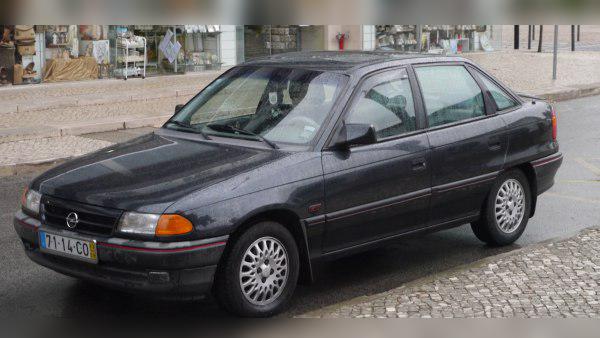
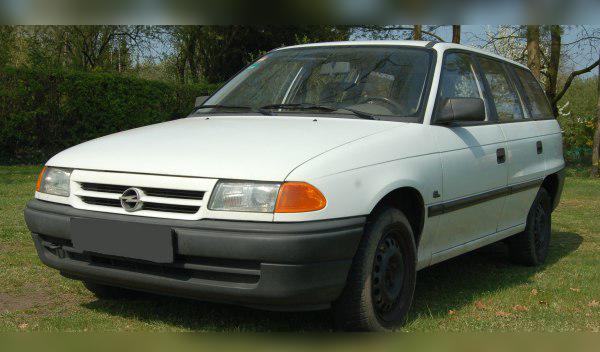
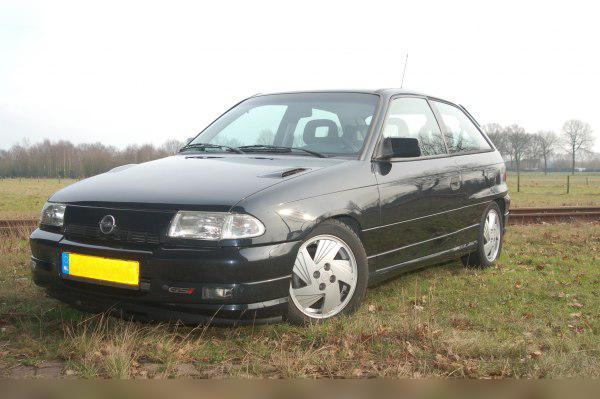
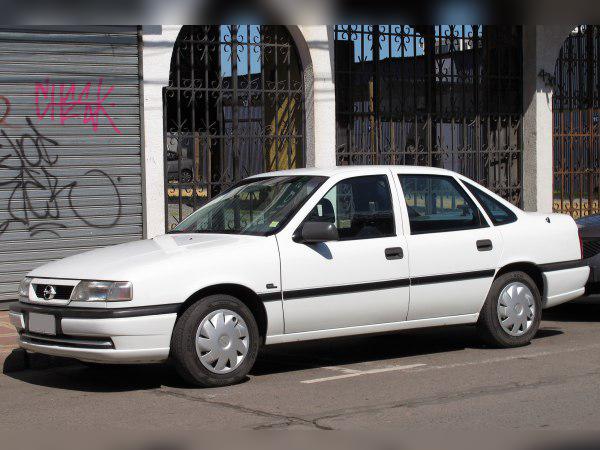
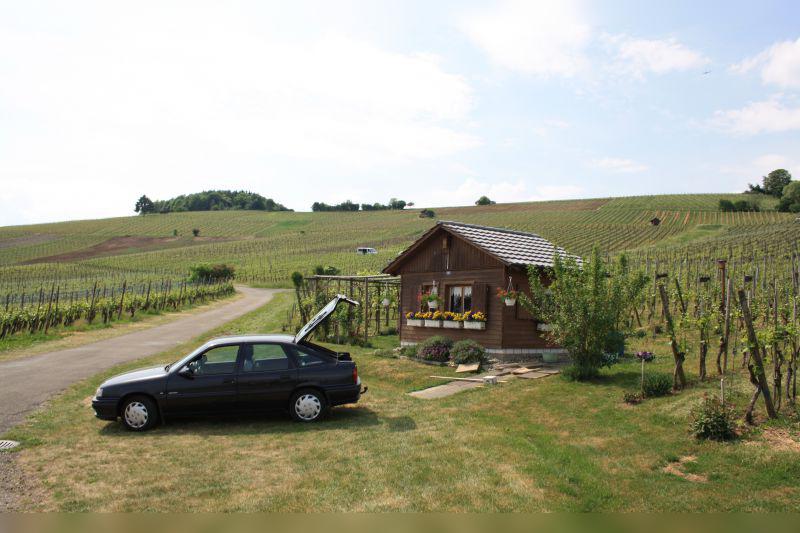
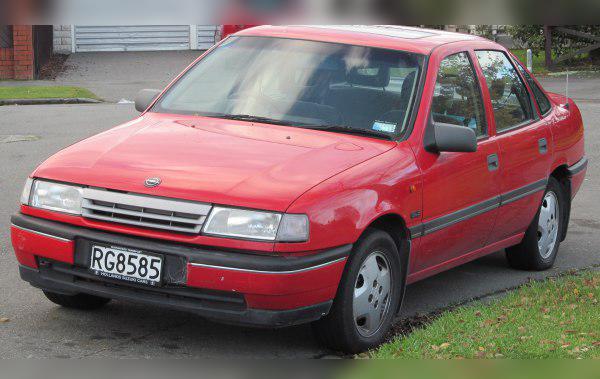
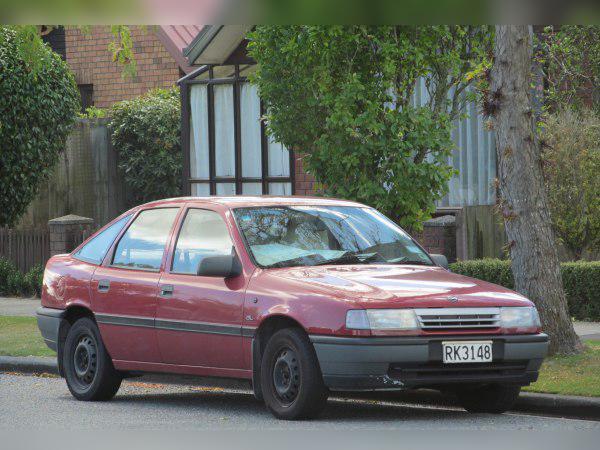
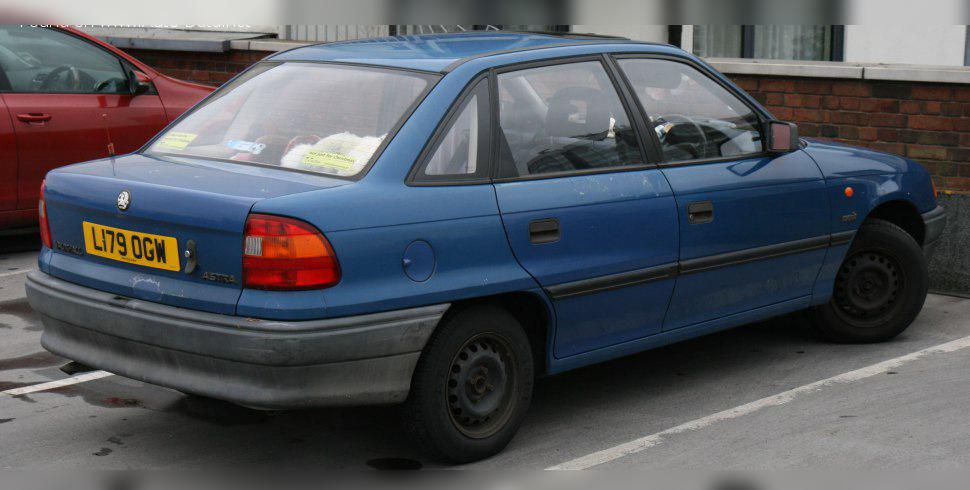
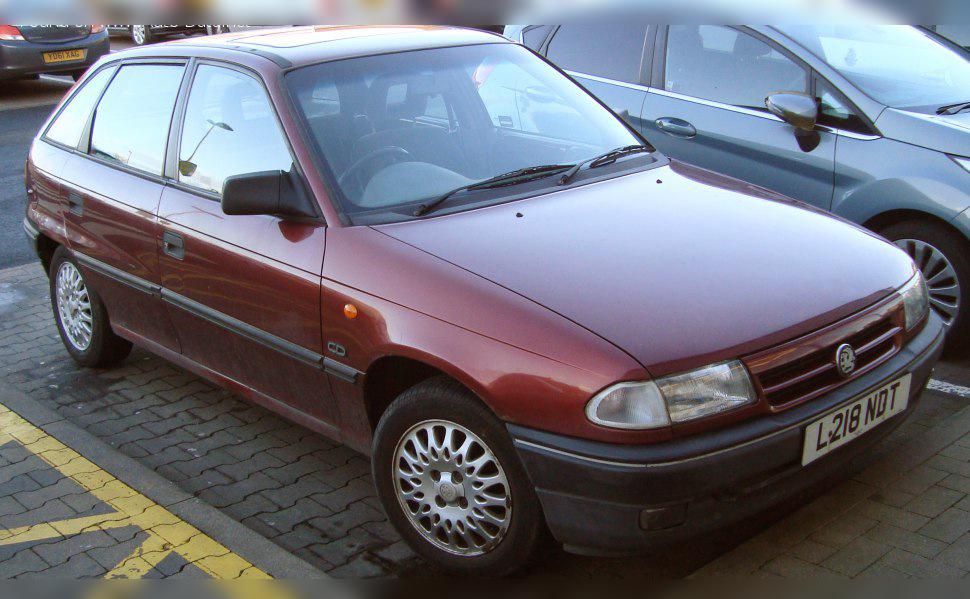
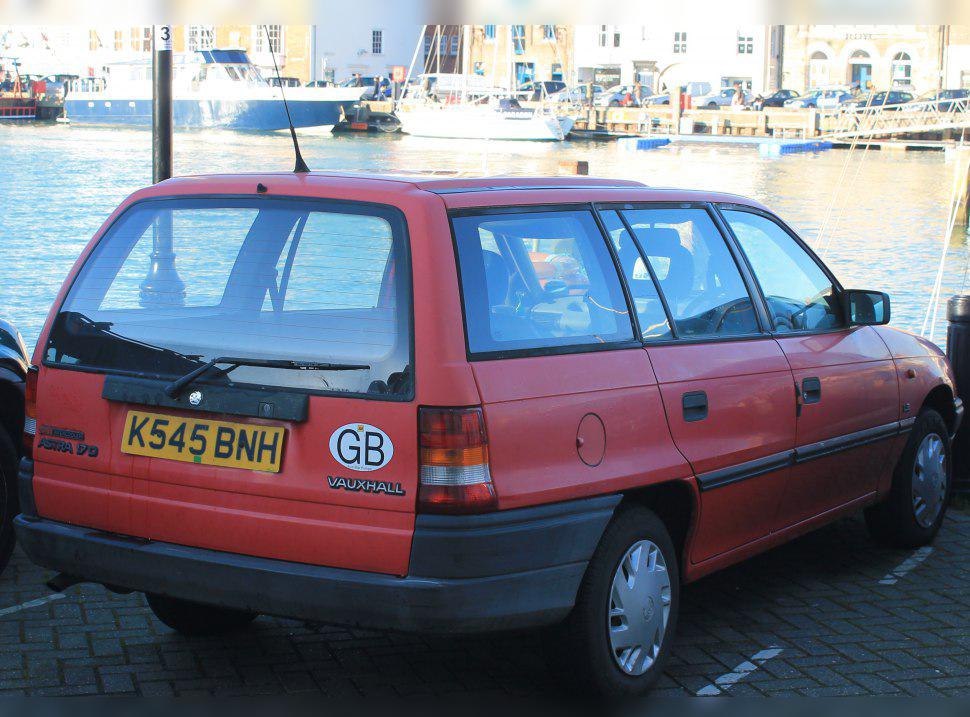
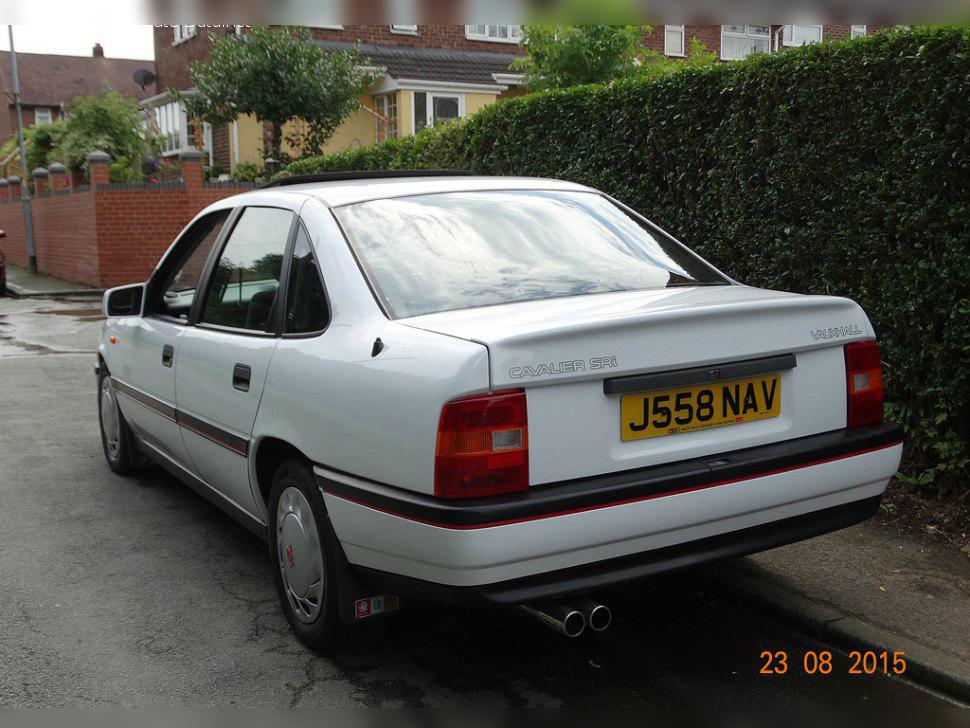
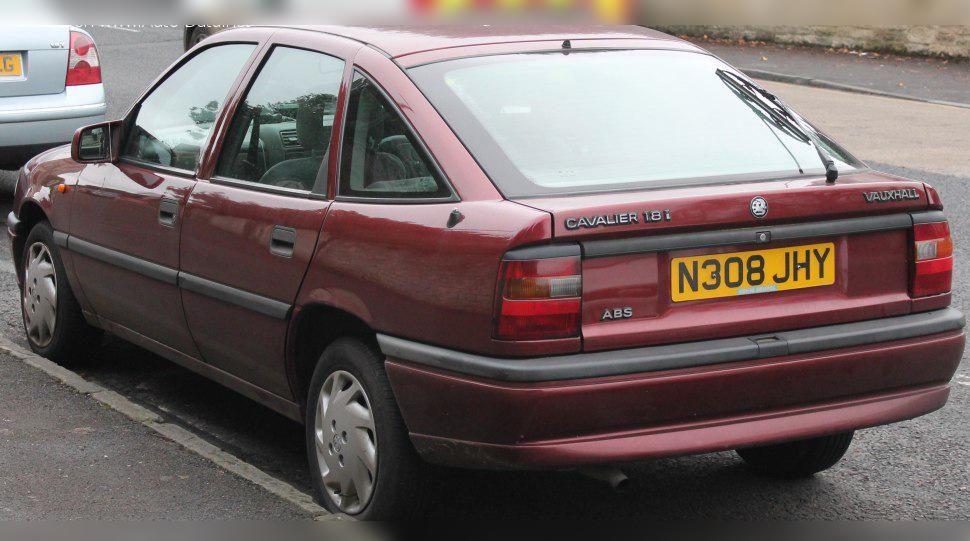
The C18NZ engine is a classic example of General Motors and Opel engineering from the late eighties and early nineties. It was installed in hugely popular models such as the Opel Astra F and Opel Vectra A (as well as their Vauxhall twins in the UK). The letter “C” at the beginning indicates that it has a catalytic converter (Euro 1 standard), “18” is the displacement, and “Z” denotes central injection (Multec). This is the engine that motorized Europe – an indestructible 8‑valve workhorse known for tolerating the worst possible maintenance, but in return demanding regular topping up of oil and fuel. It wasn’t built for racing, but for cheap and reliable transportation from point A to point B.
Technical specifications
| Parameter | Value |
|---|---|
| Displacement | 1796 cc |
| Power | 66 kW (90 hp) at 5400 rpm |
| Torque | 145 Nm at 3000 rpm |
| Engine code | C18NZ |
| Injection type | Central (Monopoint / SPI - Single Point Injection) |
| Aspiration | Naturally aspirated |
Reliability and maintenance
Timing belt or chain?
This engine uses a timing belt to drive the camshaft. One of the big advantages of old Opel 8V engines is that in most cases they are designed so that even if the belt snaps, the valves and pistons won’t collide (so‑called “freewheeling” or non‑interference engine). Still, that’s no excuse not to replace it on time.
Major service
The major service (replacement of timing belt, tensioner and water pump) on this engine is recommended every 60,000 km or every 4 to 5 years, whichever comes first. Parts for the major service are extremely cheap and widely available (depending on the market).
Most common faults and issues
The engine block itself is practically indestructible, but the engine peripherals suffer from age:
- Distributor (Hall sensor): A common issue that causes jerking, stalling while driving or failure to start when the engine is hot.
- Idle air control valve: Due to sludge from the breather, the IAC valve often gets dirty, which results in fluctuating idle speed and stalling at traffic lights. Cleaning the throttle body usually solves the problem.
- Oil leaks: Valve cover gasket and oil pan gasket are chronic weak points. The engine will almost always be “oily”. Fortunately, replacement is straightforward.
- Thermostat: It often gets stuck in the open position, so in winter the engine struggles to reach operating temperature (the gauge drops on open road), which increases fuel consumption.
Engine oil and oil consumption
The sump holds about 4.0 liters of oil including the filter. The factory‑recommended grade back then was 10W‑40 (semi‑synthetic), although many owners switched to 15W‑40 due to engine wear (not recommended in winter because of poorer lubrication at cold start).
Oil consumption is normal. Due to worn valve stem seals and piston rings (after 30 years of use), the engine can consume between 0.5 and 1.5 liters of oil per 10,000 km. As long as it doesn’t blow thick blue smoke under acceleration, this level of consumption is considered acceptable for its age.
Spark plugs
Since this is a petrol engine with an old‑school ignition system, it’s recommended to replace the spark plugs every 30,000 km, or at most 40,000 km, along with checking and, if necessary, replacing the spark plug wires, which tend to break down and cause misfires in wet weather.
Specific parts (costs)
Dual-mass flywheel
Don’t worry. The C18NZ does not have a dual‑mass flywheel. It’s equipped with a classic solid flywheel, which means you won’t have headaches and huge costs when replacing the clutch kit. The clutch is very cheap (depending on the market).
Fuel injection system
This is an engine with Monopoint injection (SPI). That means it doesn’t have 4 separate injectors like more modern engines, but one large injector (Multec system) that sits above the intake manifold and works similarly to a carburetor, only electronically controlled. This injector rarely fails. What usually goes bad is the gasket under the injection unit, so the engine starts to “sweat” fuel or draw unmetered air.
Turbo, DPF, AdBlue, EGR
As an old‑generation petrol engine:
- No turbocharger. This is a pure naturally aspirated engine.
- No DPF and no AdBlue.
- EGR valve: On some variants of this engine (as emission standards became stricter) a simple pneumatic or early electronic EGR valve was fitted. It tends to clog with soot and cause hesitation under light throttle. On these old engines, mechanics usually block it off successfully without any negative effects on engine operation.
Fuel consumption and performance
City driving
By modern standards, this engine is inefficient. Real‑world city consumption ranges from 9.5 to 11 l/100 km, depending on how heavy your right foot is and traffic conditions. Versions with an automatic gearbox in the city easily exceed 12 l/100 km.
Body weight and “sluggishness”
With 90 hp and 145 Nm, the engine is not impressive, but it delivers peak torque at around 3000 rpm. In lighter models (the Astra F weighs around 1000 kg), the engine feels fairly lively in first and second gear. In the heavier Vectra A, the engine definitely feels “sluggish”, especially when overtaking on country roads with the A/C on (if it even has it).
Behavior on the highway
On the highway, at 130 km/h, the tachometer usually shows between 3200 and 3500 rpm, depending on gearbox ratios. At those revs the engine becomes quite noisy. It wasn’t built for fast cruising. Highway fuel consumption is around 7 to 8 l/100 km.
Additional options and modifications
LPG
Is it suitable for LPG? Absolutely yes! This engine is one of the best candidates ever for an LPG conversion. Thanks to the metal intake manifold and Monopoint system, it handles the simplest, cheapest “venturi” LPG systems (with a mixer plate) very well. There is no need for expensive sequential systems. It will use about 1–2 liters more LPG compared to petrol, but the savings are huge.
Chiptuning (Stage 1)
Forget about “chiptuning”. This is a naturally aspirated, low‑compression petrol engine with central injection. By tweaking the early electronics you can’t gain anything tangible – maybe 4–5 hp at best, which is completely unnoticeable and a total waste of money.
Gearbox
Types of gearboxes and failures
It mostly came with proven 5‑speed manual gearboxes (most often the F16 series) and classic, indestructible 4‑speed automatic gearboxes with a torque converter (Aisin‑Warner type).
Manual gearbox: It doesn’t break easily, but over time the plastic bushings in the gear selector mechanism wear out, so the gear lever becomes vague and can mix up first and third gear. Replacing this bushing kit is cheap (depending on the market).
Automatic gearbox: It is very sluggish and “steals” power from the engine. Failures are usually the result of decades of not changing the oil – symptoms include clutch pack slippage inside the gearbox, harsh shifts and delay when engaging Drive or Reverse.
Gearbox maintenance
On the manual gearbox, the oil doesn’t need to be changed often, but given the age of these vehicles, it’s recommended to drain and refill with fresh oil (or at least check the level and top up through the filler plug) every 100,000 km.
Automatic gearboxes require ATF oil and filter changes every 60,000 km. On these old gearboxes, a “partial” oil change is usually done, where only about 50% of the total amount drains from the gearbox pan, while the rest remains in the torque converter.
Buying used and conclusion
What to check before buying?
Today, buying a car with a C18NZ engine means buying a classic or a very old workhorse. Focus on the following:
Cold start: Listen to the engine. If it idles unevenly, you’re probably looking at new spark plugs, new wires or a throttle body clean.
Cooling system: Coolant hoses often become brittle. Check the color of the coolant – if it’s rusty, the radiator or heater core may soon start leaking.
Noise and smoke: Blue smoke when you blip the throttle after idling for a short while indicates worn valve stem seals. This can be fixed without removing the cylinder head, but it’s still a job.
Bodywork: C18NZ engines are excellent, but the bodies they’re in (especially the Astra F) are prone to extreme rust. The body will rot away long before this engine gives up.
Who is this engine for?
Opel’s C18NZ is aimed at drivers on a tight budget who are not looking for performance or prestige, but purely a tool for work or everyday short trips. Pair it with a “basic” LPG system and you’ll get one of the cheapest cars to run and maintain. You can buy parts on every corner, and even a layman with basic tools can repair it in a home garage.